embargo
“embargo” means “embargo” in Spanish. It has 4 different meanings depending on context:
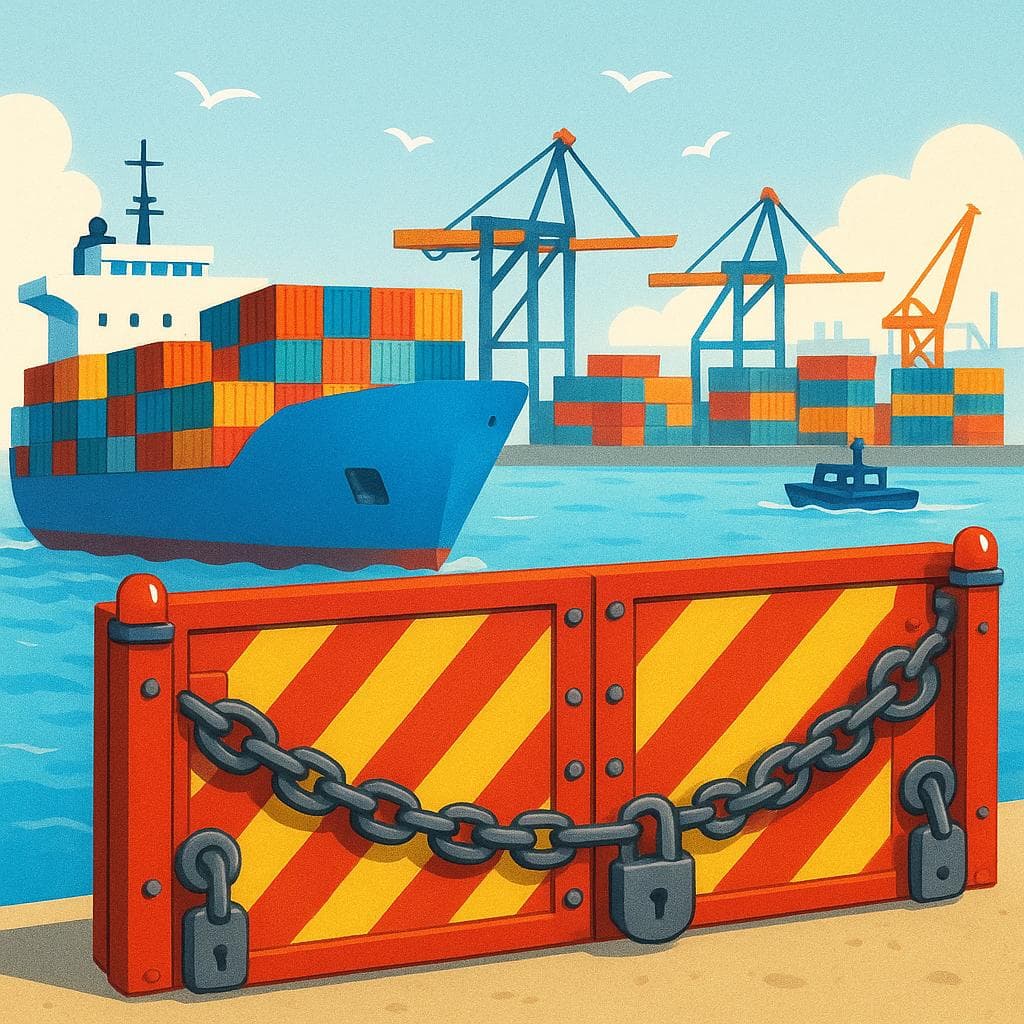


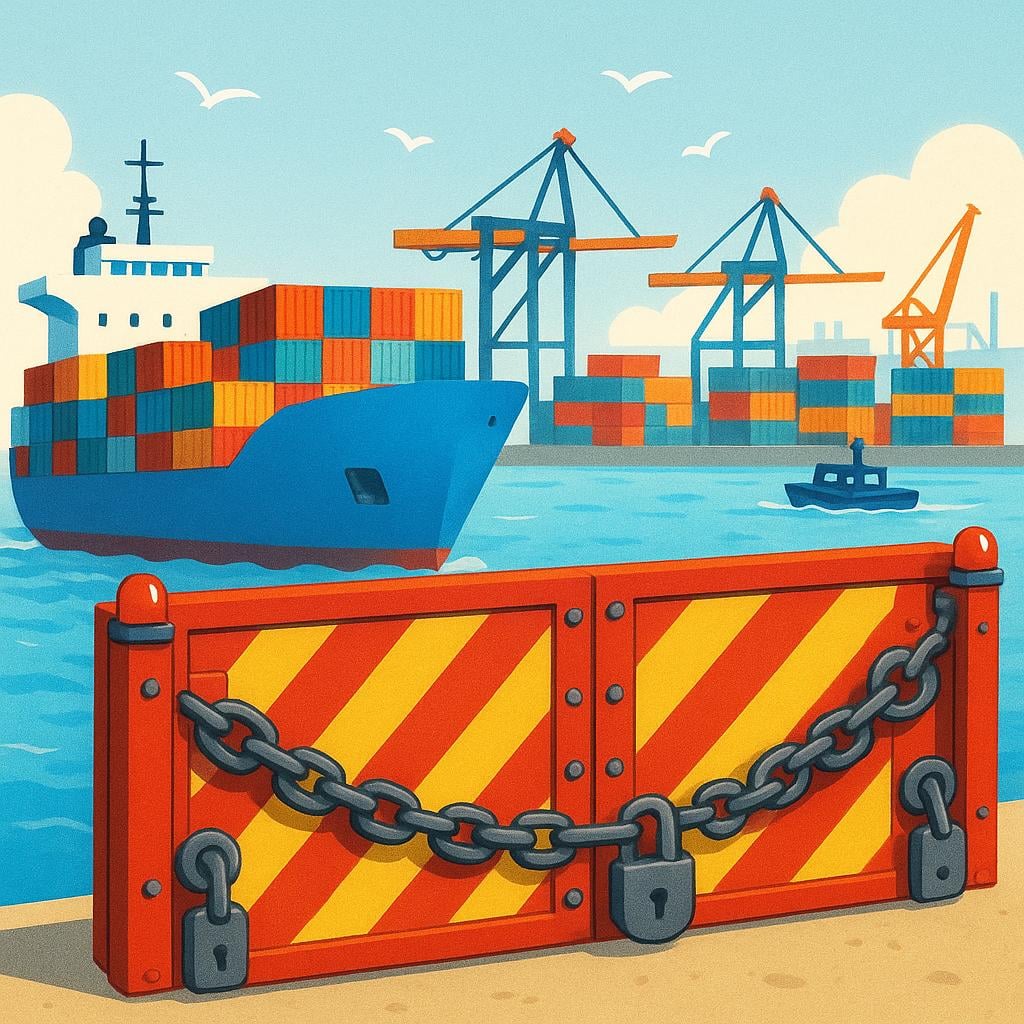
embargoAlso: sanction, blockade
📝 In Action
Estados Unidos impuso un embargo comercial a la isla.
B1The United States imposed a trade embargo on the island.
Levantar el embargo es el primer paso para normalizar las relaciones.
B2Lifting the embargo is the first step to normalizing relations.
Word Connections
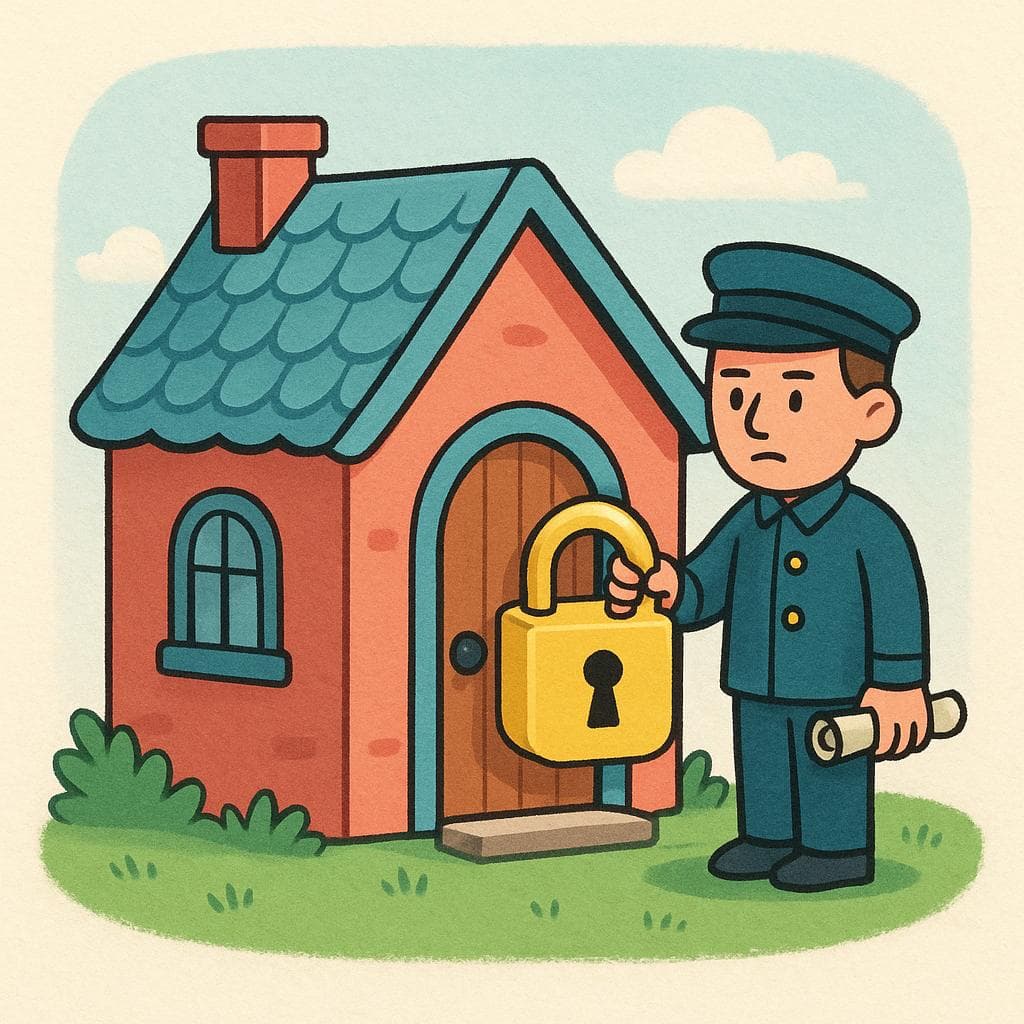
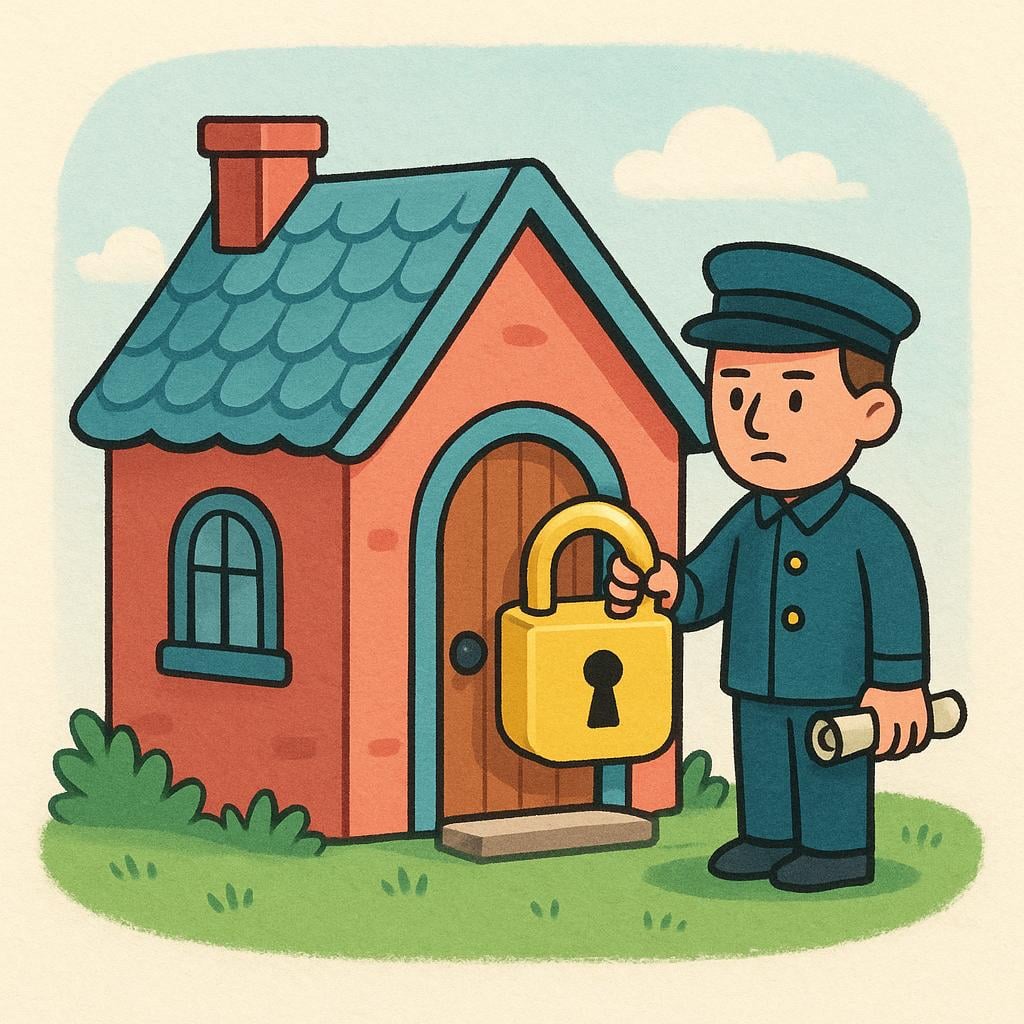
seizureAlso: foreclosure, lien, attachment
📝 In Action
El banco inició el proceso de embargo de su casa por falta de pago.
B2The bank began the foreclosure process on his house for non-payment.
Recibió una orden de embargo sobre su salario para pagar la deuda.
C1He received a wage garnishment order to pay the debt.
Word Connections

📝 In Action
Estudié mucho; sin embargo, no aprobé el examen.
A2I studied a lot; however, I didn't pass the exam.
Es un buen plan. Sin embargo, hay algunos riesgos que debemos considerar.
B1It's a good plan. Nevertheless, there are some risks we must consider.
Word Connections
I seizeAlso: I place an embargo on, I confiscate

📝 In Action
Como oficial del juzgado, yo embargo los bienes de los deudores.
C1As an officer of the court, I seize the assets of debtors.
Indicative
Present
Imperfect
Preterite
Subjunctive
Present Subjunctive
Imperfect Subjunctive
Translate to Spanish
Words that translate to "embargo" in Spanish:
✏️ Quick Practice
Quick Quiz: embargo
Question 1 of 2
Which sentence uses 'embargo' to mean 'however'?
📚 More Resources
👥 Word Family
📚 Etymology
From Vulgar Latin '*imbarricāre*', meaning 'to bar, to block'. It's formed from 'in-' (in, on) and '*barra*' (bar, barrier). The word carries the core idea of putting up a barrier, whether for trade or for seizing property.
First recorded: Early 13th century
Cognates (Related words)
💡 Master Spanish
Take your Spanish to the next level. Read 200+ illustrated and narrated Spanish stories tailored to your level with the Inklingo app!
Frequently Asked Questions
What's the difference between 'embargo' and 'bloqueo'?
They are very similar! 'Embargo' is usually a legal or political decision to stop trade. 'Bloqueo' (blockade) can be more physical, like using ships to stop goods from entering a port. However, in the news, they are often used interchangeably.
Can I use 'pero' instead of 'sin embargo'?
Yes, most of the time! 'Pero' (but) is more common and a bit more informal. 'Sin embargo' (however) is great for writing and sounds a little more formal. Think of it as the difference between 'but' and 'however' in English.