How to Say "accessory" in Spanish
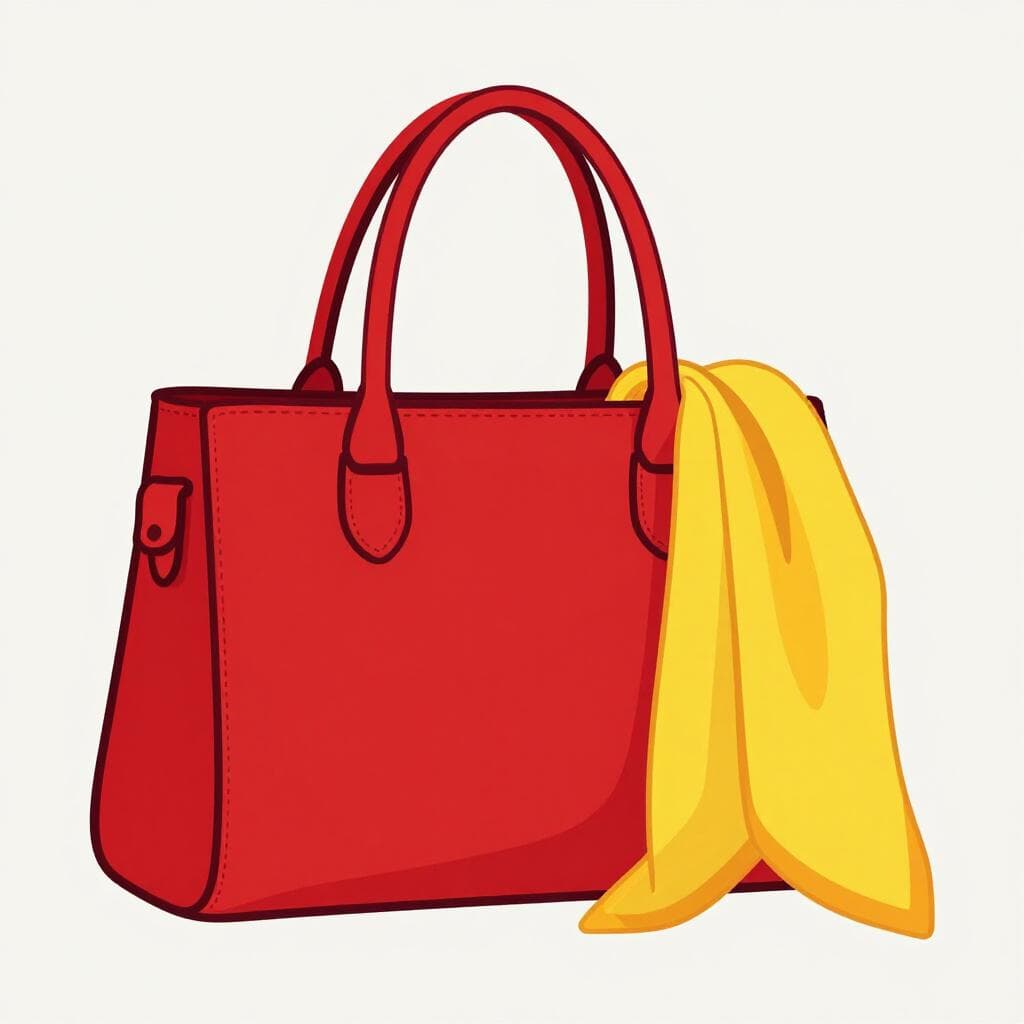
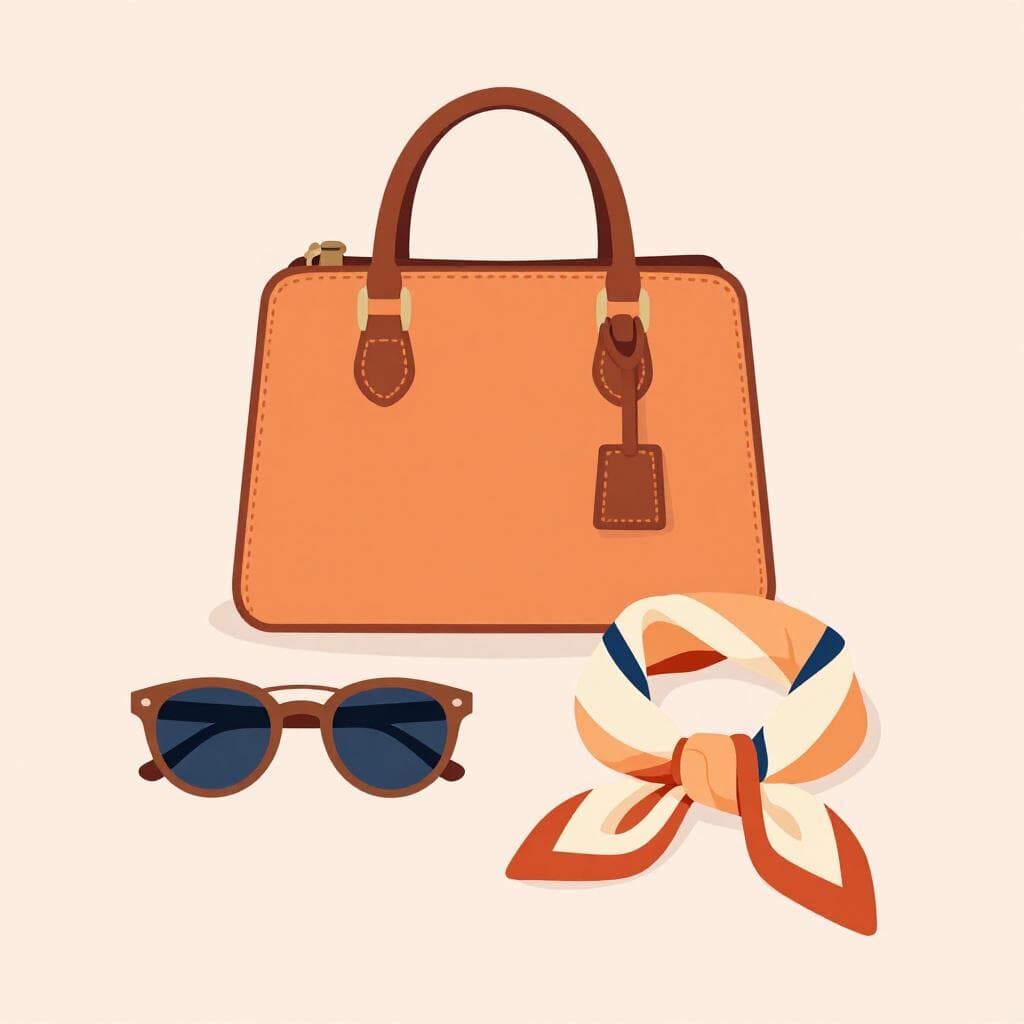
The most common Spanish word for “accessory” is “accesorio” — use this word for fashion items like jewelry, scarves, or bags, or for any non-essential item that complements something else.
accesorio
ahk-seh-SOH-ryohak.se.ˈso.ɾjo

Examples
Ella lleva muchos accesorios, como collares y pulseras.
She is wearing many accessories, like necklaces and bracelets.
El procesador de alimentos tiene un accesorio para picar hielo.
The food processor has an attachment for crushing ice.
Puedes comprar este accesorio por separado en la tienda.
You can buy this accessory separately at the store.
Ese es un problema accesorio; lo importante es el presupuesto.
That is a secondary problem; the important thing is the budget.
Always Masculine as a Noun
When talking about an item (like a watch or a belt), 'accesorio' is always masculine, even if the item itself is feminine.
Pluralization
To make it plural, just add an -s: 'accesorios'. It follows the standard rule for words ending in vowels.
Changing for Gender
Unlike the noun version, when used as an adjective, it must change to match the word it describes. Use 'accesorio' for masculine words and 'accesoria' for feminine words.
Accesorias?
Mistake: “Me gustan estas accesorias.”
Correction: Me gustan estos accesorios. Even if you are referring to feminine items like earrings (arracadas), the word 'accesorio' stays masculine.
Forgetting the 'A'
Mistake: “Es una parte accesorio.”
Correction: Es una parte accesoria. Because 'parte' is feminine, you must change the ending of the adjective.
complemento
kom-ple-MEN-tohkompleˈmento
Examples
Llevo un collar rojo como complemento.
I'm wearing a red necklace as an accessory.
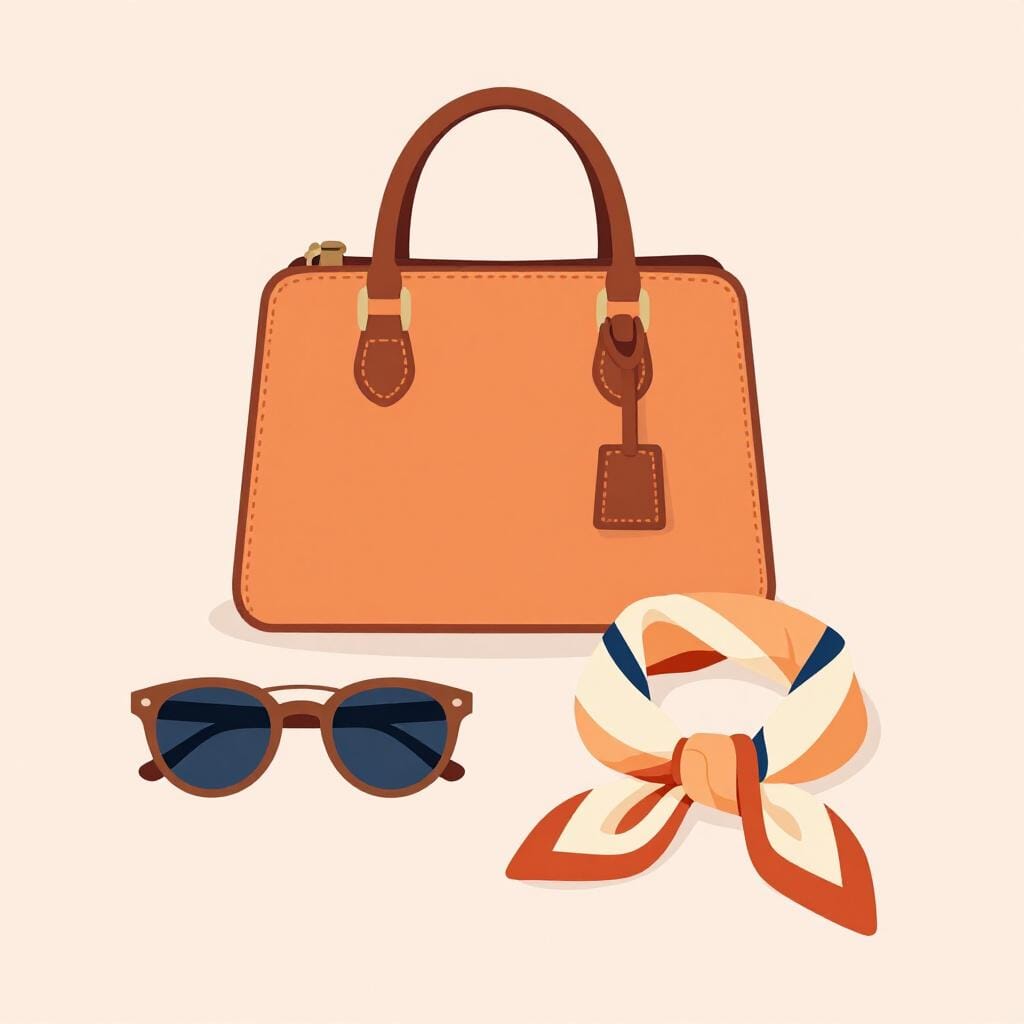
Este bolso es el complemento ideal para tu vestido.
This bag is the perfect accessory for your dress.
Recibió un complemento salarial este mes.
He received a salary supplement this month.
One word, many 'additions'
In English, we use different words for a 'necklace' (accessory), 'extra pay' (bonus), and a 'direct object' (grammar). In Spanish, 'complemento' covers all these 'extra pieces' that finish or complete something else.
Grammar without the jargon
In school, you'll hear 'complemento directo.' This simply refers to the thing or person that receives the action in a sentence, like 'the book' in 'I read the book.'
Don't just say 'Accesorio'
Mistake: “Only using 'accesorio' for fashion.”
Correction: Use 'complemento' frequently! While 'accesorio' is correct, Spanish speakers often prefer 'complemento' when talking about things that 'complete' an outfit.
cómplice
Examples
La policía arrestó al ladrón y a su cómplice una hora después del robo.
The police arrested the thief and his accomplice an hour after the robbery.
accesorio
Examples
Ese es un problema accesorio; lo importante es el presupuesto.
That is a secondary problem; the important thing is the budget.
Confusing Fashion vs. Legal Terms
Related Translations
Learn Spanish with Inklingo
Interactive stories, personalized learning, and more.