How to Say "gadget" in Spanish
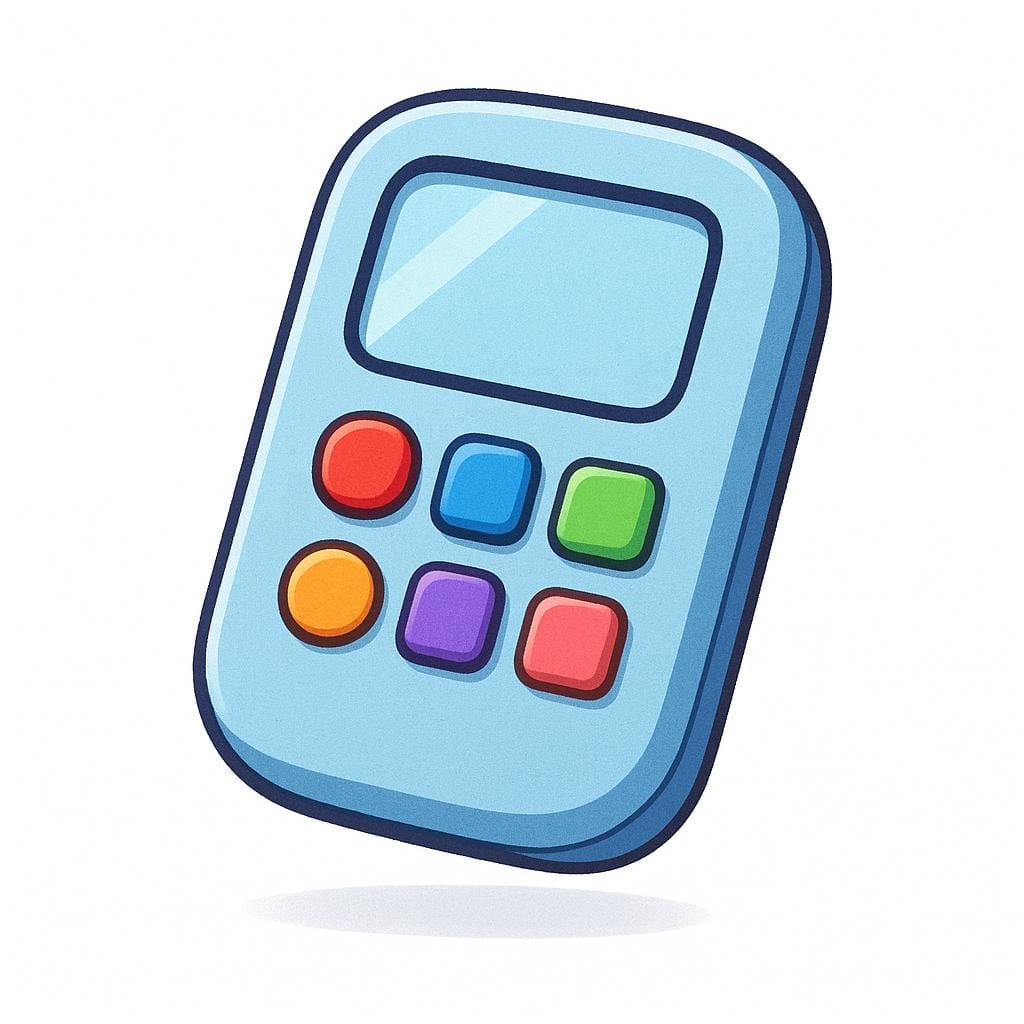
The most common Spanish word for “gadget” is “aparato” — use 'aparato' for any small, general technical tool or device, especially when its specific function isn't the main focus.

aparato
ah-pah-RAH-toha.paˈɾa.to
Examples
Necesito cargar el aparato antes de salir.
I need to charge the device before leaving.
Compramos un aparato nuevo para hacer café.
We bought a new appliance to make coffee.
¿Sabes cómo funciona este pequeño aparato?
Do you know how this small gadget works?
Gender Rule
Even though many Spanish words ending in '-a' are feminine, words ending in '-o' like 'aparato' are almost always masculine (el aparato).
Using the feminine article
Mistake: “La aparato”
Correction: El aparato. Always use the masculine article 'el' or 'un' with this word.
dispositivo
dis-poh-see-TEE-vohdisposiˈtiβo

Examples
Este nuevo dispositivo móvil tiene una cámara increíble.
This new mobile device has an incredible camera.
Necesitas conectar el dispositivo a la red eléctrica para cargarlo.
You need to connect the device to the electrical grid to charge it.
El hospital utiliza un dispositivo especial para medir la presión arterial.
The hospital uses a special apparatus to measure blood pressure.
Masculine Noun Rule
Remember that 'dispositivo' is always used with masculine articles: 'el dispositivo' (the device) or 'un dispositivo' (a device).
Gender Confusion
Mistake: “La dispositivo”
Correction: El dispositivo. Even though it ends in '-o', sometimes learners confuse it with other feminine nouns that end similarly. Always use 'el'.
accesorio
ahk-seh-SOH-ryohak.se.ˈso.ɾjo

Examples
Ella lleva muchos accesorios tecnológicos en su bolso.
She carries many tech accessories in her bag.
Ella lleva muchos accesorios, como collares y pulseras.
She is wearing many accessories, like necklaces and bracelets.
El procesador de alimentos tiene un accesorio para picar hielo.
The food processor has an attachment for crushing ice.
Puedes comprar este accesorio por separado en la tienda.
You can buy this accessory separately at the store.
Always Masculine as a Noun
When talking about an item (like a watch or a belt), 'accesorio' is always masculine, even if the item itself is feminine.
Pluralization
To make it plural, just add an -s: 'accesorios'. It follows the standard rule for words ending in vowels.
Accesorias?
Mistake: “Me gustan estas accesorias.”
Correction: Me gustan estos accesorios. Even if you are referring to feminine items like earrings (arracadas), the word 'accesorio' stays masculine.
artefacto
ar-te-FAK-tohaɾteˈfakto
Examples
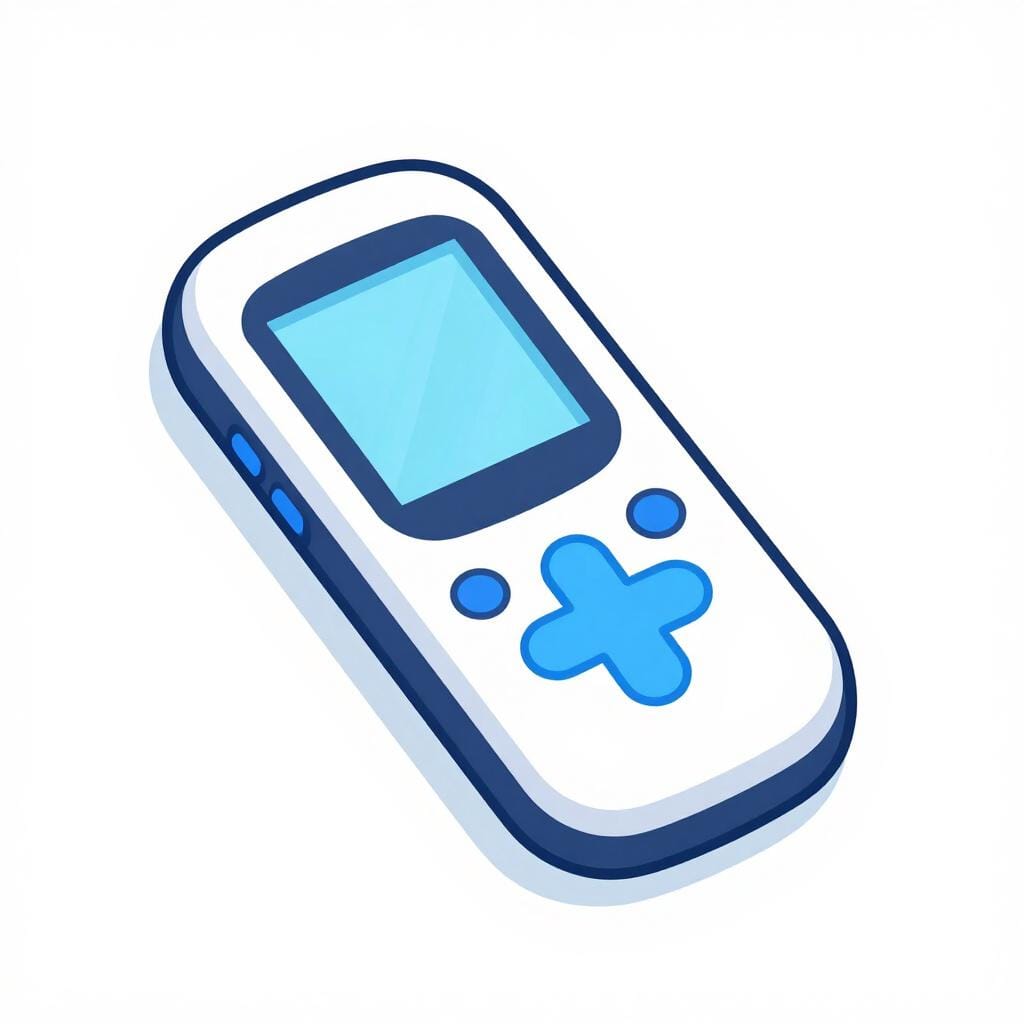
Este artefacto ayuda a limpiar el agua de forma natural.
This device helps to clean water naturally.
No sé cómo funciona este extraño artefacto de cocina.
I don't know how this strange kitchen gadget works.
Always Masculine
This word is always masculine, even if the machine it describes is a feminine noun like 'máquina'.
Artifact vs. Artefacto
Mistake: “Using 'artefacto' only for old museum items.”
Correction: In Spanish, 'artefacto' is very commonly used for modern machines and gadgets, not just ancient history.
chisme
CHEE-smehˈtʃisme
Examples
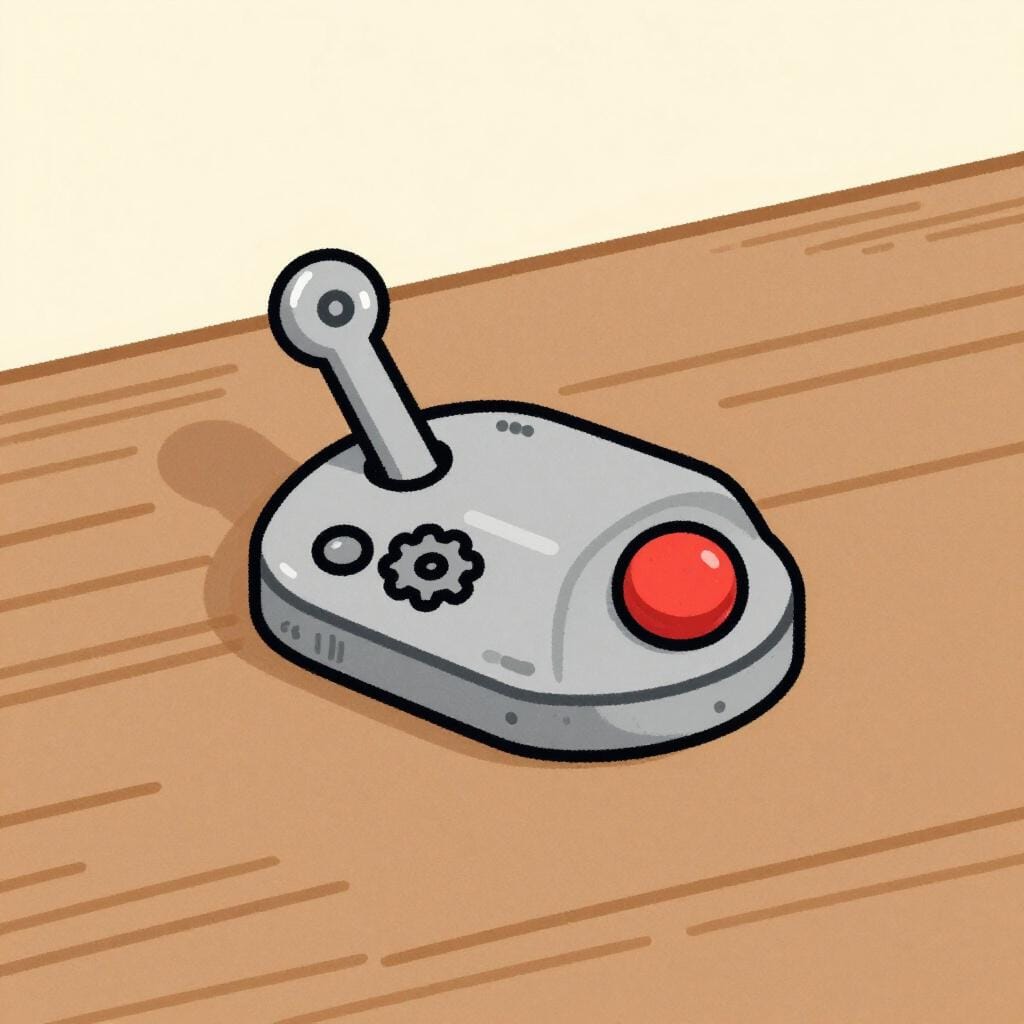
¿Para qué sirve este chisme?
What is this thingy for?
Pásame ese chisme que está en la mesa.
Pass me that gadget that's on the table.
Tengo la casa llena de chismes viejos.
My house is full of old knick-knacks.
The ultimate 'placeholder' word
Just like 'thingy' in English, use 'chisme' when you are pointing at something but can't find the specific word for it.
Don't use for people
Mistake: “Ese chisme es mi amigo.”
Correction: No correction; 'chisme' only refers to objects or rumors, never people.
General vs. Specific Devices
Related Translations
Learn Spanish with Inklingo
Interactive stories, personalized learning, and more.