How to Say "hindrance" in Spanish
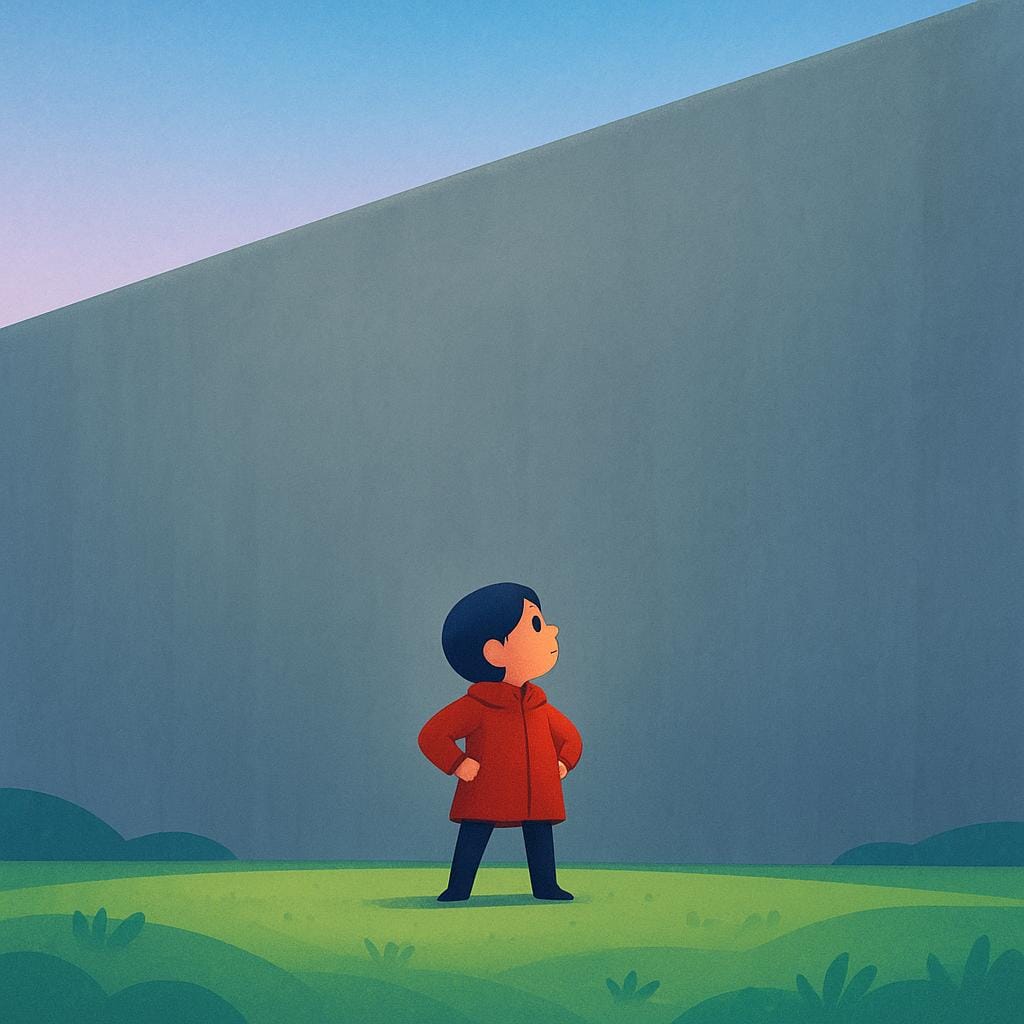
The most common Spanish word for “hindrance” is “barrera” — use 'barrera' when referring to a physical or metaphorical obstruction that prevents progress or movement, like a language barrier or a wall.
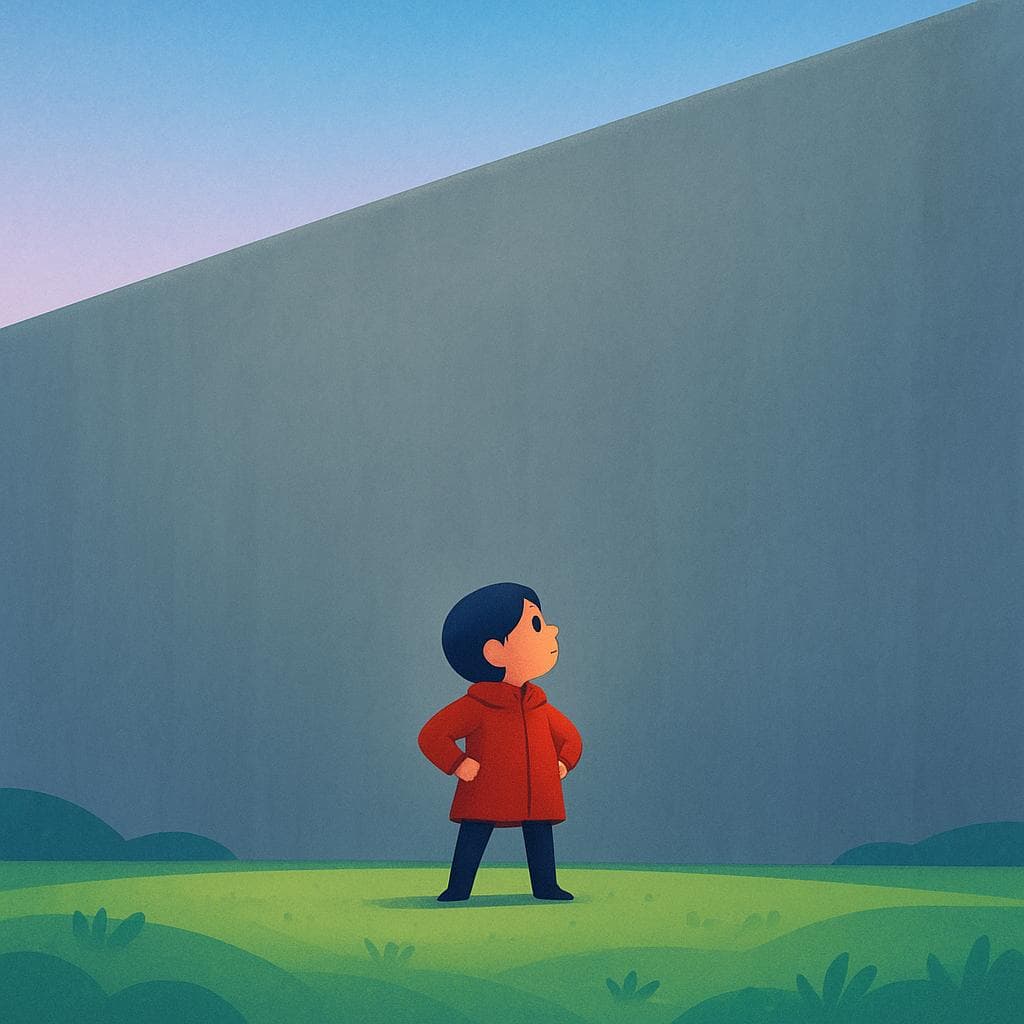
Use 'barrera' when referring to a physical or metaphorical obstruction that prevents progress or movement, like a language barrier or a wall.
Learn more →
Use 'quite' to describe an obstacle or difficulty, especially when emphasizing that something was achieved *despite* it, often used in negative constructions.
Learn more →bah-RREH-rahbaˈreɾa
Examples
La barrera del idioma puede ser frustrante al viajar.
The language barrier can be frustrating when traveling.
La principal barrera para conseguir el ascenso fue la falta de experiencia.
The main obstacle to getting the promotion was the lack of experience.
Debemos romper las barreras culturales que nos separan.
We must break down the cultural barriers that separate us.
Verbs for Action
When talking about removing an obstacle, Spanish often uses 'superar' (to overcome) or 'romper' (to break/break down).
kee-tehˈkite
Examples
Lo logró sin quite, a pesar de las dificultades.
He achieved it without hindrance/easily, despite the difficulties.
El quite de las barreras permitió el paso libre.
The removal of the barriers allowed free passage.
Fixed Phrase Usage
As a noun, 'quite' is rarely used alone. Focus on learning the phrase 'sin quite,' which means 'without any problem' or 'easily.'
Barerra vs. Quite
Learners often confuse 'barrera' and 'quite' because both can mean obstacle. However, 'barrera' is far more common and generally refers to a more direct obstruction, while 'quite' is less frequent and often appears in phrases like 'sin quite' to mean 'without difficulty'.
Related Translations
Learn Spanish with Inklingo
Interactive stories, personalized learning, and more.