quite
“quite” means “(that) I remove” in Spanish. It has 2 different meanings depending on context:
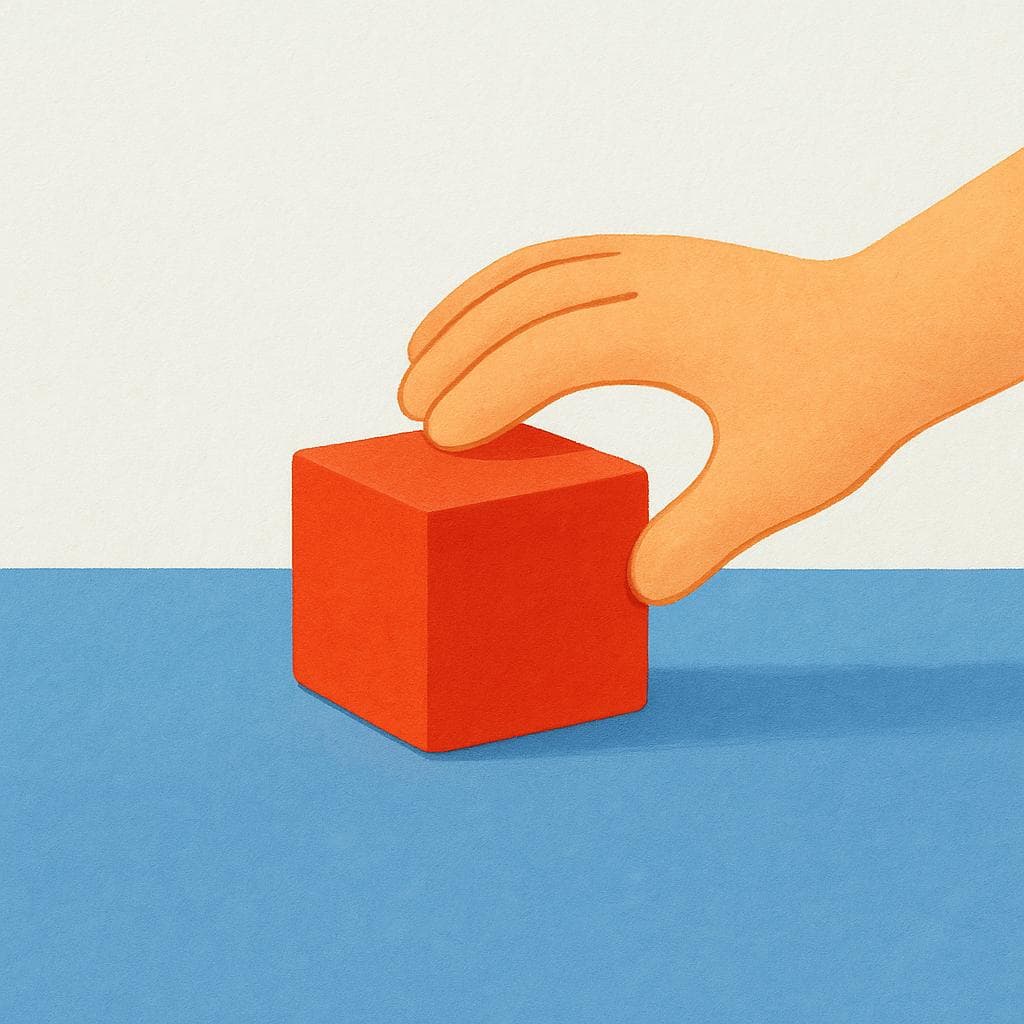
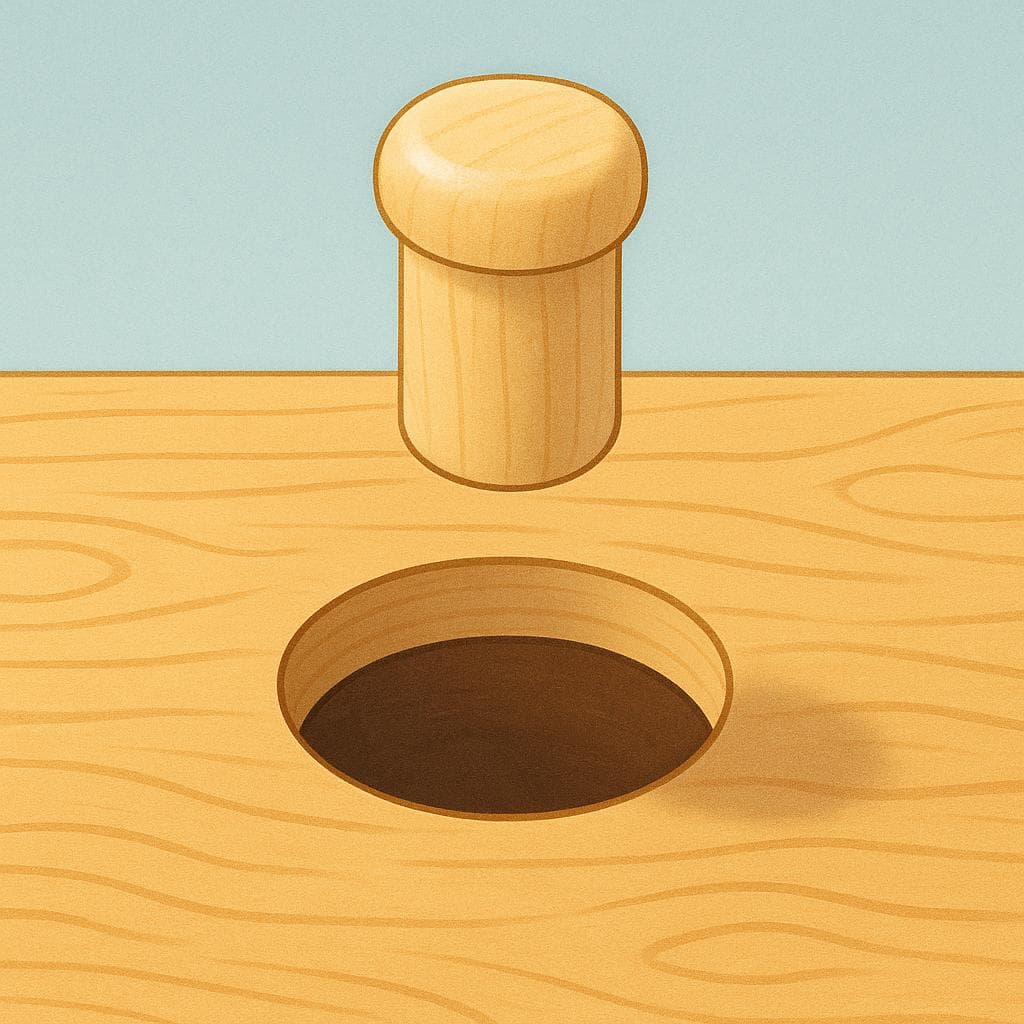
(that) I remove, (that) you remove
Also: let him/her take away
📝 In Action
Espero que yo quite la mancha antes de que mi madre la vea.
B1I hope I remove the stain before my mother sees it.
Dile a Juan que quite los zapatos de la entrada.
A2Tell Juan to remove his shoes from the entrance.
No creo que la empresa quite ese producto del mercado.
B2I don't believe the company will remove that product from the market.
removal
Also: hindrance
📝 In Action
Lo logró sin quite, a pesar de las dificultades.
C1He achieved it without hindrance/easily, despite the difficulties.
El quite de las barreras permitió el paso libre.
B2The removal of the barriers allowed free passage.
Indicative
Present
Imperfect
Preterite
Subjunctive
Present Subjunctive
Imperfect Subjunctive
Translate to Spanish
✏️ Quick Practice
Quick Quiz: quite
Question 1 of 2
Which sentence correctly uses 'quite' to express a doubt?
📚 More Resources
👥 Word Family▼
📚 Etymology▼
The word 'quite' comes directly from the verb 'quitar,' which itself evolved from the Latin verb *quietāre*, meaning 'to quiet,' 'to set at rest,' or 'to discharge.' Over time, the meaning shifted in Spanish to 'to remove' or 'to take away.'
First recorded: Medieval Spanish
Cognates (Related words)
💡 Master Spanish
Take your Spanish to the next level. Read 200+ illustrated and narrated Spanish stories tailored to your level with the Inklingo app!
Frequently Asked Questions
Is 'quite' the same as 'quitar'?
No, 'quitar' is the base verb meaning 'to remove.' 'Quite' is a specific conjugated form of that verb, used when you are talking about wishes, doubts, or indirect commands (the subjunctive mood), or when giving a formal command.
How can I tell if 'quite' is the verb or the noun?
If it follows 'que' (e.g., 'Espero que quite...') or is used as a command, it's the verb. If it follows the word 'sin' (e.g., 'sin quite'), it is the noun meaning 'hindrance' or 'removal'.