How to Say "standoff" in Spanish
The most common Spanish word for “standoff” is “empate” — use 'empate' when referring to a tie in a game, competition, or election where no one has won.
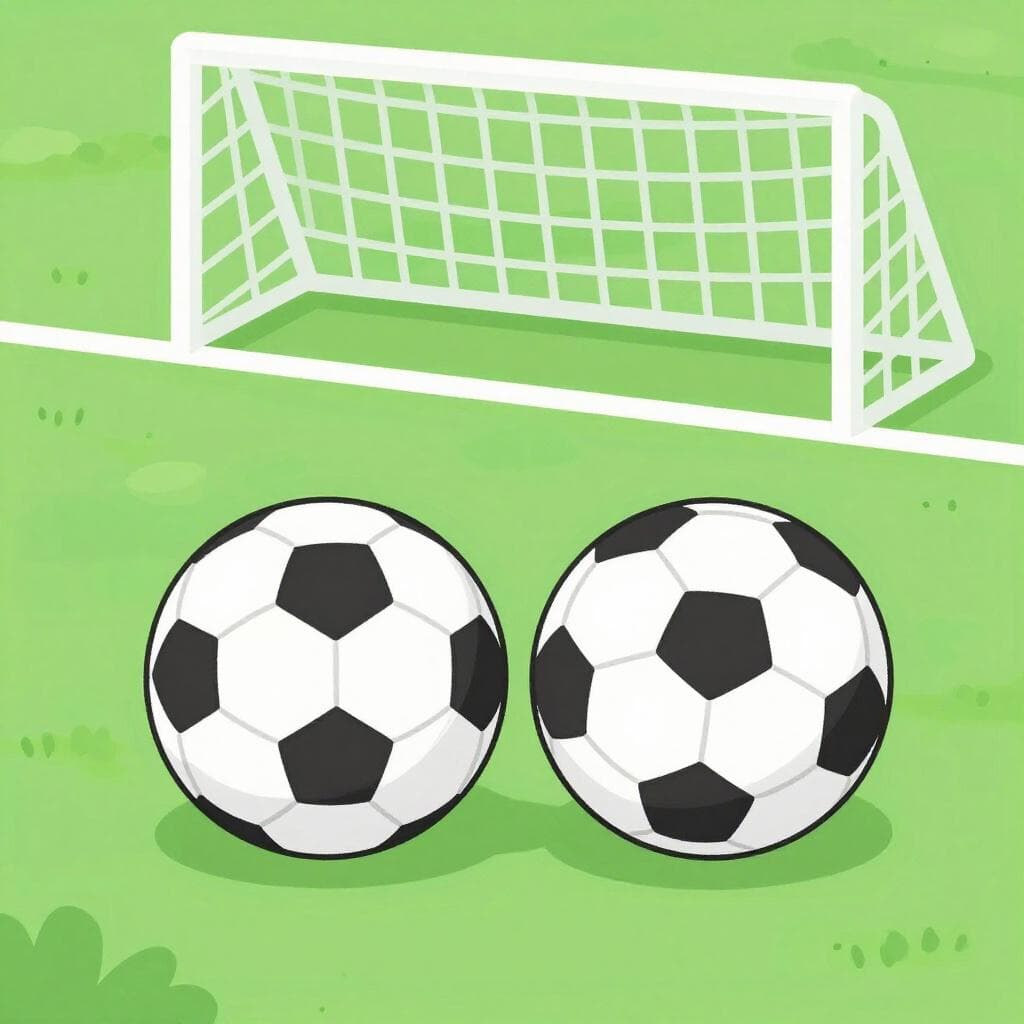

empate
em-pah-teemˈpate
Examples
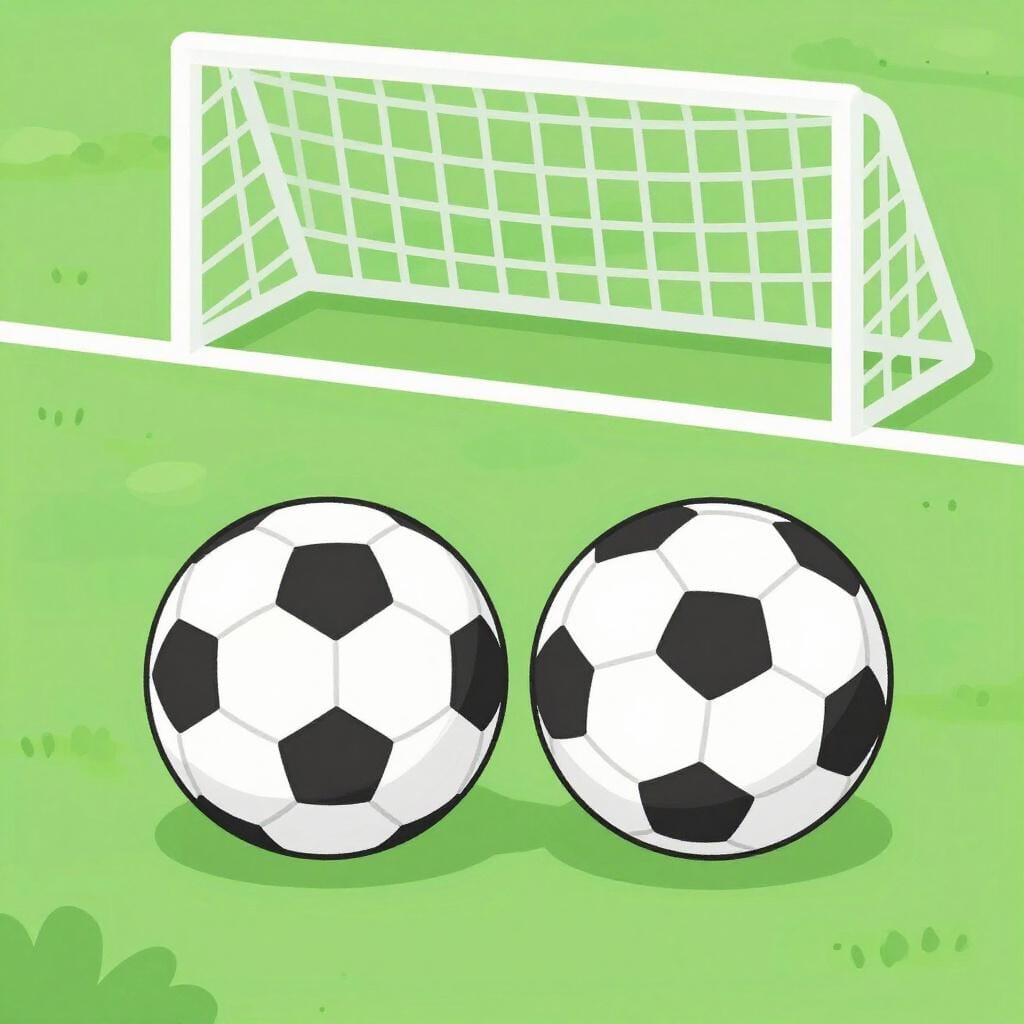
El partido de fútbol terminó en empate.
The soccer match ended in a tie.
Hubo un empate a dos entre los equipos.
There was a two-two tie between the teams.
Las encuestas muestran un empate técnico entre los candidatos.
The polls show a statistical tie between the candidates.
Using 'a' for Scores
When talking about a specific score that resulted in a tie, use the word 'a' between the numbers. For example: 'empate a tres' (a three-three tie).
Verbs that go with 'empate'
In Spanish, we usually 'break' (romper) or 'reach' (llegar a) a tie. To say a game 'ended in a tie,' use 'terminar en empate' or 'quedar en empate'.
Don't use 'hacer'
Mistake: “Hicimos un empate.”
Correction: Quedamos en empate (or) Empatamos.
enfrentamiento
en-fren-tah-myen-toheɱfɾentaˈmjento

Examples
Hubo un enfrentamiento fuerte entre los dos políticos.
There was a strong confrontation between the two politicians.
La policía intentó evitar el enfrentamiento en la calle.
The police tried to avoid the clash in the street.
El enfrentamiento de ideas es necesario para el progreso.
The confrontation of ideas is necessary for progress.
Making it Plural
Since the word ends in a vowel 'o', simply add an 's' to make it plural: 'los enfrentamientos'.
Linking with 'Entre'
To say who is involved in the clash, always use the word 'entre' (between). For example: 'enfrentamiento entre vecinos'.
Confusing with 'Confrontación'
Mistake: “Using 'confrontación' for every situation.”
Correction: While 'confrontación' exists, 'enfrentamiento' is much more natural and common in Spanish for physical or verbal clashes.
Empate vs. Enfrentamiento
Learn Spanish with Inklingo
Interactive stories, personalized learning, and more.