How to Say "match" in Spanish
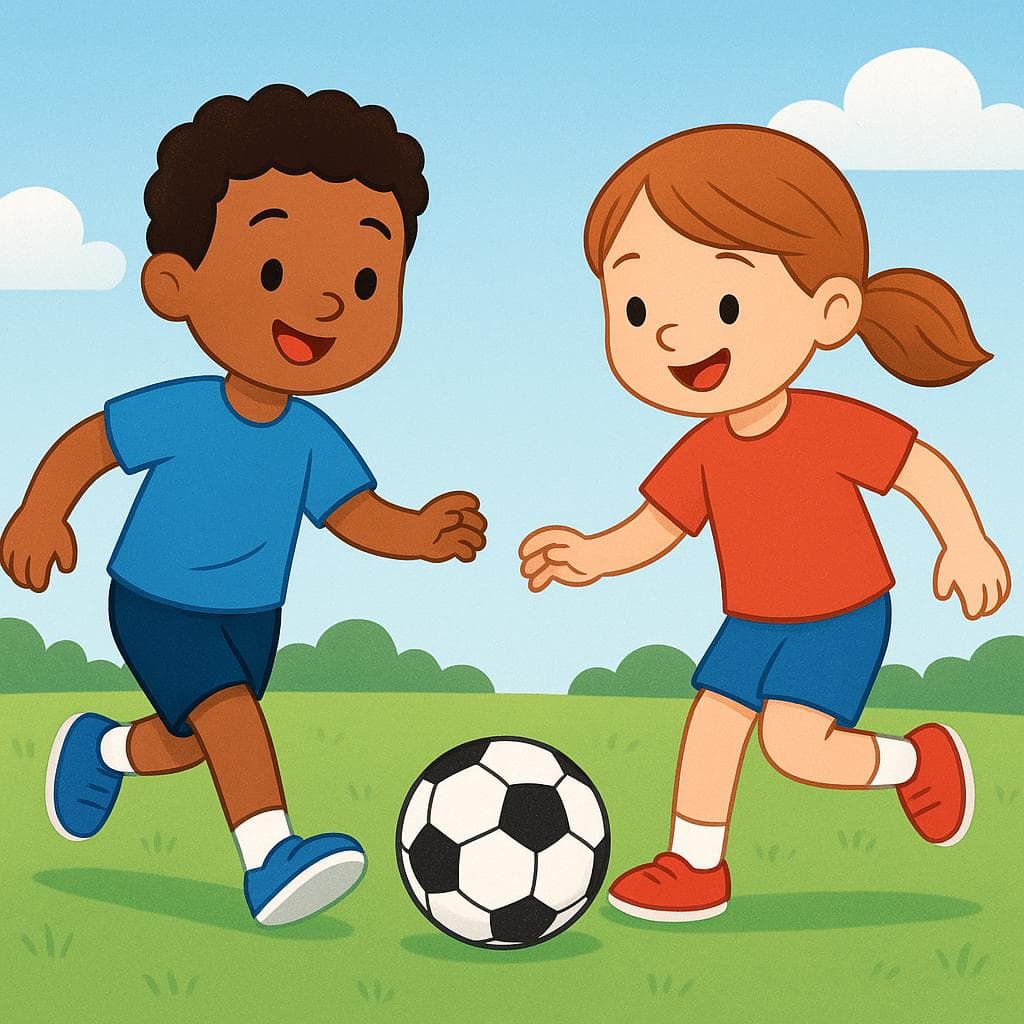
The most common Spanish word for “match” is “partido” — use this word for a sports game or competition, like soccer or basketball.

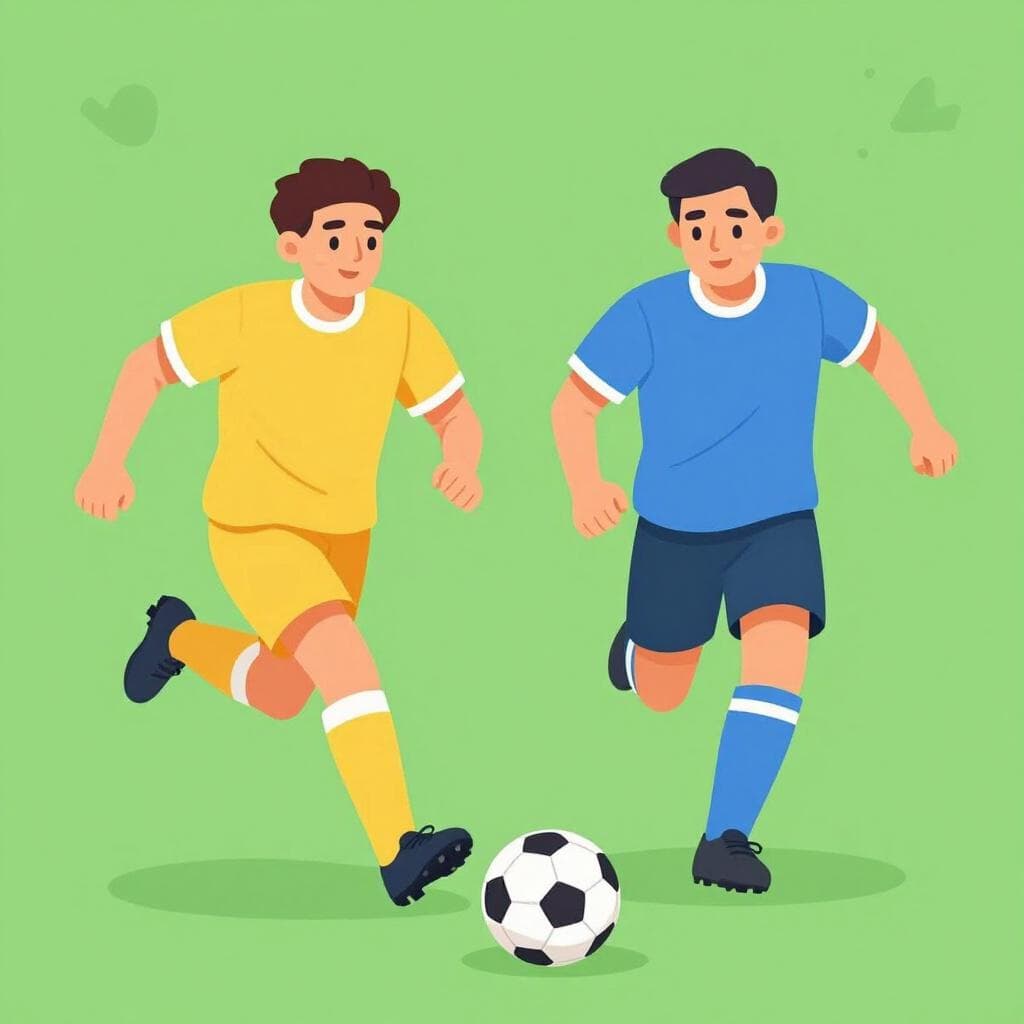

partido
par-TEE-dohpaɾˈti.ðo
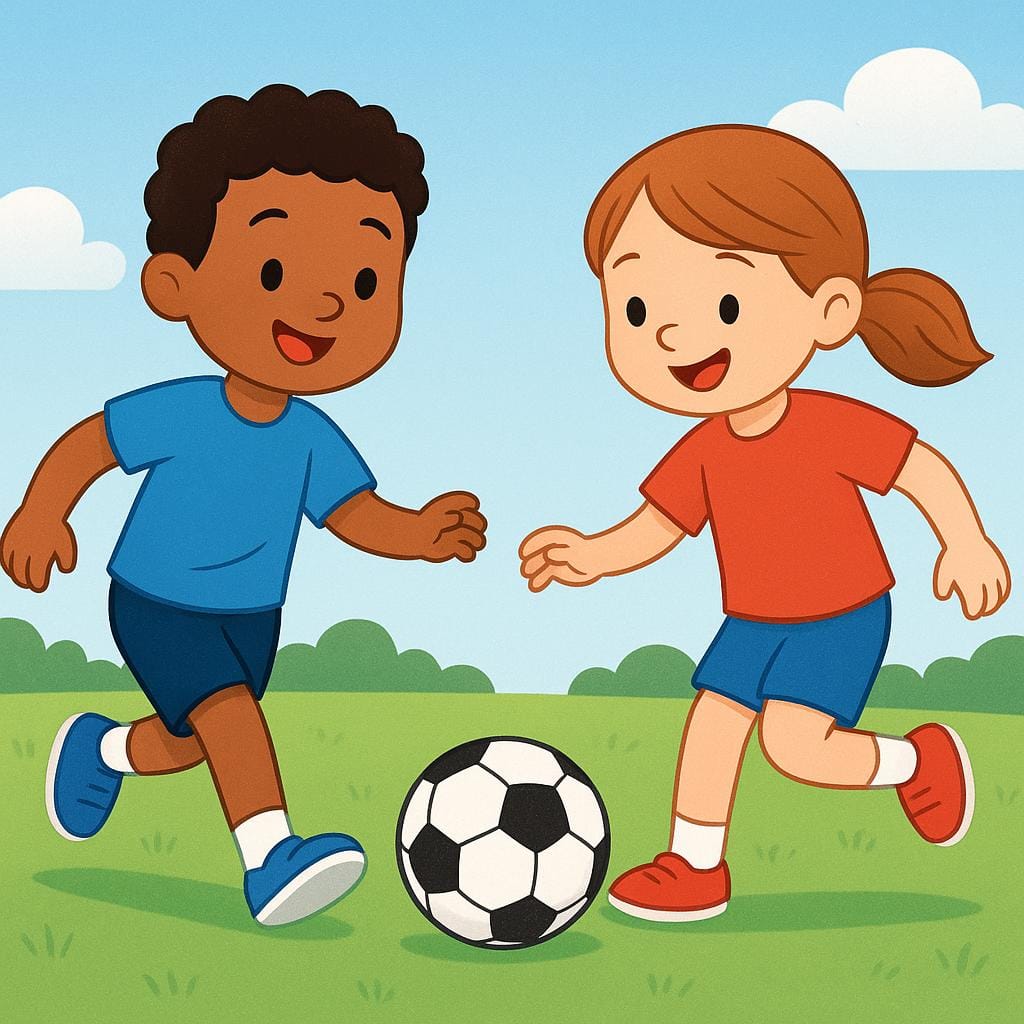
Examples
¿A qué hora es el partido de fútbol?
What time is the soccer game?
Vimos un partido de tenis increíble ayer.
We watched an incredible tennis match yesterday.
El resultado del partido fue inesperado.
The result of the match was unexpected.
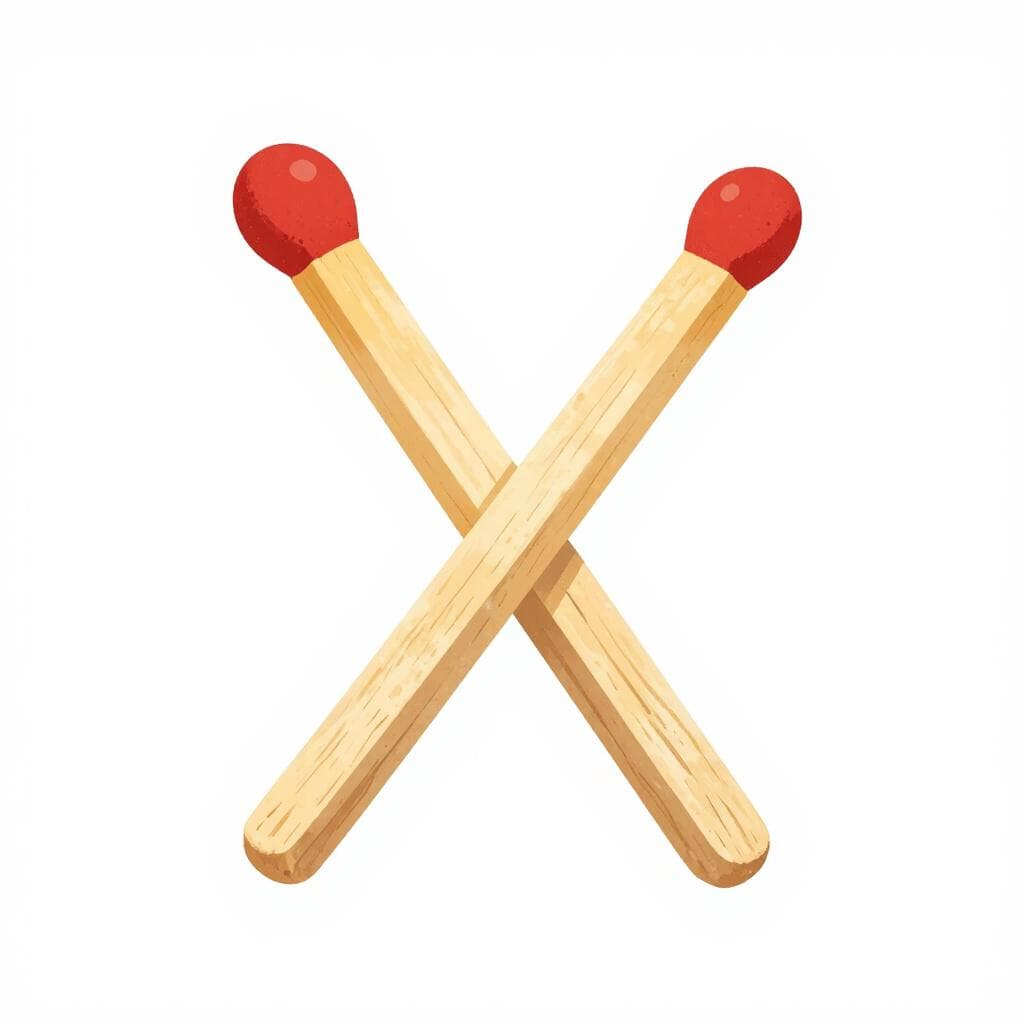
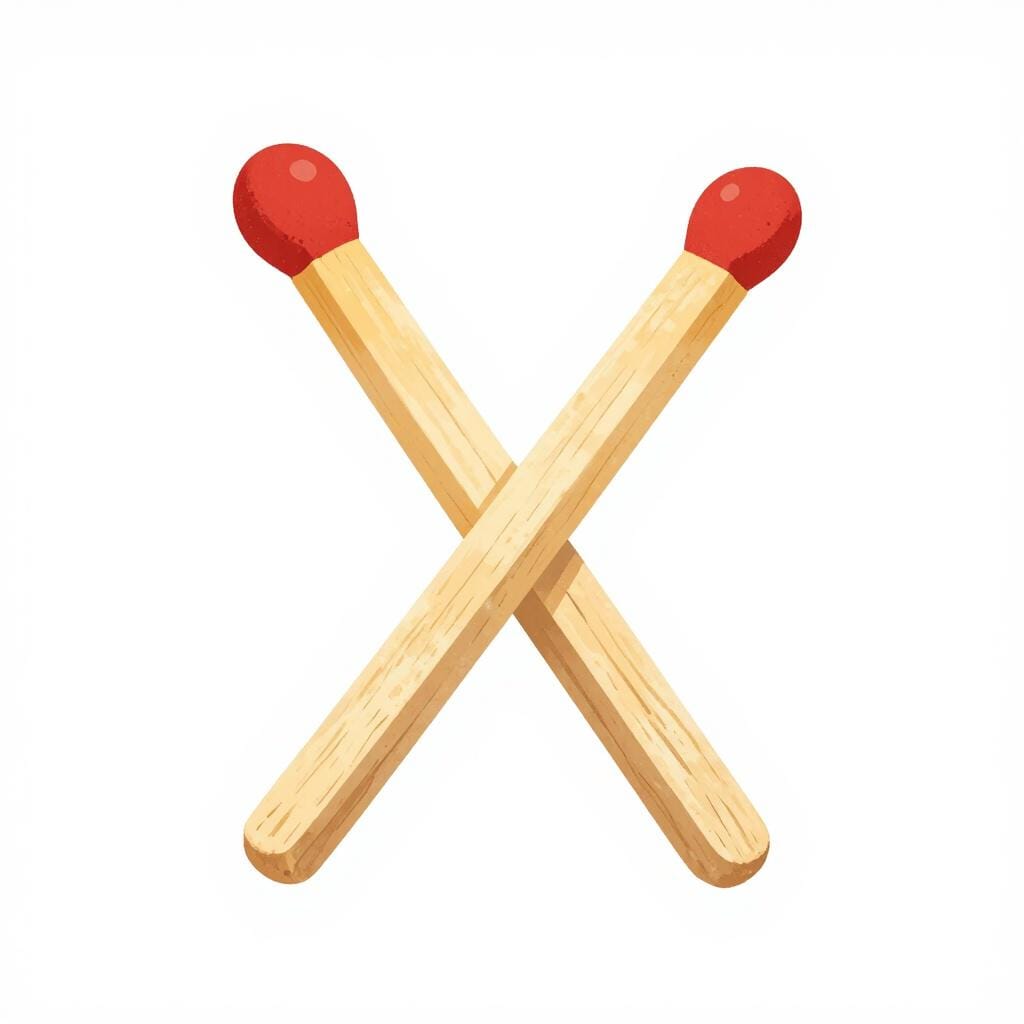
cerilla
seh-ree-yahθeˈɾiʎa
Examples
¿Tienes una cerilla para encender la vela?
Do you have a match to light the candle?
Guardó las cerillas en un lugar seco para que no se estropearan.
He kept the matches in a dry place so they wouldn't get ruined.
Raspa la cerilla contra la caja con cuidado.
Strike the match against the box carefully.
Always Feminine
Even though it refers to an object, 'cerilla' is always feminine. You must use 'la' or 'una' with it.
Easy Plural
To talk about more than one, just add an 's' to the end: 'las cerillas'.
Using the wrong word in Latin America
Mistake: “Using 'cerilla' in a Mexican supermarket to ask for matches.”
Correction: Use 'fósforo' instead. While they will understand 'cerilla', it sounds very European to them.
fósforo
Examples
¿Tienes un fósforo para encender la vela?
Do you have a match to light the candle?
encuentro
en-KWEN-troenˈkwentɾo

Examples
Tengo un encuentro con mi jefe a las diez.
I have a meeting with my boss at ten.
Fue un encuentro casual en el supermercado.
It was a chance encounter at the supermarket.
El encuentro de fútbol fue muy emocionante.
The soccer match was very exciting.
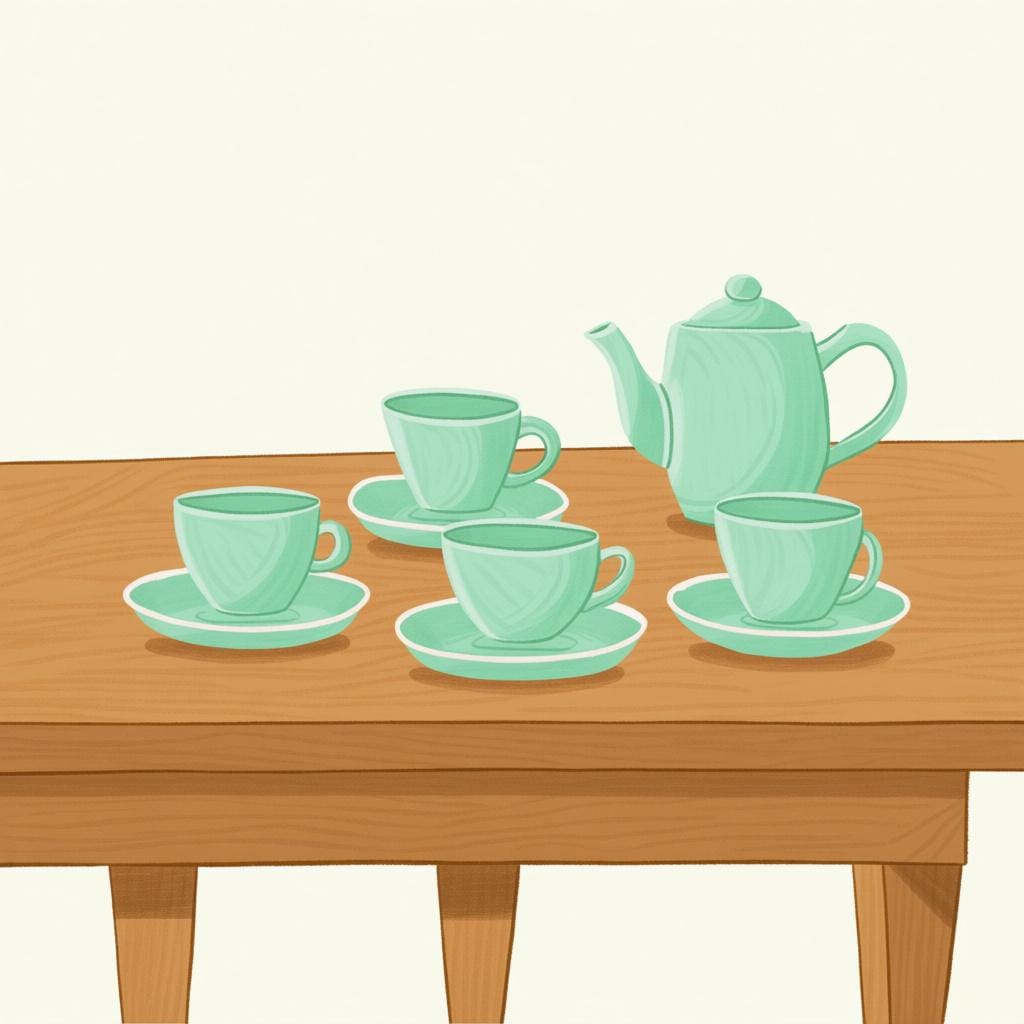
juego
khweh-goˈxweɣo
Examples
Necesito un nuevo juego de llaves.
I need a new set of keys.
El sofá viene con un juego de cojines.
The sofa comes with a set of cushions.
Este collar hace juego con tus aretes.
This necklace matches your earrings.
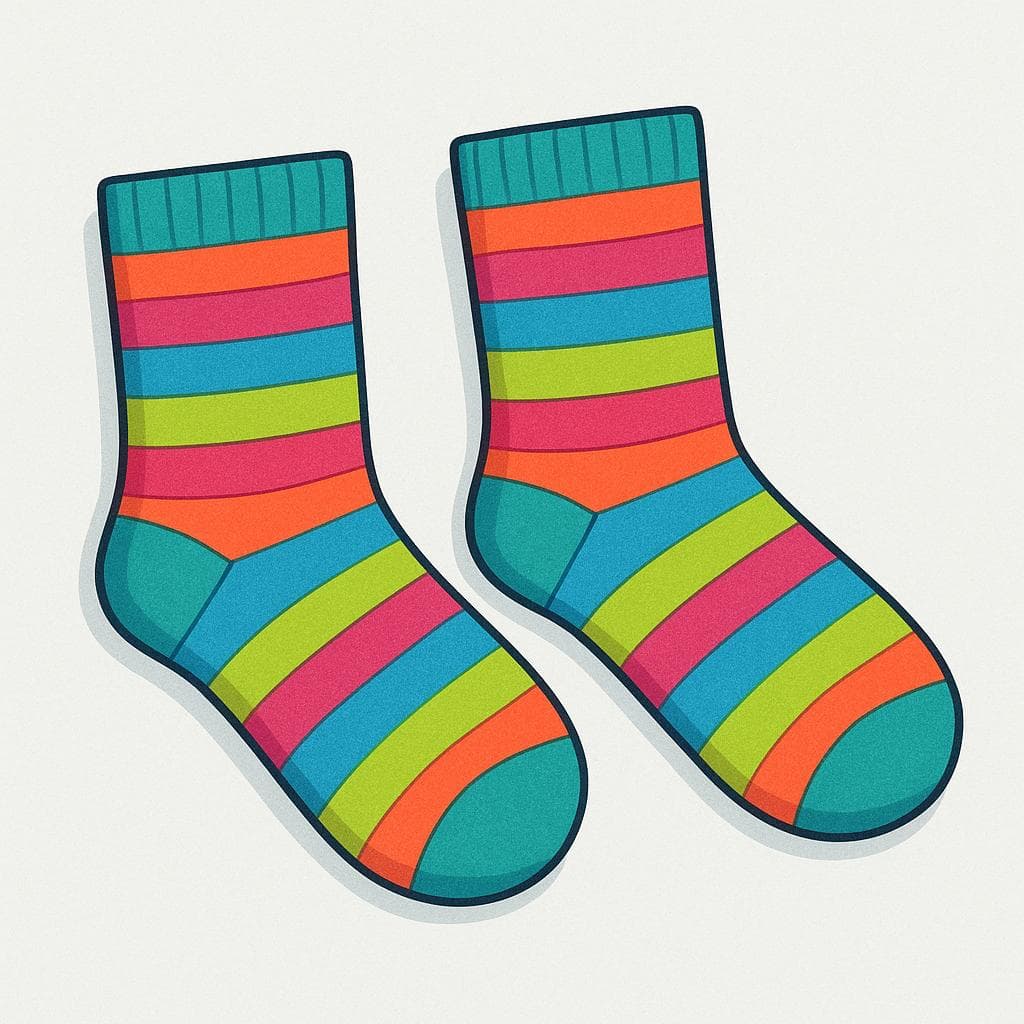
pareja
pah-REH-hahpaˈɾe.xa
Examples
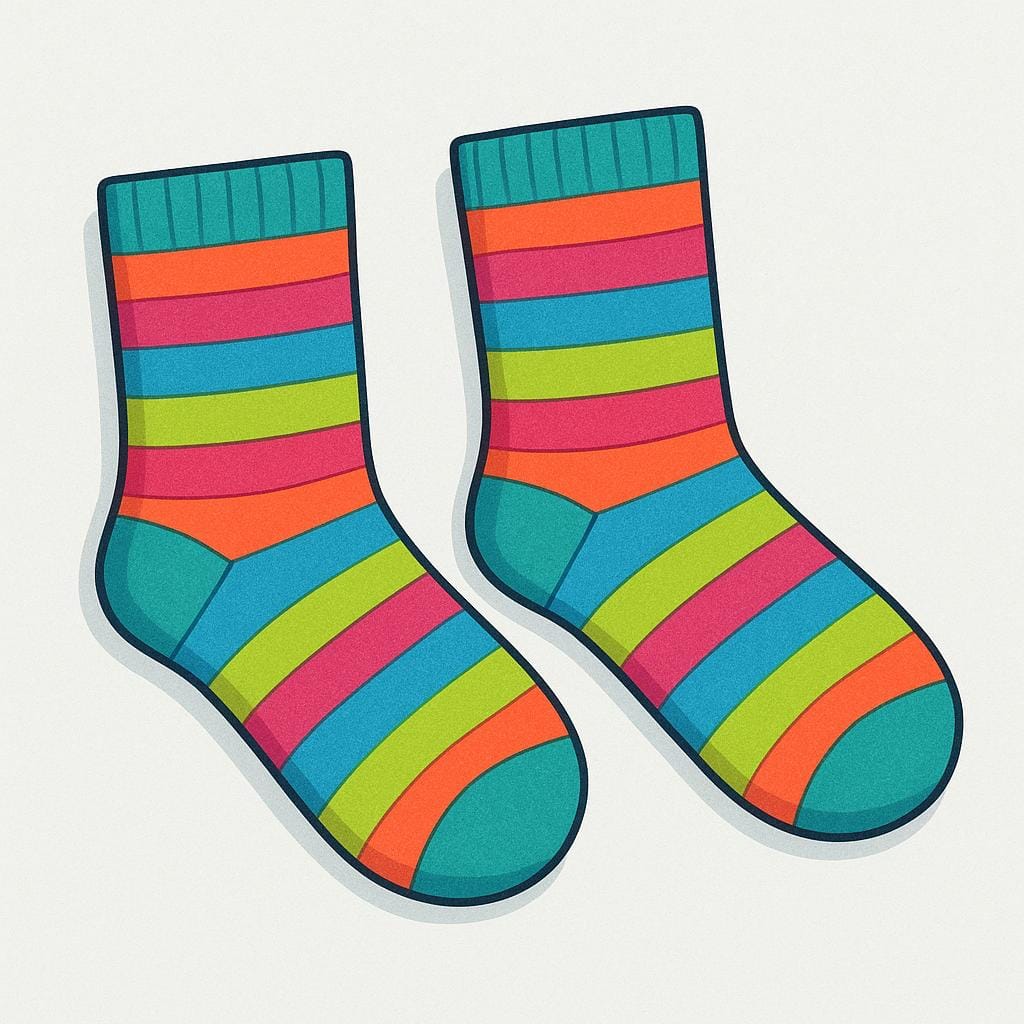
No encuentro la otra pareja del calcetín.
I can't find the other sock (of the pair).
Formaremos parejas para el ejercicio.
We will form pairs for the exercise.
Pareja vs. Par
Both mean 'pair'. 'Par' (masculine) is generally used when talking about exact quantities (e.g., three pairs of shoes: 'tres pares de zapatos'). 'Pareja' (feminine) is often used when emphasizing the match or coupling (e.g., dance partners, or a specific matching item).
Using 'Pareja' for Even Numbers
Mistake: “Este número es pareja.”
Correction: Use 'par' for the adjective 'even': 'Este número es par.' ('This number is even.')
competición
Examples
La competición de natación será mañana por la mañana.
The swimming competition will be tomorrow morning.
enfrentamiento
en-fren-tah-myen-toheɱfɾentaˈmjento

Examples
El próximo enfrentamiento será en el estadio nacional.
The next match will be at the national stadium.
Es un enfrentamiento histórico entre estos dos equipos.
It is a historic match-up between these two teams.
Todos esperan el gran enfrentamiento de la final.
Everyone is waiting for the great showdown of the final.
Using it as a Subject
In sports headlines, this word usually comes first to describe the event, like 'Enfrentamiento épico en Madrid'.
Gender Error
Mistake: “La enfrentamiento.”
Correction: Always use 'el' because words ending in '-miento' are almost always masculine.
correspondencia
koh-rrehs-pohn-DEHN-syahkoresponˈdensja

Examples
No hay correspondencia entre lo que dice y lo que hace.
There is no consistency between what he says and what he does.
La correspondencia de sus sentimientos era evidente para todos.
The mutual nature of their feelings was obvious to everyone.
En este ejercicio, busca la correspondencia entre la imagen y la palabra.
In this exercise, look for the match between the image and the word.
Connecting Ideas
When saying something matches 'with' something else, always use the preposition 'con'.
Using 'a' instead of 'con'
Mistake: “La correspondencia a los hechos.”
Correction: La correspondencia con los hechos. In Spanish, we use 'con' (with) to show the relationship between two matched things.
Sports Matches vs. Fire Matches
Related Translations
Learn Spanish with Inklingo
Interactive stories, personalized learning, and more.