How to Say "wall" in Spanish
The most common Spanish word for “wall” is “pared” — use 'pared' for an interior wall that divides rooms or spaces within a building.

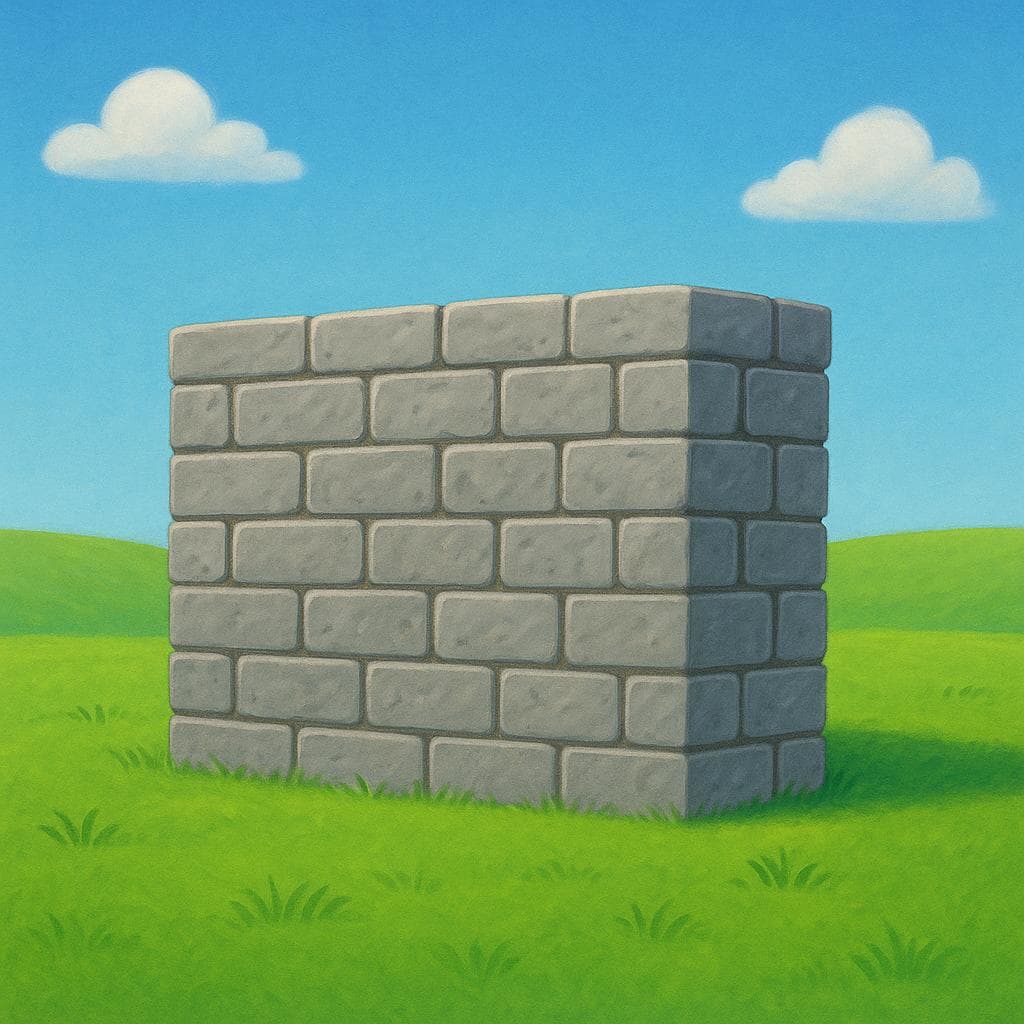
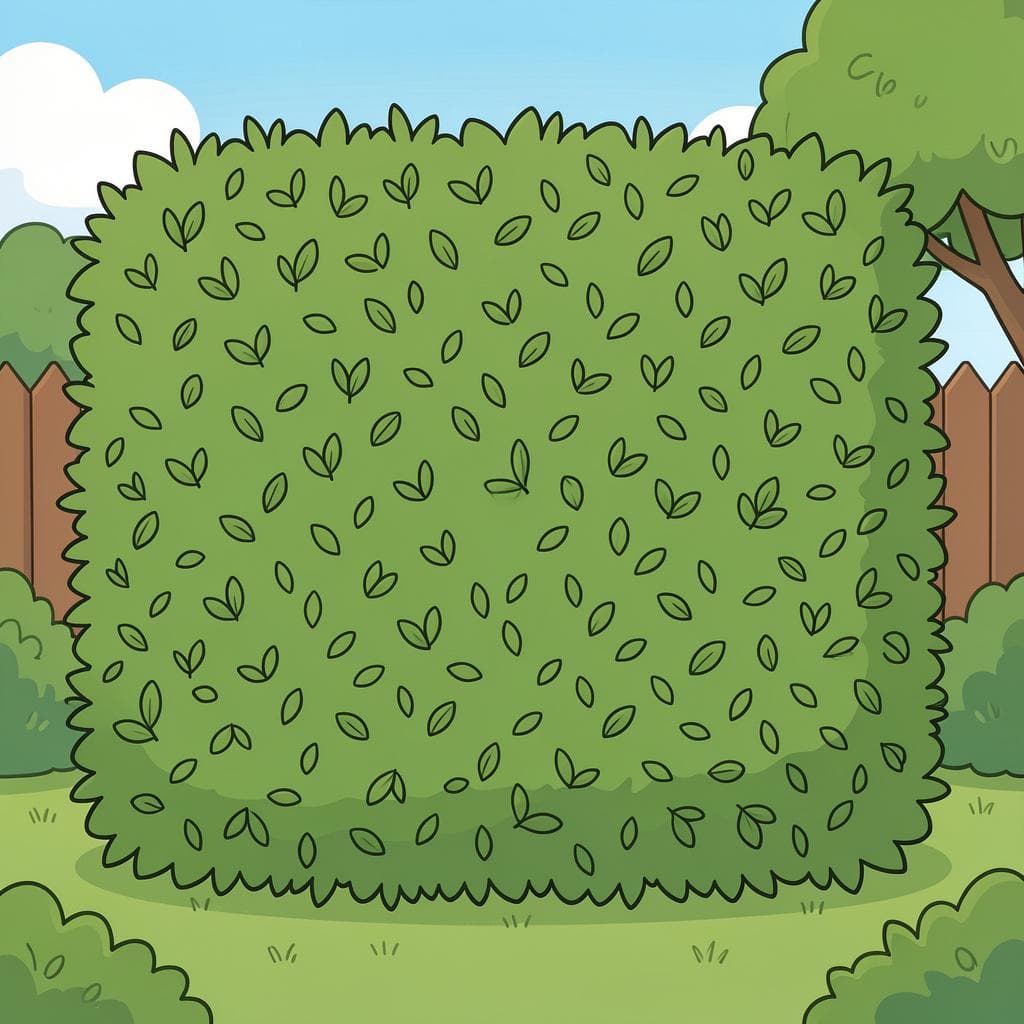
pared
pah-REDpaˈɾeð

Examples
La casa tiene tres habitaciones y una pared que las separa.
The house has three rooms and a wall that separates them.
Pintamos la pared de la sala de un color claro.
We painted the living room wall a light color.
Hay que mover el mueble para que no toque la pared.
We have to move the furniture so that it doesn't touch the wall.
Cuando golpeó el balón, rebotó contra la pared.
When he hit the ball, it bounced off the wall.
Feminine Noun
Remember that 'pared' is a feminine word, even though it doesn't end in '-a'. You must use feminine words before it, like 'la' (the) or 'una' (a), as in 'la pared'.
Confusing Pared and Muro
Mistake: “Using 'el pared' or 'el muro' interchangeably for interior walls.”
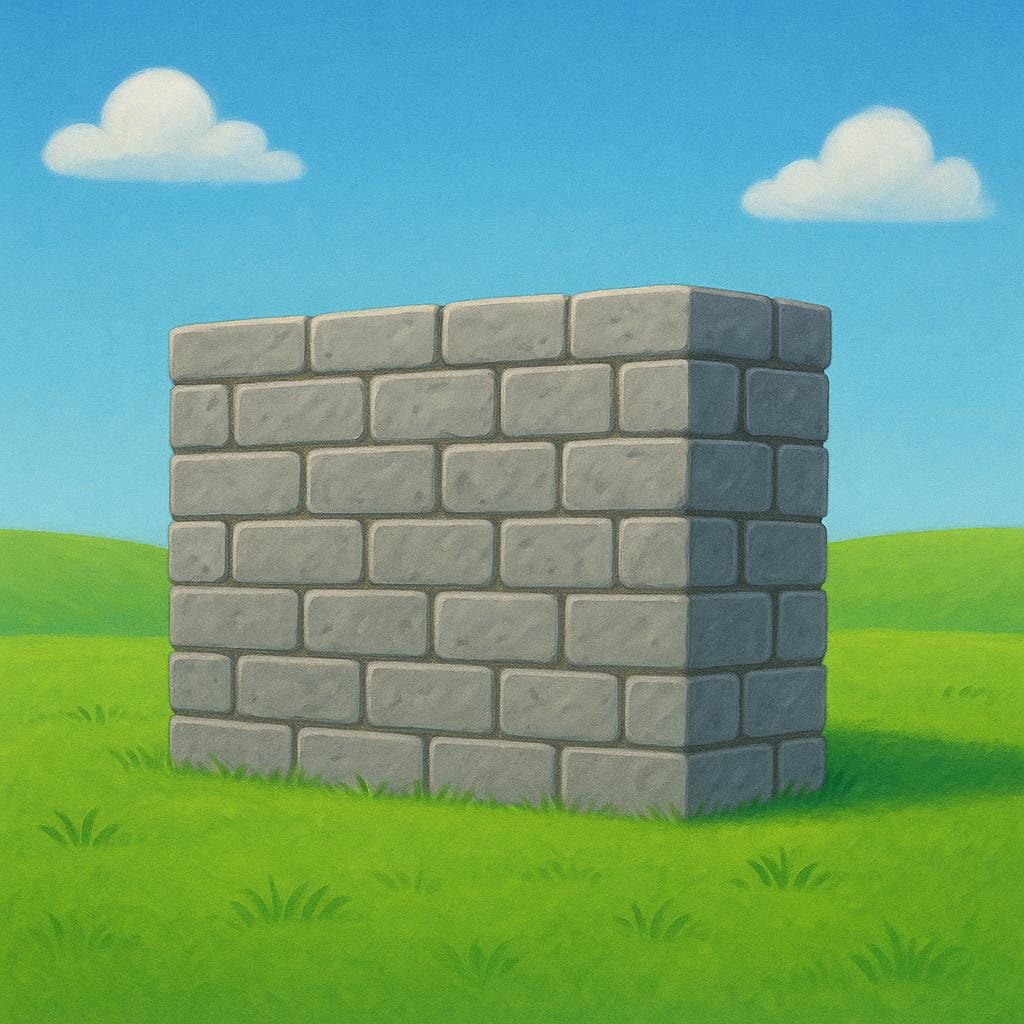
Correction: 'Pared' (feminine, la pared) is the usual word for interior walls. 'Muro' (masculine, el muro) is often reserved for thicker, exterior walls, fences, or fortifications.
muro
MOO-rohˈmu.ɾo
Examples
El muro de contención evita que la tierra se deslice ladera abajo.
The retaining wall prevents the earth from sliding down the slope.
El muro del jardín es muy alto y de piedra.
The garden wall is very high and made of stone.
Tuvieron que construir un muro de contención para evitar el deslizamiento de tierra.
They had to build a retaining wall to prevent the landslide.
Gender Reminder
Remember that 'muro' is a masculine noun, so use 'el' (the) and masculine adjectives with it: 'el muro blanco' (the white wall).
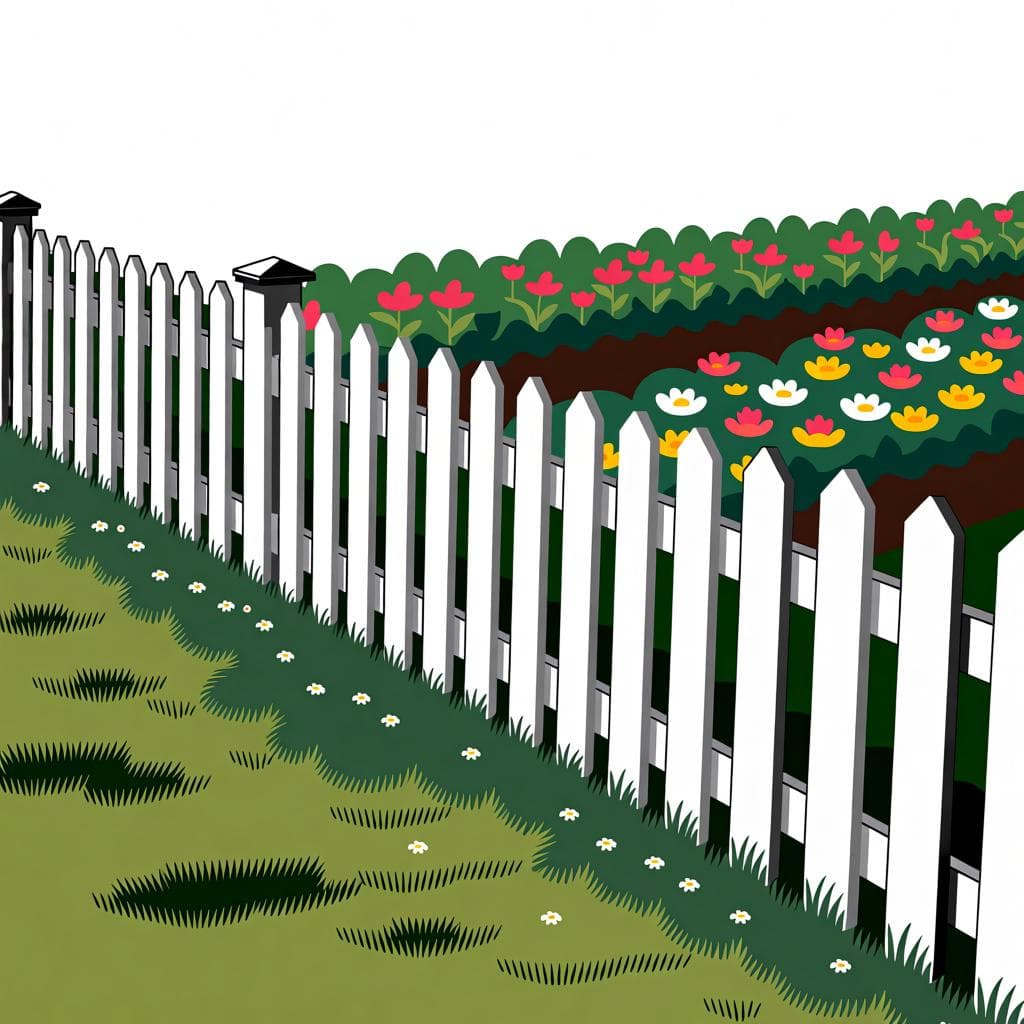
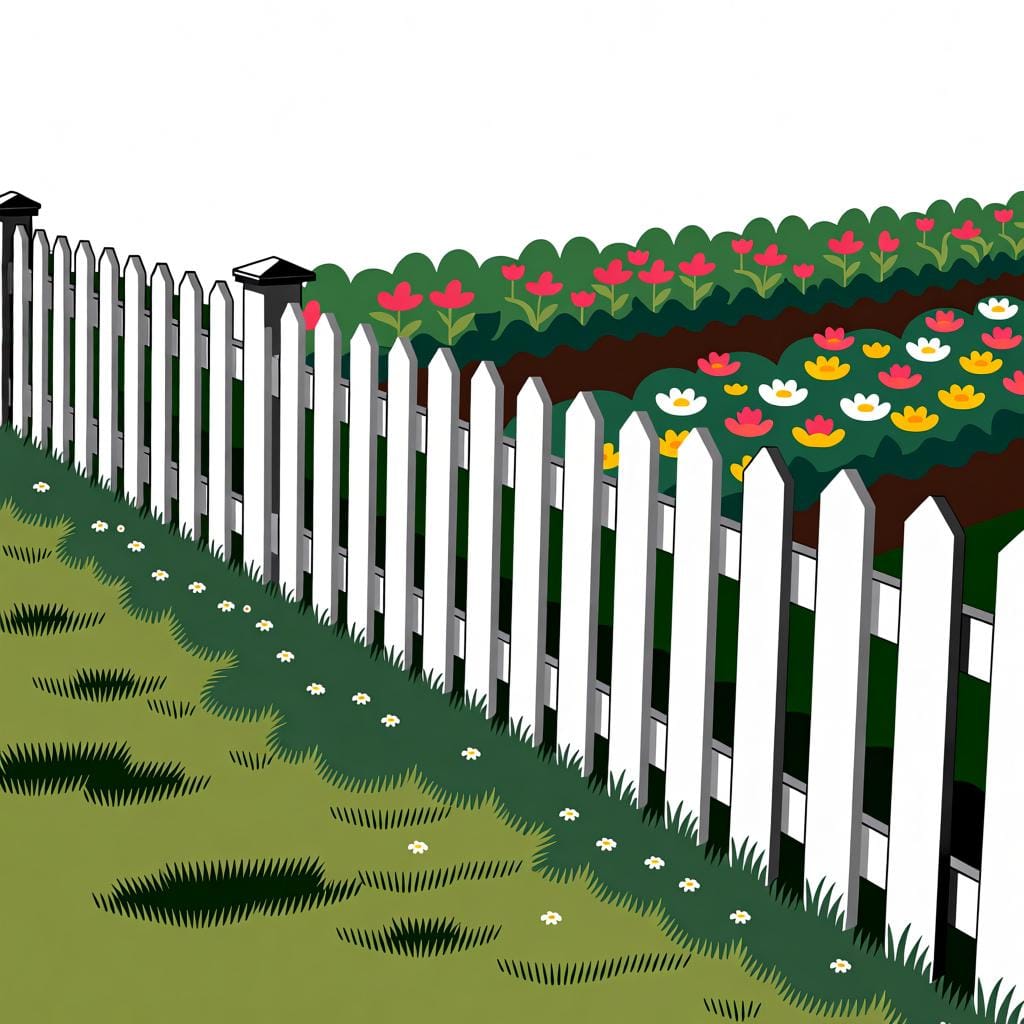
cerca
SER-kaˈseɾ.ka
Examples
Construyeron una cerca alrededor de la piscina para mayor seguridad.
They built a fence around the pool for added safety.
El perro saltó la cerca del jardín.
The dog jumped the garden fence.
Necesitamos reparar la cerca de madera.
We need to repair the wooden fence.
Construyeron una cerca alta alrededor de la propiedad.
They built a high fence around the property.
cortina
kor-TEE-nahkoɾˈtina
Examples
Una cortina de niebla cubría el valle por la mañana.
A wall of fog covered the valley in the morning.
Una cortina de humo ocultó los planes del gobierno.
A smoke screen hid the government's plans.
A lo lejos se veía una cortina de lluvia.
In the distance, a curtain of rain could be seen.
Using 'De' for Description
To describe what the 'screen' is made of (like smoke or rain), simply add 'de' followed by the substance.
Interior vs. Exterior Walls
Learn Spanish with Inklingo
Interactive stories, personalized learning, and more.