How to Say "hook" in Spanish
The most common Spanish word for “hook” is “gancho” — use 'gancho' for any curved object used to catch or hold things, like a coat hook, or metaphorically for appeal or a punch.
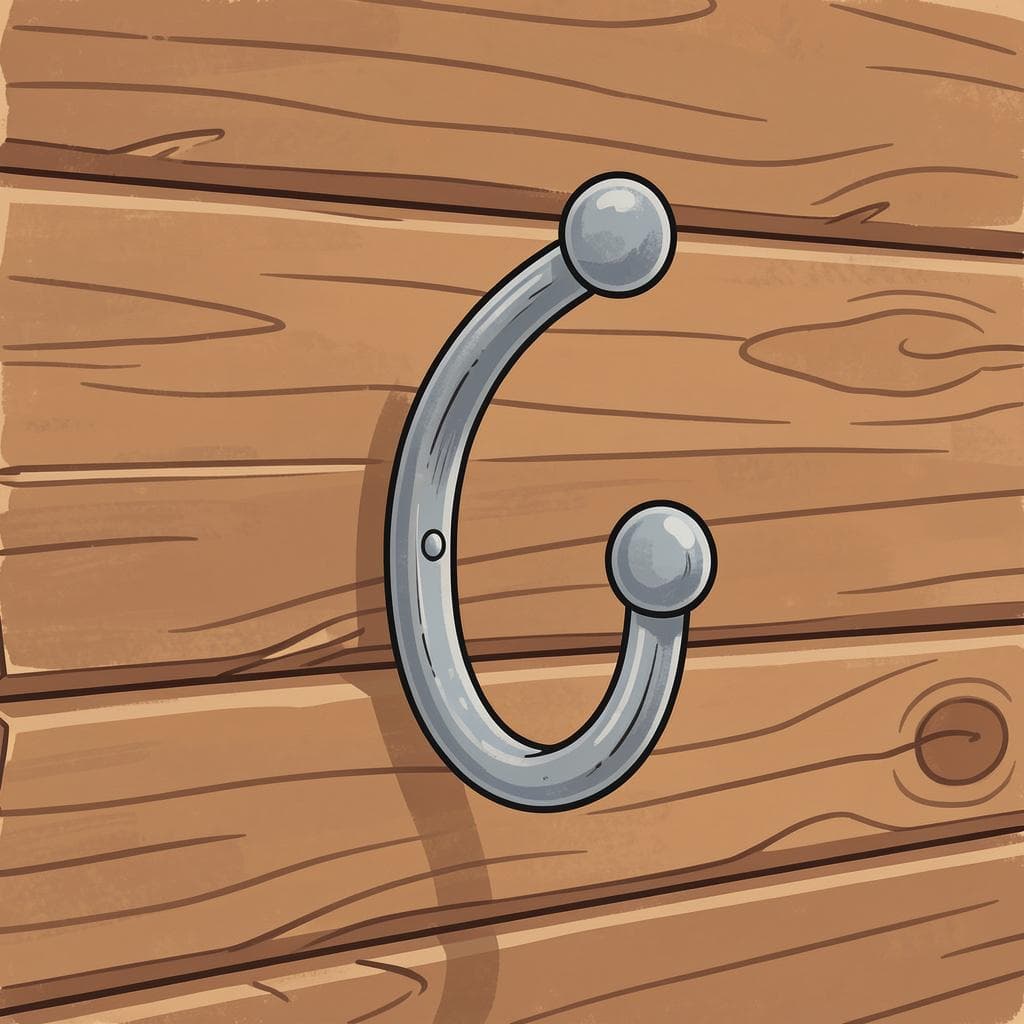

gancho
GAHN-choˈɡantʃo
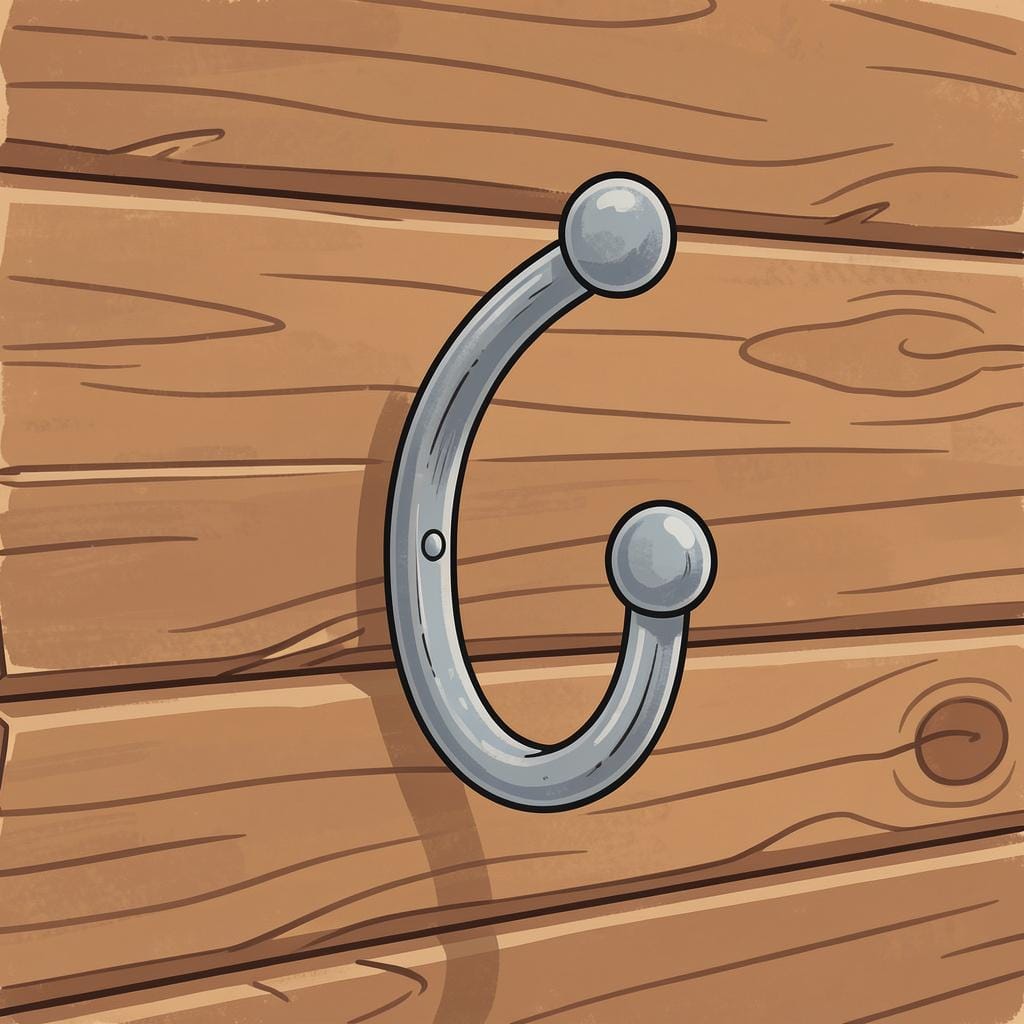
Examples
Cuelga tu chaqueta en el gancho detrás de la puerta.
Hang your jacket on the hook behind the door.
¿Tienes un gancho para colgar este vestido?
Do you have a hanger to hang this dress?
Ese anuncio no tiene mucho gancho.
That advertisement doesn't have much of a hook (appeal).
El boxeador ganó la pelea con un gancho al hígado.
The boxer won the fight with a hook to the liver.
A standard 'O' noun
Since it ends in -o, it is a masculine naming word. Use 'el' or 'un' with it.
Abstract Use
When used for 'appeal,' it works just like 'charm' in English. You can say someone or something 'has' it (tiene gancho).
Hanger vs. Hook
Mistake: “Using 'percha' in Mexico to mean a hook.”
Correction: While 'percha' is common in Spain for a hanger, many Latin American countries prefer 'gancho' for both a wall hook and a clothes hanger.
anzuelo
an-ZWEH-lohanˈθwelo

Examples
Puse un trozo de pan en el anzuelo para pescar.
I put a piece of bread on the fishing hook to fish.
Ten cuidado, el anzuelo está muy afilado.
Be careful, the hook is very sharp.
Se me olvidó comprar anzuelos para la excursión.
I forgot to buy hooks for the trip.
Always Masculine
Even though it ends in -o, remember that it's a masculine noun. You must always use 'el' or 'un' with it: 'el anzuelo'.
Describing the Hook
Since the word is masculine, any word you use to describe it must also be masculine. For example: 'anzuelo pequeño' (small hook).
Using 'gancho' for fishing
Mistake: “Voy a comprar un gancho para pescar.”
Correction: Voy a comprar un anzuelo para pescar.
Gancho vs. Anzuelo
Learn Spanish with Inklingo
Interactive stories, personalized learning, and more.