How to Say "trap" in Spanish
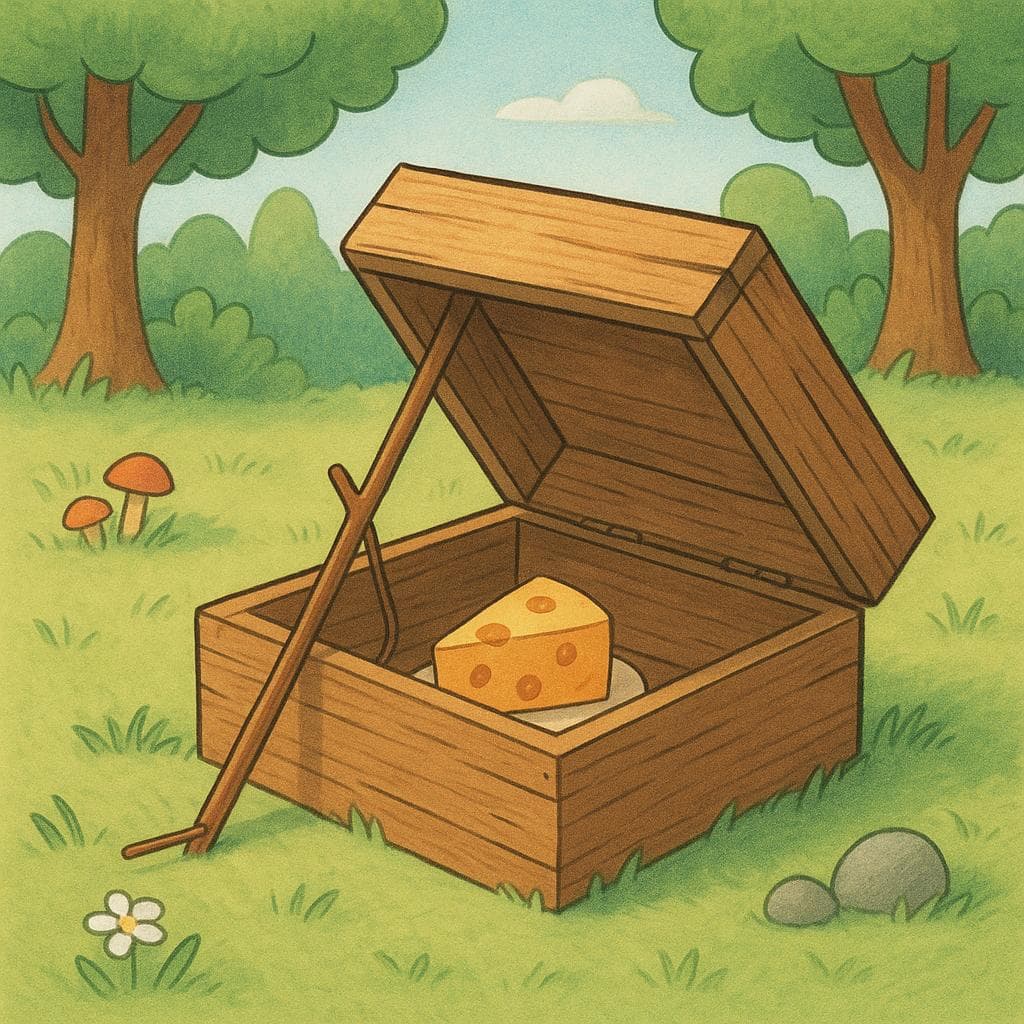
The most common Spanish word for “trap” is “trampa” — use this word for a physical device designed to catch something, like an animal or insect, or for a general trick or scheme.





trampa
tram-paˈtɾampa
Examples
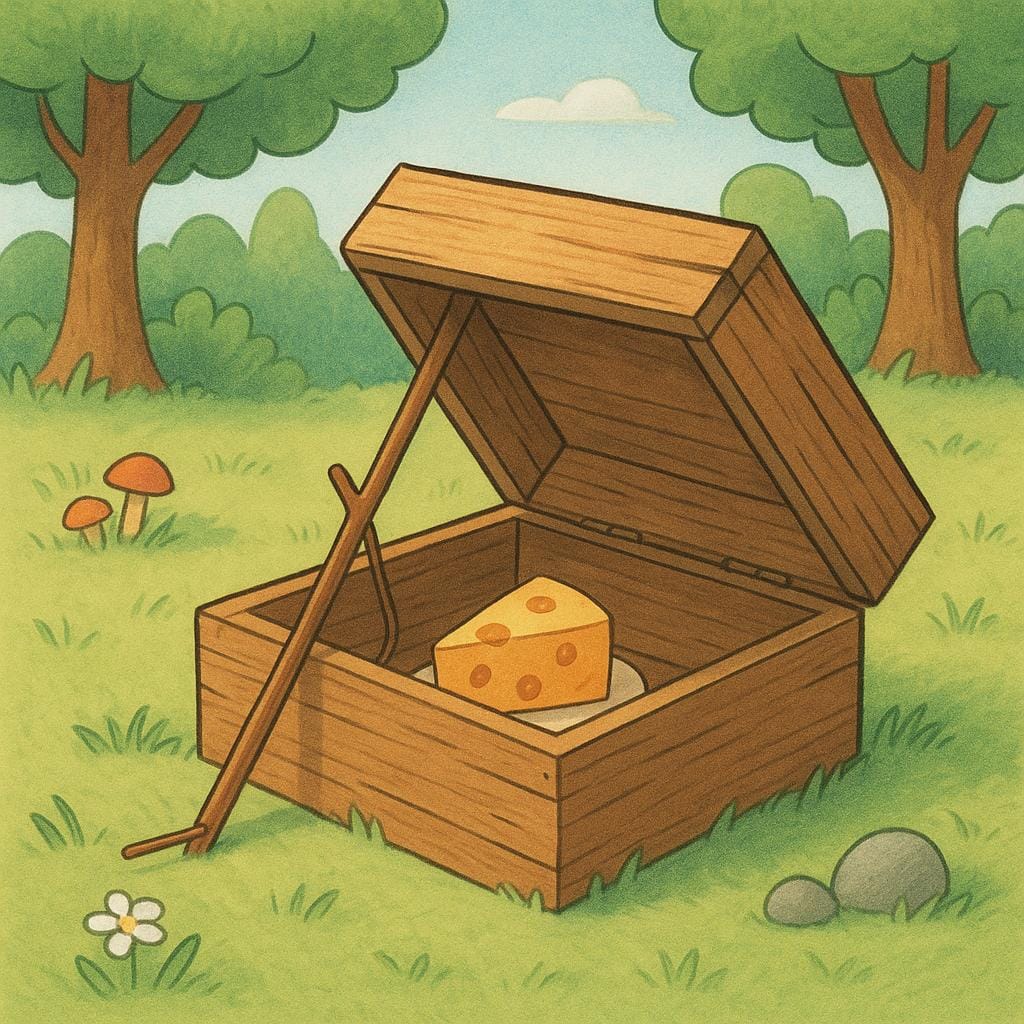
Pusimos una trampa para ratones en la cocina.
We put a mousetrap in the kitchen.
Ten cuidado, esa zona está llena de trampas naturales.
Be careful, that area is full of natural traps (pitfalls).
atrapar
a-tra-para.tɾaˈpaɾ

Examples
Los periodistas intentaron atrapar al político con una pregunta difícil.
The journalists tried to corner the politician with a difficult question.
La policía atrapó al ladrón justo cuando intentaba escapar.
The police trapped the thief just as he was trying to escape.
Lo atrapamos en una contradicción, ¡así supimos que mentía!
We caught him out in a contradiction, that's how we knew he was lying!
anzuelo
an-ZWEH-lohanˈθwelo

Examples
Ese descuento es solo un anzuelo para que entres a la tienda.
That discount is just bait to get you into the store.
No caigas en su anzuelo; te está mintiendo.
Don't fall for his trap; he is lying to you.
Ella usó el ascenso como anzuelo para que él trabajara más.
She used the promotion as a lure to make him work harder.
Using 'como' for comparisons
When saying something is 'like bait,' we often say 'sirve como anzuelo' (it serves as bait).
Thinking it only means fishing
Mistake: “I only use 'anzuelo' when I go to the river.”
Correction: You can use 'anzuelo' anytime someone is trying to trick or tempt you!
emboscada
em-bos-KAH-dahem-bosˈkaða

Examples
Los soldados cayeron en una emboscada en el bosque.
The soldiers fell into an ambush in the forest.
La policía preparó una emboscada para atrapar al ladrón.
The police set a trap to catch the thief.
Siento que esta reunión fue una emboscada para criticar mi trabajo.
I feel like this meeting was a setup to criticize my work.
Always Feminine
This word is always feminine, so you must use 'la' or 'una' before it, regardless of who is being ambushed.
Emboscada vs. Trampa
Mistake: “Using 'emboscada' for a mouse trap.”
Correction: Use 'trampa' for mechanical devices. Use 'emboscada' for situations where people are hiding to surprise someone.
jaula
HAH-oo-lahˈxaula

Examples
Siente que su trabajo es una jaula de la que no puede escapar.
She feels her job is a cage (a trap) from which she cannot escape.
El coche de carreras tenía una jaula antivuelco para la seguridad del piloto.
The race car had a roll cage for the driver's safety.
encerrada
en-seh-RAH-dahenθeˈraða
Examples
Mis amigos me hicieron una encerrada para que hablara con mi ex.
My friends set a trap for me so I would talk to my ex.
Using 'Hacer'
When this word is a noun meaning 'a setup,' it is almost always used with the verb 'hacer' (to make/to do).
cárcel
Examples
Para ella, su matrimonio se había convertido en una cárcel.
For her, her marriage had become a prison.
pico
PEE-kohˈpiko

Examples
¡Cierra el pico y escúchame!
Shut your mouth and listen to me!
Le dio un pico a su novia antes de irse.
He gave his girlfriend a quick kiss before leaving.
Formal vs. Informal
Mistake: “Using 'pico' in a formal presentation when referring to a person's mouth.”
Correction: Use 'boca' instead. 'Pico' carries an informal or slightly rude tone when talking about a person.
Trampa vs. Anzuelo
Learn Spanish with Inklingo
Interactive stories, personalized learning, and more.