How to Say "snare" in Spanish
The most common Spanish word for “snare” is “atrapar” — use 'atrapar' when referring to the act of catching or trapping an animal or person, often with the implication of success.

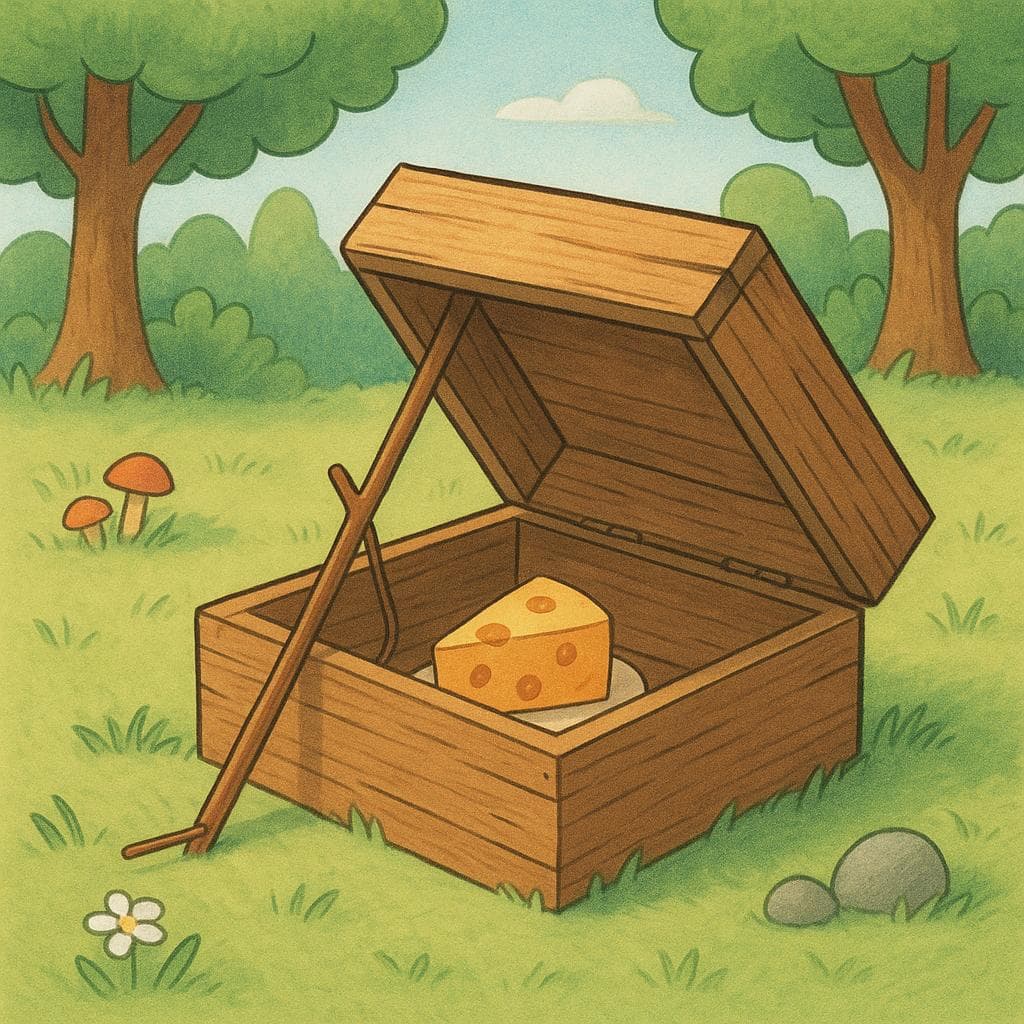

atrapar
a-tra-para.tɾaˈpaɾ

Examples
El jardinero logró atrapar a la ardilla en la jaula.
The gardener managed to catch the squirrel in the cage.
Tienes que saltar muy alto para atrapar esa pelota.
You have to jump very high to catch that ball.
Direct Object
The thing being caught (the direct object) often follows the verb directly: 'atrapar la pelota' (catch the ball).
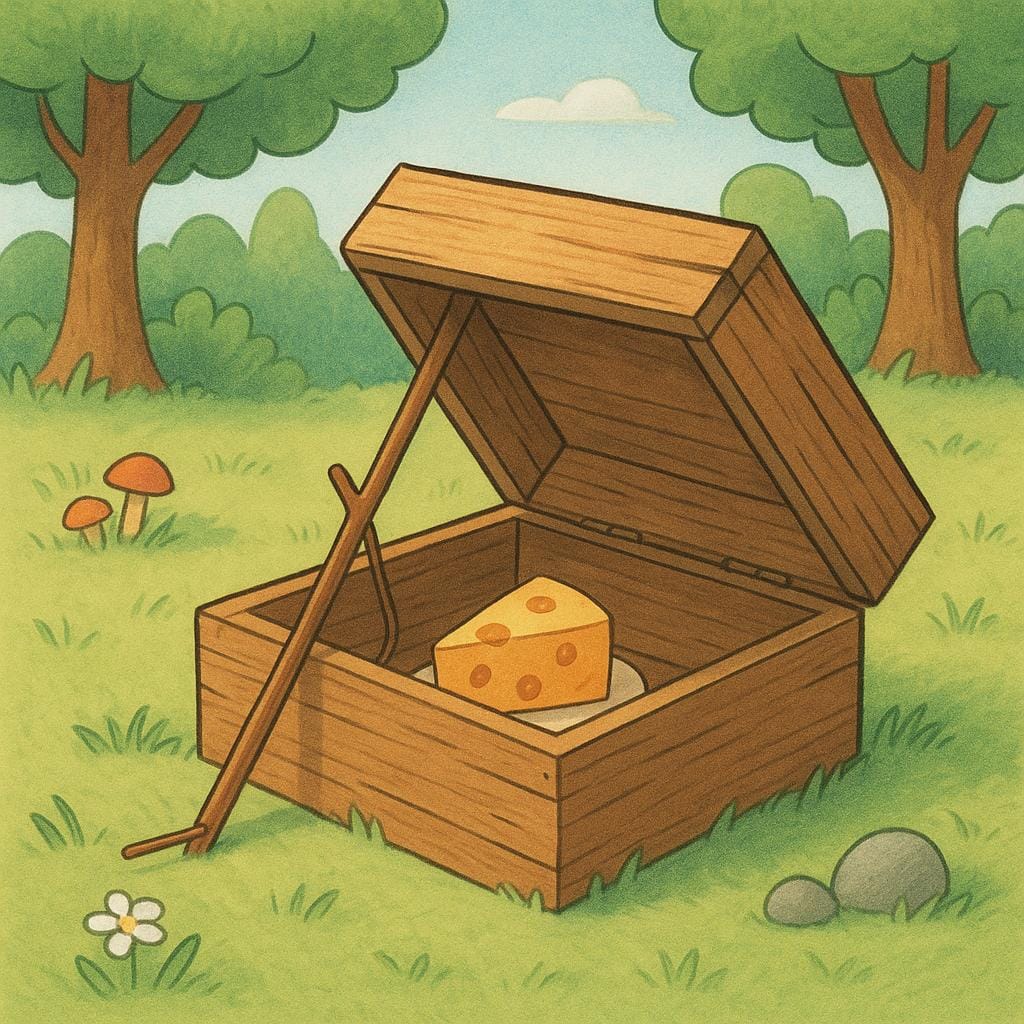
trampa
tram-paˈtɾampa
Examples
Pusimos una trampa para ratones en la cocina.
We put a mousetrap in the kitchen.
Ten cuidado, esa zona está llena de trampas naturales.
Be careful, that area is full of natural traps (pitfalls).
lazo
LAH-sohˈlaso

Examples
El vaquero lanzó el lazo para atrapar al ternero.
The cowboy threw the lasso to catch the calf.
Action vs. Device
Learn Spanish with Inklingo
Interactive stories, personalized learning, and more.