How to Say "cheat" in Spanish
The most common Spanish word for “cheat” is “trampa” — use 'trampa' when referring to the act of deceiving someone or breaking rules, especially in games, exams, or relationships.
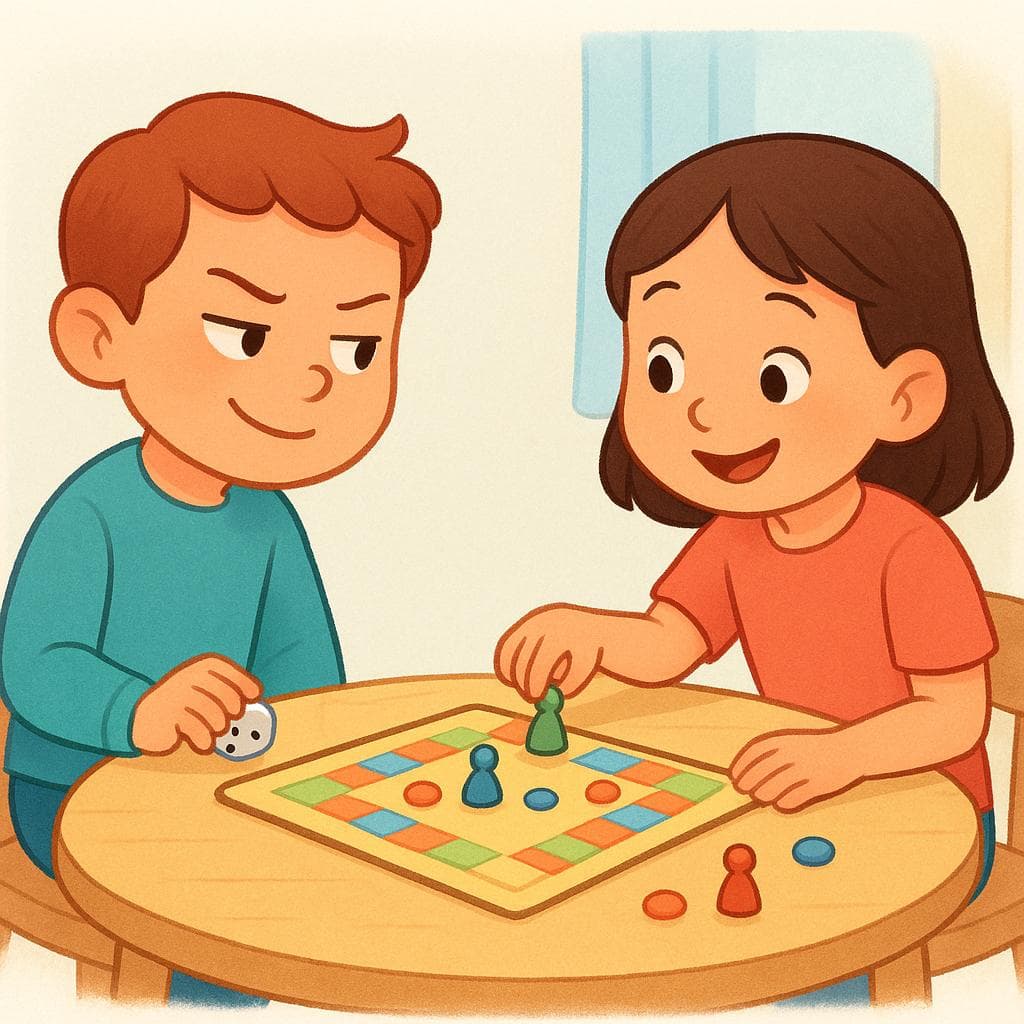
trampa
tram-paˈtɾampa
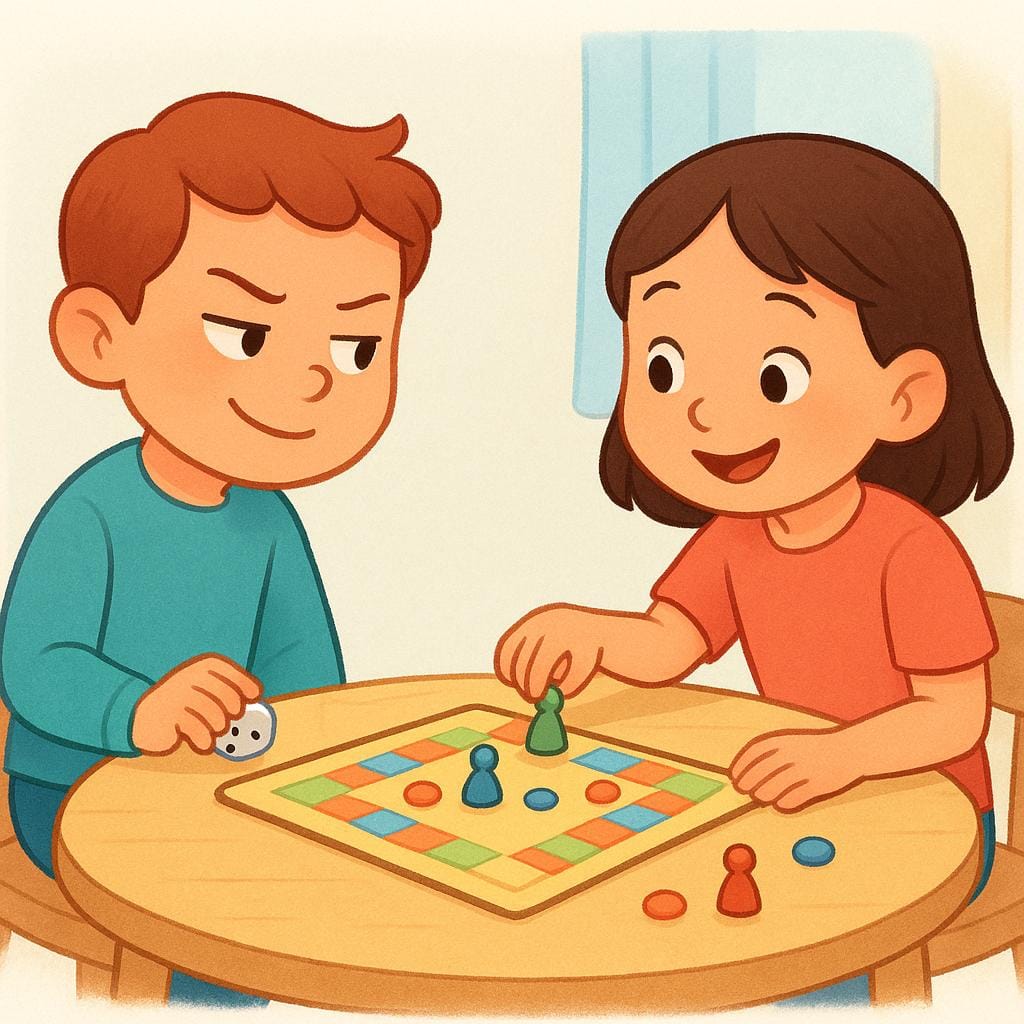
Examples
Hacer trampa en el examen es inaceptable.
Cheating on the exam is unacceptable.
¡Me hiciste trampa! El juego no funciona así.
You tricked me! The game doesn't work that way.
La oferta era una trampa para que firmáramos el contrato.
The offer was a trick (a setup) to make us sign the contract.
Using the Verb 'Hacer'
To express the action 'to cheat' in Spanish, we usually use the verb 'hacer' (to make/do): 'hacer trampa'. You almost never use the verb 'cheatear'.
Mixing up the Noun and Verb
Mistake: “Yo trampo.”
Correction: Yo hago trampa. ('Trampa' is the noun, 'hacer' is the verb needed for the action.)
ladrón
Examples
Esa aplicación es un ladrón de datos; consume toda mi batería.
That app is a data drain; it consumes all my battery.
Act vs. Overpriced Item
Learn Spanish with Inklingo
Interactive stories, personalized learning, and more.