How to Say "hatch" in Spanish
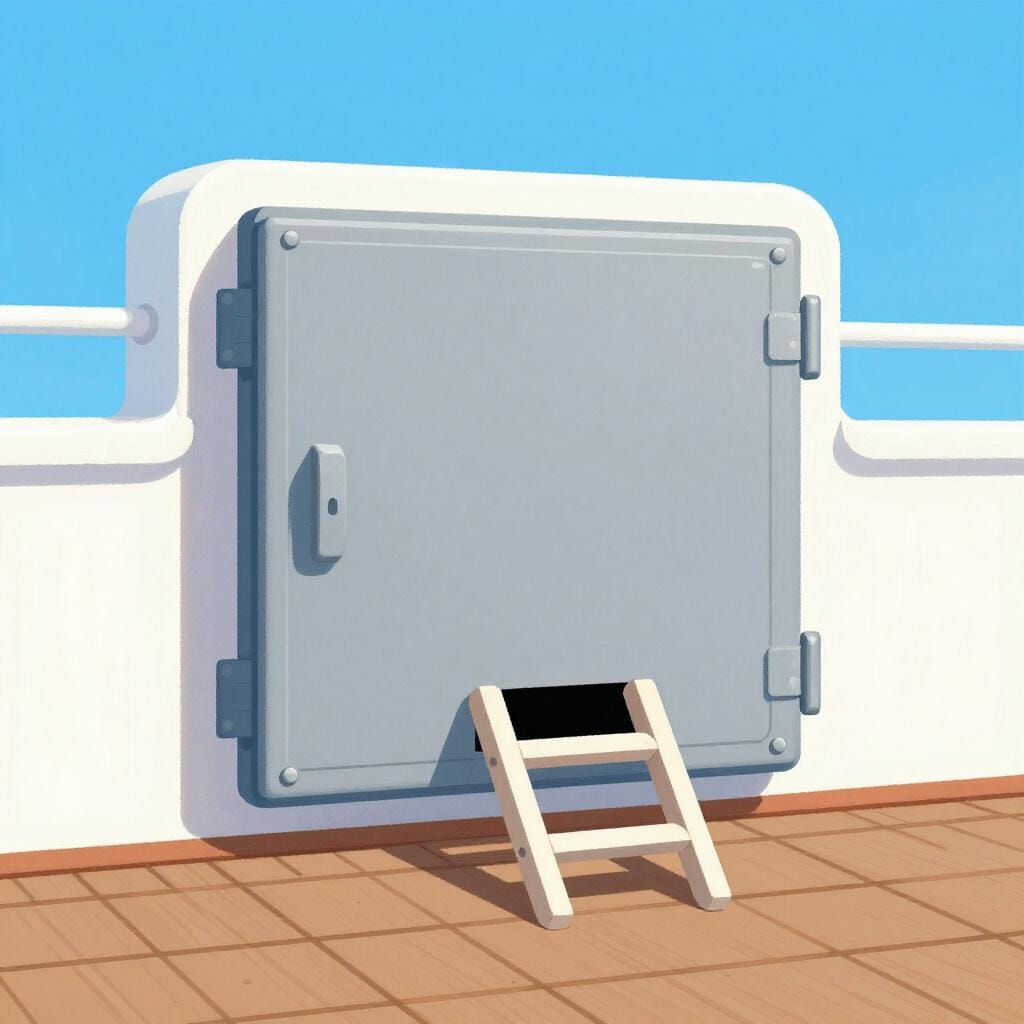
The most common Spanish word for “hatch” is “escotilla” — use 'escotilla' for a physical opening, typically found in the floor, deck, or roof of a ship or aircraft.
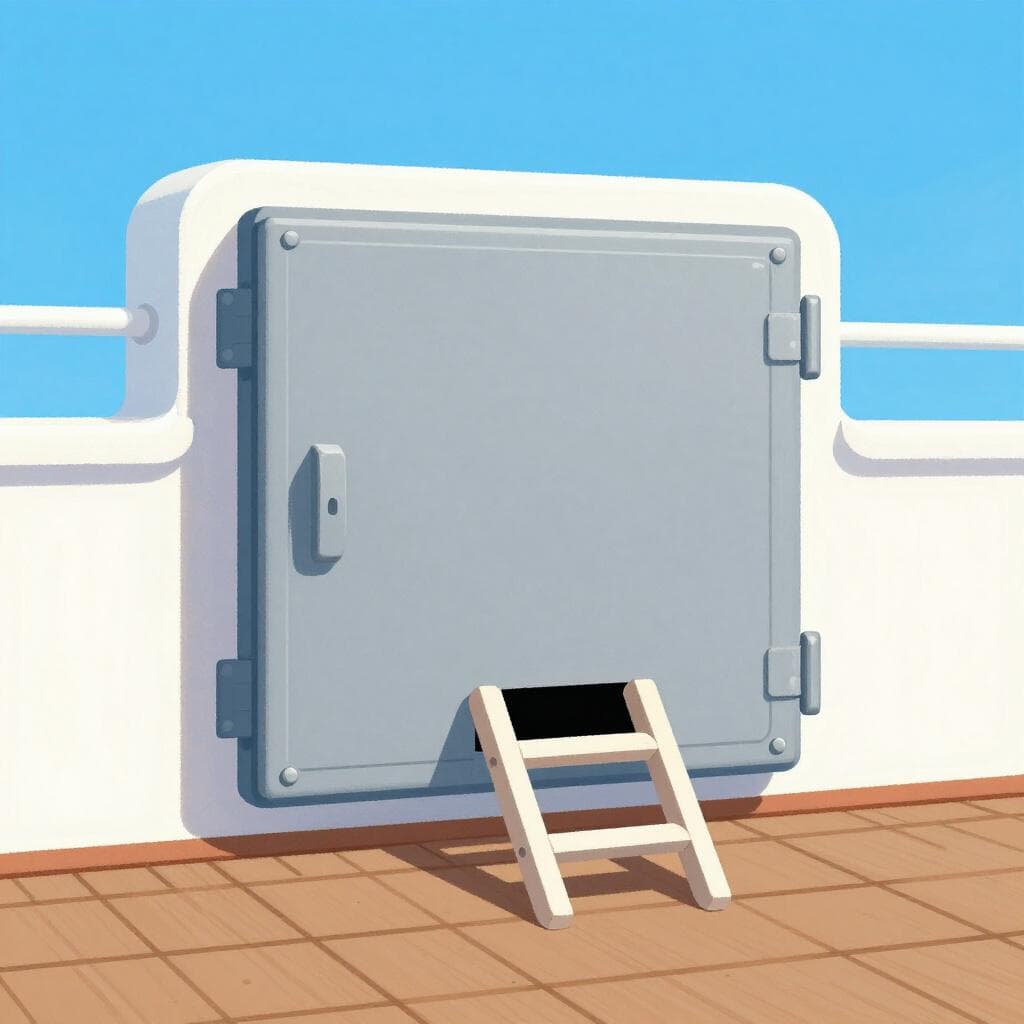
escotilla
es-ko-tee-yaeskoˈtiʝa
Examples
La escotilla del avión estaba abierta.
The airplane's hatch was open.
Cierra la escotilla antes de que empiece la tormenta.
Close the hatch before the storm starts.
El astronauta salió al espacio por la escotilla principal.
The astronaut went out into space through the main hatch.
Buscamos una escotilla de escape en el barco hundido.
We looked for an escape hatch in the sunken ship.
Gender Identification
Since it ends in -a, 'escotilla' is a feminine noun. You should always use 'la' or 'una' with it.
Pluralization
To make it plural, just add an -s: 'las escotillas'.
Using the wrong word for doors
Mistake: “Using 'puerta' for a hatch on a submarine.”
Correction: Use 'escotilla'. While a 'puerta' is a vertical door you walk through, an 'escotilla' is usually a sealable opening in a floor, ceiling, or technical vehicle.
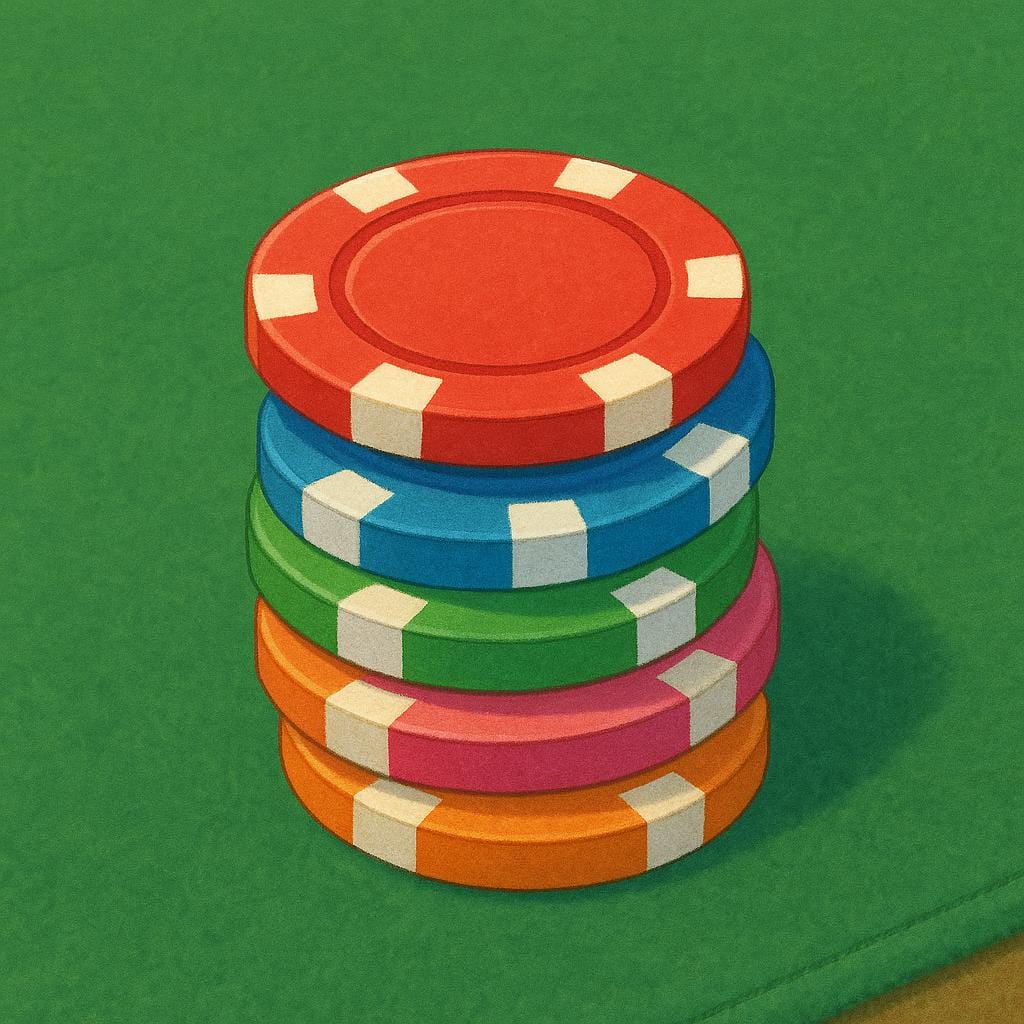
puesta
pwés-taˈpwesta
Examples
El nido contenía una sola puesta de huevos.
The nest contained a single clutch of eggs.
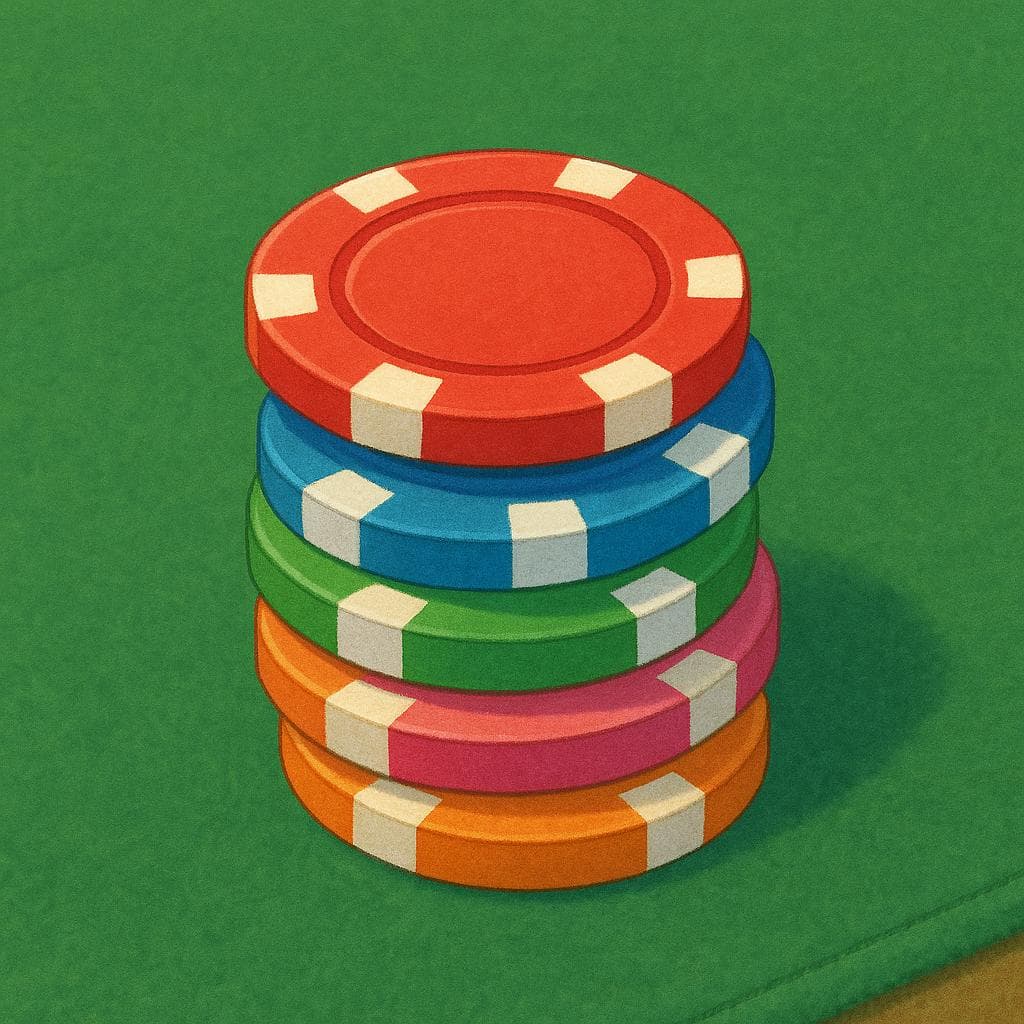
Su primera puesta fue de cien euros.
His first bet was one hundred euros.
La gallina hizo su puesta en el nido.
The hen laid her eggs (her 'laying') in the nest.
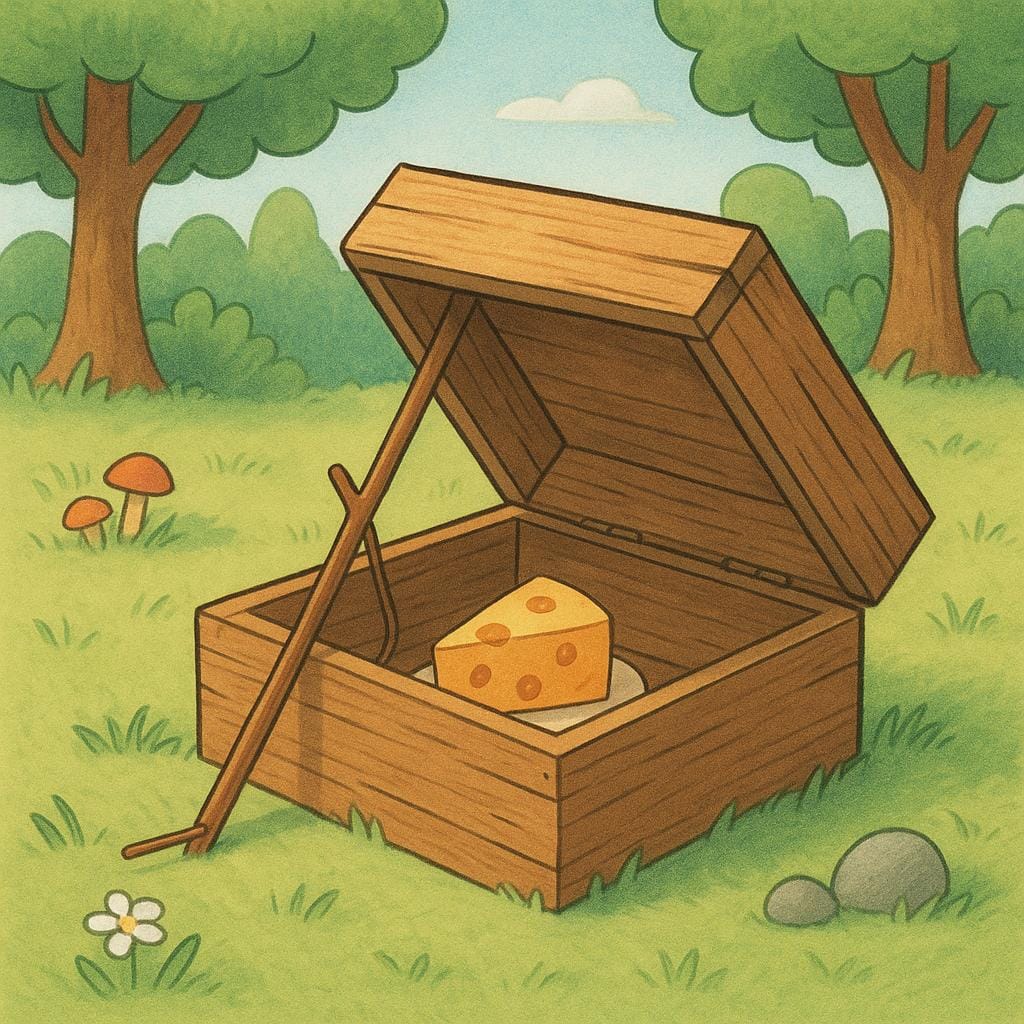
trampa
tram-paˈtɾampa
Examples
Abrió la trampa para bajar al sótano.
He opened the trapdoor to go down to the basement.
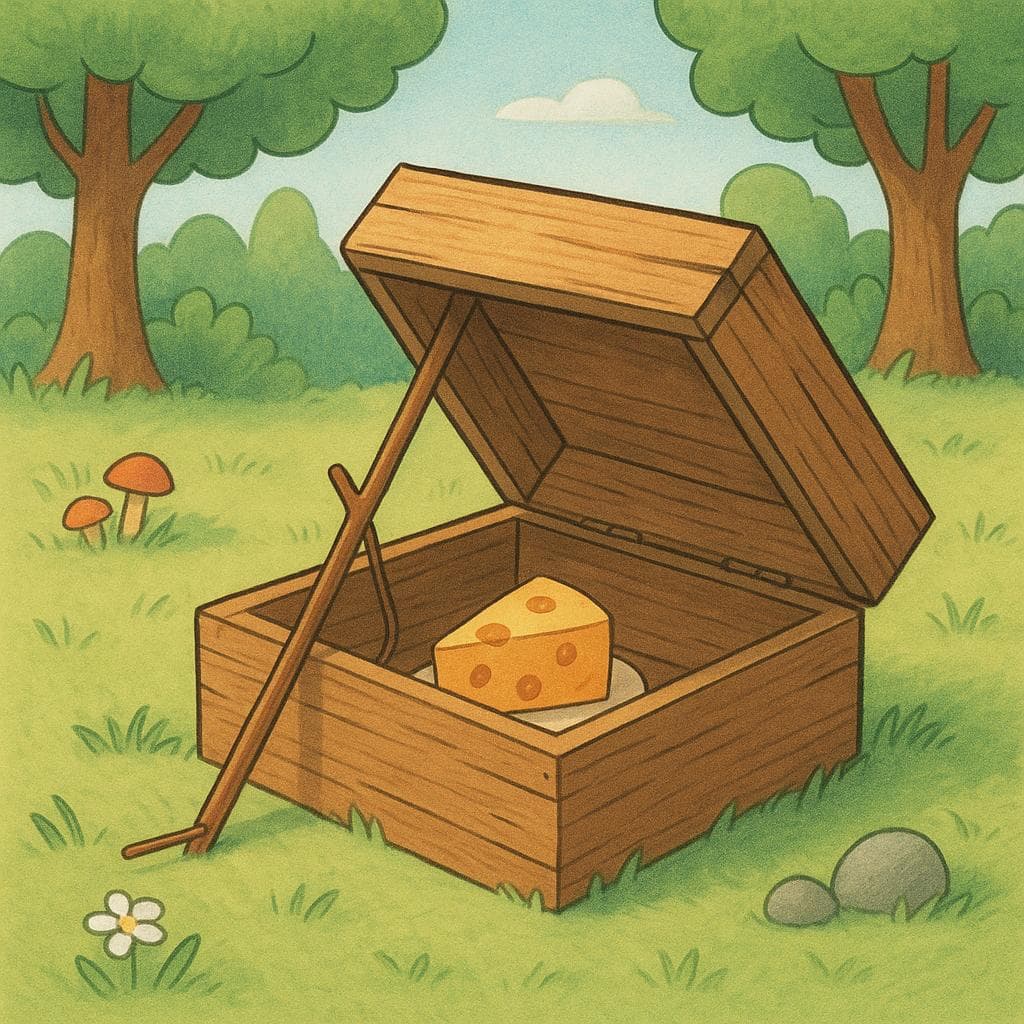
Pusimos una trampa para ratones en la cocina.
We put a mousetrap in the kitchen.
Ten cuidado, esa zona está llena de trampas naturales.
Be careful, that area is full of natural traps (pitfalls).
Confusing openings with trapdoors
Learn Spanish with Inklingo
Interactive stories, personalized learning, and more.