How to Say "deception" in Spanish
The most common Spanish word for “deception” is “engaño” — use 'engaño' for a general act of misleading or a trick, often implying a deliberate plan to fool someone, like a con or a ruse.
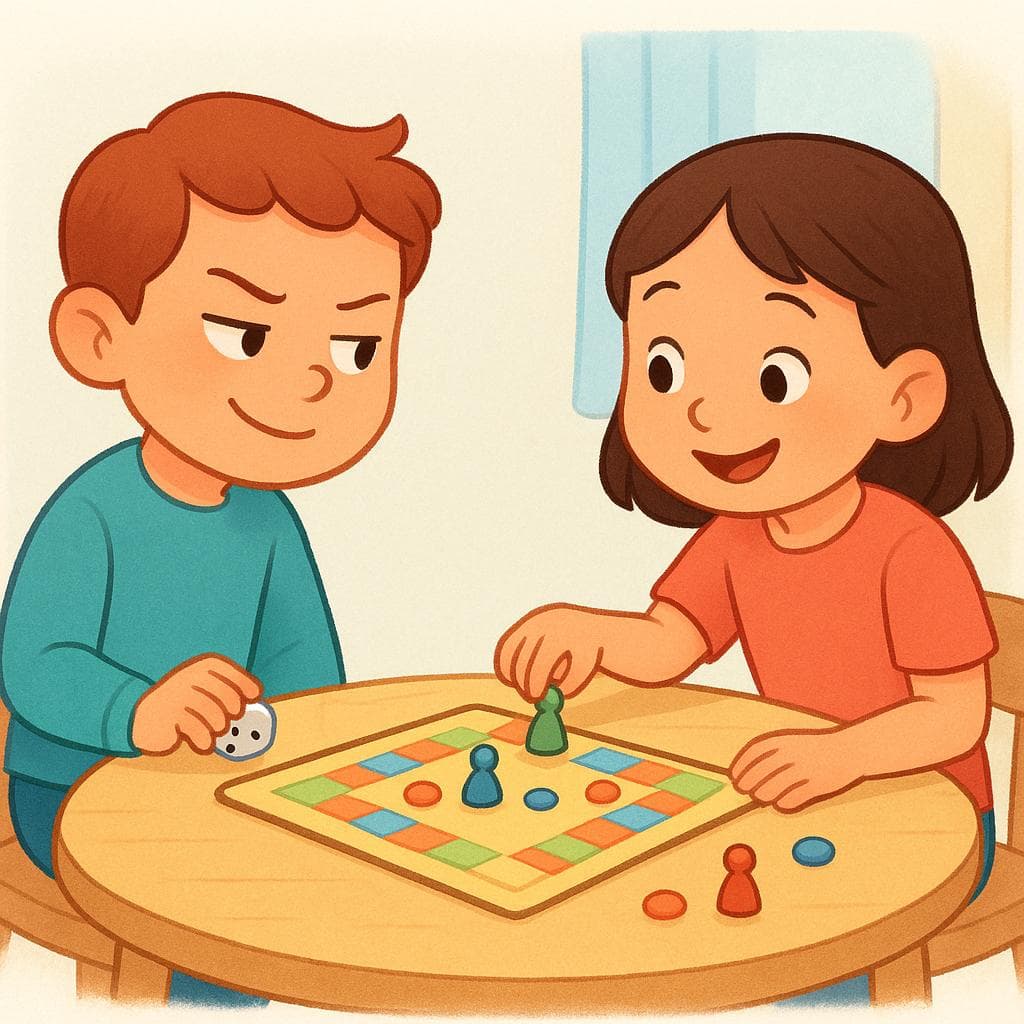


engaño
Examples
El vendedor me hizo un engaño para que comprara el producto defectuoso.
The seller pulled a trick on me so I would buy the defective product.
trampa
tram-paˈtɾampa
Examples
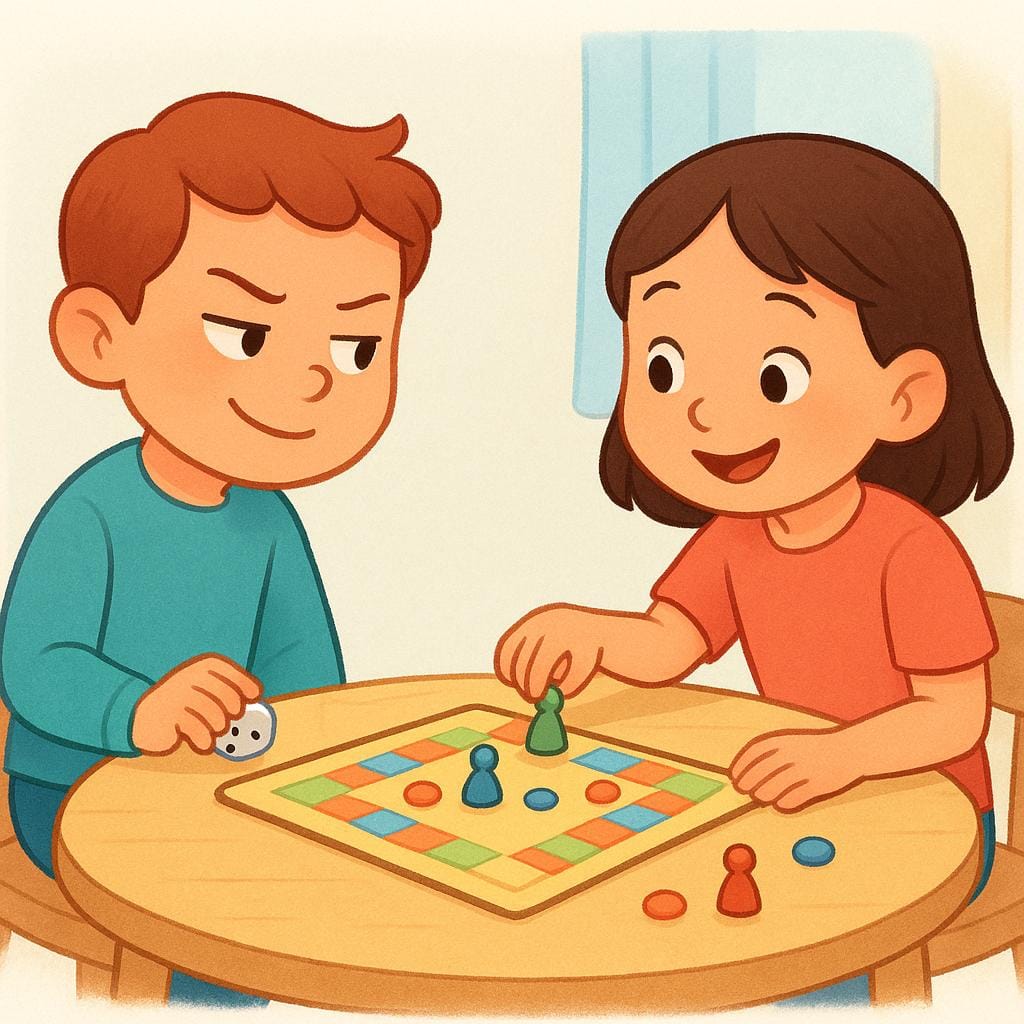
Intentó meter una trampa en el examen, pero lo atraparon.
He tried to pull a fast one on the exam, but he got caught.
Hacer trampa en el examen es inaceptable.
Cheating on the exam is unacceptable.
¡Me hiciste trampa! El juego no funciona así.
You tricked me! The game doesn't work that way.
La oferta era una trampa para que firmáramos el contrato.
The offer was a trick (a setup) to make us sign the contract.
Using the Verb 'Hacer'
To express the action 'to cheat' in Spanish, we usually use the verb 'hacer' (to make/do): 'hacer trampa'. You almost never use the verb 'cheatear'.
Mixing up the Noun and Verb
Mistake: “Yo trampo.”
Correction: Yo hago trampa. ('Trampa' is the noun, 'hacer' is the verb needed for the action.)
fraude
FROW-dehˈfɾau̯.ðe

Examples
Se descubrió un fraude masivo en las cuentas de la empresa.
Massive fraud was discovered in the company's accounts.
La policía investiga un presunto fraude electoral.
The police are investigating alleged electoral fraud.
El contador cometió fraude fiscal y ahora está en la cárcel.
The accountant committed tax fraud and is now in jail.
Recibimos una alerta sobre un posible fraude con tarjetas de crédito.
We received an alert about potential credit card fraud.
Gender Check
'Fraude' is a masculine noun, even though it ends in '-e'. Always use 'el' or 'un': 'el fraude'.
Using the wrong article
Mistake: “La fraude es un delito.”
Correction: El fraude es un delito. ('Fraude' is masculine, so it requires 'el.')
truco
troo-kohˈtɾuko

Examples
El mago realizó un truco asombroso que dejó al público boquiabierto.
The magician performed an amazing trick that left the audience speechless.
Todo fue un truco para distraer a los guardias y robar el cuadro.
It was all a deception/ploy to distract the guards and steal the painting.
La publicidad usó un truco visual para hacer parecer el producto más grande.
The advertisement used a visual trick to make the product look bigger.
Truco vs. Trampa
Mistake: “Using 'truco' when you mean an outright 'cheat' or 'trap'.”
Correction: Use 'trampa' for cheating or a physical trap. 'Truco' is usually a clever maneuver, even if deceitful, while 'trampa' is a violation of rules or a device to catch something.
Choosing between 'engaño' and 'truco'
Related Translations
Learn Spanish with Inklingo
Interactive stories, personalized learning, and more.