How to Say "charisma" in Spanish
The most common Spanish word for “charisma” is “presencia” — use 'presencia' when referring to a compelling personal charm or influence, especially in a public or performance setting, highlighting a strong personal impact on others.


presencia
preh-SEN-syahpɾeˈsen.sja

Examples
El orador tenía una presencia magnética que cautivó a la audiencia.
The speaker had a magnetic presence that captivated the audience.
El director tiene una gran presencia escénica.
The director has a great stage presence.
Aunque era callado, su presencia era imponente.
Although he was quiet, his presence (bearing) was imposing.
gancho
GAHN-choˈɡantʃo
Examples
Esa nueva serie de televisión tiene mucho gancho.
That new TV series has a lot of appeal/is very catchy.
Ese anuncio no tiene mucho gancho.
That advertisement doesn't have much of a hook (appeal).
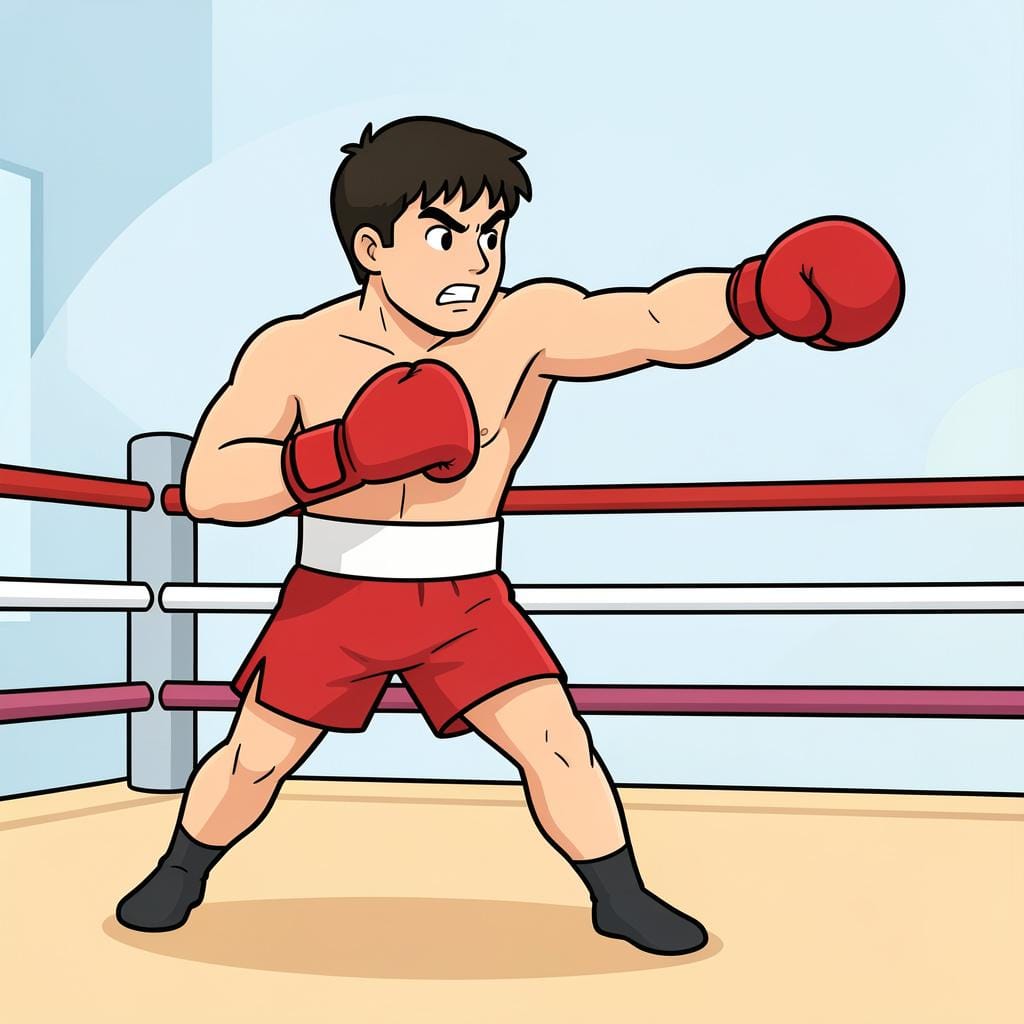
El boxeador ganó la pelea con un gancho al hígado.
The boxer won the fight with a hook to the liver.
Abstract Use
When used for 'appeal,' it works just like 'charm' in English. You can say someone or something 'has' it (tiene gancho).
duende
DWEN-dehˈdwende

Examples
El cantaor flamenco transmitía un duende que erizaba la piel.
The flamenco singer conveyed a soulfulness/magic that gave you goosebumps.
Esa bailarina tiene mucho duende.
That dancer has a lot of soul/magic.
El cantaor de flamenco mostró su duende en el escenario.
The flamenco singer showed his artistic spirit on stage.
No es técnica, es que tiene duende al tocar la guitarra.
It’s not technique, it’s that he has a special magic when playing the guitar.
Abstract Concept
Even though it comes from the word for 'elf', in this context it is an abstract quality you possess, not a physical thing.
Overusing the term
Don't confuse 'presencia' with 'gancho'
Related Translations
Learn Spanish with Inklingo
Interactive stories, personalized learning, and more.