duende
“duende” means “elf” in Spanish. It has 2 different meanings depending on context:
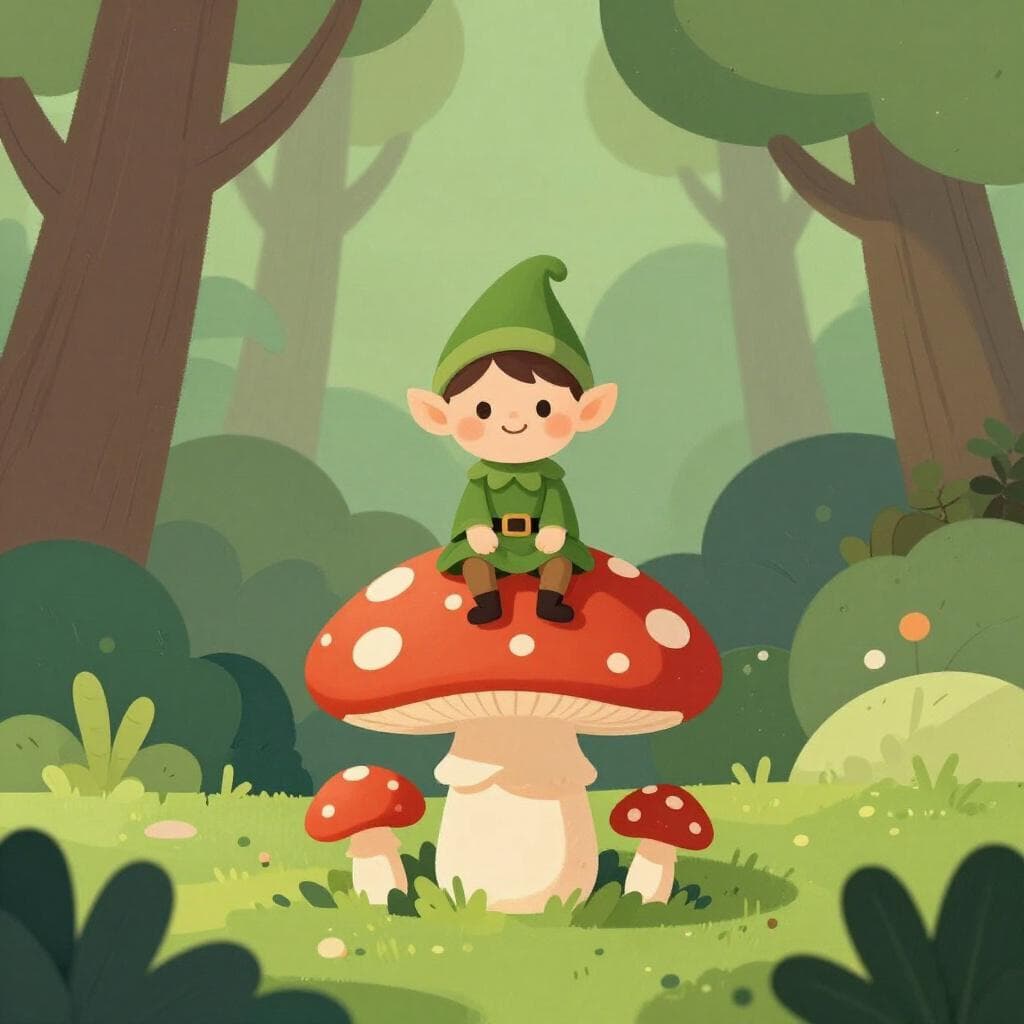

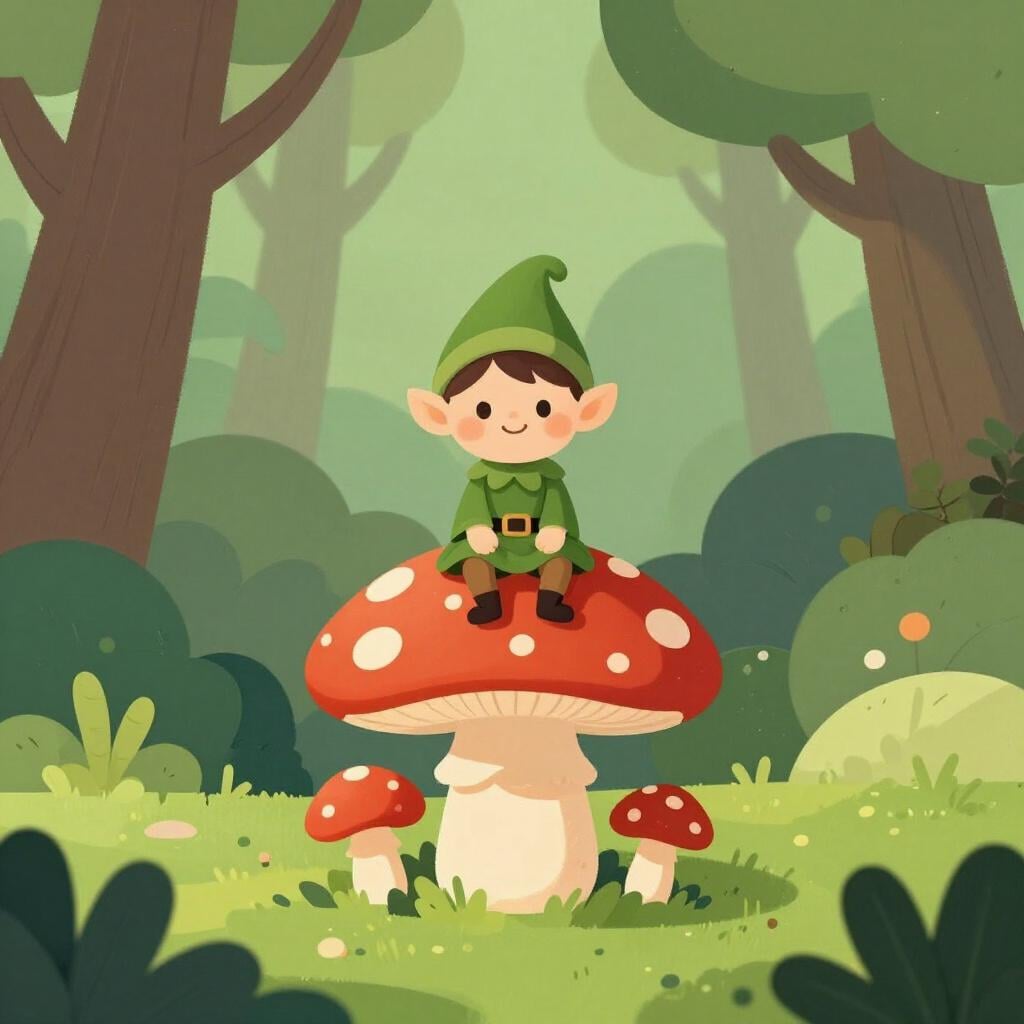
elfAlso: goblin, sprite
📝 In Action
Mi hermano cree que hay un duende en el jardín.
A1My brother thinks there is an elf in the garden.
Los duendes traviesos escondieron mis llaves.
A2The mischievous goblins hid my keys.
Cuenta la leyenda que los duendes protegen el bosque.
B1Legend says that sprites protect the forest.
Word Connections
soulAlso: magic, charisma

📝 In Action
Esa bailarina tiene mucho duende.
B2That dancer has a lot of soul/magic.
El cantaor de flamenco mostró su duende en el escenario.
C1The flamenco singer showed his artistic spirit on stage.
No es técnica, es que tiene duende al tocar la guitarra.
C2It’s not technique, it’s that he has a special magic when playing the guitar.
Word Connections
✏️ Quick Practice
Quick Quiz: duende
Question 1 of 3
If someone says a singer 'tiene duende,' what do they mean?
📚 More Resources
👥 Word Family
📚 Etymology
Shortened from the phrase 'dueño de casa' (owner of the house). In the past, people believed small spirits or 'owners' lived in the walls and caused mischief.
First recorded: 13th century
Cognates (Related words)
💡 Master Spanish
Take your Spanish to the next level. Read 200+ illustrated and narrated Spanish stories tailored to your level with the Inklingo app!
Frequently Asked Questions
Are 'duendes' scary in Spanish culture?
Usually not. They are mostly seen as playful, mischievous creatures that hide things, rather than dangerous monsters.
Can I use 'duende' to describe a smart person?
No, 'duende' refers to artistic soul or a mythical creature, not intelligence.
Is there a plural form?
Yes, the plural is 'duendes'.