How to Say "sprite" in Spanish
The most common Spanish word for “sprite” is “duende” — use 'duende' when referring to a mythical spirit, elf, goblin, or gnome, often with a mischievous or wild nature.
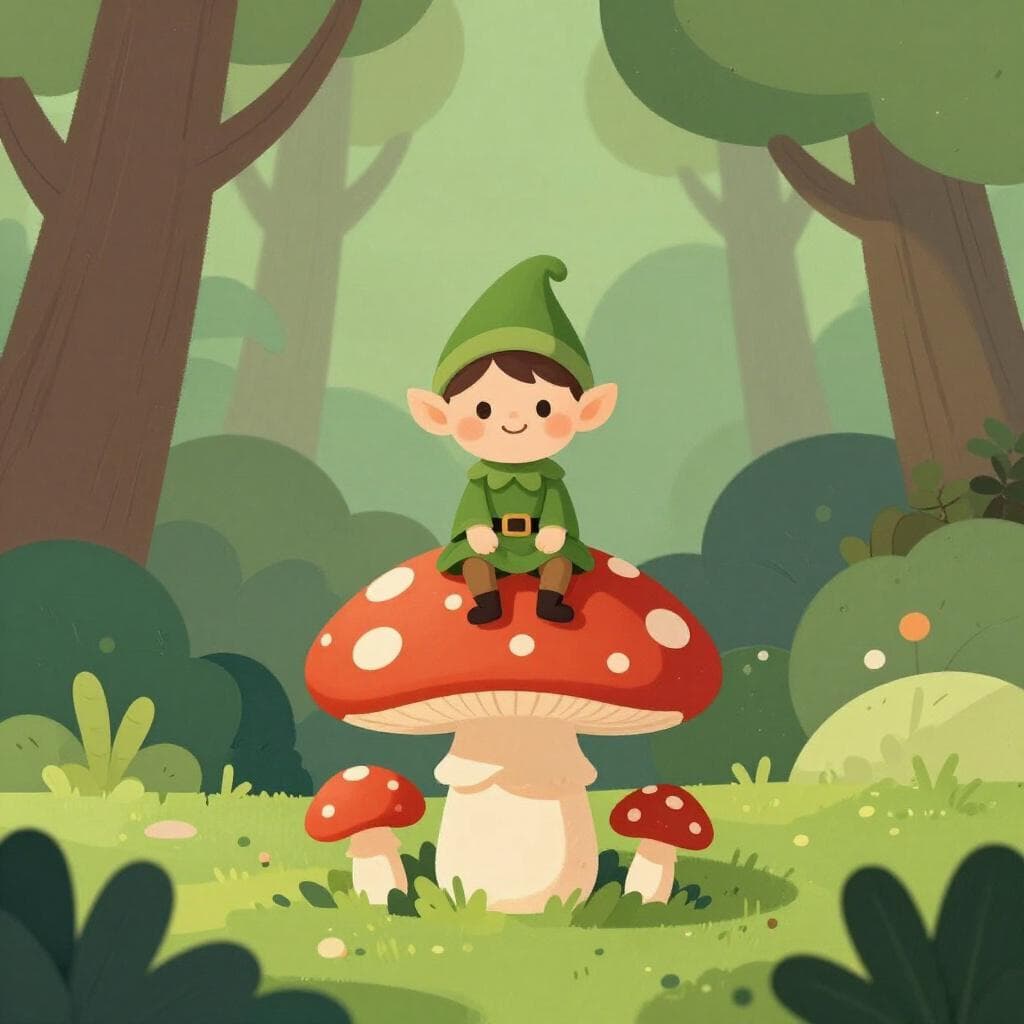
duende
DWEN-dehˈdwende
Examples
Mi hermano cree que hay un duende en el jardín.
My brother thinks there is an elf in the garden.
Los duendes traviesos escondieron mis llaves.
The mischievous goblins hid my keys.
Cuenta la leyenda que los duendes protegen el bosque.
Legend says that sprites protect the forest.
Gender of Duende
The word is masculine, so you always use 'el' or 'un' before it, even if you are imagining a female creature.
False Friend Warning
Mistake: “Using 'duende' to mean 'dwarf'.”
Correction: Use 'enano' for dwarf. 'Duende' is specifically for magical, fairy-like spirits.
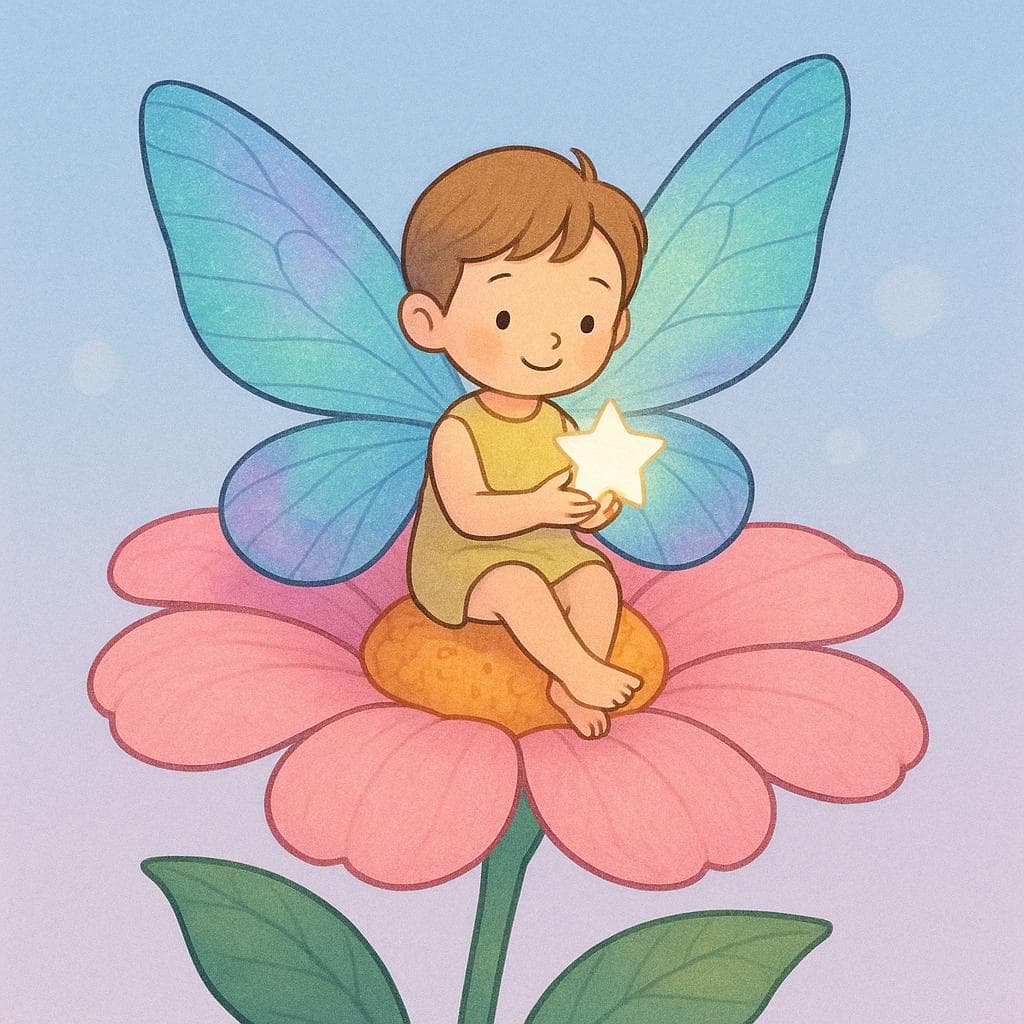
hada
AH-dahˈaða

Examples
El hada madrina convirtió la calabaza en un carruaje.
The fairy godmother turned the pumpkin into a carriage.
Mi hermana pequeña cree que las hadas le traen regalos.
My little sister believes that fairies bring her gifts.
Dicen que el hada de los dientes visita a los niños por la noche.
They say the tooth fairy visits children at night.
The Special 'El' Rule (for pronunciation)
Even though 'hada' is a feminine word (meaning 'the fairy'), we use the masculine article 'el' right before it ('el hada') when it is singular. This is only to make the pronunciation flow better, preventing two 'a' sounds from clashing.
Incorrect Plural Article
Mistake: “Using 'los hadas' in the plural.”
Correction: The word is feminine, so the plural article is 'las hadas'. The special 'el' rule only applies in the singular form to fix the sound.
Duende vs. Hada
Learn Spanish with Inklingo
Interactive stories, personalized learning, and more.