How to Say "magic" in Spanish
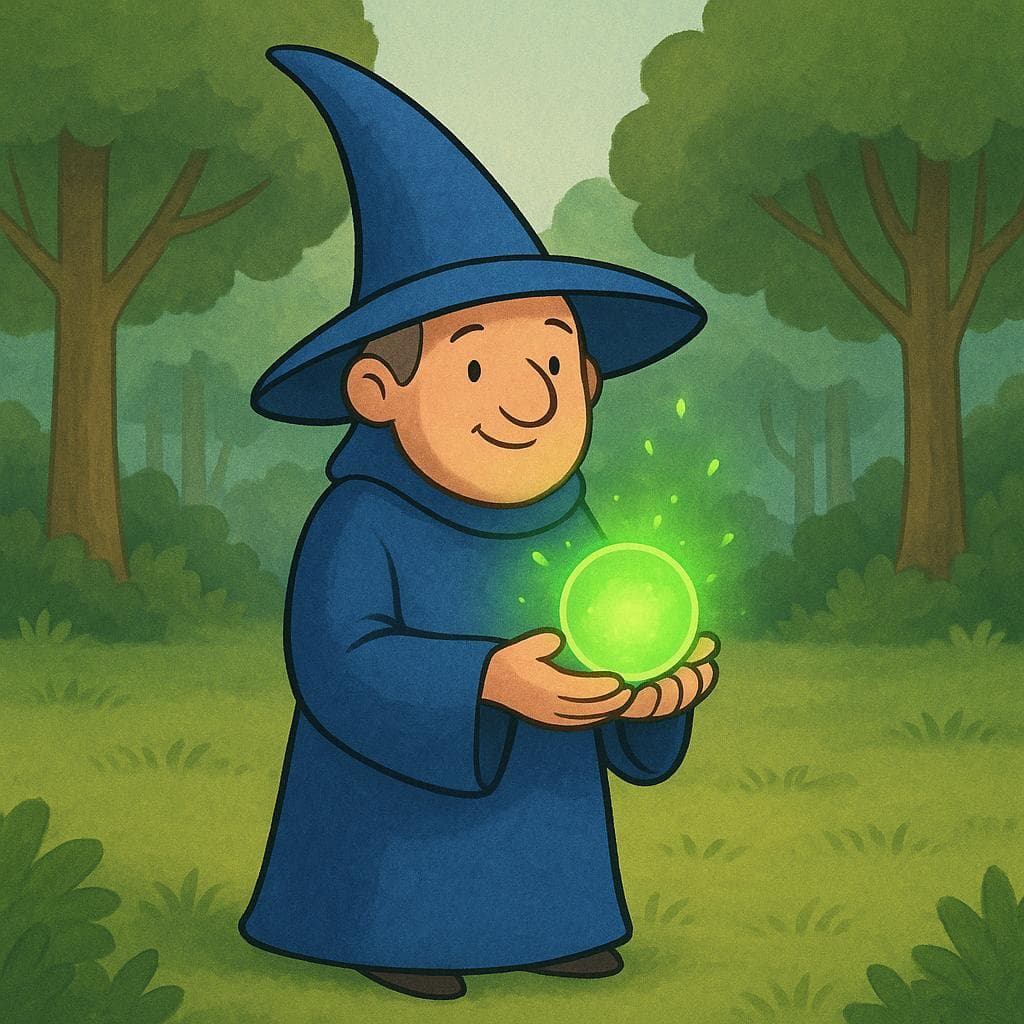
The most common Spanish word for “magic” is “magia” — use 'magia' when referring to supernatural power, spells, or the concept of magic as it appears in fantasy.

magia
MA-hiah (like mah-hee-ah)ˈma.xja
Examples
Creemos que la magia existe solo en las películas.
We believe that magic only exists in movies.
El niño se asombró con el truco de magia del payaso.
The boy was amazed by the clown's magic trick.
Ella estudió magia negra en secreto para volverse más fuerte.
She secretly studied black magic to become stronger.
Gender Rule
'Magia' is always feminine, so you must use 'la magia' or 'una magia'. Remember that most Spanish words ending in '-a' are feminine.
mágico
Examples
El mago usó una varita mágica para hacer desaparecer el conejo.
The magician used a magic wand to make the rabbit disappear.
poderes
po-DEH-respoˈðeɾes

Examples
El villano quería robarle sus poderes al héroe.
The villain wanted to steal the hero's powers.
Ella descubrió que tenía poderes para mover objetos con la mente.
She discovered she had abilities to move objects with her mind.
duende
DWEN-dehˈdwende

Examples
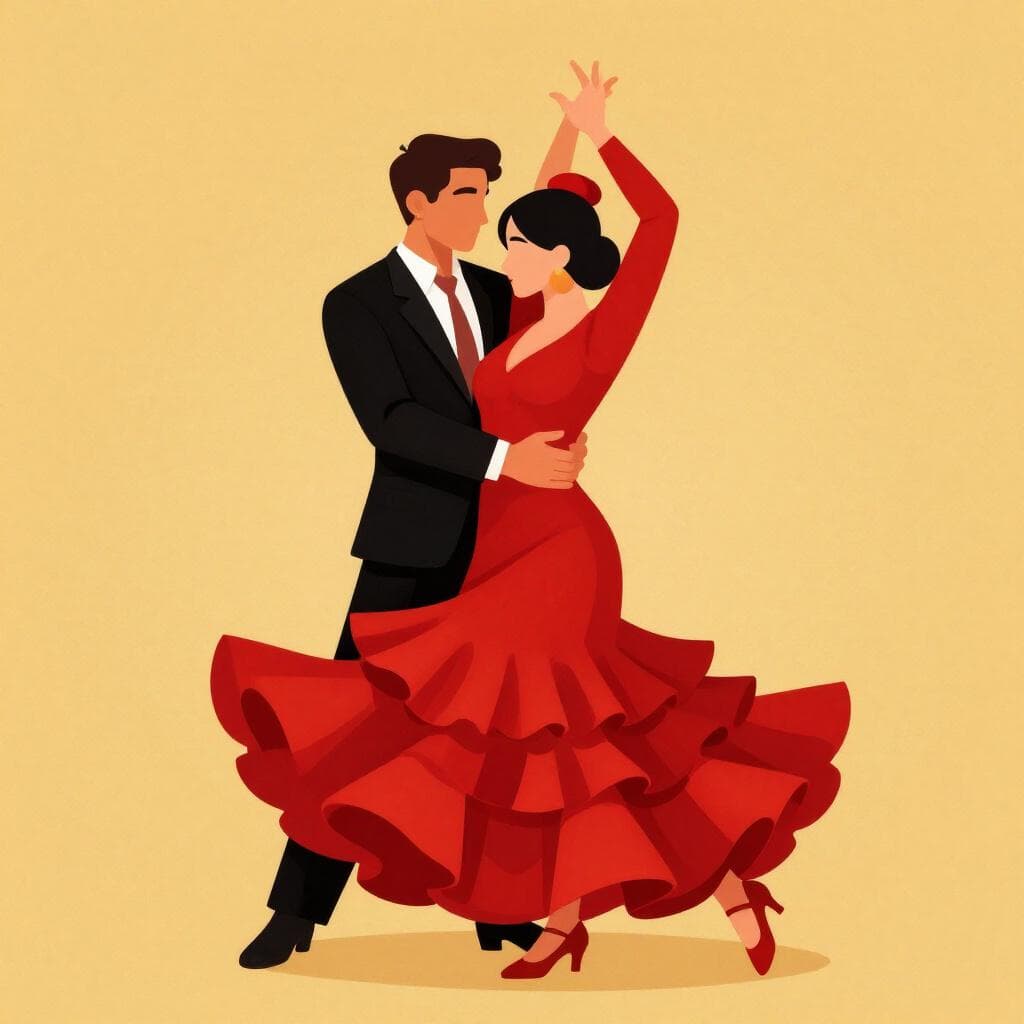
Esa bailarina tiene mucho duende.
That dancer has a lot of soul/magic.
El cantaor de flamenco mostró su duende en el escenario.
The flamenco singer showed his artistic spirit on stage.
No es técnica, es que tiene duende al tocar la guitarra.
It’s not technique, it’s that he has a special magic when playing the guitar.
Abstract Concept
Even though it comes from the word for 'elf', in this context it is an abstract quality you possess, not a physical thing.
Overusing the term
poesía
Examples
Hay mucha poesía en la forma en que ella mira el mundo.
There is a lot of poetic quality in the way she looks at the world.
Magia vs. Duende
Learn Spanish with Inklingo
Interactive stories, personalized learning, and more.