garra
“garra” means “claw” in Spanish. It has 2 different meanings depending on context:
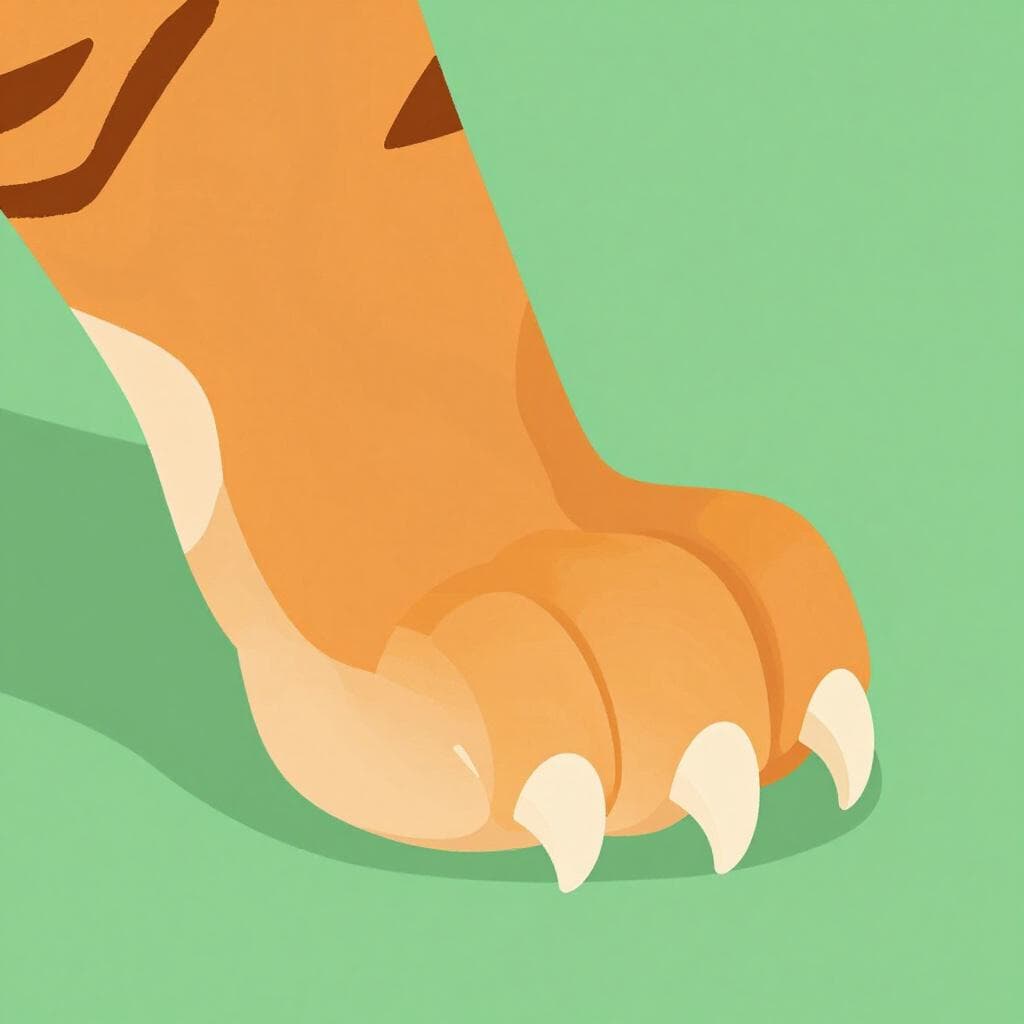
claw
Also: talon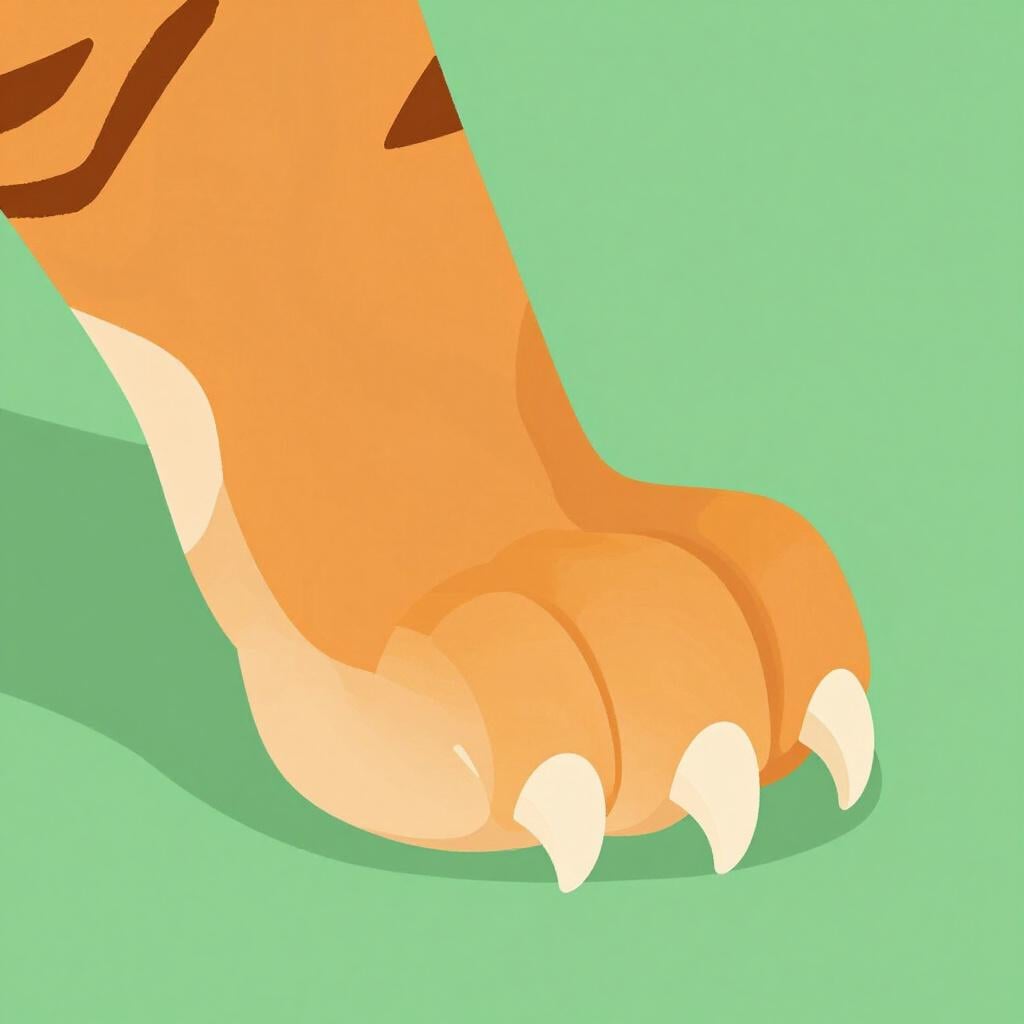
📝 In Action
El gato sacó sus garras cuando vio al perro.
A1The cat took out its claws when it saw the dog.
El águila atrapó al pez con sus garras.
A2The eagle caught the fish with its talons.
Ten cuidado, ese oso tiene garras muy grandes.
A2Be careful, that bear has very big claws.
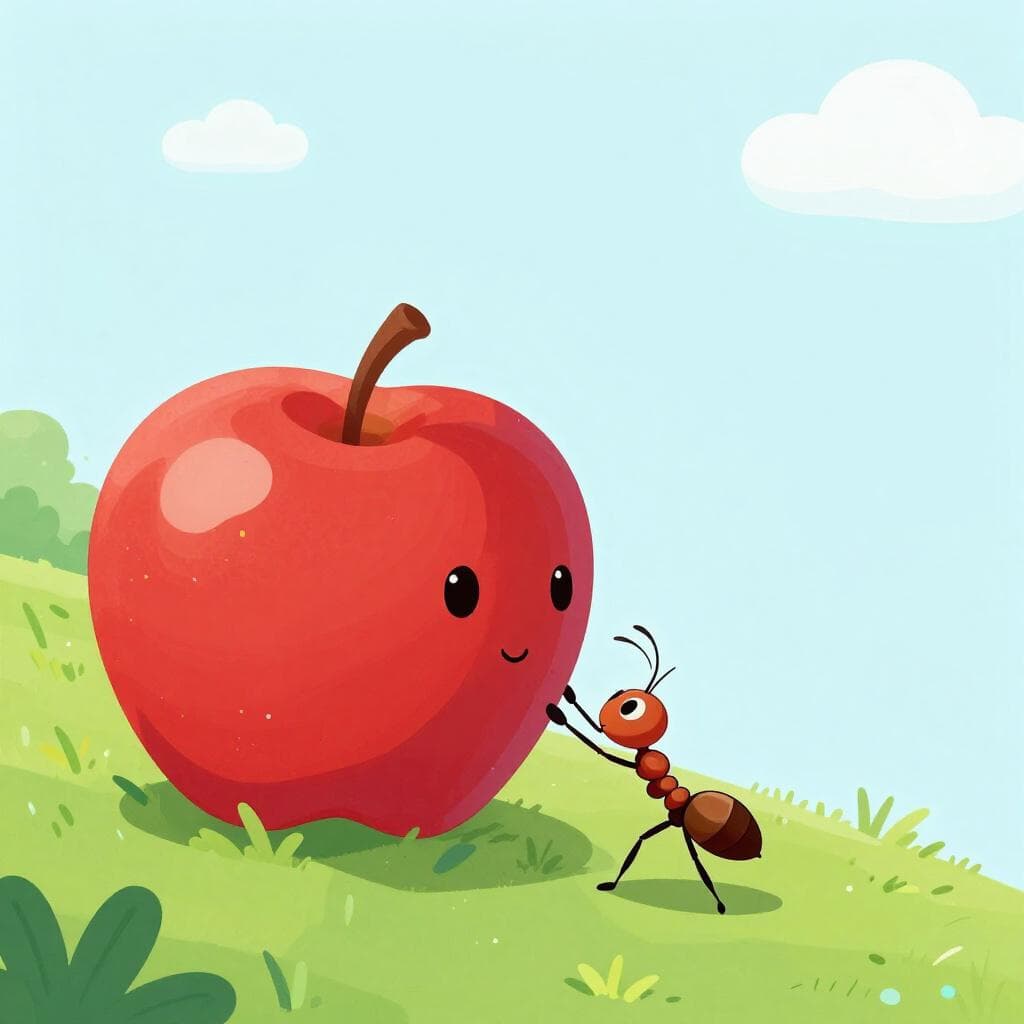
grit, clout
Also: guts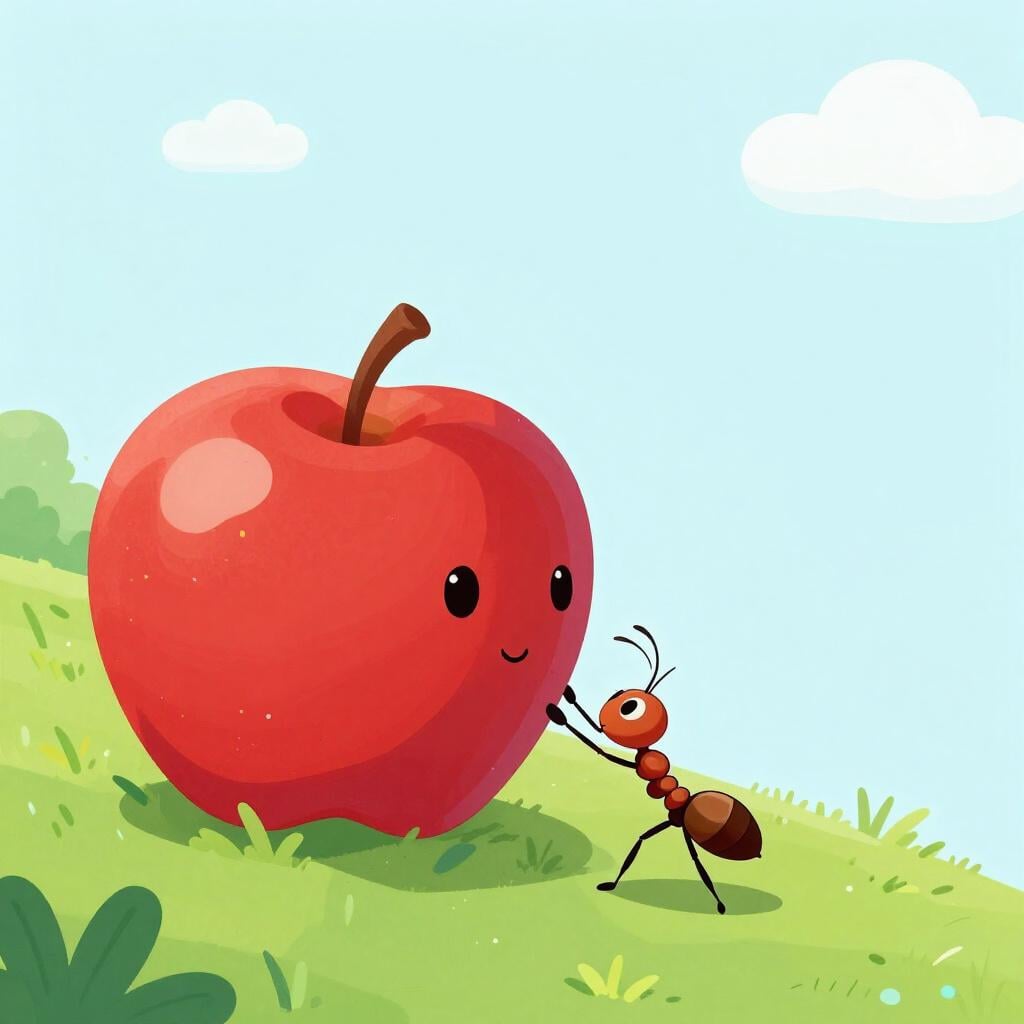
📝 In Action
Ese jugador tiene mucha garra y nunca se rinde.
B1That player has a lot of grit and never gives up.
Necesitamos jugar con más garra si queremos ganar.
B2We need to play with more drive if we want to win.
Admiro la garra de esa mujer para sacar adelante a su familia.
C1I admire that woman's strength of character to provide for her family.
Vocabulary Collections
Translate to Spanish
✏️ Quick Practice
Quick Quiz: garra
Question 1 of 3
Which sentence uses 'garra' in a literal way?
📚 More Resources
👥 Word Family▼
📚 Etymology▼
Likely from a pre-Roman substrate or Celtic origin, originally meaning 'leg' or 'hook,' which evolved into the sharp claw of an animal.
First recorded: 13th century
Cognates (Related words)
💡 Master Spanish
Take your Spanish to the next level. Read 200+ illustrated and narrated Spanish stories tailored to your level with the Inklingo app!
Frequently Asked Questions
Is 'garra' the same as 'uña'?
Not exactly. 'Uña' is the general word for nail (like on a human finger). 'Garra' is specifically a sharp claw of a predator like a lion, cat, or eagle.
Can I use 'garra' for a person's personality?
Yes! In a positive way, it means they have grit, determination, and a 'never-say-die' attitude.
Is it 'el garra' or 'la garra'?
It is always 'la garra' because it is a feminine noun.