How to Say "grit" in Spanish
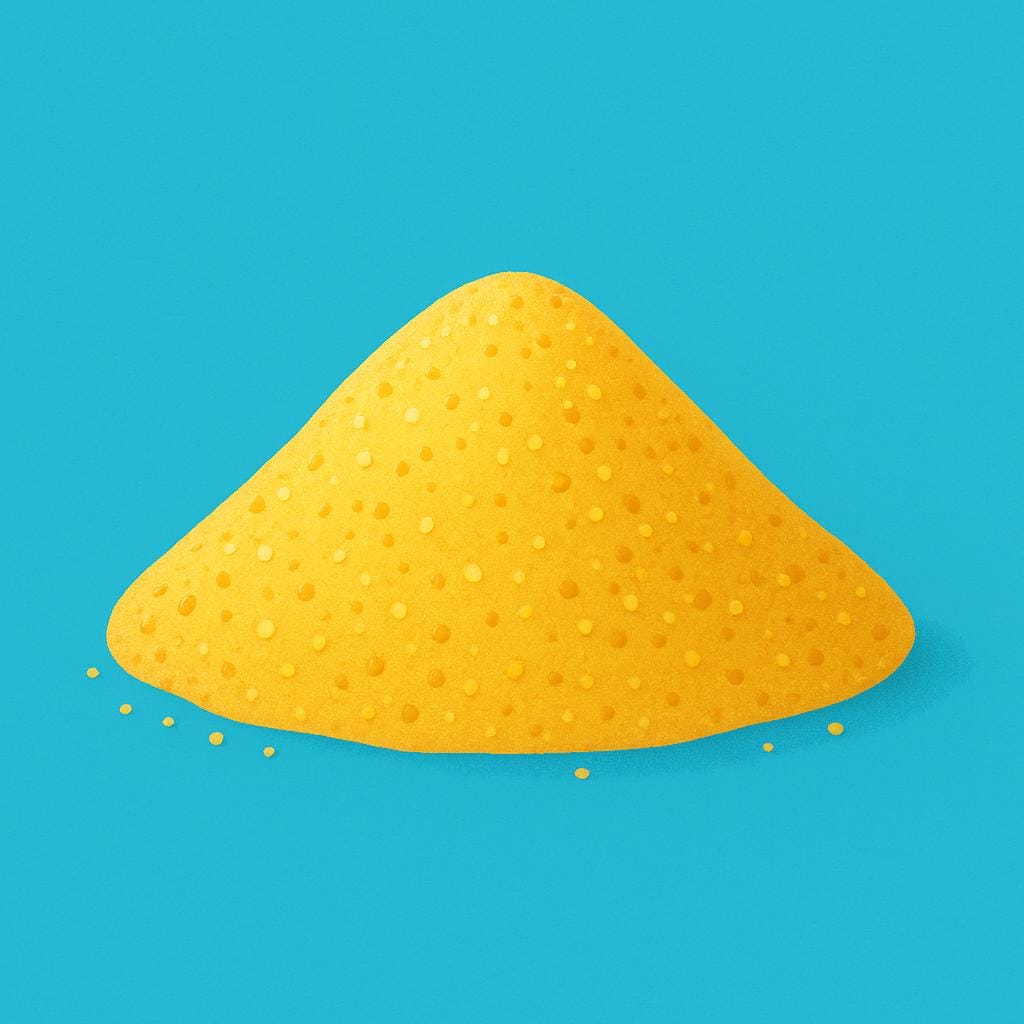
The most common Spanish word for “grit” is “arena” — use 'arena' when referring to the small, granular particles found on beaches or in deserts, which is the most basic and common meaning.
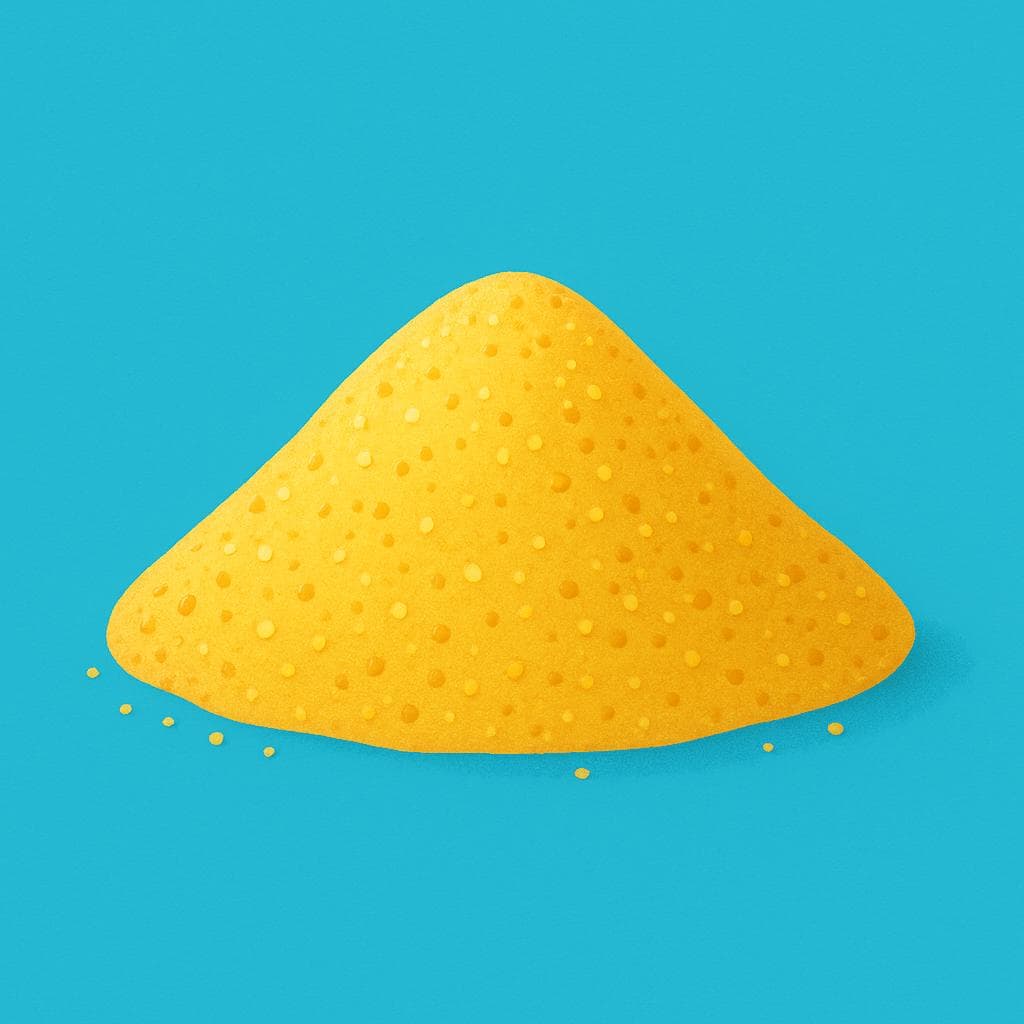


arena
ah-REH-nahaˈɾena
Examples
Me encanta caminar descalzo sobre la arena de la playa.
I love walking barefoot on the beach sand.
El desierto está cubierto de kilómetros de arena.
The desert is covered in miles of sand.
Necesitas mezclar cemento con arena para hacer la pared.
You need to mix cement with sand to make the wall.
Always Feminine
Even though 'arena' starts with an 'a,' it is a standard feminine noun and always uses 'la' (la arena) or 'una' (una arena), unlike 'agua' or 'águila'.
Confusing Material vs. Place
Mistake: “Using 'arenal' when you mean the material 'arena'.”
Correction: 'Arenal' usually means a large sandy area or sandpit, while 'arena' is the actual material itself.
agallas
ah-GAH-yasaˈɣaʎas

Examples
Para enfrentarte a ese jefe, necesitas tener muchas agallas.
To face that boss, you need to have a lot of guts.
No tuvo las agallas de decirle la verdad.
He didn't have the nerve (or guts) to tell her the truth.
Ella demostró sus agallas al saltar en paracaídas por primera vez.
She showed her grit by skydiving for the first time.
Always Plural
This figurative meaning is almost always used in the plural form: 'las agallas'. You rarely hear 'una agalla' in this context.
Confusing Gills and Courage
Mistake: “Using 'agallas' in a formal or technical setting when referring to courage (e.g., in a legal report).”
Correction: Use 'valentía' or 'coraje' for formal contexts; save 'agallas' for casual conversation.
garra
GAH-rrahˈɡara
Examples
Ese jugador tiene mucha garra y nunca se rinde.
That player has a lot of grit and never gives up.
Necesitamos jugar con más garra si queremos ganar.
We need to play with more drive if we want to win.
Admiro la garra de esa mujer para sacar adelante a su familia.
I admire that woman's strength of character to provide for her family.
Abstract Concept
When used to mean 'grit,' the word is an uncountable concept. You generally say 'tiene garra' rather than 'tiene una garra' in this context.
Using it for 'dirt'
Mistake: “Using 'garra' to mean 'grit' as in sand or dirt.”
Correction: In English, 'grit' can mean sand, but in Spanish, 'garra' only means the metaphorical 'grit' (courage).
piedra
pee-AY-drah'pjeðɾa

Examples
Se necesitó mucha piedra para superar esa adversidad.
It took a lot of grit to overcome that adversity.
Le regaló un anillo con una piedra preciosa.
He gave her a ring with a precious gemstone.
El doctor dijo que tengo una piedra en el riñón.
The doctor said I have a kidney stone.
Tuvimos que usar una piedra de mechero para encender la fogata.
We had to use a lighter flint to start the campfire.
Figurative Hardness
When describing a person who is cold or emotionless, you can say 'tiene un corazón de piedra' (he/she has a heart of stone).
Translating Idioms
Mistake: “Using 'piedra en el zapato' in a literal context when you mean a physical pebble.”
Correction: This idiom is only used to mean a persistent problem or annoyance. Use 'guijarro' or 'piedrita' for a physical pebble in a shoe.
fibra
FEE-brahˈfi.βɾa

Examples
Demostró gran fibra al afrontar la crisis personal.
She showed great grit in facing her personal crisis.
Esa canción me tocó la fibra sensible.
That song touched a raw nerve (moved me emotionally).
El equipo mostró mucha fibra en el segundo tiempo.
The team showed a lot of grit in the second half.
Es un corredor con mucha fibra.
He is a runner with a lot of lean muscle.
Using 'Tocar'
When someone's emotions are affected, we use the verb 'tocar' (to touch) with 'la fibra' to show that an inner part of them was reached.
Singular vs. Plural
When talking about character, we use 'fibra' in the singular. When talking about physical muscles in a gym context, you might hear the plural 'fibras'.
Direct Translation
Mistake: “Saying 'él tiene fibra' to mean he is eating healthy.”
Correction: In this context, 'él tiene fibra' usually means he has a lean, muscular build or strong character.
Grit vs. Sand
Learn Spanish with Inklingo
Interactive stories, personalized learning, and more.