coraje
“coraje” means “courage” in Spanish. It has 2 different meanings depending on context:
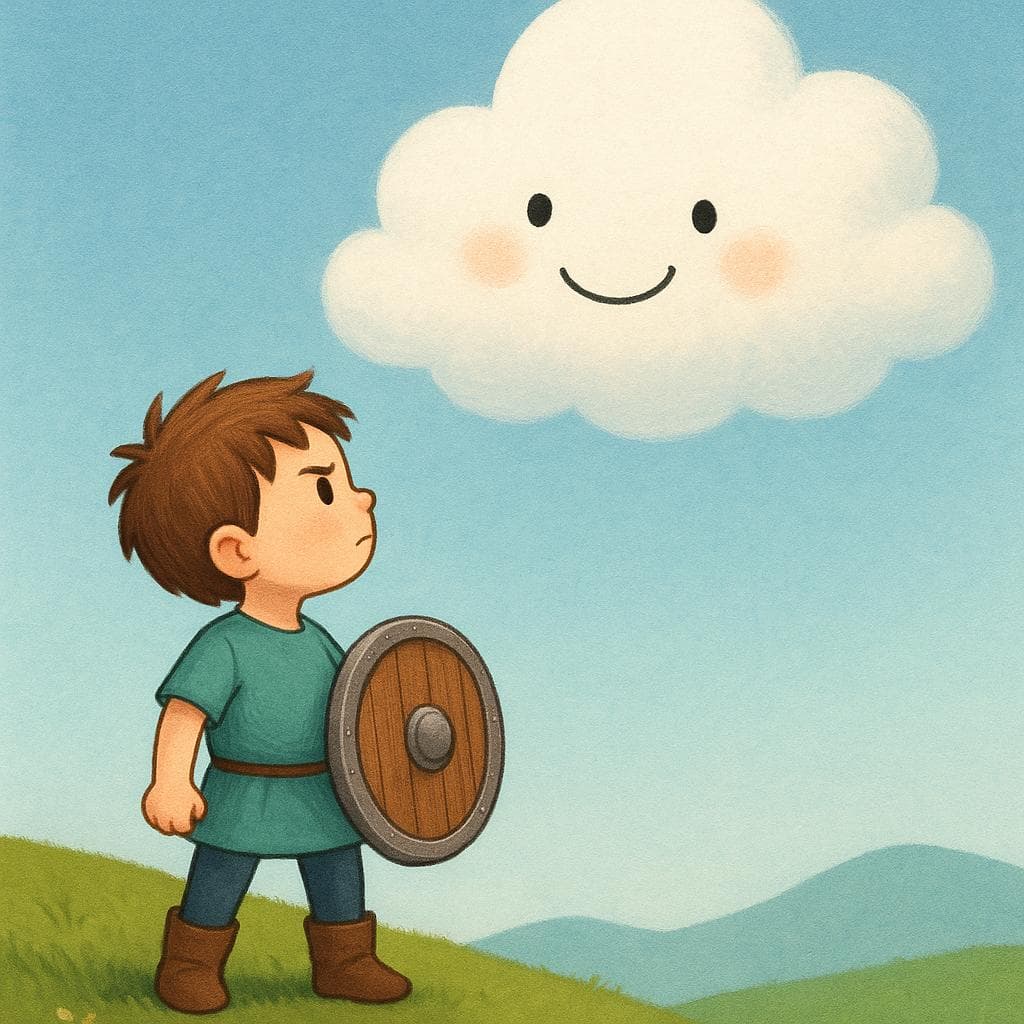

courage, braveryAlso: guts, valor

📝 In Action
Tuvo el coraje de decir la verdad a pesar de las consecuencias.
A2He had the courage to tell the truth despite the consequences.
Se necesita mucho coraje para empezar un negocio desde cero.
B1It takes a lot of bravery to start a business from scratch.
Word Connections
anger, resentmentAlso: rage

📝 In Action
Le dio mucho coraje que su equipo perdiera el partido.
B1It made him very angry that his team lost the game.
El niño gritó con coraje cuando no le dieron el dulce.
B1The boy yelled in anger when they didn't give him the candy.
Word Connections
Translate to Spanish
✏️ Quick Practice
Quick Quiz: coraje
Question 1 of 2
Which English translation is correct for the following sentence: 'Me da coraje ver tanta basura en la calle.'
📚 More Resources
👥 Word Family
📚 Etymology
The word comes from the Old French 'corage,' which meant 'heart, spirit, or temper.' This connection to the 'heart' is why it can mean both mental strength (courage) and strong emotion (anger). It ultimately traces back to the Latin word 'cor,' meaning 'heart.'
First recorded: 13th century
Cognates (Related words)
💡 Master Spanish
Take your Spanish to the next level. Read 200+ illustrated and narrated Spanish stories tailored to your level with the Inklingo app!
Frequently Asked Questions
How can one word mean both 'courage' and 'anger'?
This happens because the original root of 'coraje' is the Latin word for 'heart' (cor). Historically, both intense bravery and intense fury were thought to come from the 'spirit' or 'heart.' The context of the sentence will always make the meaning clear.
Is 'coraje' interchangeable with 'valentía'?
'Coraje' and 'valentía' are perfect synonyms when talking about bravery. However, 'valentía' never means 'anger,' so 'coraje' is the more versatile word.