rabia
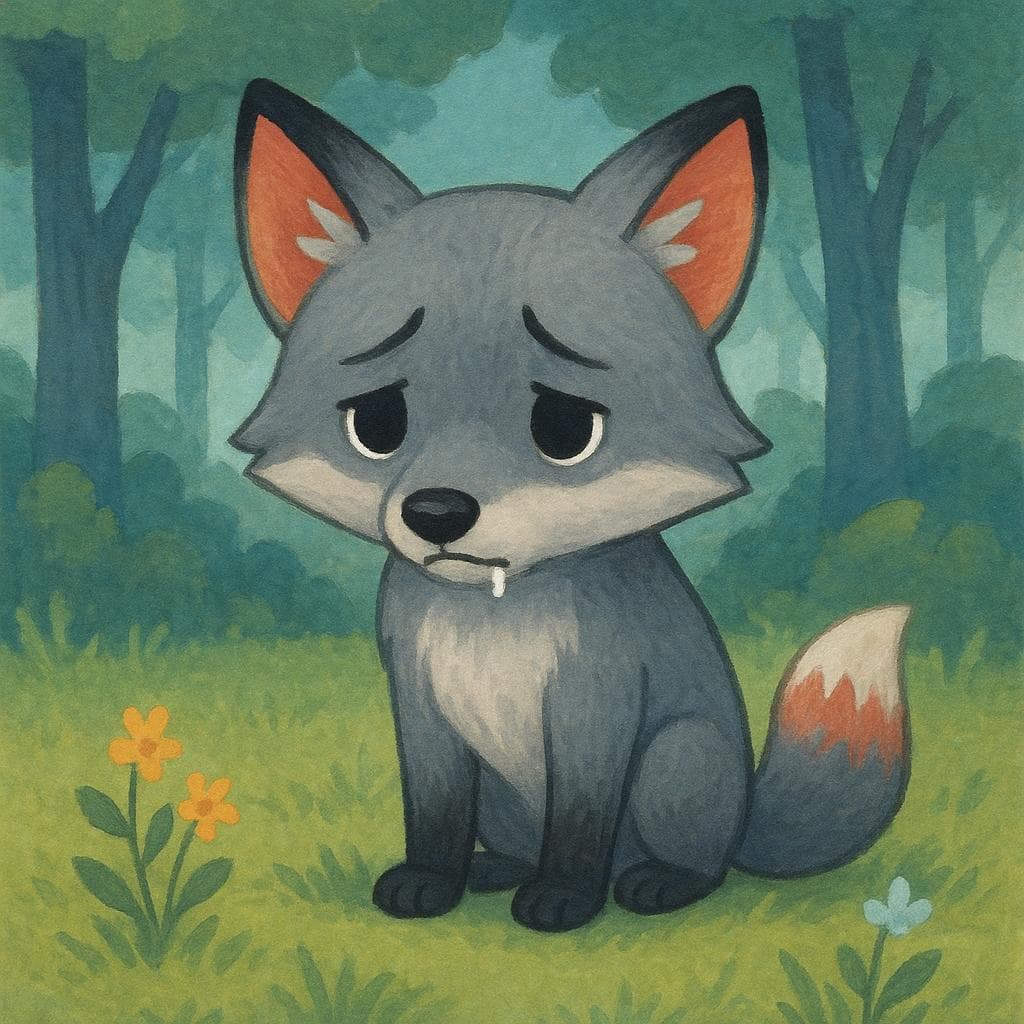
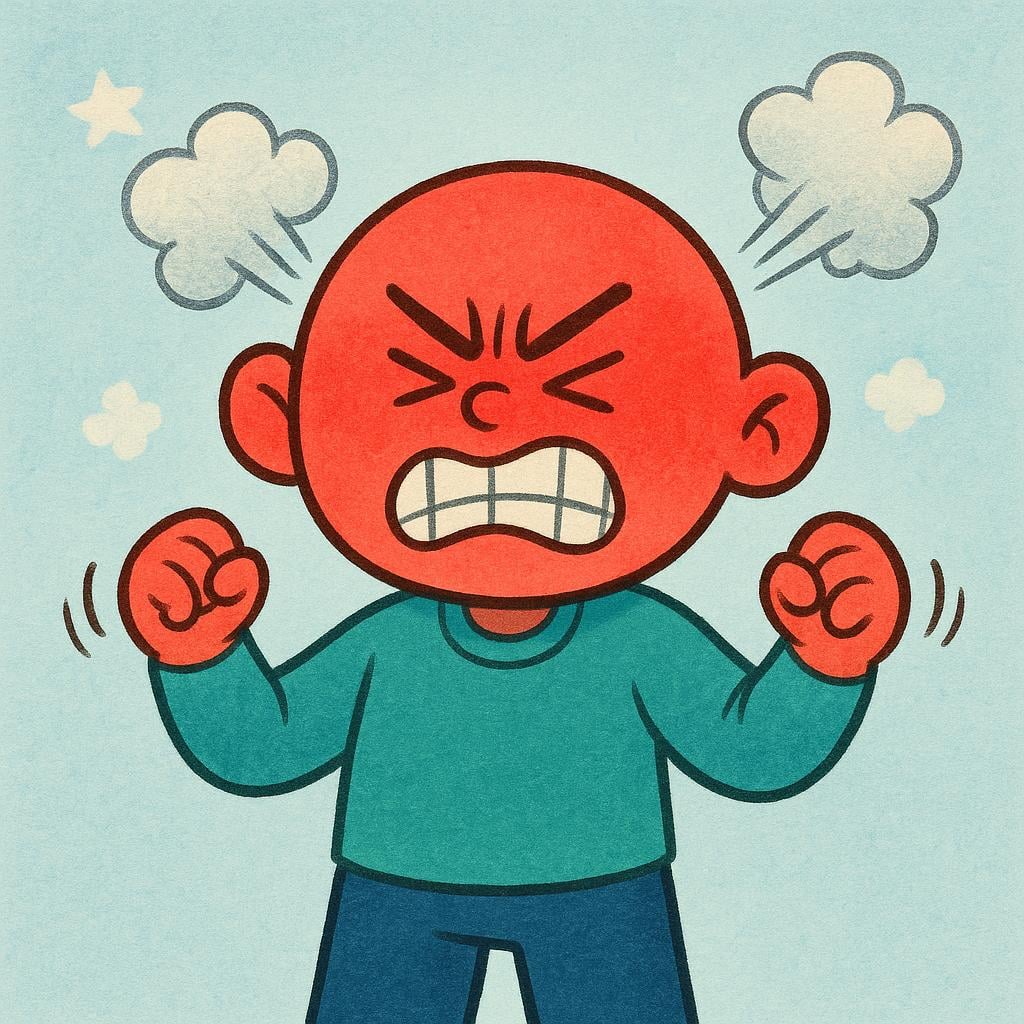
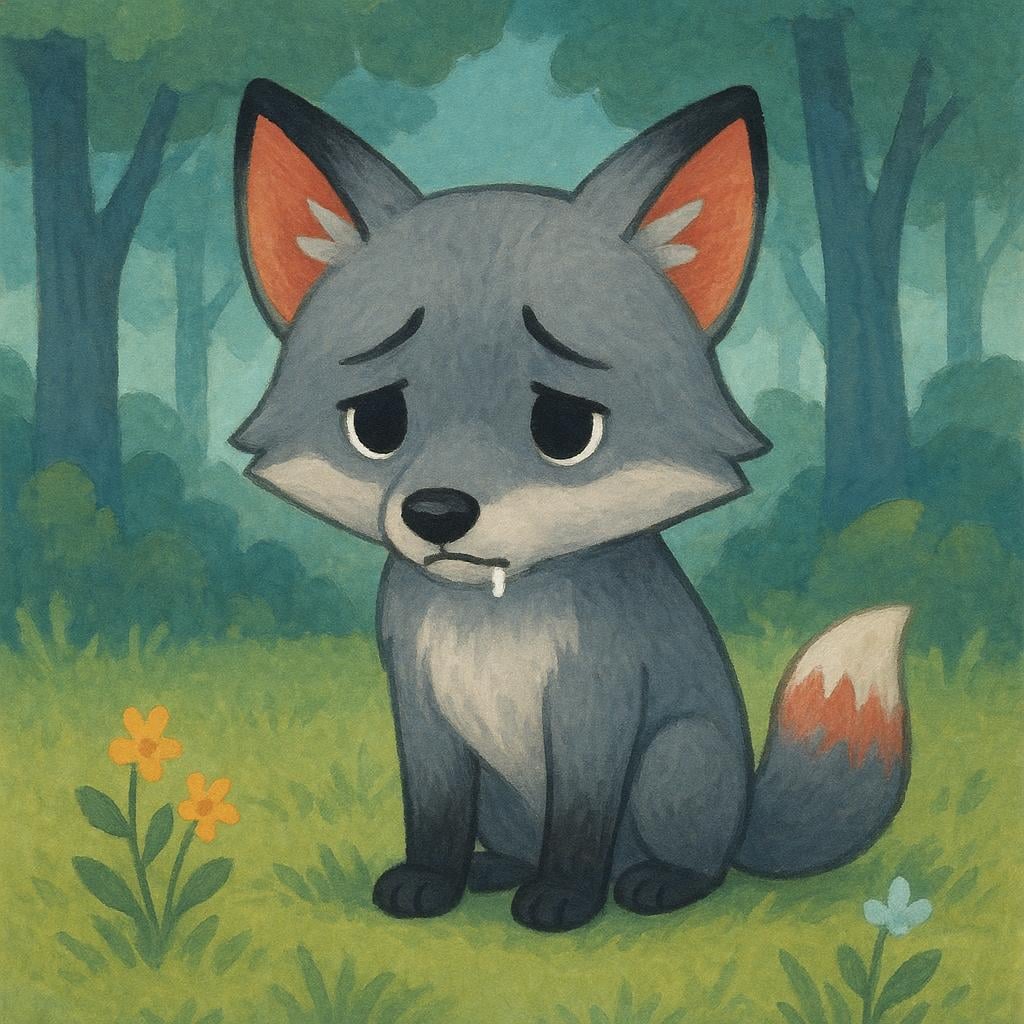
“rabia” means “rage” in Spanish. It has 2 different meanings depending on context:
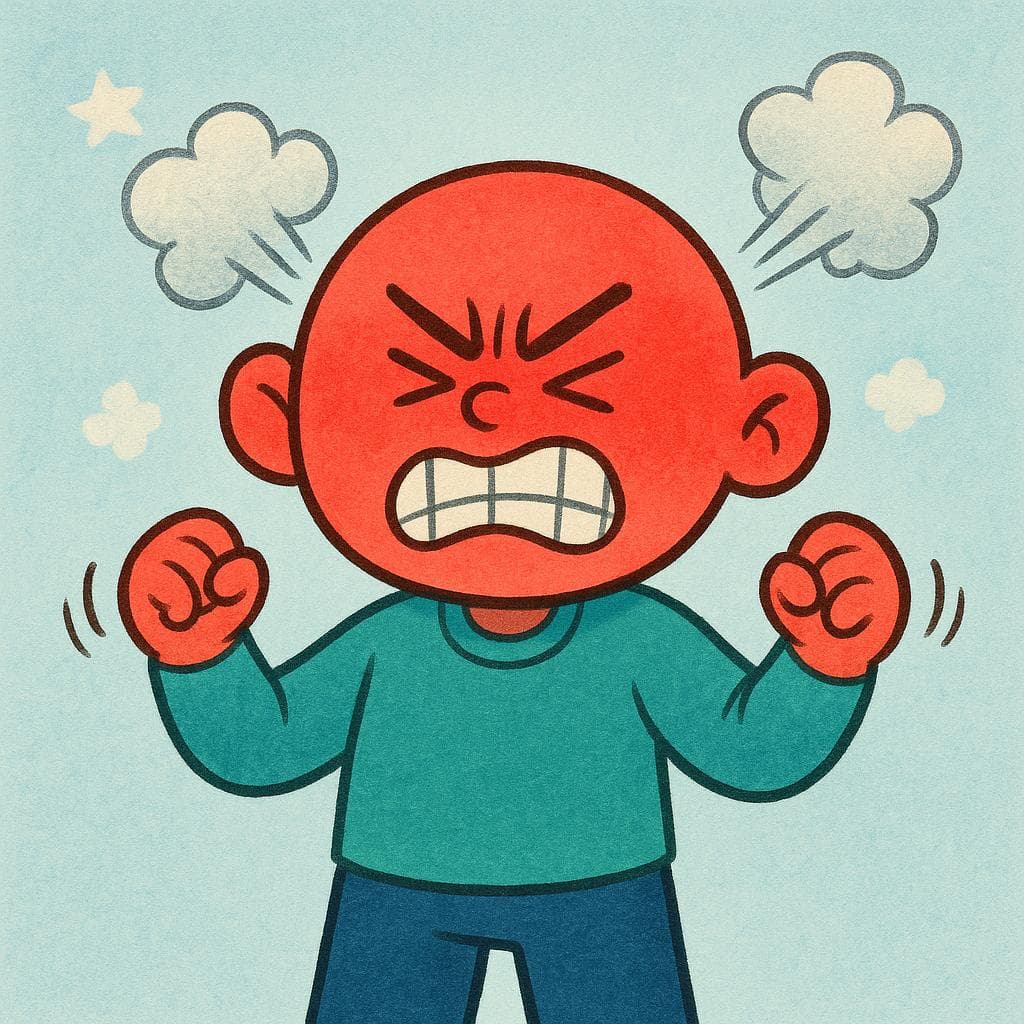
rage, furyAlso: annoyance, spite
📝 In Action
Sentí tanta rabia cuando perdí el partido que rompí la raqueta.
B1I felt so much rage when I lost the game that I broke the racket.
Me da rabia que siempre llegues tarde.
A2It makes me furious that you are always late. (Literally: It gives me rage...)
Actuó por pura rabia, sin pensar en las consecuencias.
B2He acted out of pure fury, without thinking about the consequences.
Word Connections
rabies
📝 In Action
La prevención de la rabia en animales domésticos es fundamental.
B2The prevention of rabies in domestic animals is essential.
El murciélago podría transmitir la rabia.
C1The bat could transmit rabies.
Word Connections
✏️ Quick Practice
Quick Quiz: rabia
Question 1 of 2
Which sentence uses 'rabia' to mean intense anger, rather than the disease?
📚 More Resources
👥 Word Family
🎵 Rhymes
📚 Etymology
The word comes directly from the Latin word *rabia*, which meant 'madness' or 'fury.' This single Latin root gave rise to both the meaning of intense anger and the name of the disease that causes madness.
First recorded: Around the 13th century in Spanish.
Cognates (Related words)
💡 Master Spanish
Take your Spanish to the next level. Read 200+ illustrated and narrated Spanish stories tailored to your level with the Inklingo app!
Frequently Asked Questions
How can I tell if 'rabia' means 'rage' or 'rabies'?
Context is your best friend! If the sentence talks about emotions, injustice, or losing a game, it means 'rage' (fury). If it talks about animals, bites, or vaccines, it means the disease 'rabies'.
Is 'rabia' stronger than 'enojo' or 'enfado'?
Yes. 'Enojo' or 'enfado' mean general anger. 'Rabia' is much stronger; it implies fury, resentment, or uncontrollable rage, often felt deep inside.