How to Say "season" in Spanish
The most common Spanish word for “season” is “estación” — use 'estación' to refer to the four periods of the year: spring, summer, autumn (fall), and winter.
Use 'estación' to refer to the four periods of the year: spring, summer, autumn (fall), and winter.
Learn more →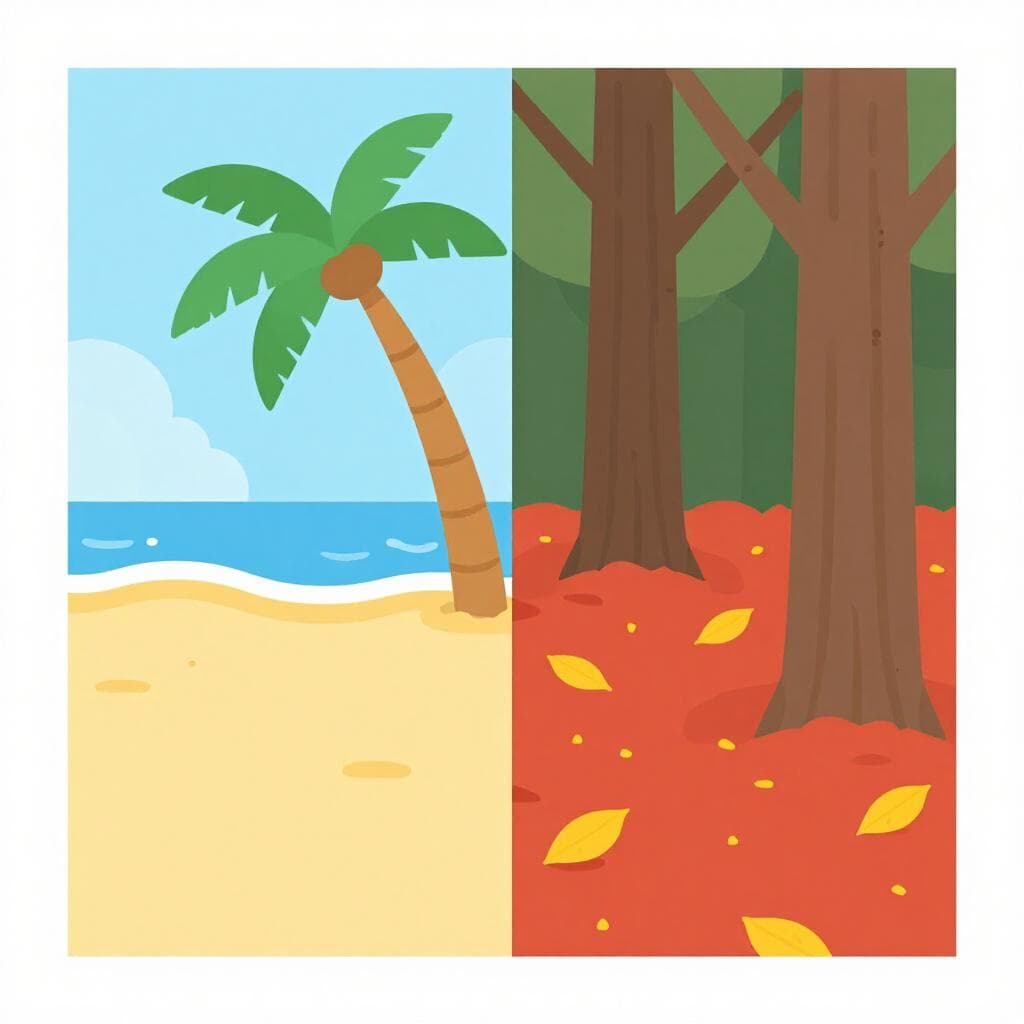
Use 'temporada' for a defined period of time related to specific activities like sports leagues, TV shows, or annual events.
Learn more →Use 'época' to describe a specific time or period, often characterized by particular events, conditions, or traditions, like a holiday season or a harvest period.
Learn more →
Use 'tiempo' when referring to a general period or time of year associated with a particular activity or condition, often in a more abstract or historical sense.
Learn more →Use 'campaña' specifically for the period dedicated to agricultural activities like harvesting crops, or for fishing or military operations.
Learn more →estación
Examples
Me encanta el verano, es mi estación preferida.
I love summer, it's my favorite season.
tem-po-RAH-dahtem.poˈɾa.ða

Examples
La nueva temporada de mi serie favorita empieza la semana que viene.
The new season of my favorite series starts next week.
La próxima temporada de fútbol comienza en agosto.
The next football season begins in August.
Esta es la última temporada de mi serie favorita.
This is the final season of my favorite series.
Durante la temporada de lluvias, necesitamos paraguas.
During the rainy season, we need umbrellas.
Gender Check
Remember that 'temporada' is feminine, so you must use feminine words with it, like 'la' (the) and 'esta' (this).
Season vs. Estación
Mistake: “Using 'temporada' for the four main climate seasons (spring, summer, fall, winter).”
Correction: Use 'estación' (la estación) for climate seasons. Reserve 'temporada' for specific activity periods (TV, sports, business, holidays).
época
Examples
Durante la época navideña, la ciudad se llena de luces.
During the Christmas season, the city fills with lights.
tyem-poˈtjempo
Examples
Es el tiempo de las lluvias en la selva amazónica.
It is the rainy season in the Amazon rainforest.
En tiempos de los romanos, la vida era muy diferente.
In Roman times, life was very different.
En mis tiempos de estudiante, leía mucho.
In my student days, I read a lot.
Es tiempo de cosecha.
It's harvest time.
Examples
La campaña de la vendimia fue muy productiva este año.
The grape harvest season was very productive this year.
Estación vs. Temporada vs. Época
Learners often confuse 'estación' (time of year like spring/summer) with 'temporada' (a specific, often scheduled period like a sports season) and 'época' (a distinct period for an event or condition). Remember: 'estación' is for the calendar year's cycles, while 'temporada' and 'época' are for specific, activity-based or event-based periods.
Related Translations
Learn Spanish with Inklingo
Interactive stories, personalized learning, and more.