How to Say "bell" in Spanish
The most common Spanish word for “bell” is “campana” — use 'campana' for a large bell, typically found in a church tower or as a signaling device in public spaces.

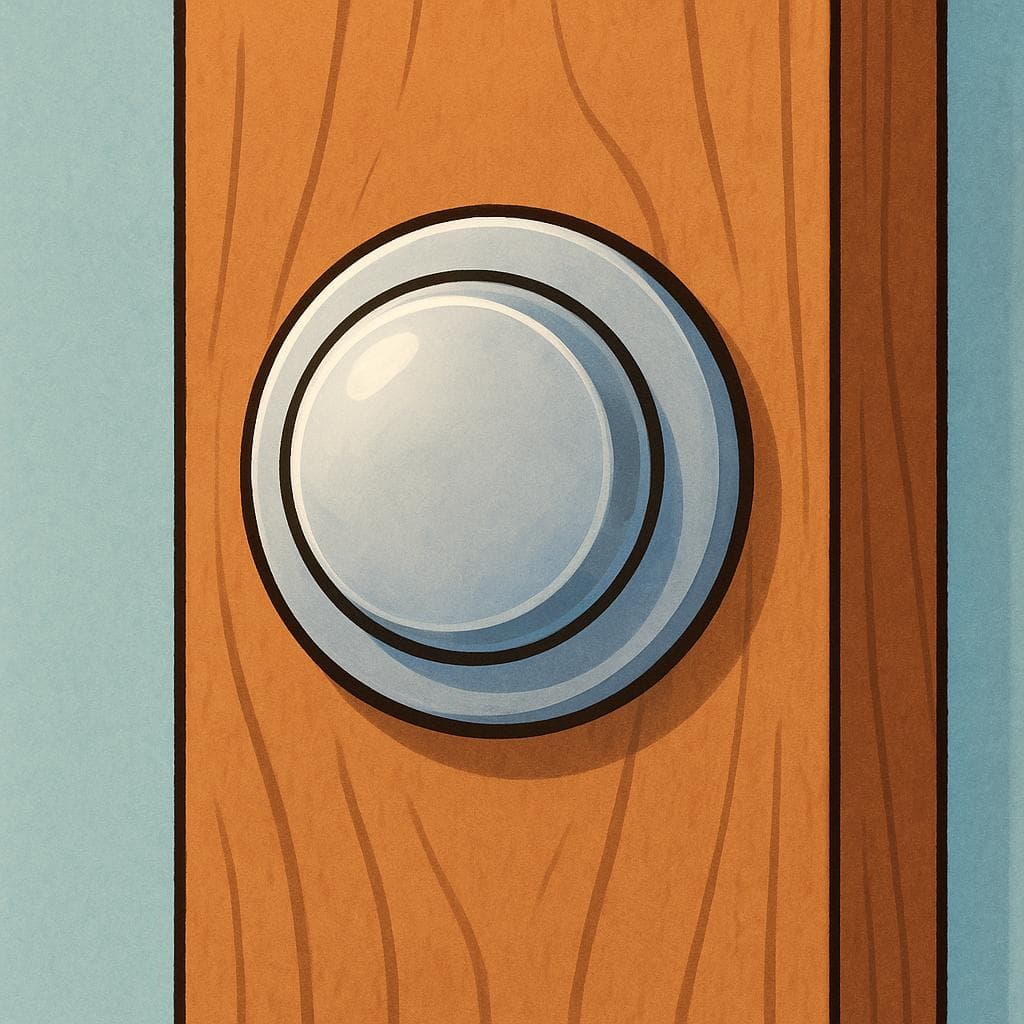
campana
kahm-PAH-nahkamˈpana

Examples
La campana de la iglesia suena cada hora.
The church bell rings every hour.
El carillón está hecho de muchas campanas pequeñas.
The carillon is made of many small bells.
Feminine Noun
Since 'campana' ends in -a, it is feminine. You must use 'la' (the) or 'una' (a) before it.
Confusing Size
Mistake: “Using 'campana' for a tiny bell on a desk.”
Correction: Use 'campanilla' for small, hand-held bells or desk bells. 'Campana' usually implies a larger, fixed bell.
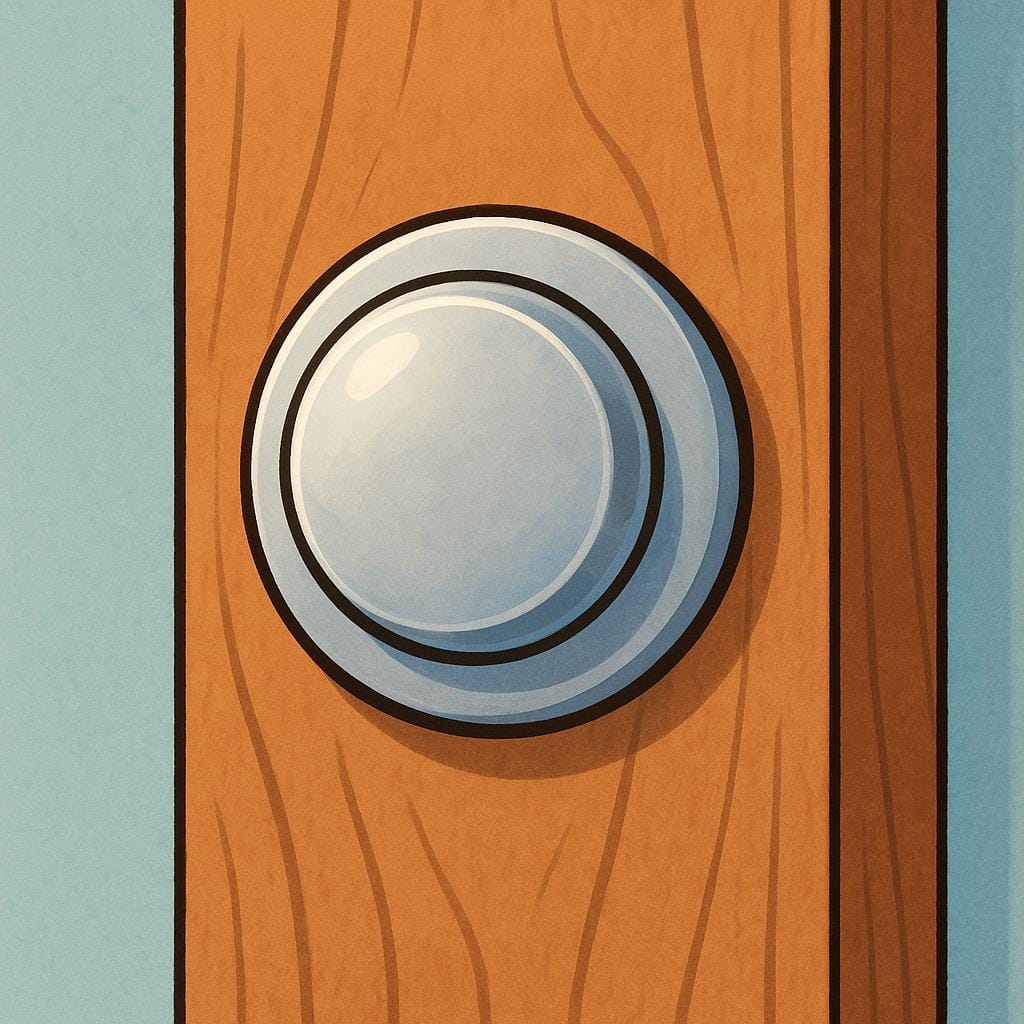
timbre
TEEM-brayˈtim.bɾe
Examples
Toca el timbre para avisar que llegaste.
Ring the doorbell to let them know you arrived.
El timbre de mi casa no funciona, tienes que llamar a la puerta.
My house's doorbell doesn't work, you have to knock on the door.
Campana vs. Timbre
Learn Spanish with Inklingo
Interactive stories, personalized learning, and more.