How to Say "canopy" in Spanish
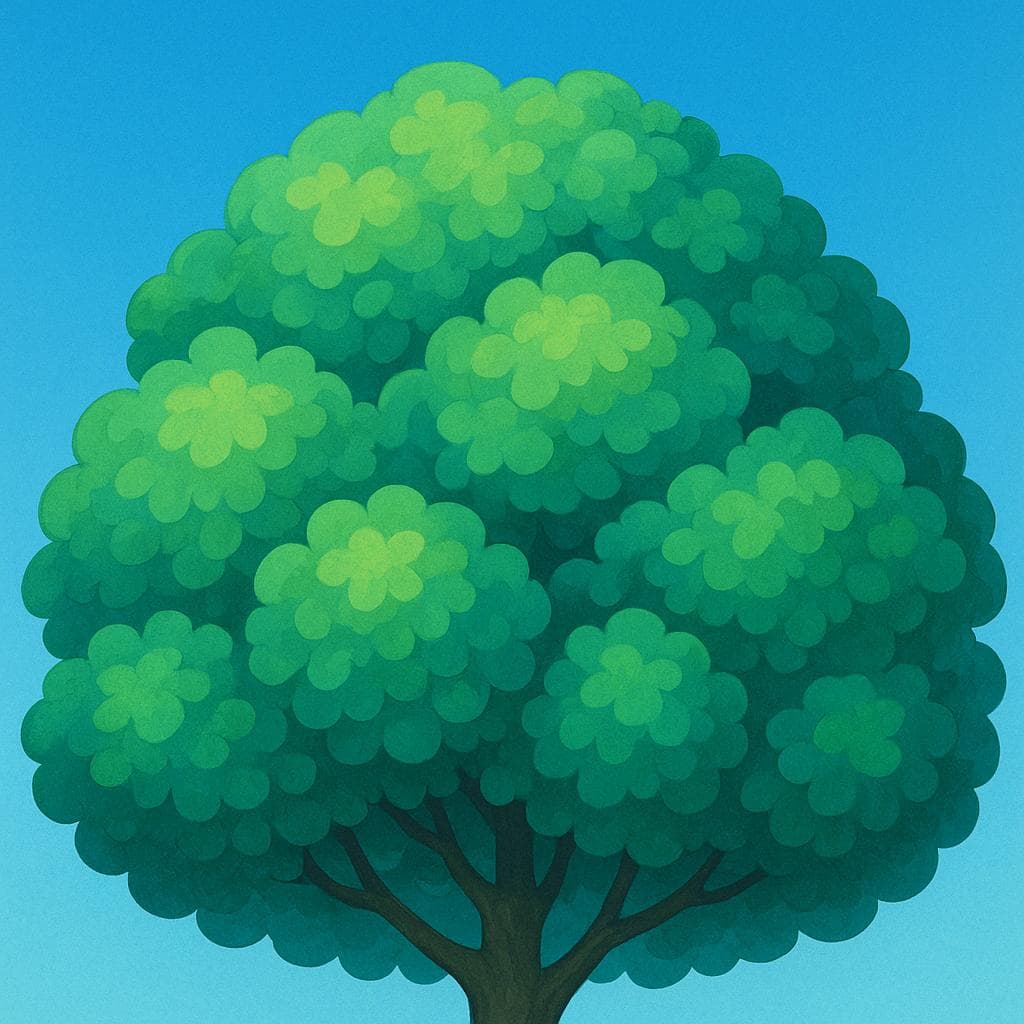
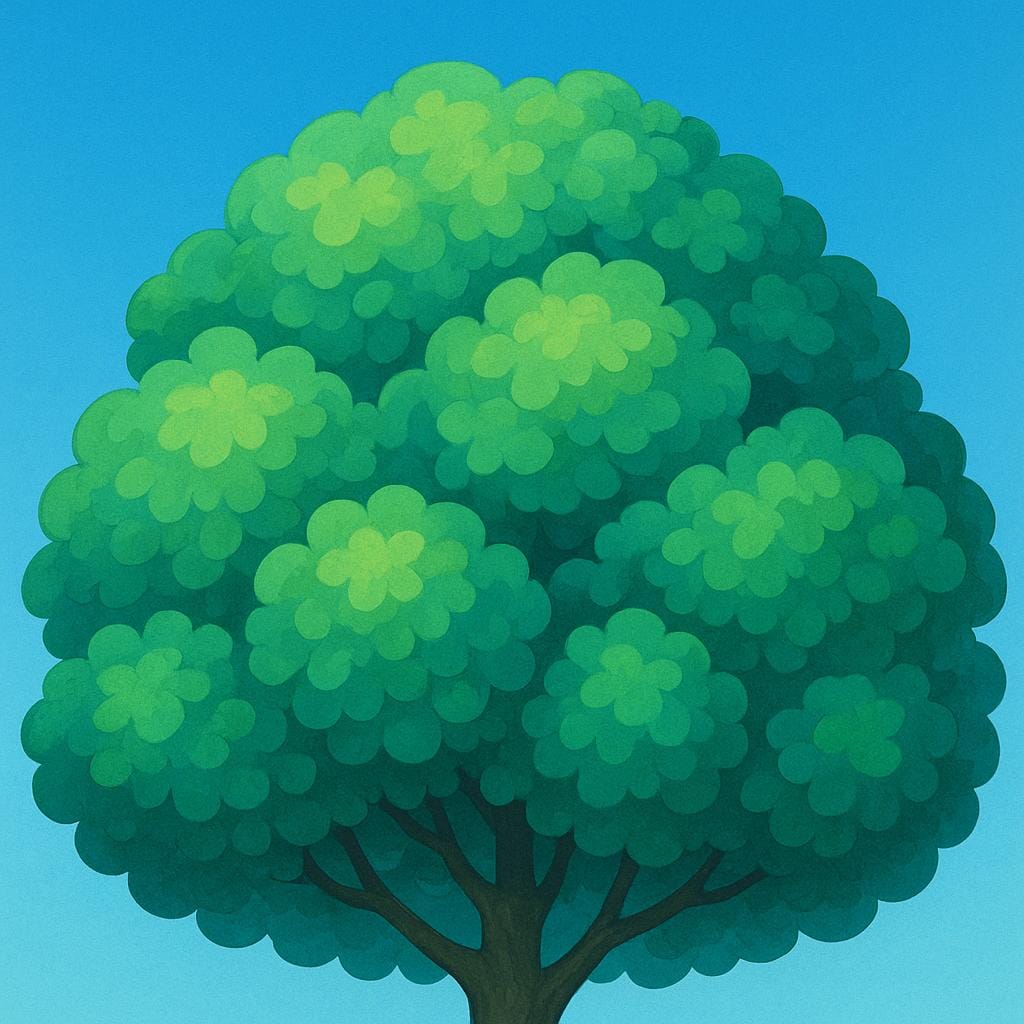
The most common Spanish word for “canopy” is “copa” — use 'copa' when referring to the leafy, upper part of a tree that forms a natural canopy.
copa
KOH-pahˈko.pa
Examples
La copa del árbol era tan densa que no dejaba pasar el sol.
The tree canopy was so dense that it didn't let the sun through.
Necesitas podar la copa de ese arbusto para que crezca mejor.
You need to prune the crown of that bush so it grows better.
Figurative Use
This meaning extends the concept of 'copa' (the rounded top of a drinking vessel) to the rounded top of a tree.
campana
kahm-PAH-nahkamˈpana
Examples
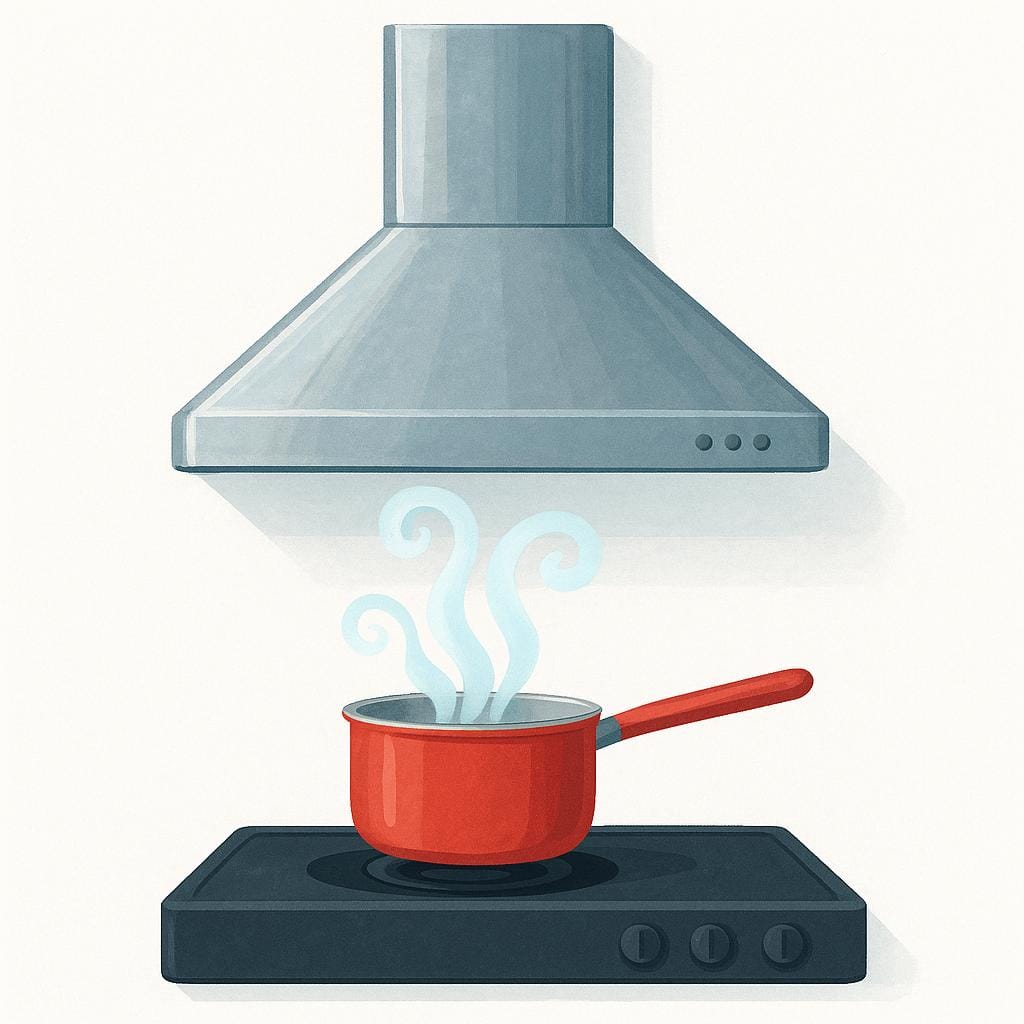
Instalamos una campana nueva sobre la estufa para sacar el humo.
We installed a new hood above the stove to extract the smoke.
El científico puso el experimento bajo una campana de cristal.
The scientist put the experiment under a glass bell jar.
Shape Connection
This meaning comes directly from the shape of a bell (wide and open at the bottom). Any object that has this characteristic shape can be called a 'campana' in technical language.
bóveda
Examples
Las estrellas brillaban en la bóveda celeste.
The stars were shining in the vault of heaven.
pabellón
Examples
Mi abuelo está ingresado en el pabellón de cardiología.
My grandfather is admitted to the cardiology ward.
Confusing 'Copa' and 'Bóveda'
Related Translations
Learn Spanish with Inklingo
Interactive stories, personalized learning, and more.