How to Say "era" in Spanish
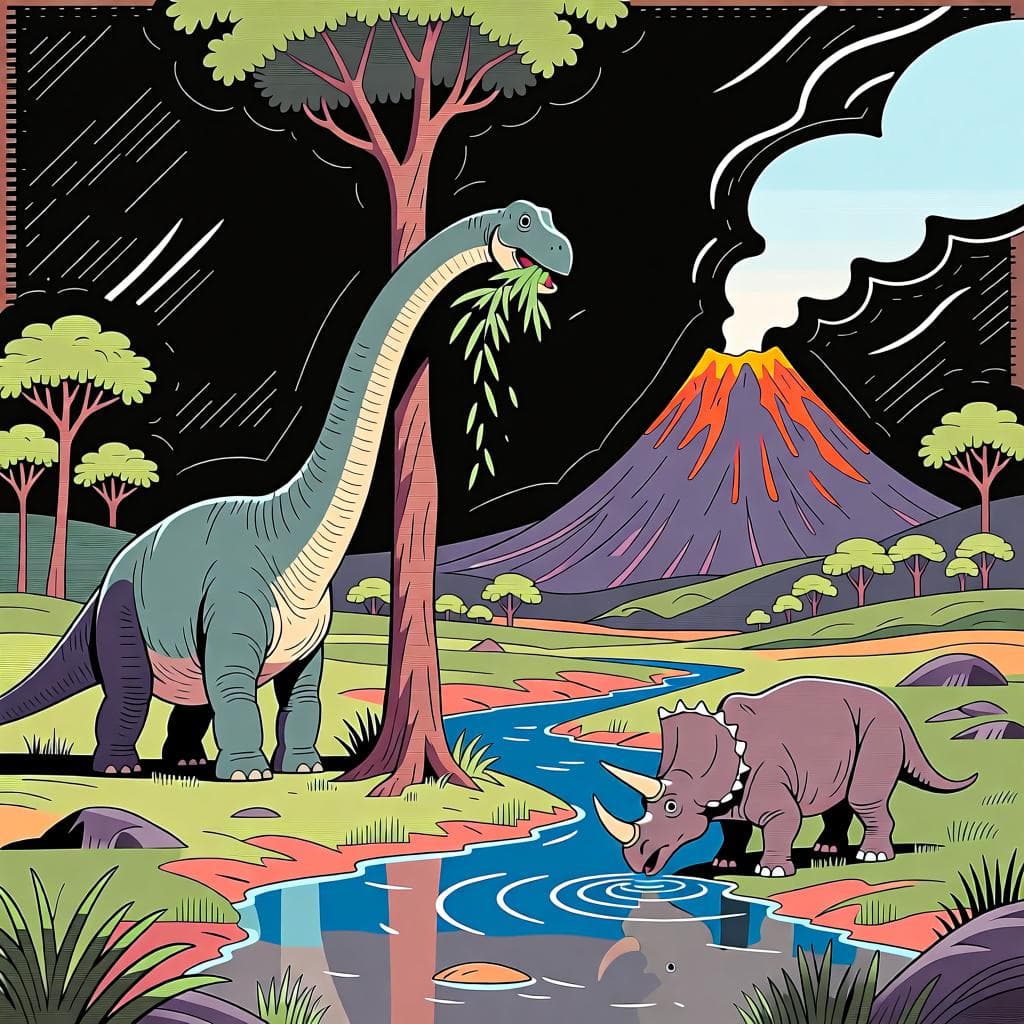
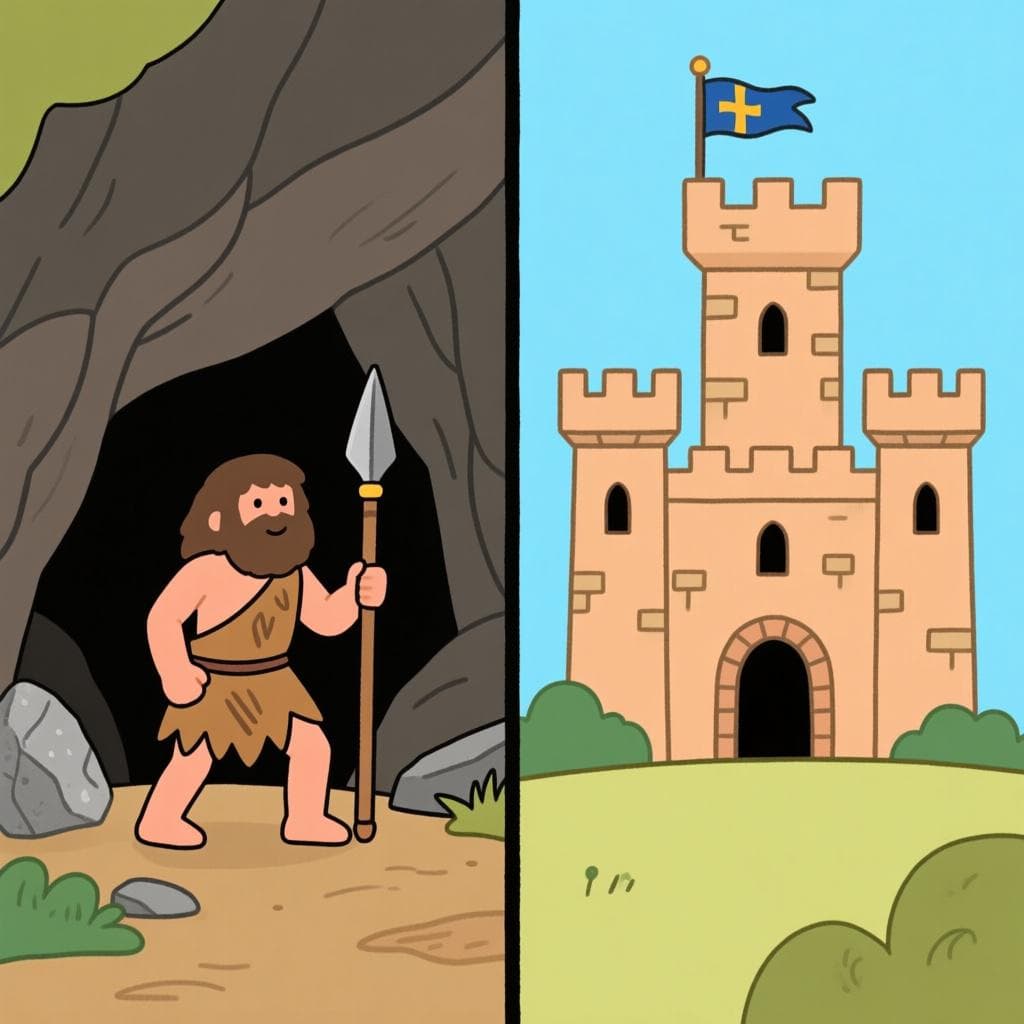
The most common Spanish word for “era” is “época” — use 'época' for a specific period of history, often characterized by particular events, rulers, or cultural trends, especially when referring to a more general or less rigidly defined span of time.
época
Examples
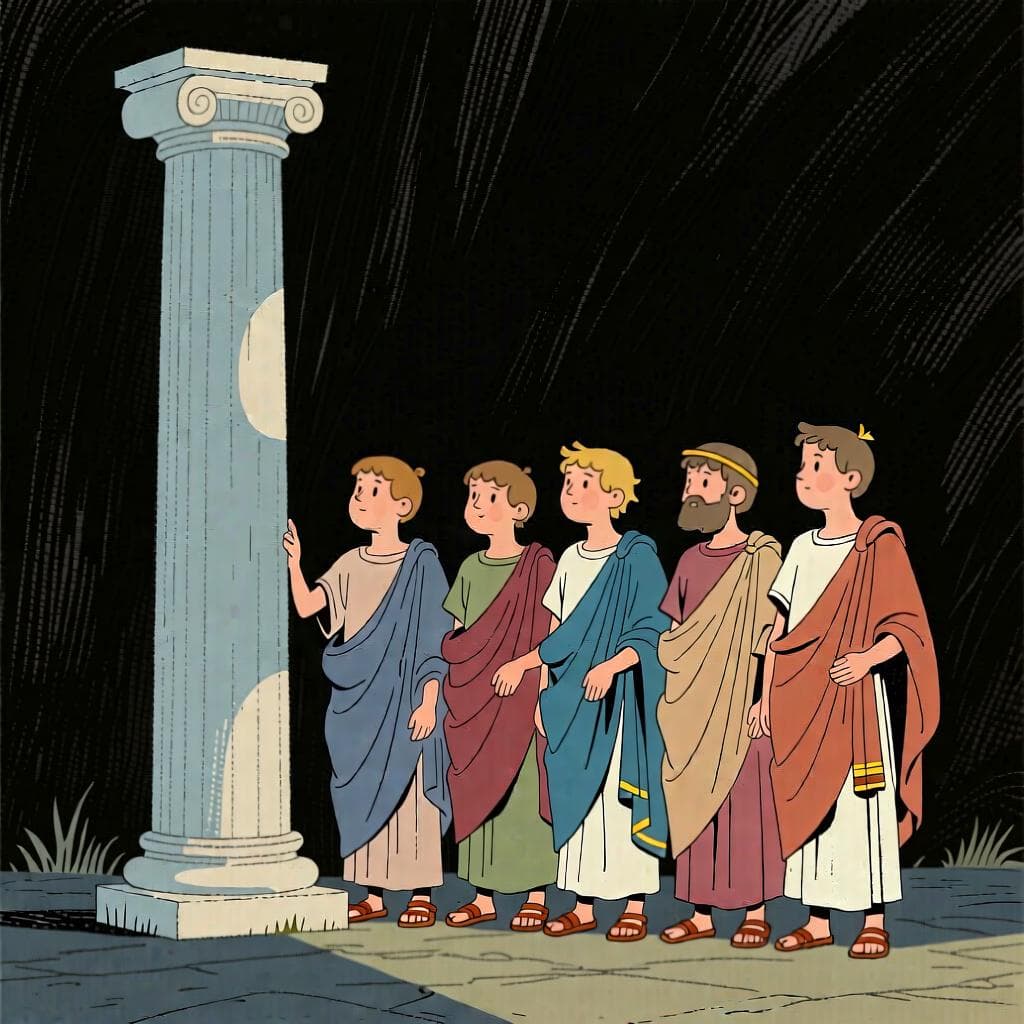
La época de la Ilustración trajo grandes avances intelectuales.
The Enlightenment era brought great intellectual advances.
era
EH-rahˈe.ɾa
Examples
La Era de Hielo fue un período de bajas temperaturas globales.
The Ice Age was a period of low global temperatures.
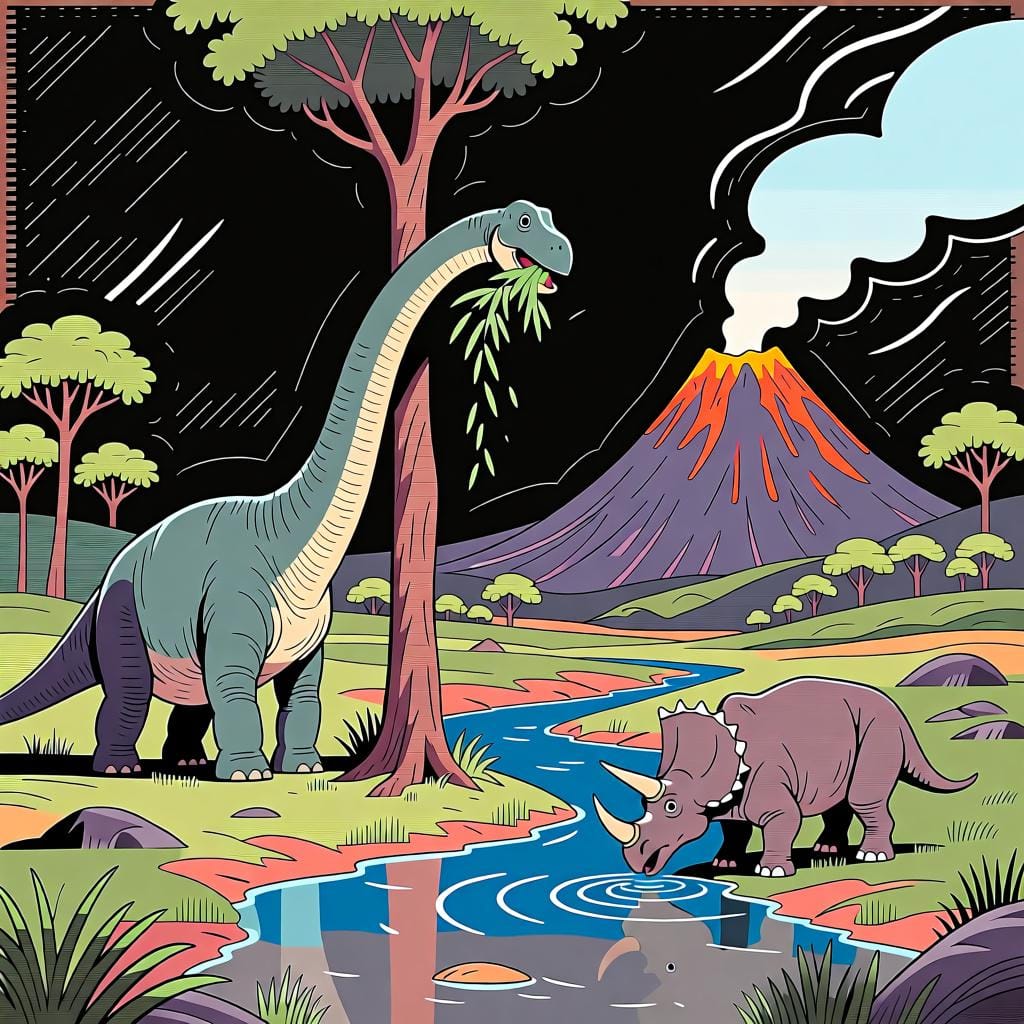
Los dinosaurios vivieron en la Era Mesozoica.
Dinosaurs lived in the Mesozoic Era.
Estamos viviendo en la era de la información.
We are living in the information age.
Fue el comienzo de una nueva era para la compañía.
It was the beginning of a new era for the company.
Always Feminine
When 'era' means a period of time, it's a feminine noun. Always use 'la' or 'una' with it, like 'la era' or 'una nueva era'.
edad
e-dadeˈðað
Examples
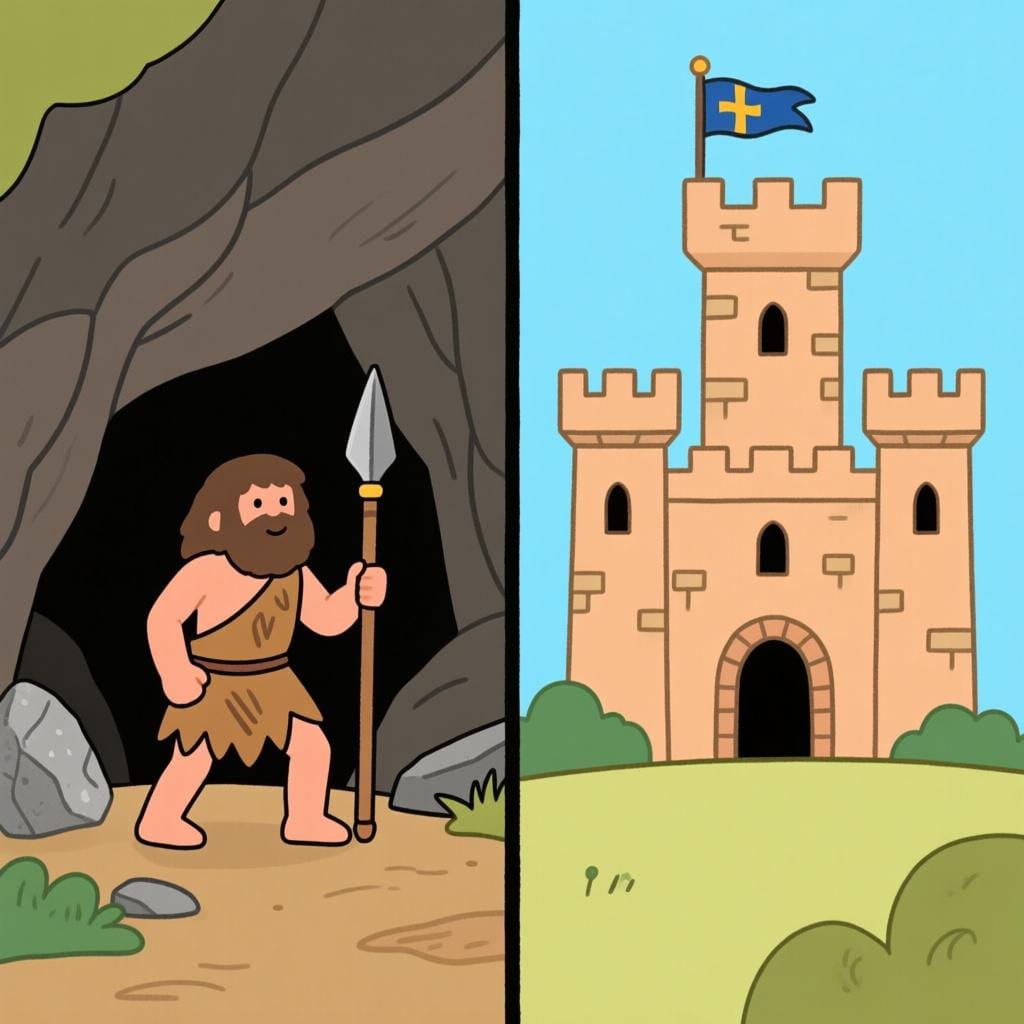
La Edad de Oro de la literatura española es muy admirada.
The Golden Age of Spanish literature is highly admired.
La Edad Media fue una época fascinante.
The Middle Ages was a fascinating era.
Vivimos en la edad de la información.
We live in the information age.
La Edad de Piedra es el período más antiguo de la prehistoria.
The Stone Age is the oldest period of prehistory.
tiempo
tyem-poˈtjempo
Examples
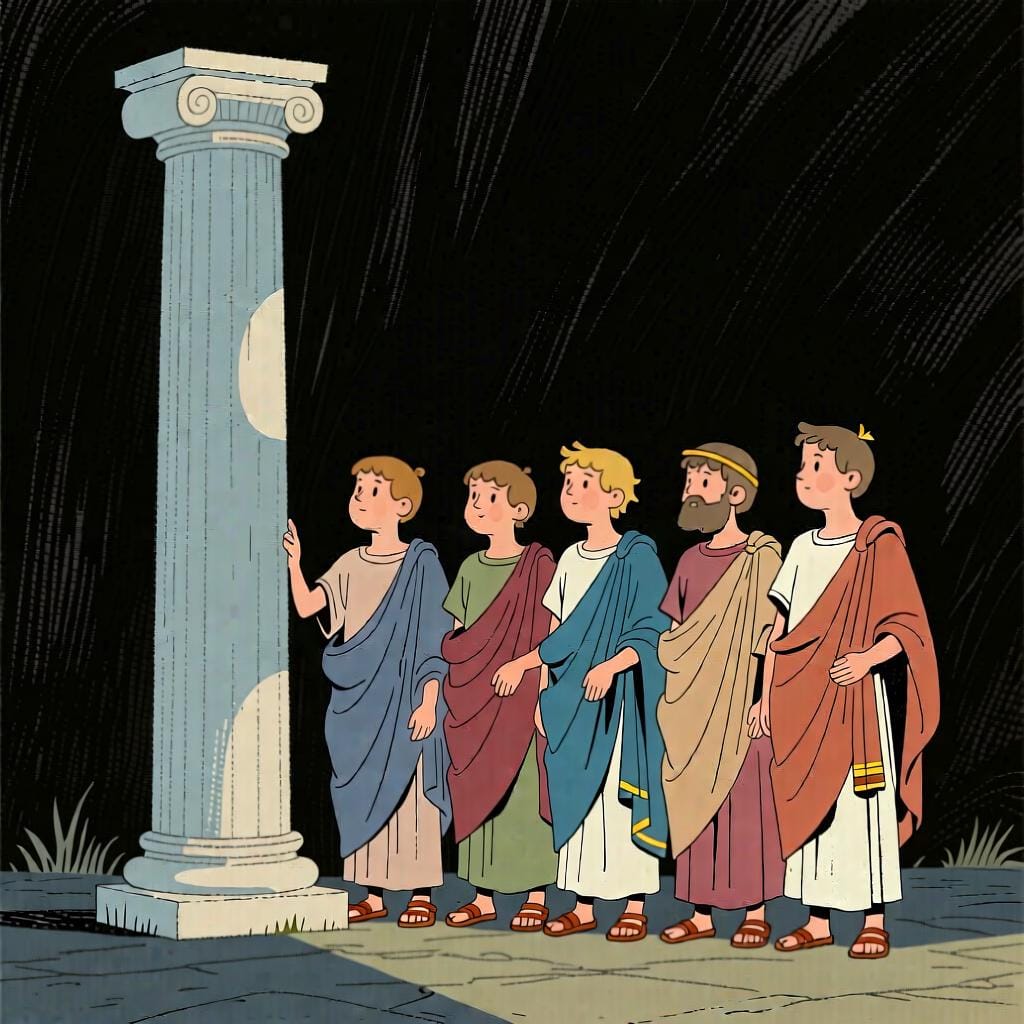
En tiempos de Cervantes, la sociedad era muy distinta.
In Cervantes' times, society was very different.
En tiempos de los romanos, la vida era muy diferente.
In Roman times, life was very different.
En mis tiempos de estudiante, leía mucho.
In my student days, I read a lot.
Es tiempo de cosecha.
It's harvest time.
Choosing Between 'Época' and 'Era'
Learn Spanish with Inklingo
Interactive stories, personalized learning, and more.