How to Say "epoch" in Spanish
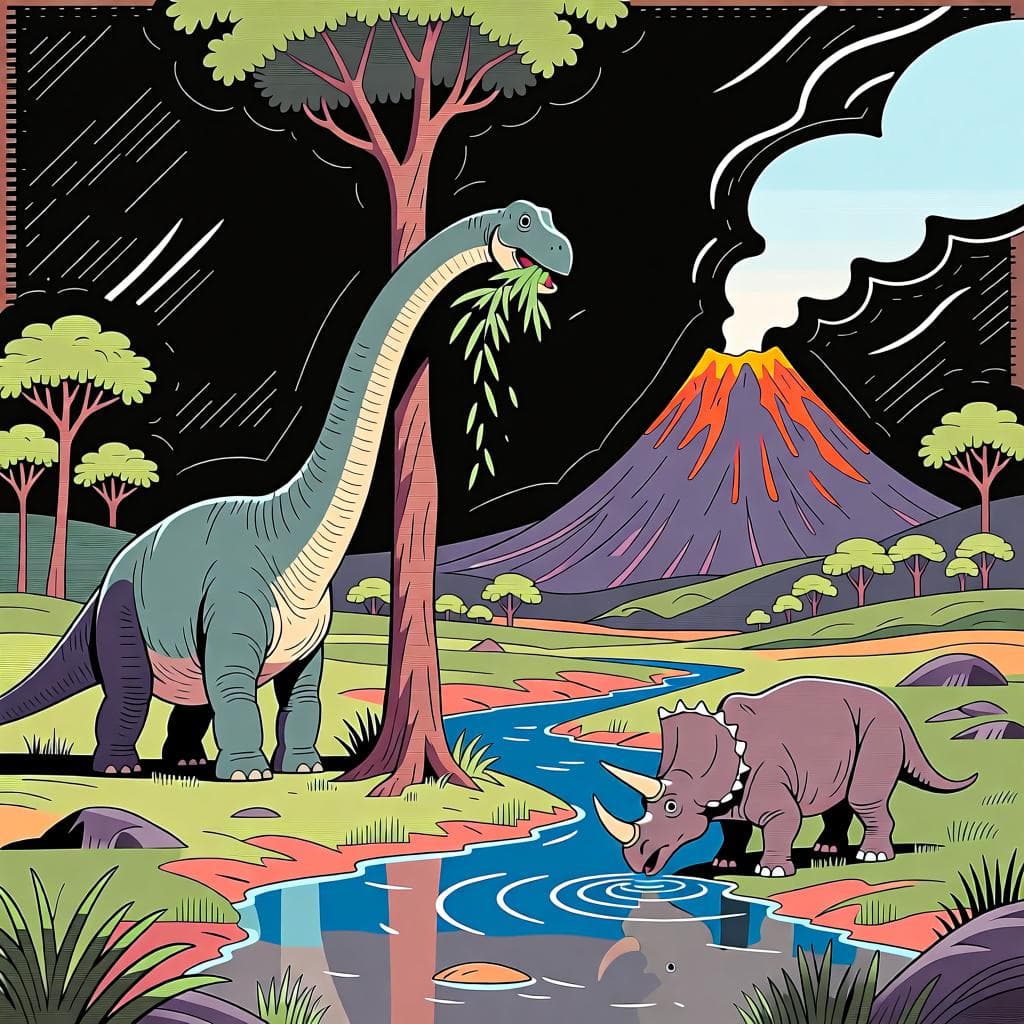
The most common Spanish word for “epoch” is “época” — use 'época' for general historical periods, significant eras in history, or a distinct period in someone's life.
English → Spanish
época
nounA2formal or geological time scale
Use 'época' for general historical periods, significant eras in history, or a distinct period in someone's life.
Examples
La época victoriana fue un periodo de gran cambio social.
The Victorian era was a period of great social change.
era
EH-rahˈe.ɾa
nounB1scientific/geological time
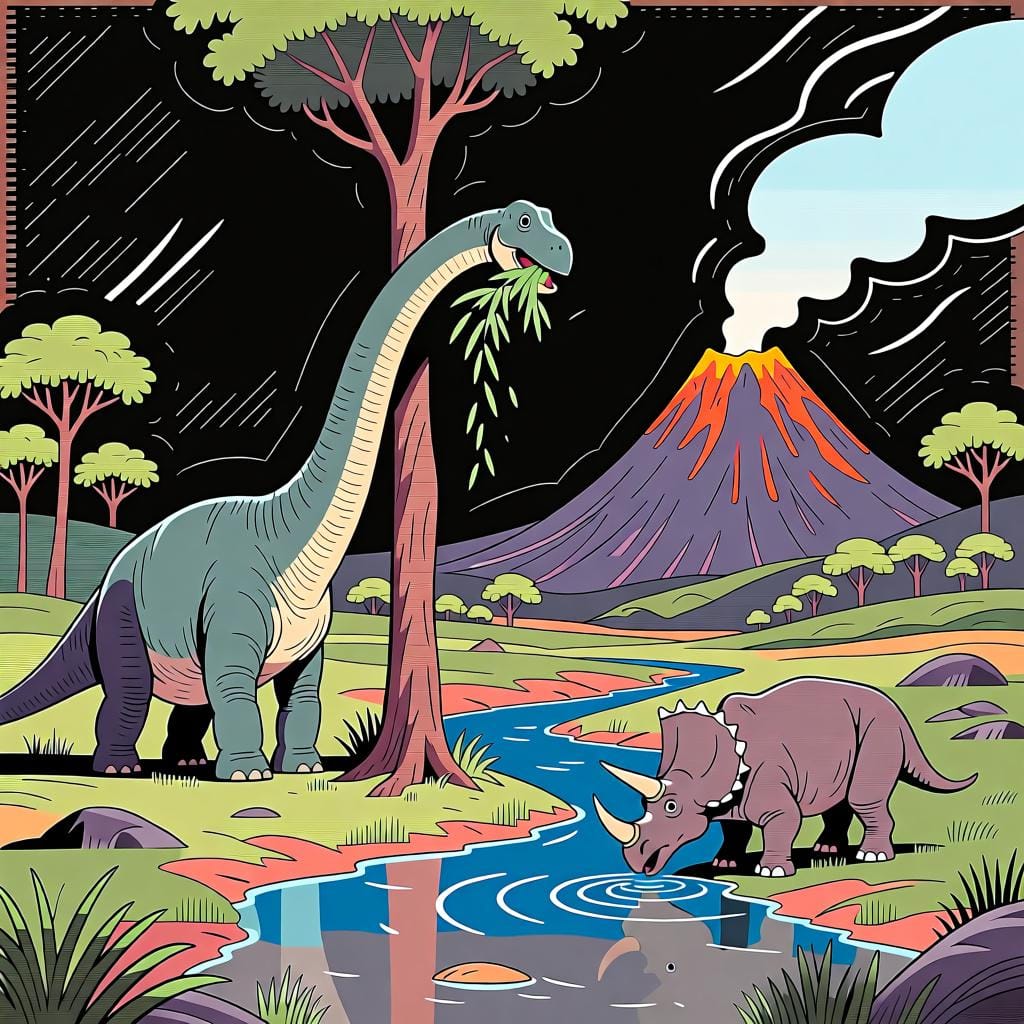
Use 'era' specifically for geological or scientific time divisions, often referring to vast spans of geological history.
Examples
Los dinosaurios vivieron en la Era Mesozoica.
Dinosaurs lived in the Mesozoic Era.
Estamos viviendo en la era de la información.
We are living in the information age.
Fue el comienzo de una nueva era para la compañía.
It was the beginning of a new era for the company.
Always Feminine
When 'era' means a period of time, it's a feminine noun. Always use 'la' or 'una' with it, like 'la era' or 'una nueva era'.
Choosing Between 'Época' and 'Era'
The most common mistake is using 'época' when referring to geological time, or 'era' for historical periods. Remember that 'era' is primarily for scientific/geological epochs, while 'época' covers broader historical and personal periods.
Learn Spanish with Inklingo
Interactive stories, personalized learning, and more.