How to Say "it was" in Spanish
The most common Spanish word for “it was” is “fue” — use 'fue' to describe a completed past action, an identity, or a characteristic that is no longer true.

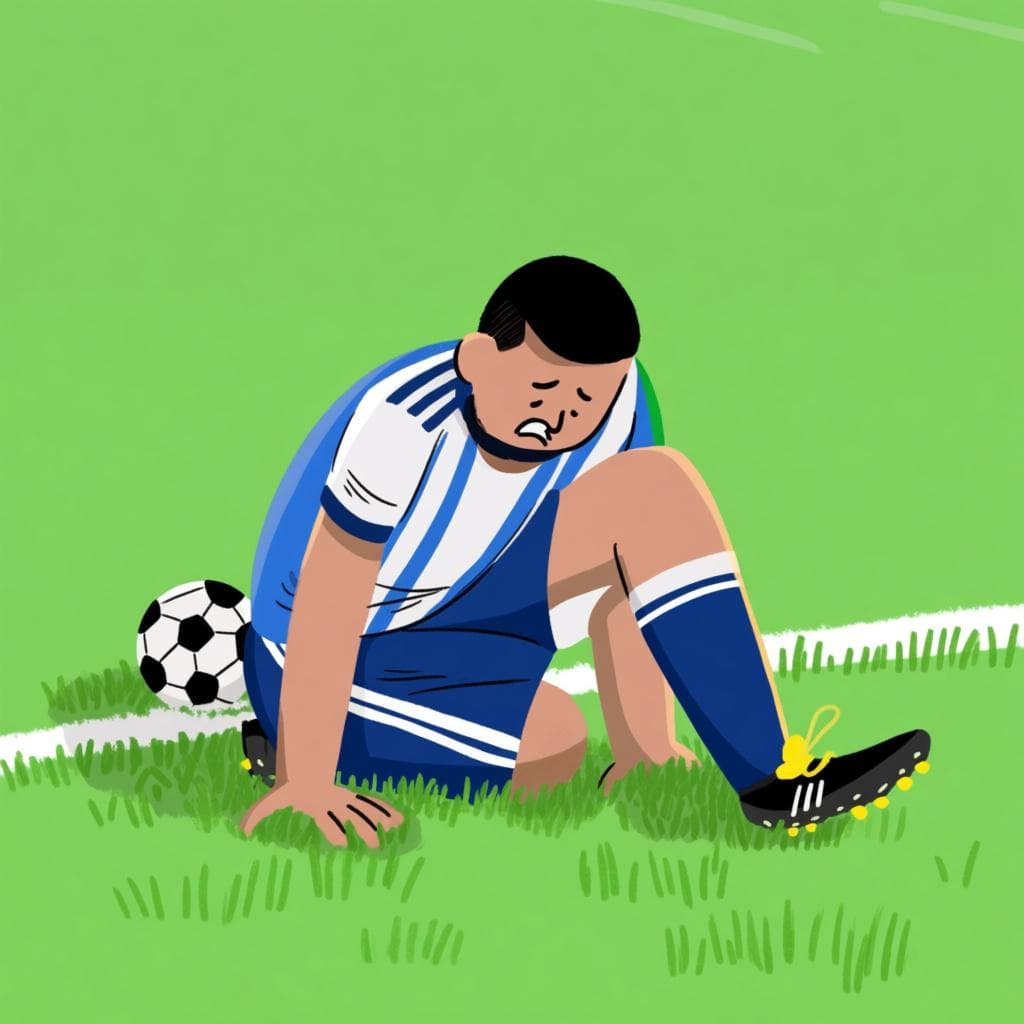

fue
fwehfwe

Examples
Mi abuela fue enfermera.
My grandmother was a nurse.
La película fue excelente.
The movie was excellent.
Fue un día muy importante para nosotros.
It was a very important day for us.
A Past Form of 'Ser' (to be)
This 'fue' comes from the verb 'ser'. Use it for completed events or to state what someone or something was in a finished period of time. Think of it as a snapshot: the action is over.
Using 'Fue' for Descriptions
Mistake: “La casa fue grande.”
Correction: La casa era grande. Use 'era' for descriptions in the past (like size, color, or personality). Use 'fue' for events ('La fiesta fue grande').
Examples
Mis abuelos eran muy amables.
My grandparents were very kind.
estuvo
es-TOO-bohesˈtu.βo
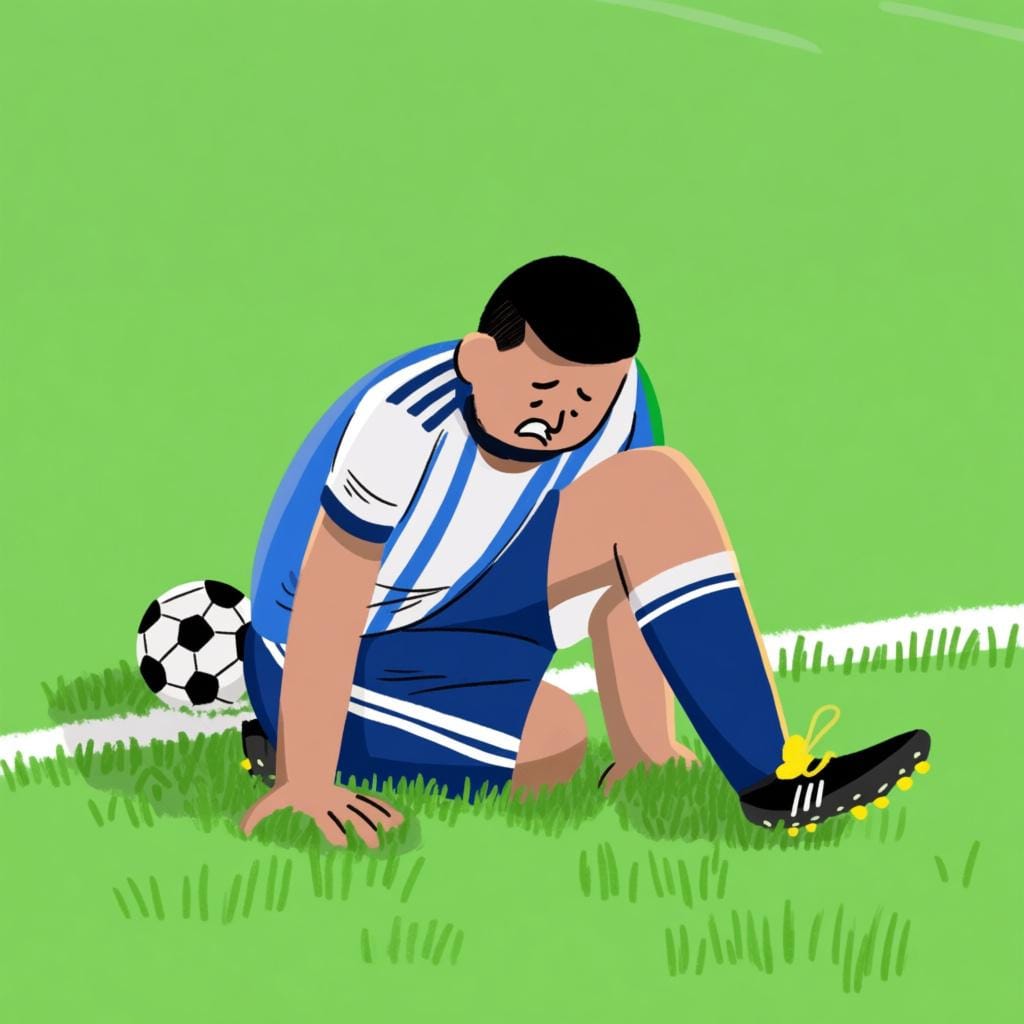
Examples
Él estuvo muy cansado después del partido.
He was very tired after the game.
La sopa estuvo deliciosa, gracias.
The soup was delicious, thank you.
La puerta estuvo cerrada toda la mañana.
The door was closed all morning.
Temporary Conditions
Use 'estuvo' for feelings, moods, and physical states that have a beginning and an end. You weren't always tired, you were tired after the game.
'Estuvo' vs. 'Era'
Mistake: “La fiesta era divertida anoche.”
Correction: La fiesta estuvo divertida anoche. We use 'estuvo' to give our opinion on a specific event. 'Era' would describe something that was always fun, like a permanent characteristic.
hizo
ee-soˈiso

Examples
Ayer hizo mucho calor en la playa.
It was very hot at the beach yesterday.
Hizo un día terrible, con mucho viento y lluvia.
It was a terrible day, with a lot of wind and rain.
En las montañas hizo más frío de lo que esperaba.
In the mountains it was colder than I expected.
Always 'Hizo' for Weather
When talking about weather in the past (like 'it was sunny'), you'll almost always use 'hizo'. It's always this form because 'the weather' is an 'it'.
'Was' isn't always 'Era'
Mistake: “Era frío ayer.”
Correction: **Hizo** frío ayer. For many weather descriptions like temperature and sun, Spanish uses the verb 'hacer', not 'ser' or 'estar'.
Distinguishing 'fue' and 'era'
Learn Spanish with Inklingo
Interactive stories, personalized learning, and more.