How to Say "age" in Spanish
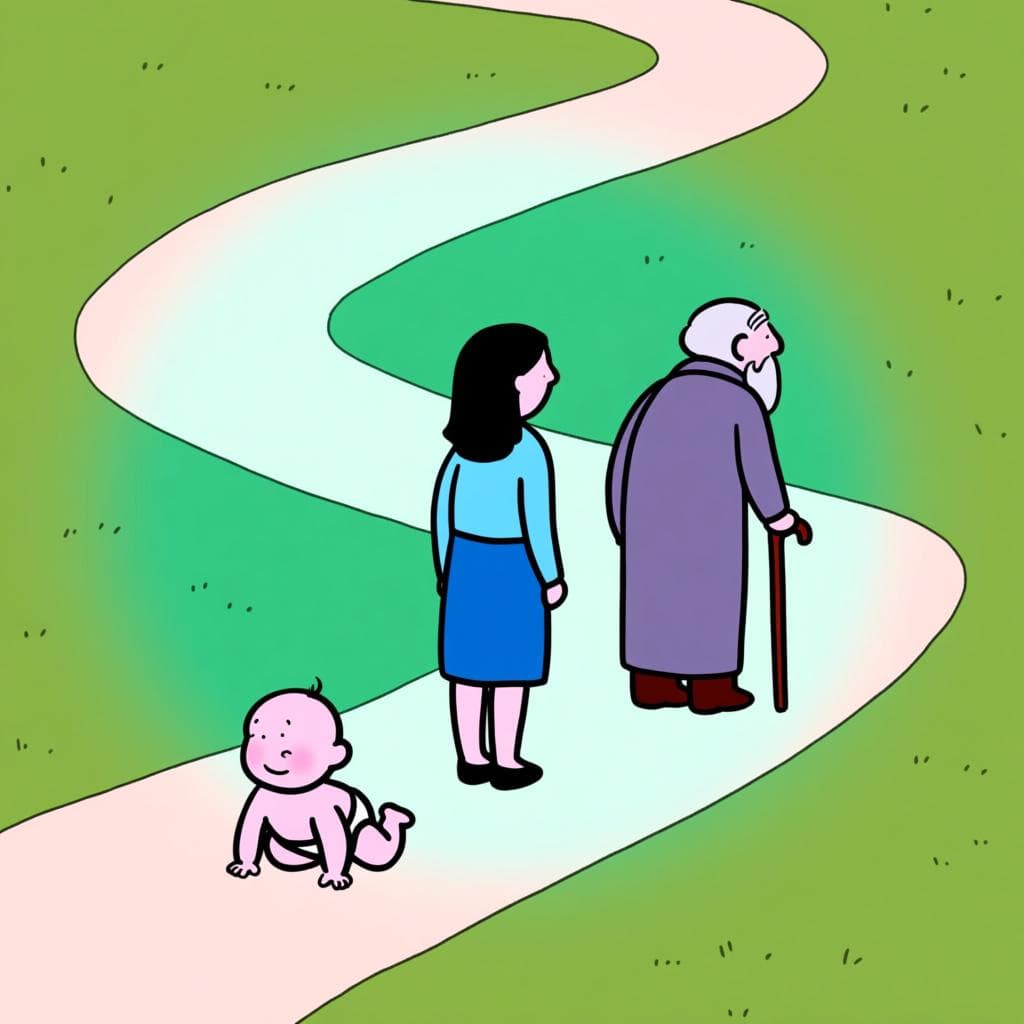
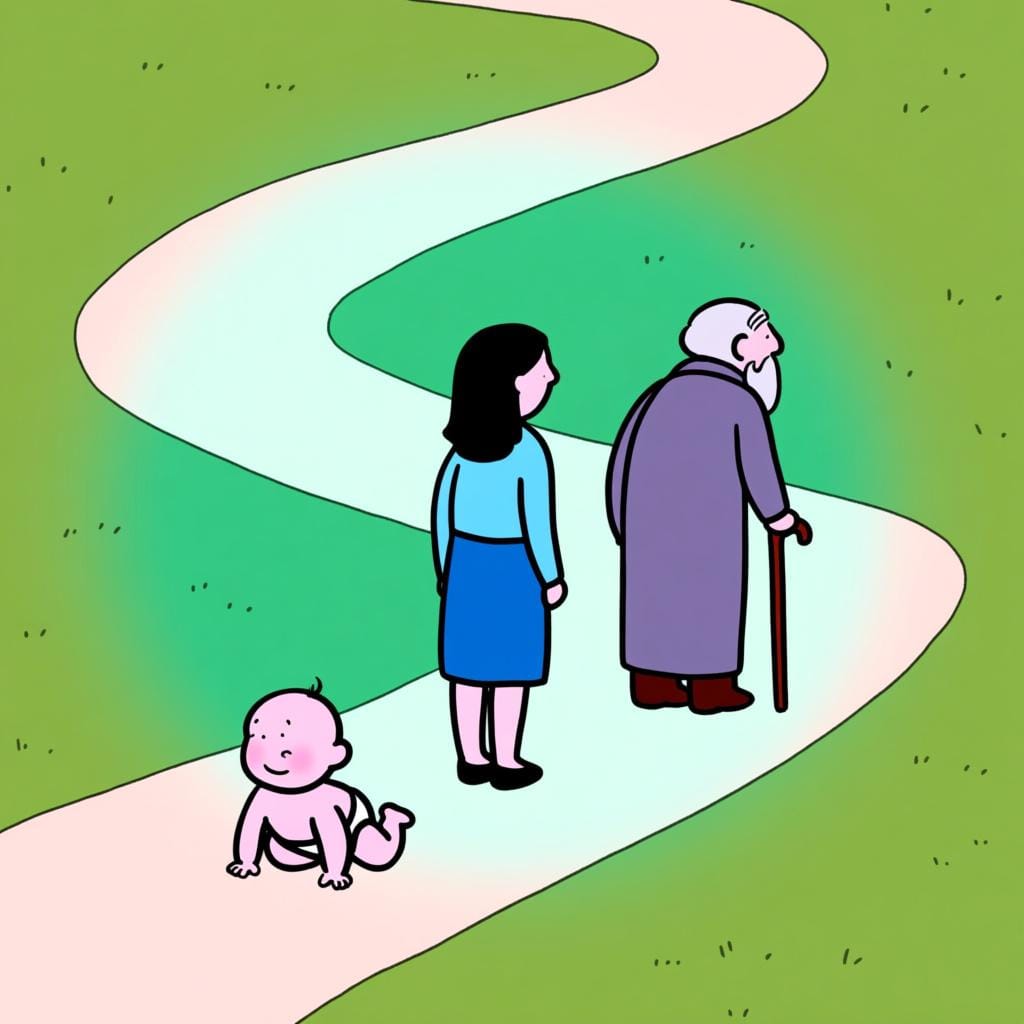
The most common Spanish word for “age” is “edad” — use 'edad' when asking or stating how old a person or animal is, or referring to a stage of life.


edad
e-dadeˈðað
Examples
¿Qué edad tienes?
How old are you?
Mi abuela tiene noventa años de edad.
My grandmother is ninety years of age.
La edad mínima para votar es dieciocho años.
The minimum age to vote is eighteen.
La Edad Media fue una época fascinante.
The Middle Ages was a fascinating era.
Using 'Tener' for Age
In Spanish, you 'have' an age, you don't 'are' an age. Always use the verb 'tener' (to have), not 'ser' or 'estar'. For example, 'Tengo 30 años' means 'I am 30 years old'.
Using 'Ser' Instead of 'Tener'
Mistake: “Soy veinte años.”
Correction: Tengo veinte años. Remember, in Spanish, you possess your years!
año
Examples
Tengo veinte años.
I am twenty years old.
época
Examples
La época victoriana fue un periodo de gran cambio social.
The Victorian era was a period of great social change.
tiempo
tyem-poˈtjempo

Examples
En tiempos de los romanos, la vida era muy diferente.
In Roman times, life was very different.
No tengo mucho tiempo libre.
I don't have a lot of free time.
¿Cuánto tiempo necesitas para terminar?
How much time do you need to finish?
El tiempo lo cura todo.
Time heals all wounds.
Uncountable Noun
When talking about time in general, 'tiempo' doesn't usually have a plural form. You say 'mucho tiempo' (a lot of time), not 'muchos tiempos'.
'Tiempo' vs. 'Vez' vs. 'Hora'
Mistake: “Using 'tiempo' to mean 'one time' or 'o'clock'.”
Correction: Use 'vez' for instances (una vez = one time) and 'hora' for the time on a clock (¿Qué hora es? = What time is it?). 'Tiempo' is for the concept of time itself.
era
EH-rahˈe.ɾa
Examples
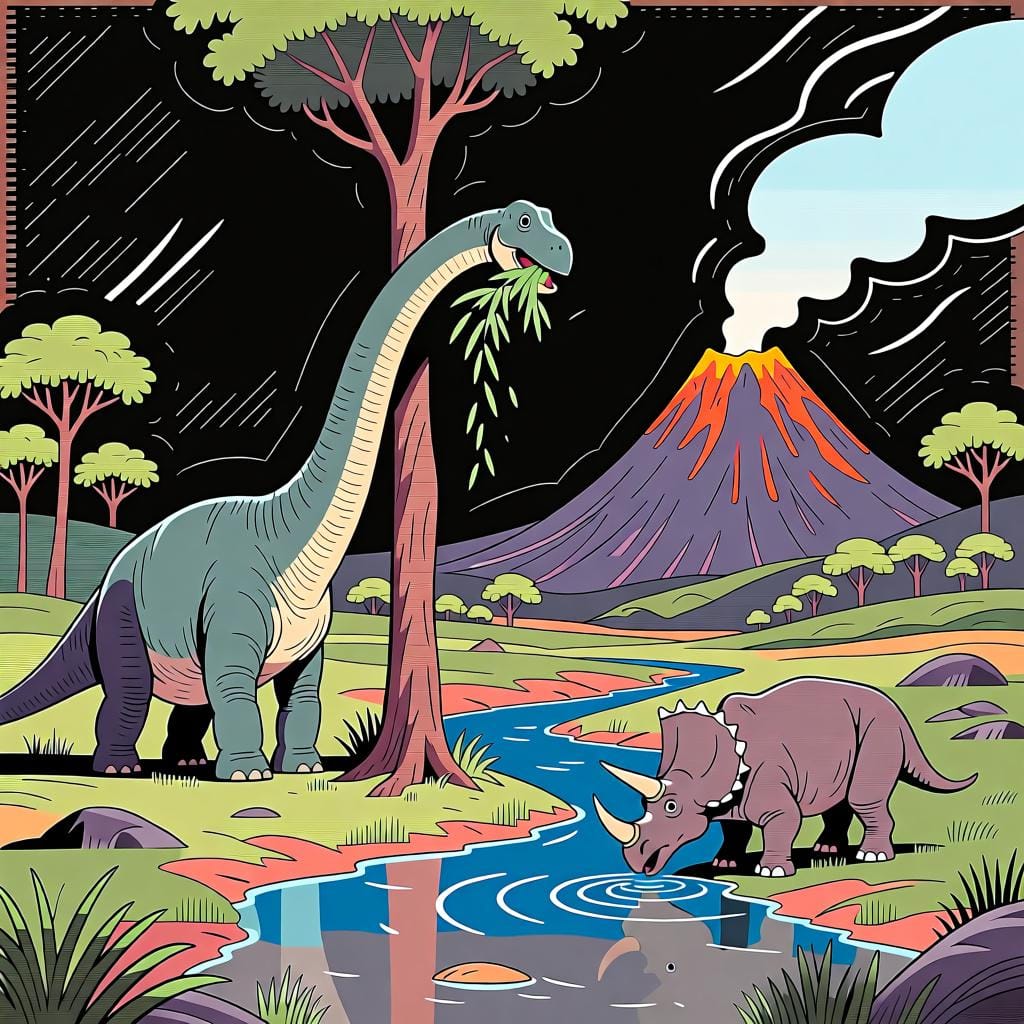
Los dinosaurios vivieron en la Era Mesozoica.
Dinosaurs lived in the Mesozoic Era.
Estamos viviendo en la era de la información.
We are living in the information age.
Fue el comienzo de una nueva era para la compañía.
It was the beginning of a new era for the company.
Always Feminine
When 'era' means a period of time, it's a feminine noun. Always use 'la' or 'una' with it, like 'la era' or 'una nueva era'.
antigüedad
Examples
No conocemos la antigüedad exacta de este edificio.
We don't know the exact age of this building.
data
dah-tahˈdata

Examples
Este documento es de antigua data.
This document is of an old date (it's very old).
Es un problema de larga data en nuestra sociedad.
It is a long-standing problem in our society.
Feminine Noun
Even though it looks like the English word 'data', in Spanish this is a feminine noun, so you use 'la' or 'una' with it.
The 'Information' Trap
Mistake: “Using 'la data' to mean computer information.”
Correction: Use 'los datos' (masculine plural) for digital or statistical information. 'Data' in Spanish almost always refers to time or dates.
Confusing 'edad' and 'año'
Learn Spanish with Inklingo
Interactive stories, personalized learning, and more.