How to Say "half" in Spanish
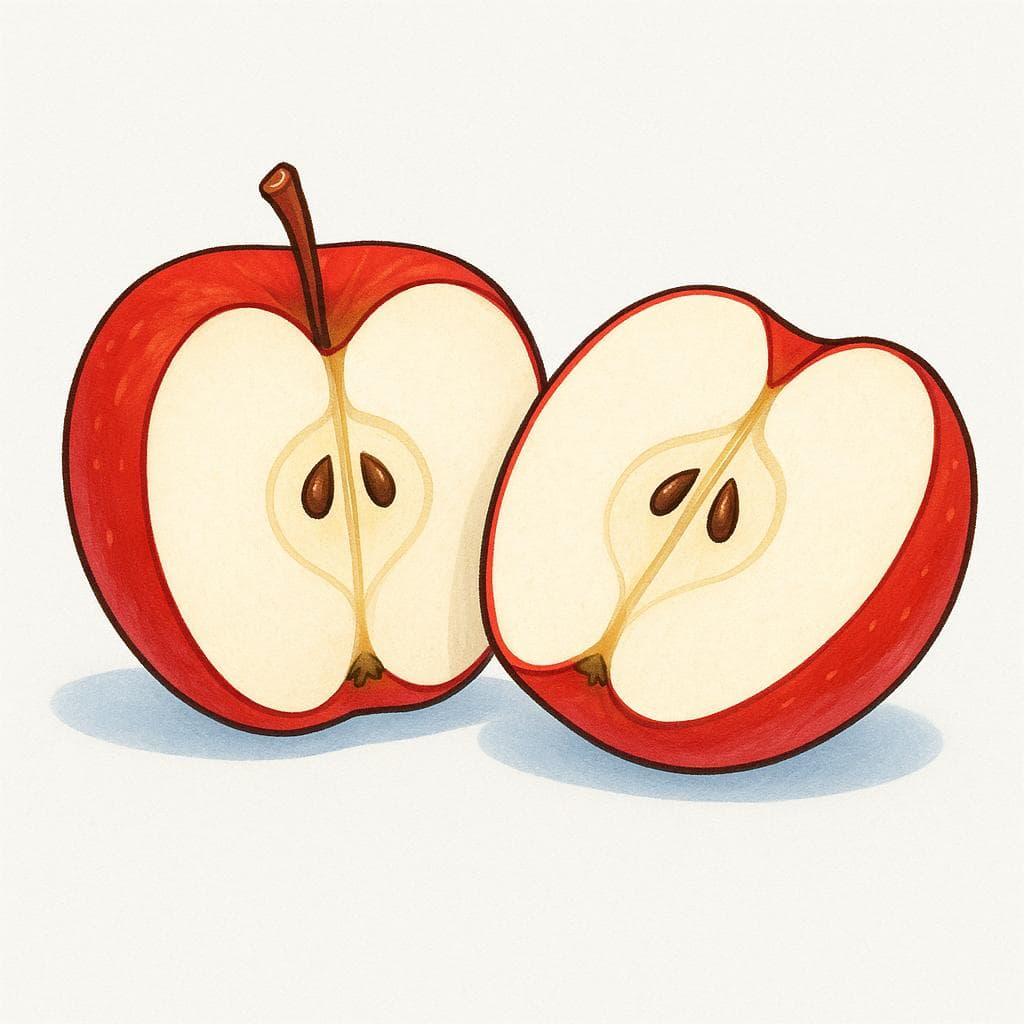
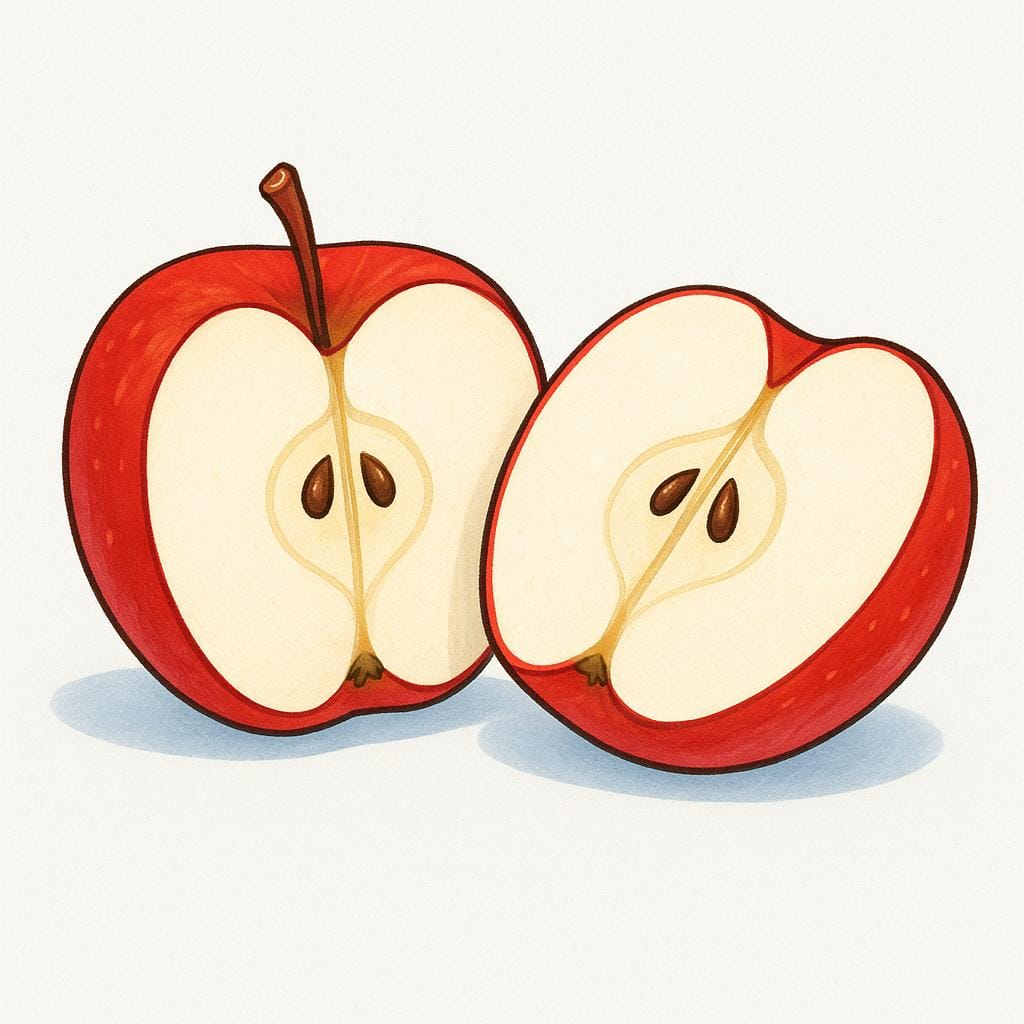
The most common Spanish word for “half” is “mitad” — use 'mitad' when referring to one of two equal parts of a whole, like sharing something or a fraction of a total amount.



mitad
mee-TAHDmiˈtad
Examples
Dame la mitad de tu sándwich, por favor.
Give me half of your sandwich, please.
La película se pone interesante en la segunda mitad.
The movie gets interesting in the second half.
Pagamos el coche a mitades.
We split the cost of the car (we paid for it in halves).
Always Feminine: 'la mitad'
'Mitad' is a 'feminine' word in Spanish, which just means you almost always use 'la' with it. Think of it as a set phrase: 'la mitad' (the half).
Saying 'Half of Something'
To say 'half of' something, you need the little word 'de' after 'la mitad'. For example, 'la mitad de la pizza' (half of the pizza) or 'la mitad del día' (half of the day).
Confusing 'mitad' and 'medio'
Mistake: “Quiero mitad un vaso de agua.”
Correction: Say 'Quiero medio vaso de agua' or 'Quiero la mitad del vaso de agua'. Use 'medio' right before the thing ('medio vaso'). Use 'mitad' to talk about 'the half' of the thing ('la mitad del vaso'). Both are correct, just different ways to say it!
medio
me-dyoˈme.ðjo

Examples
Quiero medio kilo de manzanas, por favor.
I want half a kilo of apples, please.
Son las doce y media.
It's half past twelve.
Mi hermano es de la clase media.
My brother is from the middle class.
La sopa está medio fría.
The soup is kind of cold.
It Changes to Match!
When used like this to describe something, 'medio' changes to match the thing it's describing. Use 'media' for feminine things, and add an '-s' for plural things: 'medio vaso' (half a glass), 'media taza' (half a cup), 'medios limones' (half lemons), 'medias páginas' (half pages).
It Never Changes!
When 'medio' means 'kind of' or 'somewhat', it's acting as an adverb. This means it NEVER changes. It's always 'medio', even if you're talking about a woman or multiple things. It describes the state or quality, not the noun itself.
Using 'Medio' Instead of 'Mitad'
Mistake: “Quiero el medio de la pizza.”
Correction: Quiero la mitad de la pizza. Use 'mitad' when you mean 'the half' as a noun (a thing), and 'medio/a' when you're describing something as 'half full' or 'half a pizza'.
Making it Match (When You Shouldn't)
Mistake: “Ella está media loca.”
Correction: Ella está medio loca. Because 'medio' here means 'kind of', it doesn't change. It's describing *how* crazy she is, not describing *her* directly. This is a very common mistake, so watch out for it!
medio
me-dyoˈme.ðjo
Examples
La sopa está medio fría.
The soup is kind of cold.
Quiero medio kilo de manzanas, por favor.
I want half a kilo of apples, please.
Son las doce y media.
It's half past twelve.
Mi hermano es de la clase media.
My brother is from the middle class.
It Changes to Match!
When used like this to describe something, 'medio' changes to match the thing it's describing. Use 'media' for feminine things, and add an '-s' for plural things: 'medio vaso' (half a glass), 'media taza' (half a cup), 'medios limones' (half lemons), 'medias páginas' (half pages).
It Never Changes!
When 'medio' means 'kind of' or 'somewhat', it's acting as an adverb. This means it NEVER changes. It's always 'medio', even if you're talking about a woman or multiple things. It describes the state or quality, not the noun itself.
Using 'Medio' Instead of 'Mitad'
Mistake: “Quiero el medio de la pizza.”
Correction: Quiero la mitad de la pizza. Use 'mitad' when you mean 'the half' as a noun (a thing), and 'medio/a' when you're describing something as 'half full' or 'half a pizza'.
Making it Match (When You Shouldn't)
Mistake: “Ella está media loca.”
Correction: Ella está medio loca. Because 'medio' here means 'kind of', it doesn't change. It's describing *how* crazy she is, not describing *her* directly. This is a very common mistake, so watch out for it!
hemisferio
eh-mee-SFEH-ryohemi'sfeɾjo

Examples
España se encuentra en el hemisferio norte.
Spain is located in the Northern Hemisphere.
Las estaciones del año son diferentes en cada hemisferio.
The seasons of the year are different in each hemisphere.
El hemisferio sur tiene cielos nocturnos muy distintos.
The Southern Hemisphere has very different night skies.
Always Masculine
Even though it's a big, scientific-sounding word, it's just a regular masculine word. Always use 'el' or 'un' with it.
The 'h' is Silent
Just like most Spanish words starting with 'h', don't pronounce it at all. Start straight with the 'e' sound.
Confusing Hemispheres with Directions
Mistake: “Vivo en el norte hemisferio.”
Correction: Vivo en el hemisferio norte.
tiempo
tyem-poˈtjempo

Examples
El equipo descansó durante el tiempo del descanso.
The team rested during the half-time break.
Hoy vamos a estudiar los tiempos verbales del pasado.
Today we are going to study the past verb tenses.
El primer tiempo del partido terminó en empate.
The first half of the match ended in a draw.
El director marcó el tiempo con su batuta.
The conductor marked the time with his baton.
Mitad vs. Medio
Learn Spanish with Inklingo
Interactive stories, personalized learning, and more.