kit
“kit” means “kit” in Spanish (A collection of components or tools).
kit, set
Also: equipment, package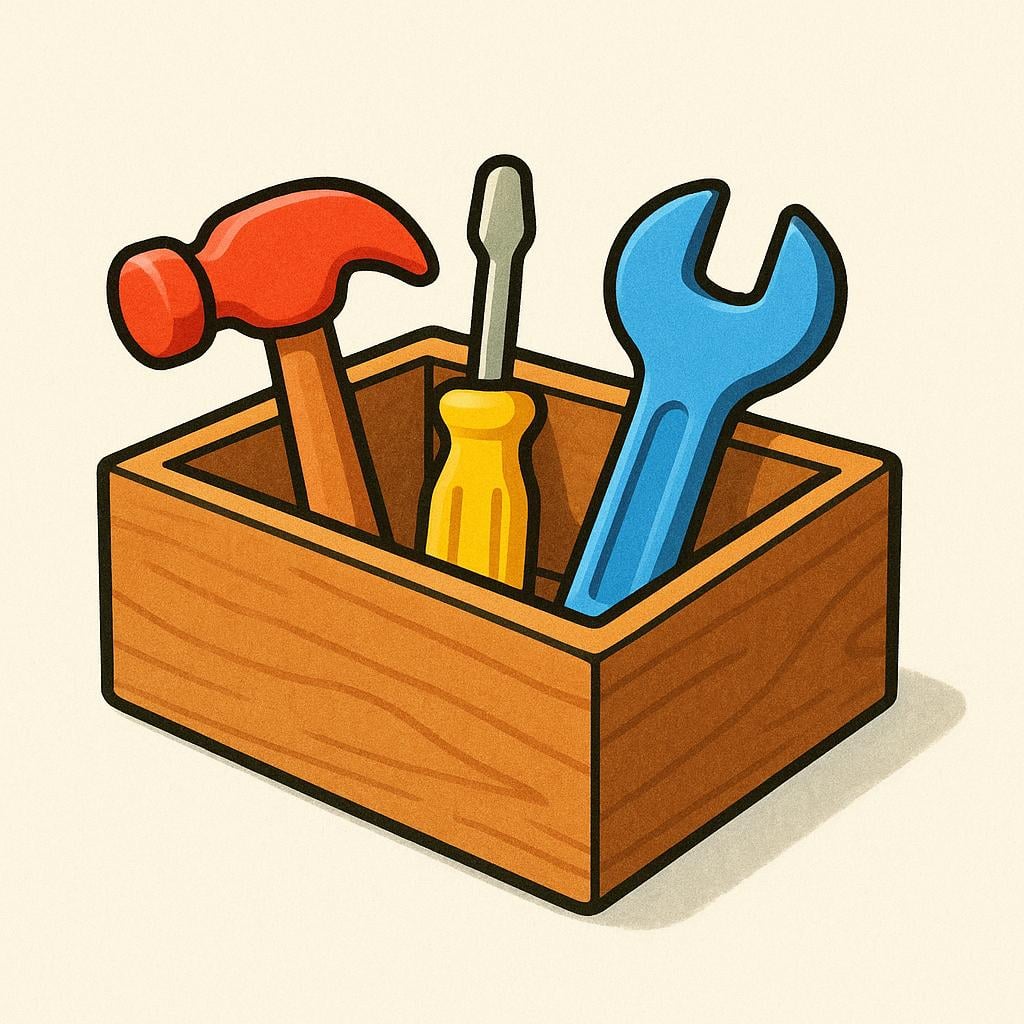
📝 In Action
Siempre llevo un kit de costura pequeño cuando viajo.
A2I always carry a small sewing kit when I travel.
El kit de reparación de bicicletas no incluía la bomba.
B1The bicycle repair kit did not include the pump.
Necesitamos comprar un kit de primeros auxilios para la oficina.
A2We need to buy a first aid kit for the office.
Translate to Spanish
✏️ Quick Practice
Quick Quiz: kit
Question 1 of 2
Which Spanish article must be used with the word 'kit'?
📚 More Resources
👥 Word Family▼
🎵 Rhymes▼
📚 Etymology▼
This is a direct loanword from the English word 'kit,' which means a set of articles or tools. It was adopted into Spanish, particularly in technical and consumer vocabulary, during the 20th century.
First recorded: Mid-20th century (in Spanish usage)
Cognates (Related words)
💡 Master Spanish
Take your Spanish to the next level. Read 200+ illustrated and narrated Spanish stories tailored to your level with the Inklingo app!
Frequently Asked Questions
Is 'kit' pronounced differently in Spanish than in English?
No, it is generally pronounced almost identically to the English word, /kit/. Since it is a recent loanword, its pronunciation has not been significantly altered by Spanish phonetics.
Can I use 'conjunto' or 'equipo' instead of 'kit'?
Yes, often you can! 'Conjunto' means 'set' or 'collection,' and 'equipo' means 'equipment' or 'gear.' 'Kit' is often preferred in modern marketing, but these other words are perfectly valid Spanish alternatives.