pusiera
“pusiera” means “put / placed” in Spanish (used in 'what if' scenarios or past wishes).
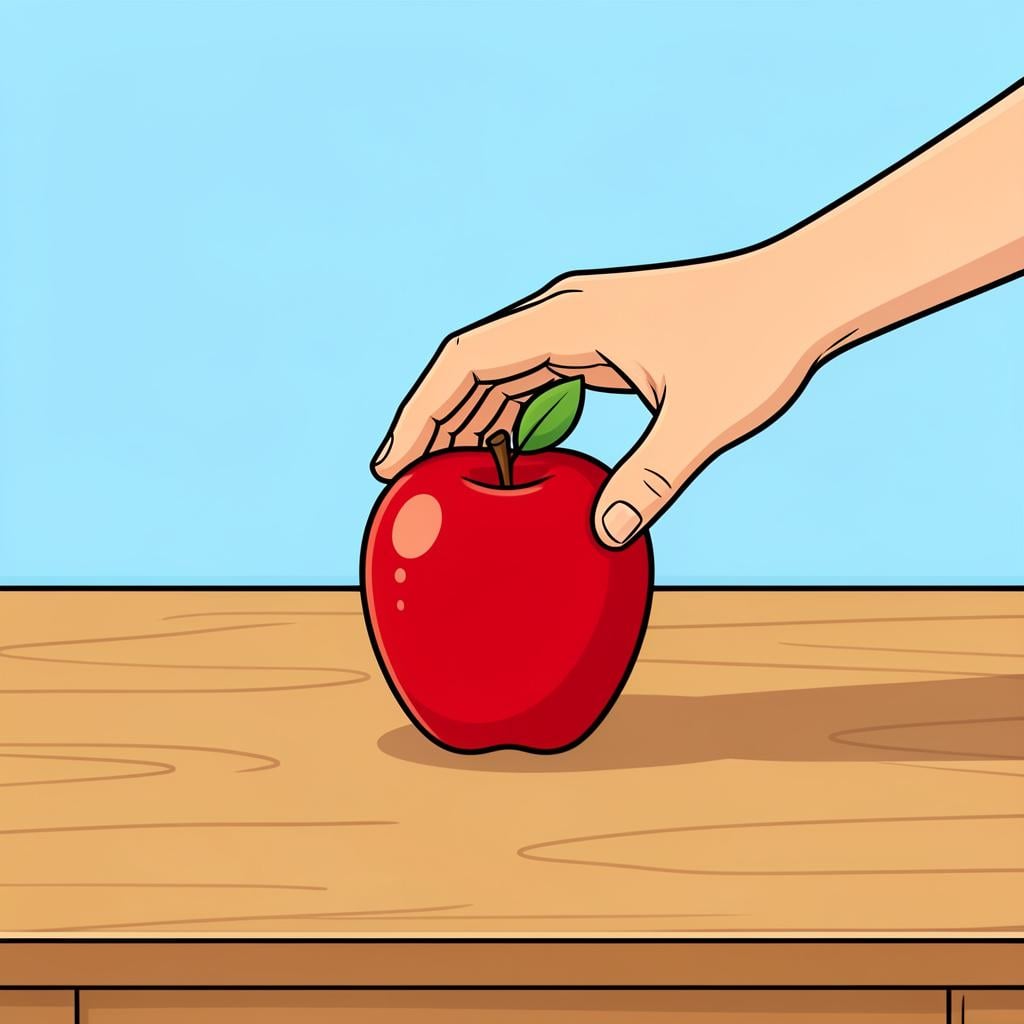
put / placedAlso: set, turned on
📝 In Action
Si yo pusiera la mesa, ¿tú lavarías los platos?
B1If I set the table, would you wash the dishes?
Ella quería que yo pusiera la música más baja.
B1She wanted me to turn the music down.
Si él se pusiera ese abrigo, tendría menos frío.
B2If he put on that coat, he would be less cold.

Subjunctive
Imperfect Subjunctive
Present Subjunctive
Indicative
Preterite
Imperfect
Present
Translate to Spanish
Words that translate to "pusiera" in Spanish:
✏️ Quick Practice
Quick Quiz: pusiera
Question 1 of 1
Which sentence correctly uses 'pusiera' to express a hypothetical situation?
📚 More Resources
👥 Word Family
📚 Etymology
From the Latin 'ponere', meaning 'to set down'. The 'pus-' root comes from a change that happened in Latin hundreds of years ago which Spanish inherited for its past forms.
First recorded: 12th century
Cognates (Related words)
💡 Master Spanish
Take your Spanish to the next level. Read 200+ illustrated and narrated Spanish stories tailored to your level with the Inklingo app!
Frequently Asked Questions
Is 'pusiera' the same as 'pusiese'?
Yes! Both are the 'imperfect subjunctive' form. 'Pusiera' is used almost everywhere in Latin America and is the preferred choice in spoken Spanish in Spain.
Can 'pusiera' mean both 'I put' and 'He/She put'?
Yes, it is identical for the 1st person (yo) and the 3rd person (él/ella/usted). Context usually makes it clear who you are talking about.