How to Say "lay" in Spanish
The most common Spanish word for “lay” is “pon” — use 'pon' when giving a direct, informal command to one person to place something flat.
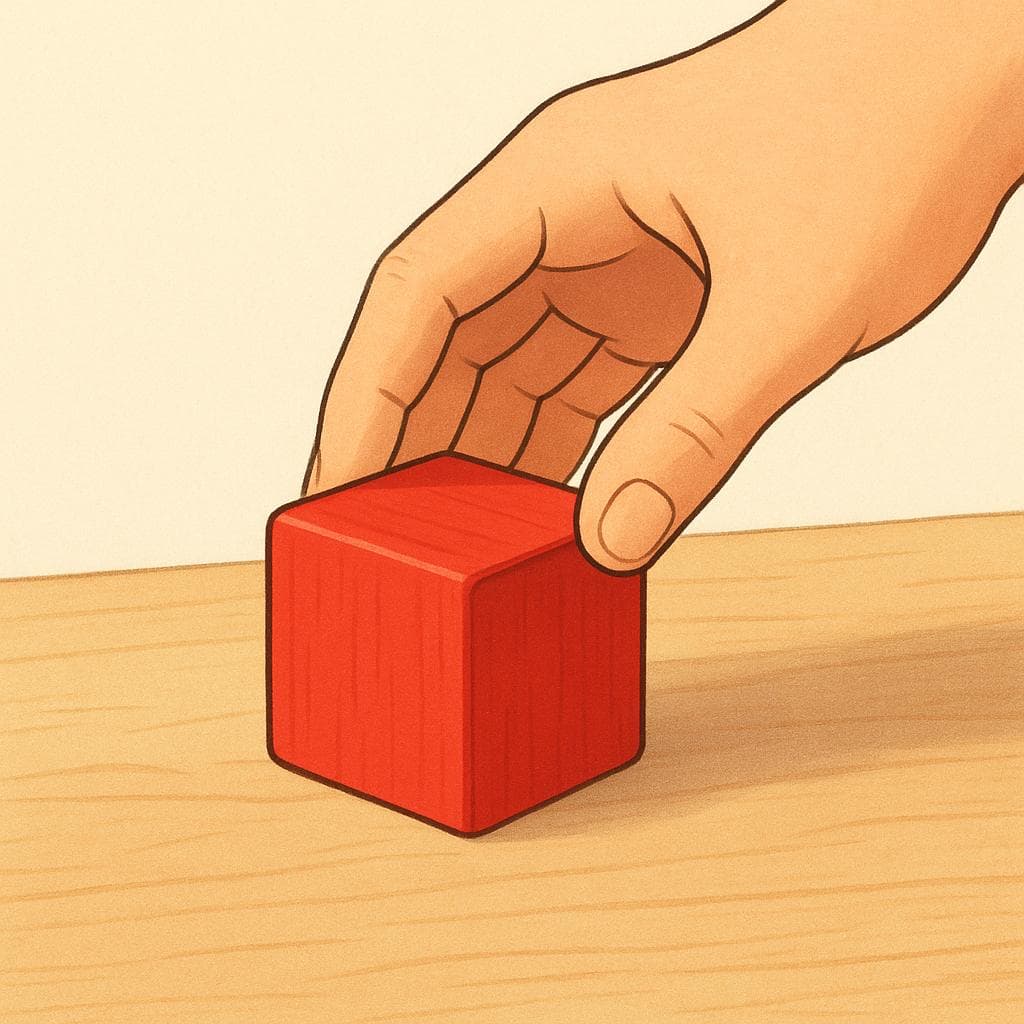
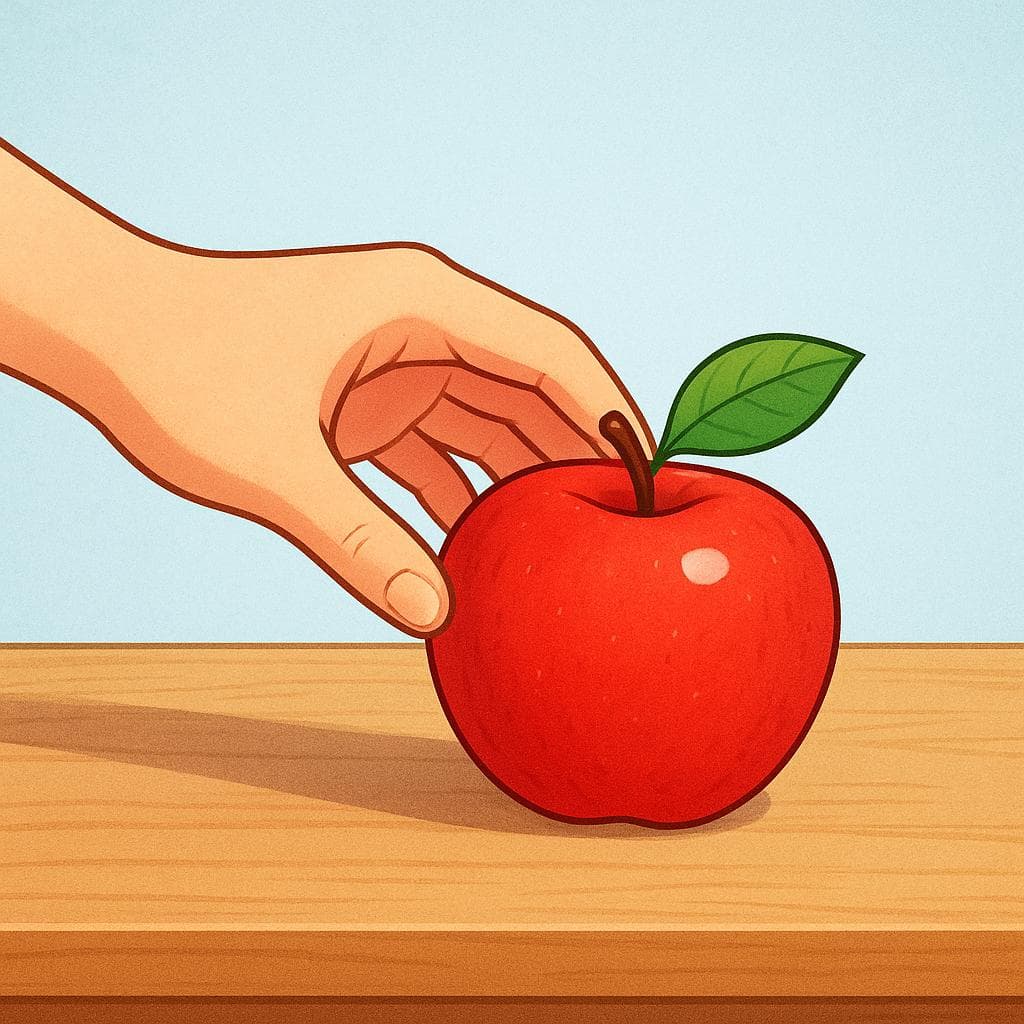
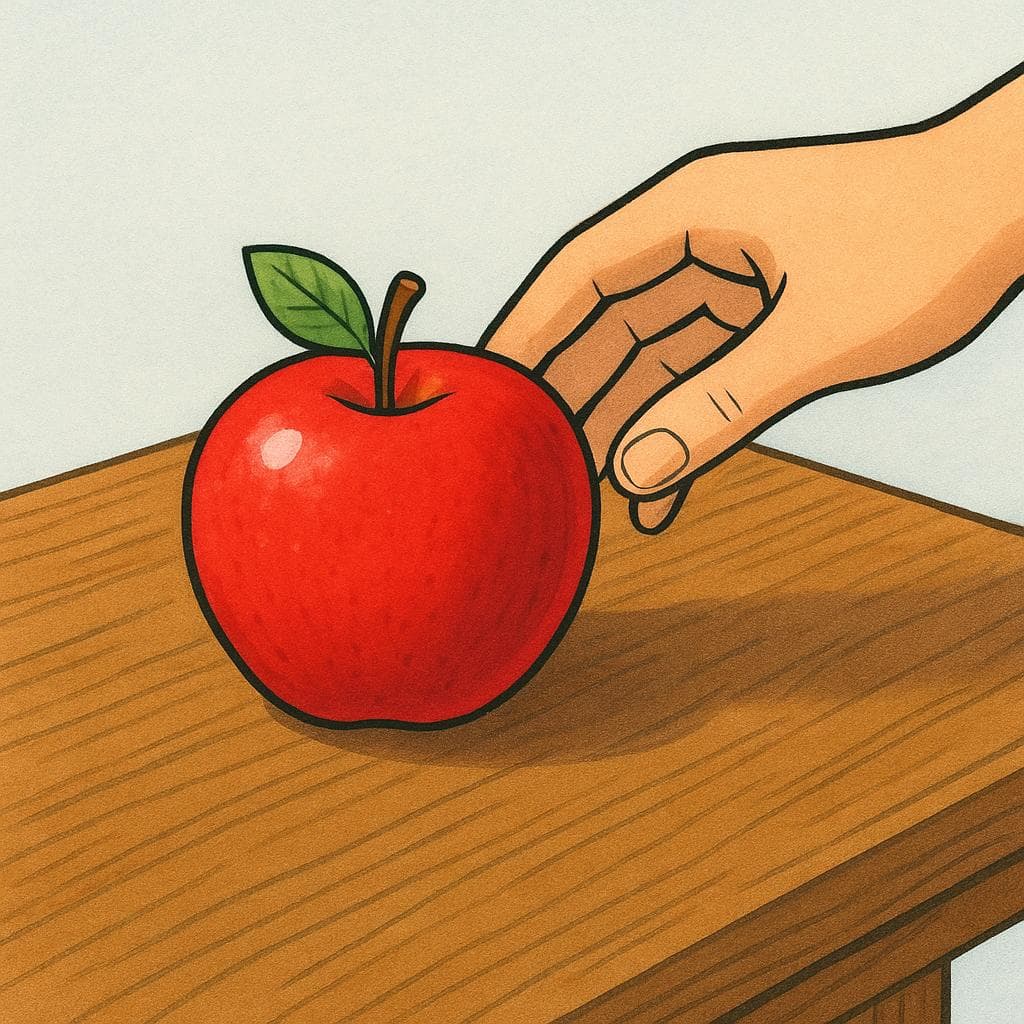
pon
ponpon
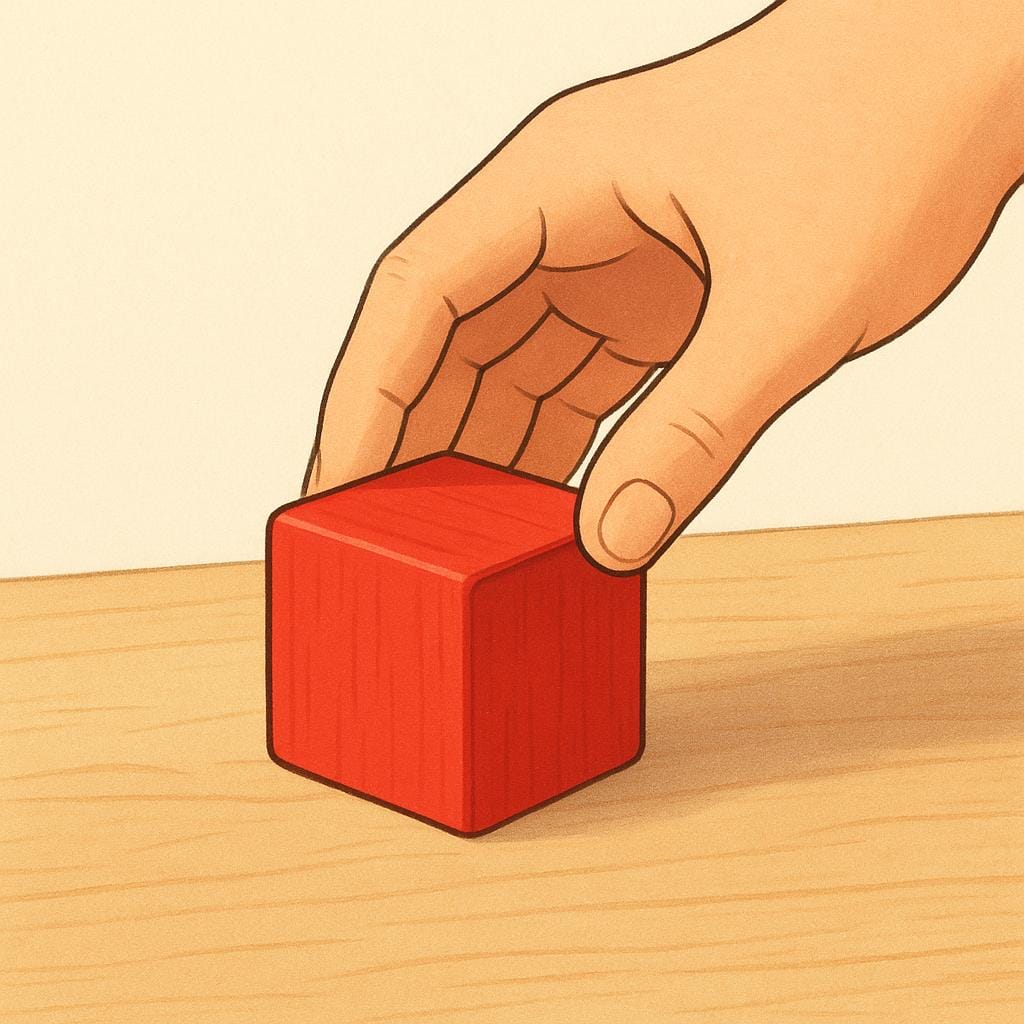
Examples
¡Pon la mesa ahora mismo! Vamos a cenar.
Set the table right now! We are going to have dinner.
Pon el vaso sobre el posavasos, por favor.
Put the glass on the coaster, please.
Cuando llegues, pon las llaves en el gancho de la entrada.
When you arrive, put the keys on the hook by the entrance.
The 'Irregular Eight' Commands
'Pon' is one of eight highly irregular informal (tú) affirmative commands. You just have to memorize it! It does not follow the normal pattern of verb endings.
Pronoun Placement
When you use 'pon' with words like 'lo' or 'la' (it), they always stick directly onto the end of the command: 'Ponlo aquí' (Put it here).
Using the 'er' Ending
Mistake: “Pones el libro allí.”
Correction: ¡Pon el libro allí! The form 'pones' is used for regular statements, not direct commands.
ponga
pon-gaˈpoŋɡa
Examples
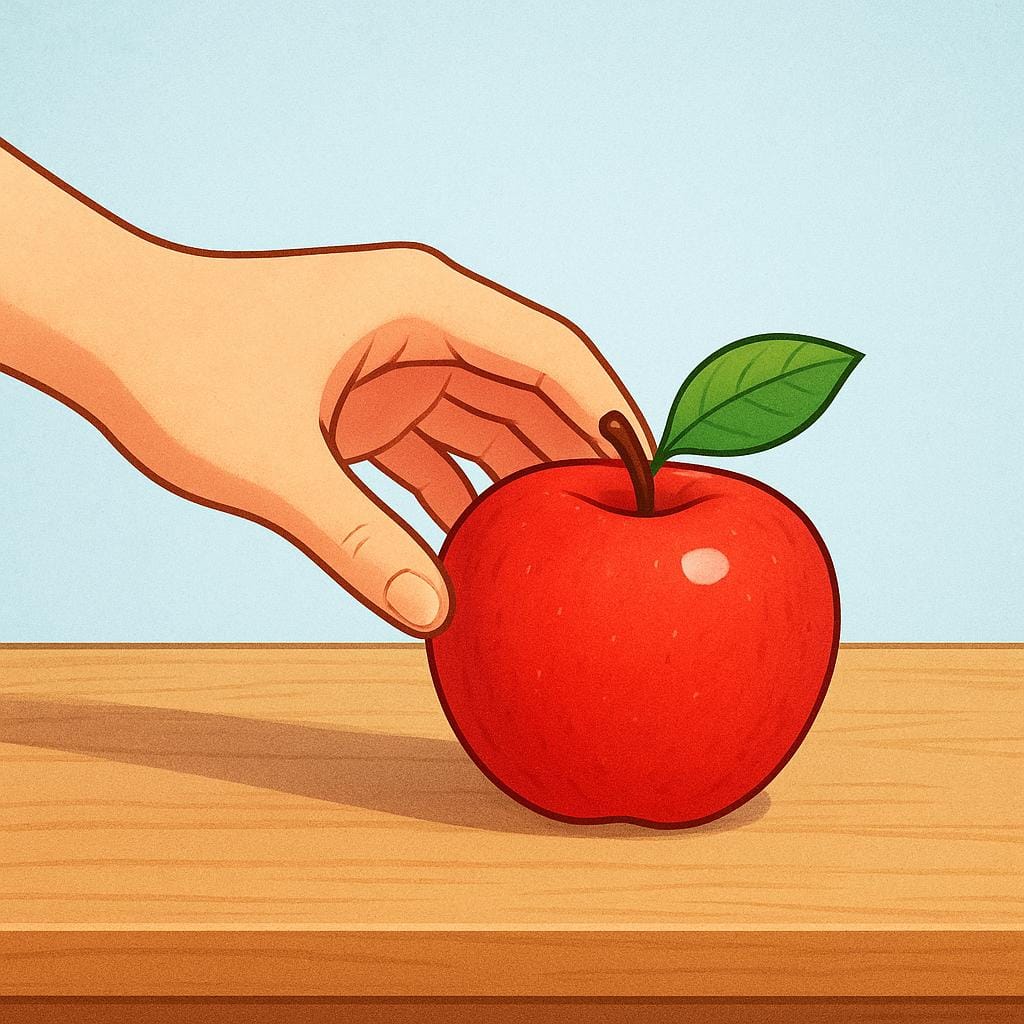
Ponga los libros sobre el escritorio.
Put the books on the desk (formal command).
Es necesario que yo ponga atención a la clase.
It is necessary that I pay attention to the class (Subjunctive 'I' form).
No creo que mi jefe ponga el dinero mañana.
I don't believe that my boss will put the money down tomorrow (Subjunctive 'he' form).
Formal Commands
'Ponga' is the standard way to tell someone politely ('usted') what to put or place, like saying 'Please, put the dish here.'
The 'Yo-Go' Rule
The stem of 'ponga' comes from the irregular 'yo' form of the present tense ('yo pongo'). All verbs whose 'yo' form ends in '-go' follow this pattern in the special 'wish/doubt' forms (Subjunctive).
Using the wrong mood
Mistake: “No creo que él pone la llave aquí.”
Correction: No creo que él ponga la llave aquí. (Use 'ponga' after expressions of doubt, like 'No creo que...').
pongan
POHN-gahnˈpoŋ.ɡan
Examples
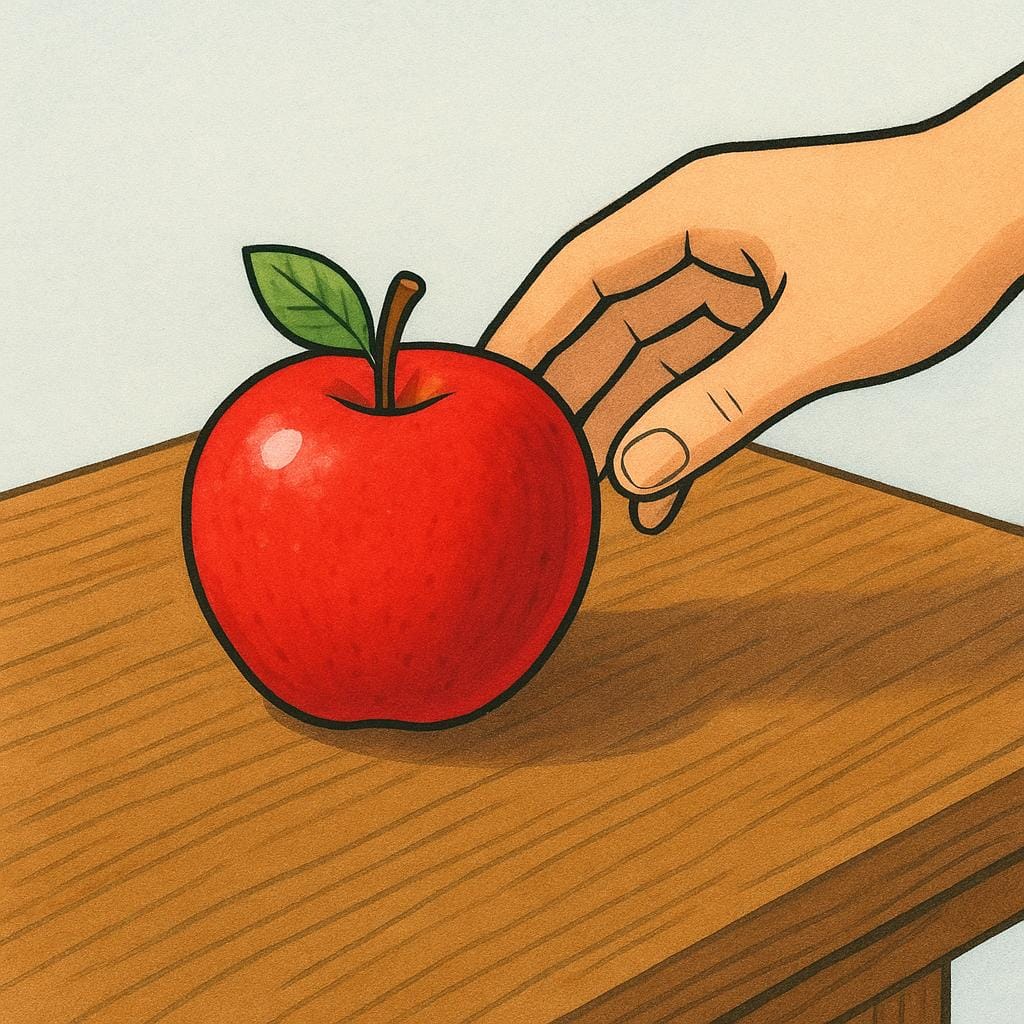
Por favor, pongan sus maletas aquí.
Please, put your suitcases here (formal 'you all' command).
Necesito que pongan atención a las instrucciones.
I need you all to pay attention to the instructions (subjunctive).
Ojalá que nos pongan una mesa grande.
Hopefully, they set a big table for us (wish).
Formal Group Command
When giving a command to a group of people (ustedes), use 'pongan.' This is the formal way to say 'you all put/place.'
The Subjunctive Mood
The form 'pongan' is the special verb form (present subjunctive) used after words that express doubt, desire, necessity, or emotion, like 'Es necesario que pongan...' (It is necessary that you all put...).
Using the 'g' sound incorrectly
Mistake: “Sometimes learners forget the 'g' sound and say 'ponan'.”
Correction: The verb 'poner' is irregular and adds a 'g' in many forms, including 'pongan'. Remember P-O-N-G-A-N.
Informal vs. Formal Commands
Related Translations
Learn Spanish with Inklingo
Interactive stories, personalized learning, and more.