How to Say "contribute" in Spanish
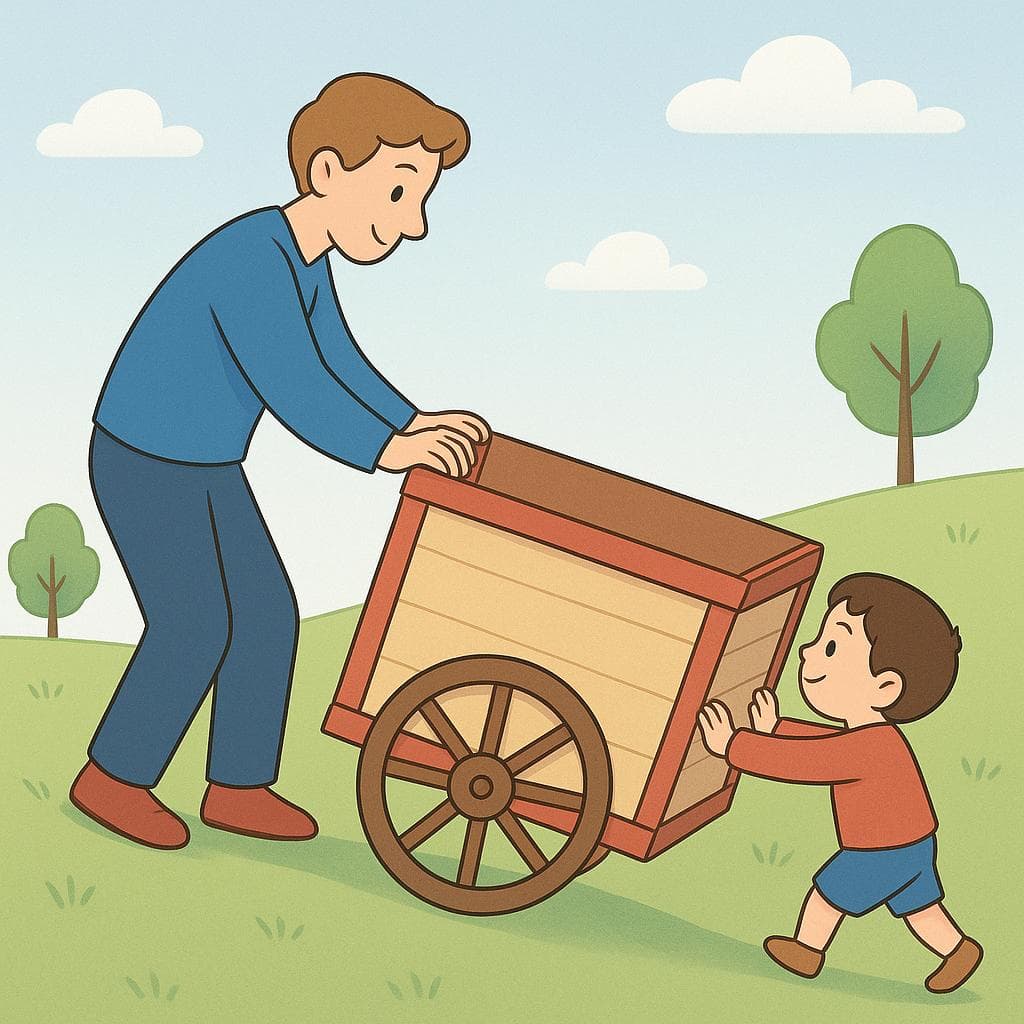
The most common Spanish word for “contribute” is “aporte” — use 'aporte' when talking about making a contribution of an idea, opinion, or specific item, especially in a formal or intellectual context like a meeting or discussion.


aporte
ah-PORE-tehaˈpoɾte

Examples
Espero que él aporte algo nuevo a la reunión.
I hope that he contributes something new to the meeting.
Es importante que yo aporte mi opinión.
It is important that I contribute my opinion.
No creo que esta medida aporte una solución.
I don't think this measure provides a solution.
The 'Wishes' Form
This specific spelling 'aporte' is used when you are not stating a fact, but rather a wish, a suggestion, or a possibility (the 'subjunctive').
I vs. Him/Her
Notice that 'yo aporte' (I contribute) and 'él aporte' (he contributes) look exactly the same in this form.
Using the wrong 'I' form
Mistake: “Yo aporte dinero todos los meses.”
Correction: Yo aporto dinero todos los meses. (Use 'aporto' for regular facts, and 'aporte' only for wishes or doubts.)
ayude
ah-YOO-dehaˈʝuðe
Examples
Por favor, ayude a su madre con las bolsas.
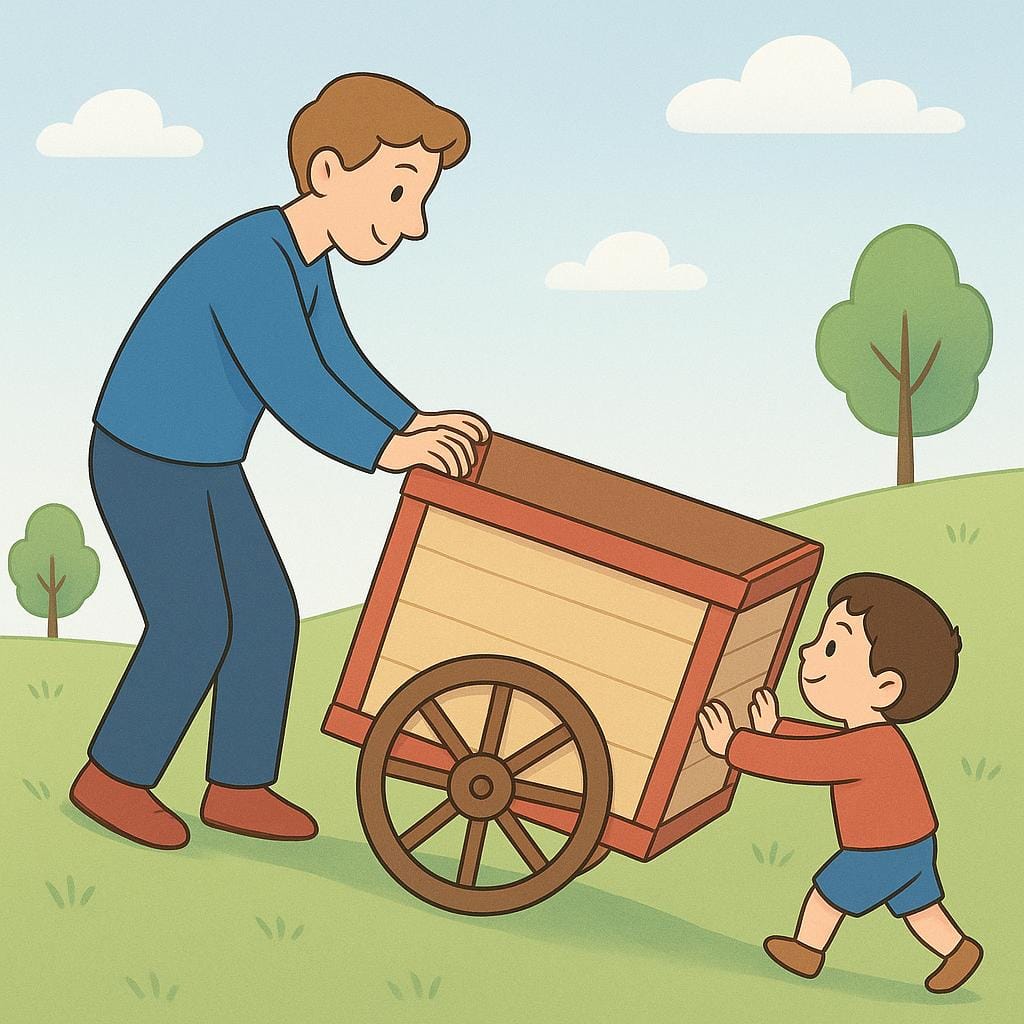
Please, help your mother with the bags. (Formal command)
Espero que la medicina me ayude a sentirme mejor.
I hope the medicine helps me feel better. (Subjunctive: expressing hope)
No creo que Juan ayude si no se lo pedimos.
I don't think Juan will help if we don't ask him. (Subjunctive: expressing doubt)
The Formal Command
When you need to politely tell one person (Usted) to help, you use 'Ayude.' This form is taken directly from the special verb form used for wishes and necessities (the present subjunctive).
Subjunctive Trigger
'Ayude' is used when expressing a wish, desire, or doubt about the action of helping, especially after phrases like 'Espero que...' (I hope that...) or 'Necesito que...' (I need that...).
Confusing Commands
Mistake: “Using 'Usted ayuda' for a command.”
Correction: For a formal command, always use 'Ayude'. 'Usted ayuda' is only for stating a fact: 'You help every day.'
ponga
pon-gaˈpoŋɡa

Examples
Ponga su canción favorita ahora.
Play your favorite song now (formal command).
El doctor sugirió que ponga hielo en la rodilla.
The doctor suggested that I/he put ice on the knee (Subjunctive necessity).
Si usted no ponga interés, no lo entenderá.
If you don't apply interest, you won't understand it.
Indirect Commands for Media
In Spanish, you don't 'turn on' music; you 'put' the radio or music on. Use 'ponga' for this formal instruction: 'Ponga la radio' (Turn on the radio).
Literal Translation of 'turn on'
Mistake: “Encienda la música.”
Correction: Ponga la música. (While 'encender' means to turn on, 'poner' is much more natural when referring to playing media.)
Confusing 'aporte' with 'ayude'
Learn Spanish with Inklingo
Interactive stories, personalized learning, and more.