How to Say "assist" in Spanish
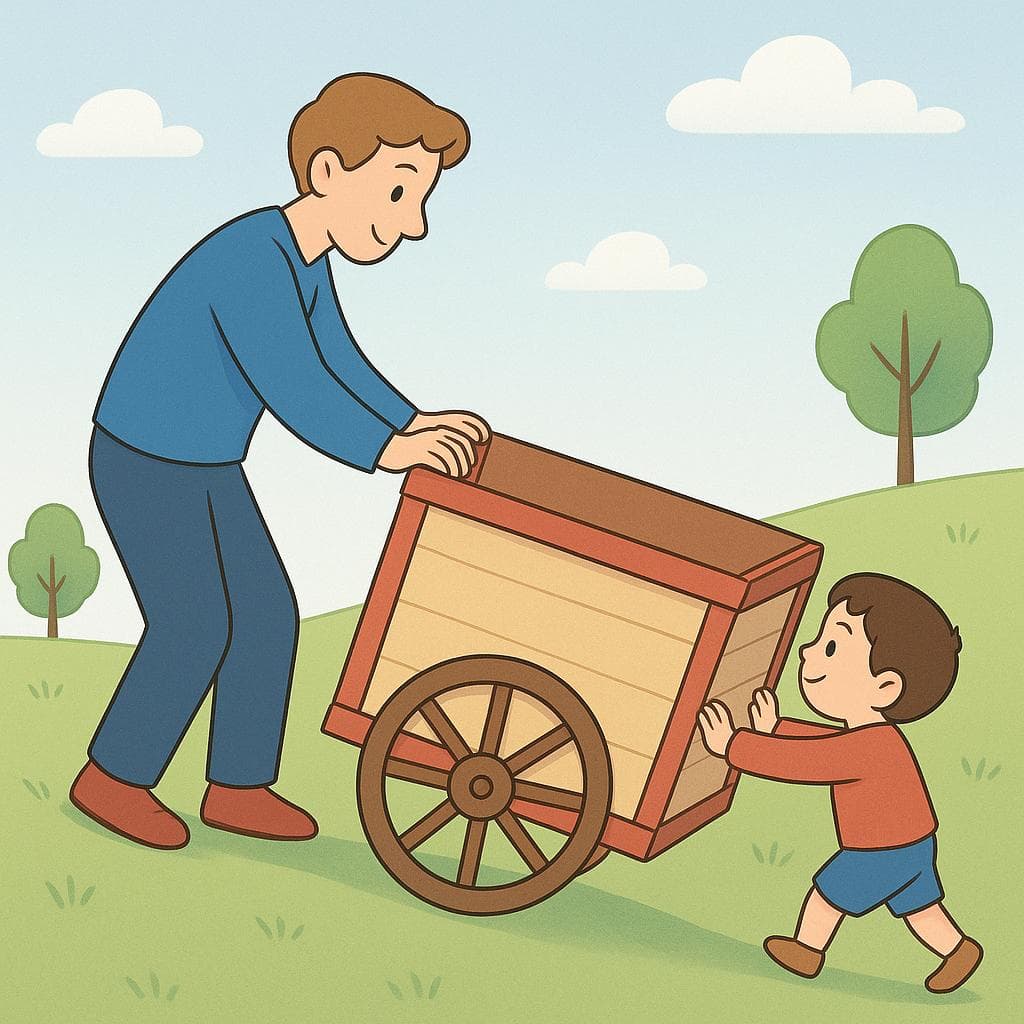
The most common Spanish word for “assist” is “ayude” — use 'ayude' when making a formal request to one person to help with something.

ayude
ah-YOO-dehaˈʝuðe
Examples
Por favor, ayude a su madre con las bolsas.
Please, help your mother with the bags. (Formal command to one person)
Espero que la medicina me ayude a sentirme mejor.
I hope the medicine helps me feel better. (Subjunctive: expressing hope)
No creo que Juan ayude si no se lo pedimos.
I don't think Juan will help if we don't ask him. (Subjunctive: expressing doubt)
The Formal Command
When you need to politely tell one person (Usted) to help, you use 'Ayude.' This form is taken directly from the special verb form used for wishes and necessities (the present subjunctive).
Subjunctive Trigger
'Ayude' is used when expressing a wish, desire, or doubt about the action of helping, especially after phrases like 'Espero que...' (I hope that...) or 'Necesito que...' (I need that...).
Confusing Commands
Mistake: “Using 'Usted ayuda' for a command.”
Correction: For a formal command, always use 'Ayude'. 'Usted ayuda' is only for stating a fact: 'You help every day.'
ayuden
ah-YOO-denaˈʝuðen

Examples
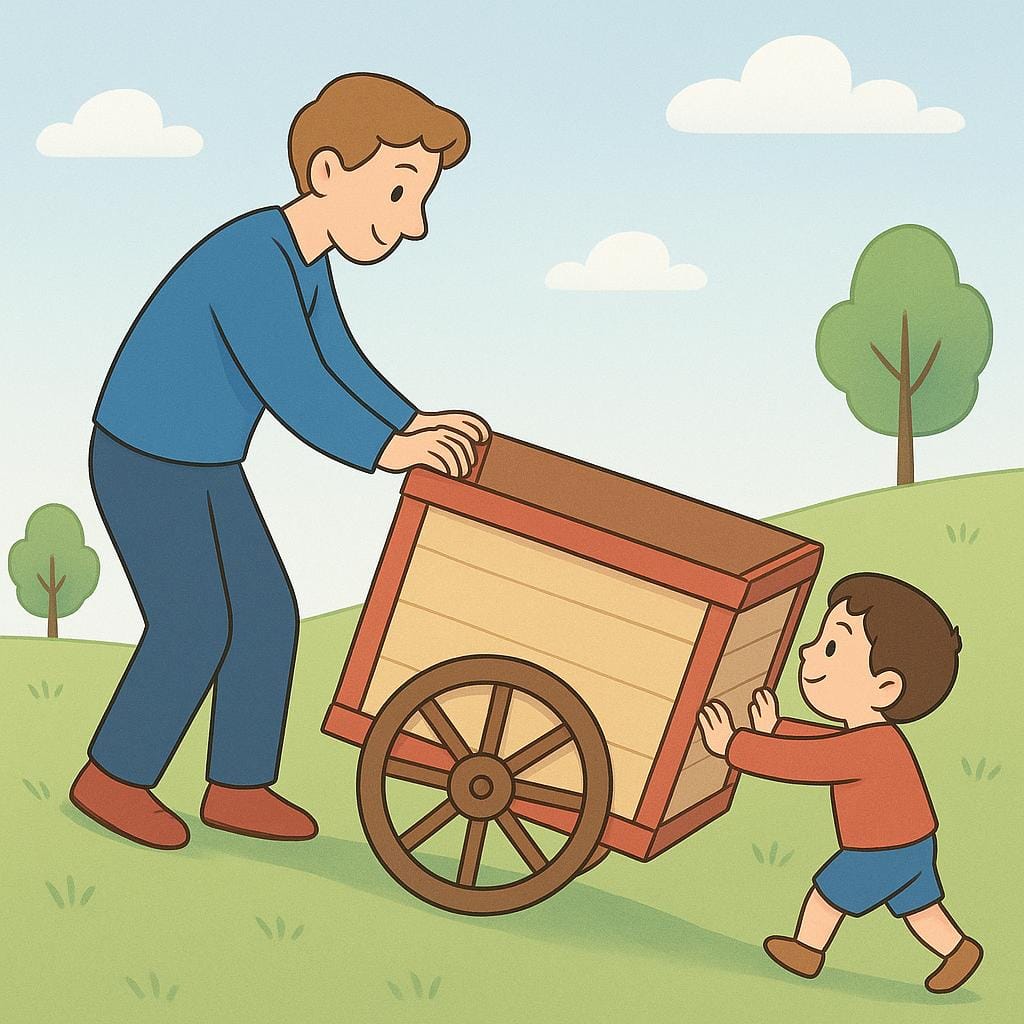
¡Por favor, ayuden a su abuela con las maletas!
Please, help your grandmother with the suitcases! (Formal command to multiple people)
No se queden ahí parados, ¡ayuden!
Don't just stand there, help!
Speaking to a group
Use 'ayuden' when you are addressing 'ustedes' (you all). It is the proper way to give a command or instruction to a group in both Latin America and Spain.
Ayudan vs. Ayuden
Mistake: “Using 'ayudan' for a command.”
Correction: Say 'ayuden' for commands. 'Ayudan' is just a statement like 'they help,' whereas 'ayuden' is like saying 'Everyone, help!'
Singular vs. Plural Formal Commands
Related Translations
Learn Spanish with Inklingo
Interactive stories, personalized learning, and more.