pongan
“pongan” means “put” in Spanish. It has 2 different meanings depending on context:
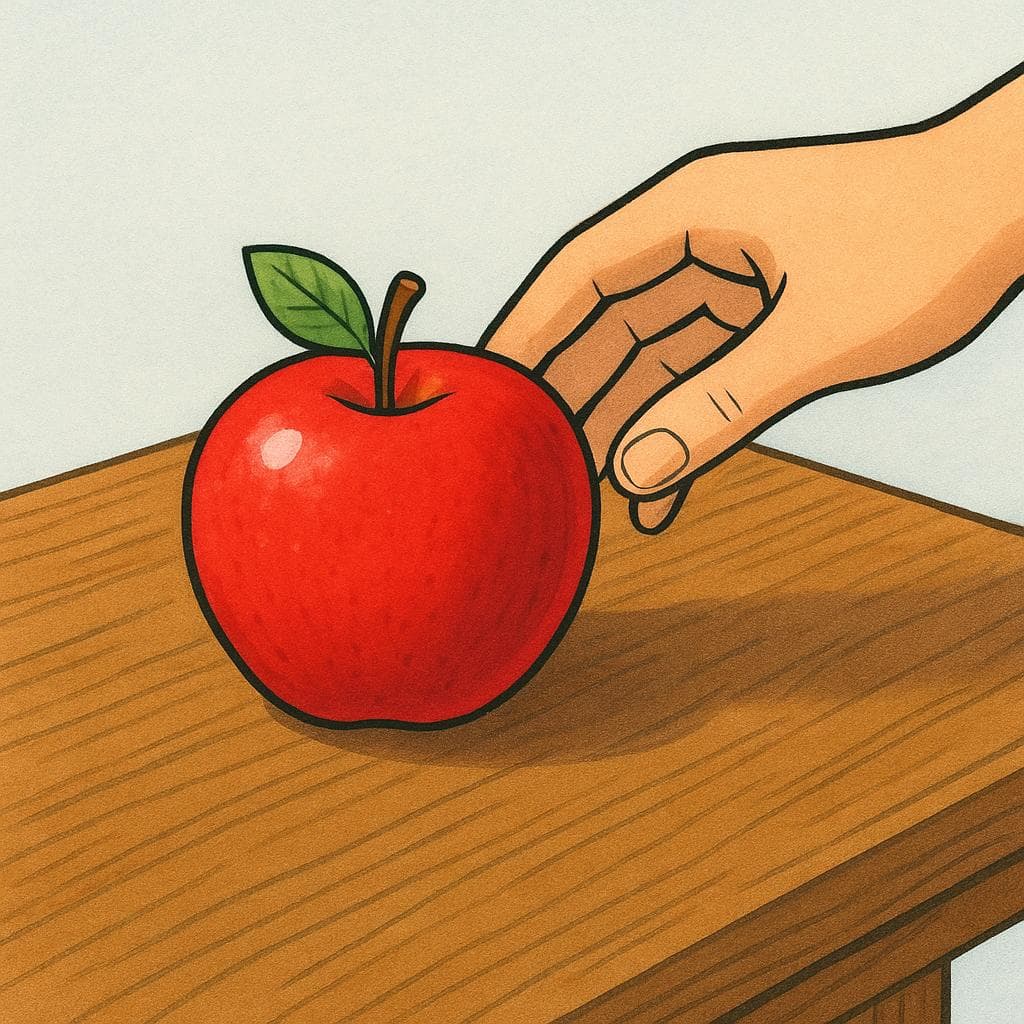

put, place
Also: set, lay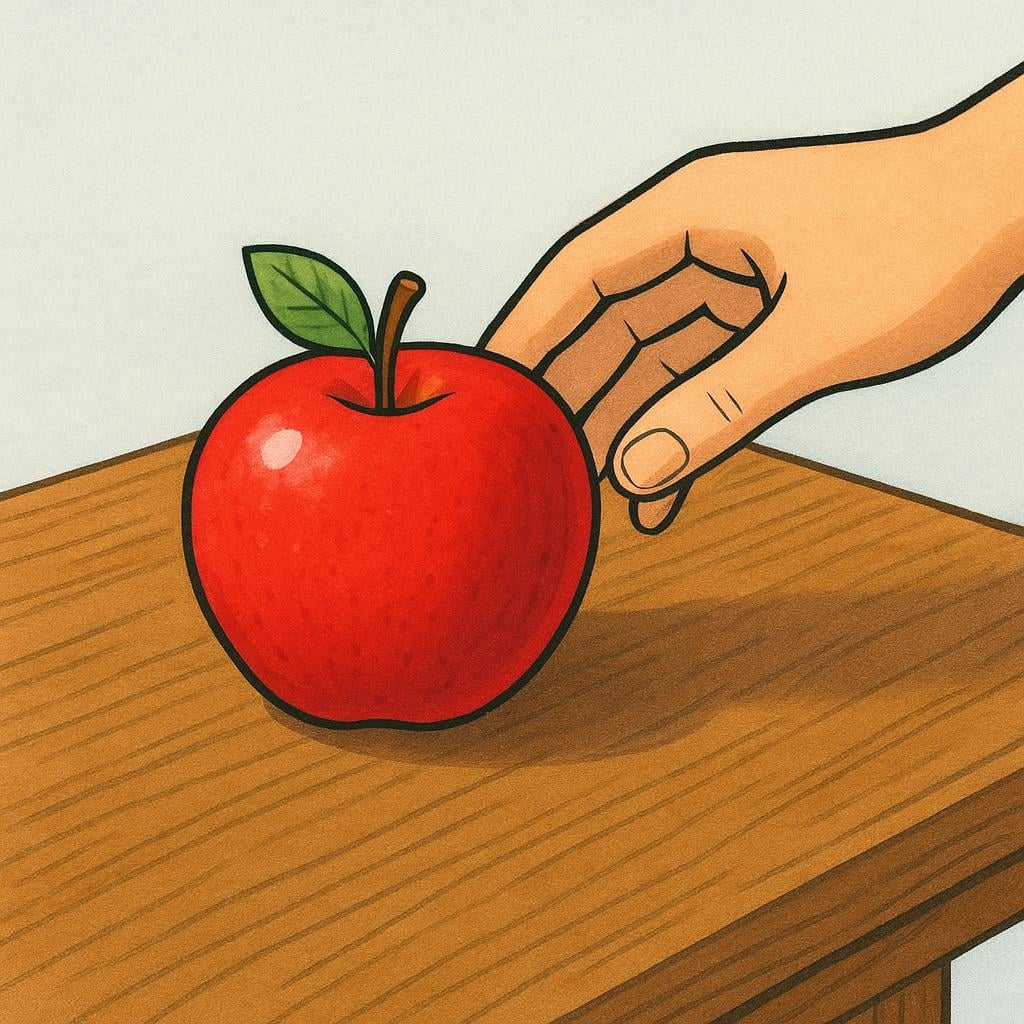
📝 In Action
Por favor, pongan sus maletas aquí.
A2Please, put your suitcases here (formal 'you all' command).
Necesito que pongan atención a las instrucciones.
B1I need you all to pay attention to the instructions (subjunctive).
Ojalá que nos pongan una mesa grande.
B2Hopefully, they set a big table for us (wish).
turn on, play
Also: broadcast, screen
📝 In Action
¡Que pongan la música ya!
B1They should play the music already!
Les pedimos que pongan la calefacción.
B1We ask you all to turn on the heating.
Cuando lleguen, pongan ese canal de noticias.
B2When you all arrive, turn on that news channel.
Indicative
Present
Imperfect
Preterite
Subjunctive
Present Subjunctive
Imperfect Subjunctive
Translate to Spanish
✏️ Quick Practice
Quick Quiz: pongan
Question 1 of 2
Which sentence correctly uses 'pongan' as a formal command?
📚 More Resources
📚 Etymology▼
The verb 'poner' comes directly from the Latin verb *ponere*, which meant 'to place' or 'to put.' It has been a core verb in Spanish since the language developed, and its irregularity is typical of very old, frequently used verbs.
First recorded: Pre-10th century (as *ponere* in Vulgar Latin)
Cognates (Related words)
💡 Master Spanish
Take your Spanish to the next level. Read 200+ illustrated and narrated Spanish stories tailored to your level with the Inklingo app!
Frequently Asked Questions
Why is 'pongan' spelled with a 'g' if the base verb is 'poner'?
The verb 'poner' is irregular. Its 'yo' form in the present tense is 'pongo.' Spanish grammar dictates that this 'g' sound carries over into all the forms of the present subjunctive, including 'pongan,' to maintain a consistent pronunciation pattern.
Can I use 'pongan' to refer to a single person?
No. 'Pongan' is strictly plural. It refers to 'ellos' (they), 'ellas' (they, feminine), or 'ustedes' (you all, formal). If you are commanding or referring to a single formal person ('usted'), you must use 'ponga'.