How to Say "eraser" in Spanish
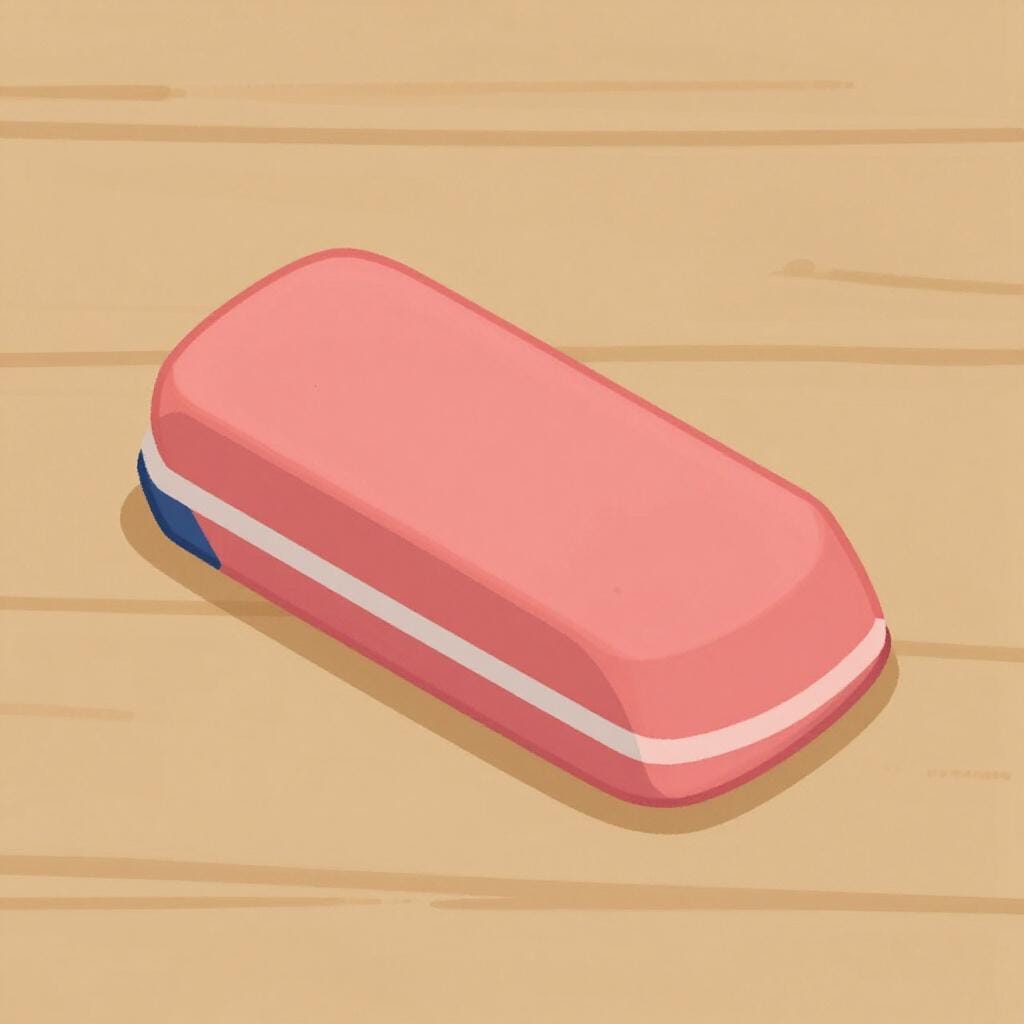
The most common Spanish word for “eraser” is “borrador” — use 'borrador' when referring to the tool specifically designed to erase pencil marks, often found in classrooms or offices.
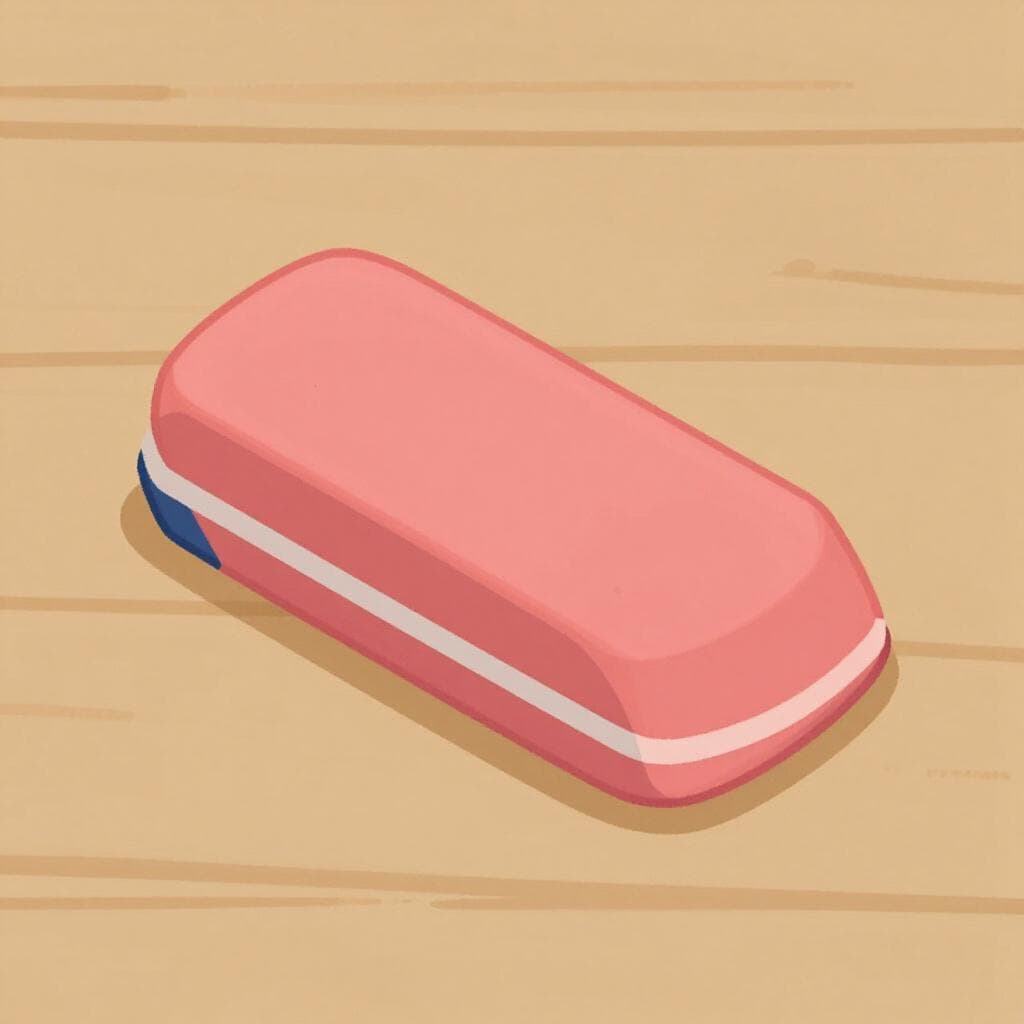
borrador
bo-rrah-DORboraˈðoɾ
Examples
¿Me prestas tu borrador? Me equivoqué.
Can I borrow your eraser? I made a mistake.
El profesor no encuentra el borrador de la pizarra.
The teacher can't find the chalkboard eraser.
Este borrador no mancha el papel.
This eraser doesn't smudge the paper.
The -dor ending
The ending '-dor' is like the English '-er'. It turns the action 'borrar' (to erase) into the object that does the erasing.
Gender remains masculine
Even though 'goma' (another word for eraser) is feminine, 'borrador' is always masculine, even if used by a woman or in a 'feminine' context.
Borrador vs. Goma
Mistake: “Using 'borrador' for a tiny pencil-top eraser in Spain.”
Correction: In Spain, use 'goma' for pencil erasers and 'borrador' for chalkboard erasers. In Latin America, 'borrador' is common for both.
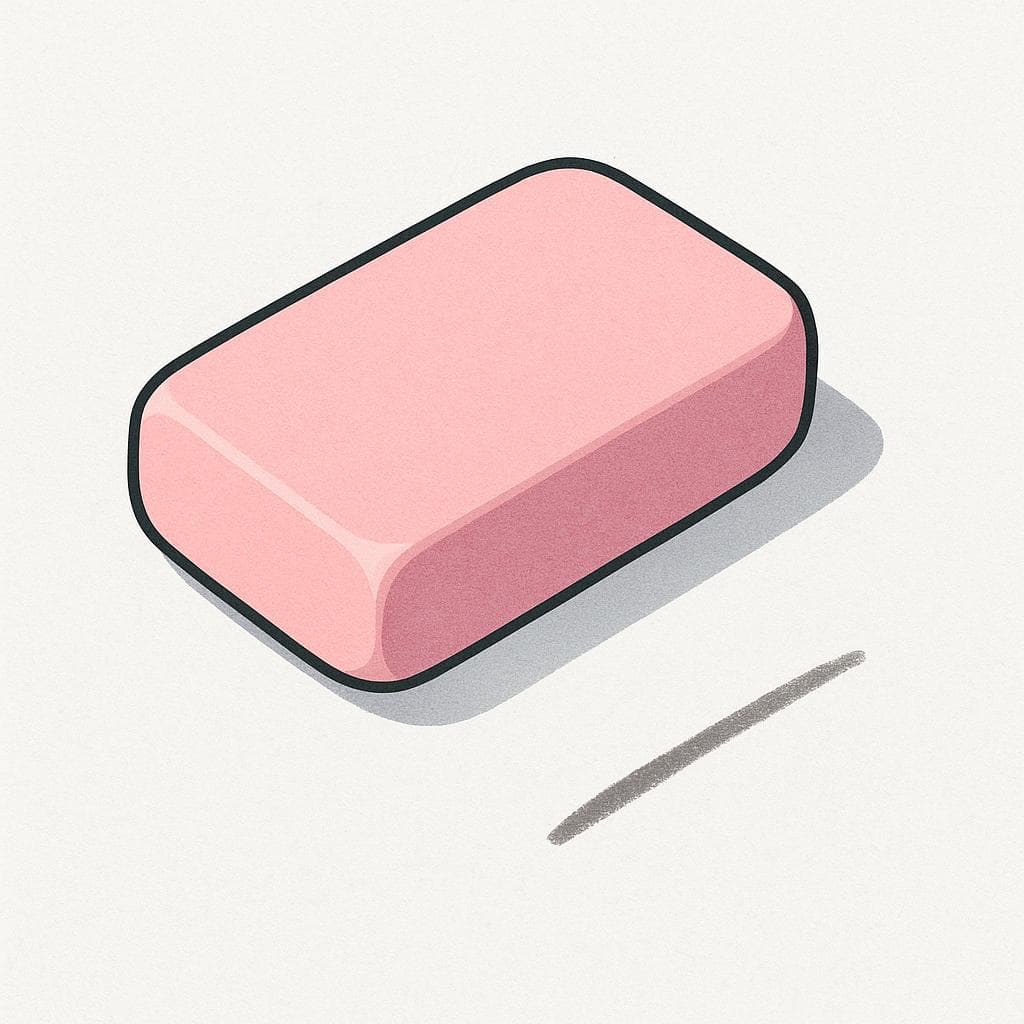
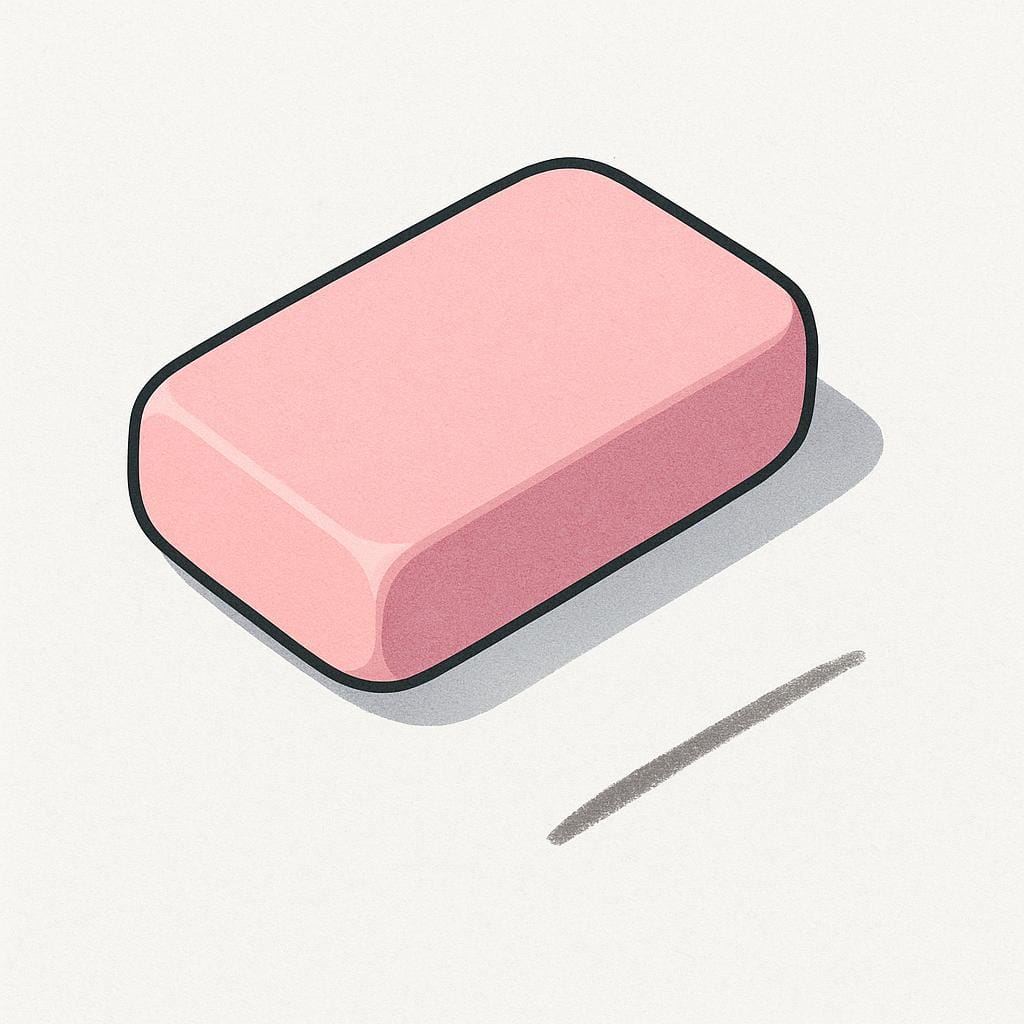
goma
go-maˈɡo.ma
Examples
Perdí mi goma y no puedo corregir el dibujo.
I lost my eraser and can't correct the drawing.
Esta goma es muy suave y no rompe el papel.
This eraser is very soft and doesn't tear the paper.
Always Feminine
Remember that 'goma' is always treated as a feminine word, so you must use feminine articles and adjectives, like 'la goma' or 'una goma blanca'.
Mixing up the tool and the action
Mistake: “Voy a gomar esto.”
Correction: Voy a borrar esto con una goma. ('Gomar' is not a verb; use 'borrar' for the action of erasing.)
Choosing Between 'Borrador' and 'Goma'
Related Translations
Learn Spanish with Inklingo
Interactive stories, personalized learning, and more.