How to Say "rubber band" in Spanish
The most common Spanish word for “rubber band” is “goma” — use 'goma' for a general-purpose elastic loop used to hold items together, like bundling cables or securing a rolled-up poster.
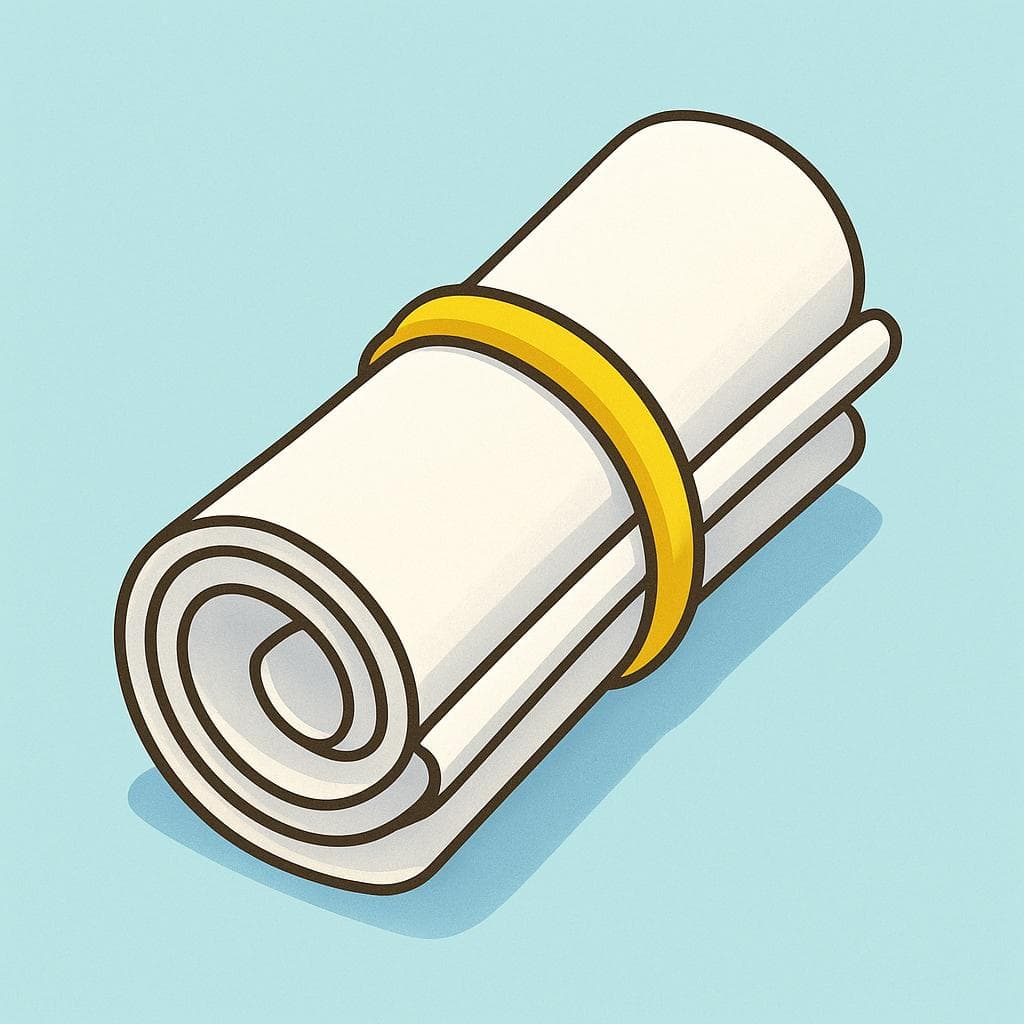
Use 'goma' for a general-purpose elastic loop used to hold items together, like bundling cables or securing a rolled-up poster.
Learn more →Use 'elástico' primarily for the elastic loop found in hair ties or sometimes for elastic bands used in clothing or crafts.
Learn more →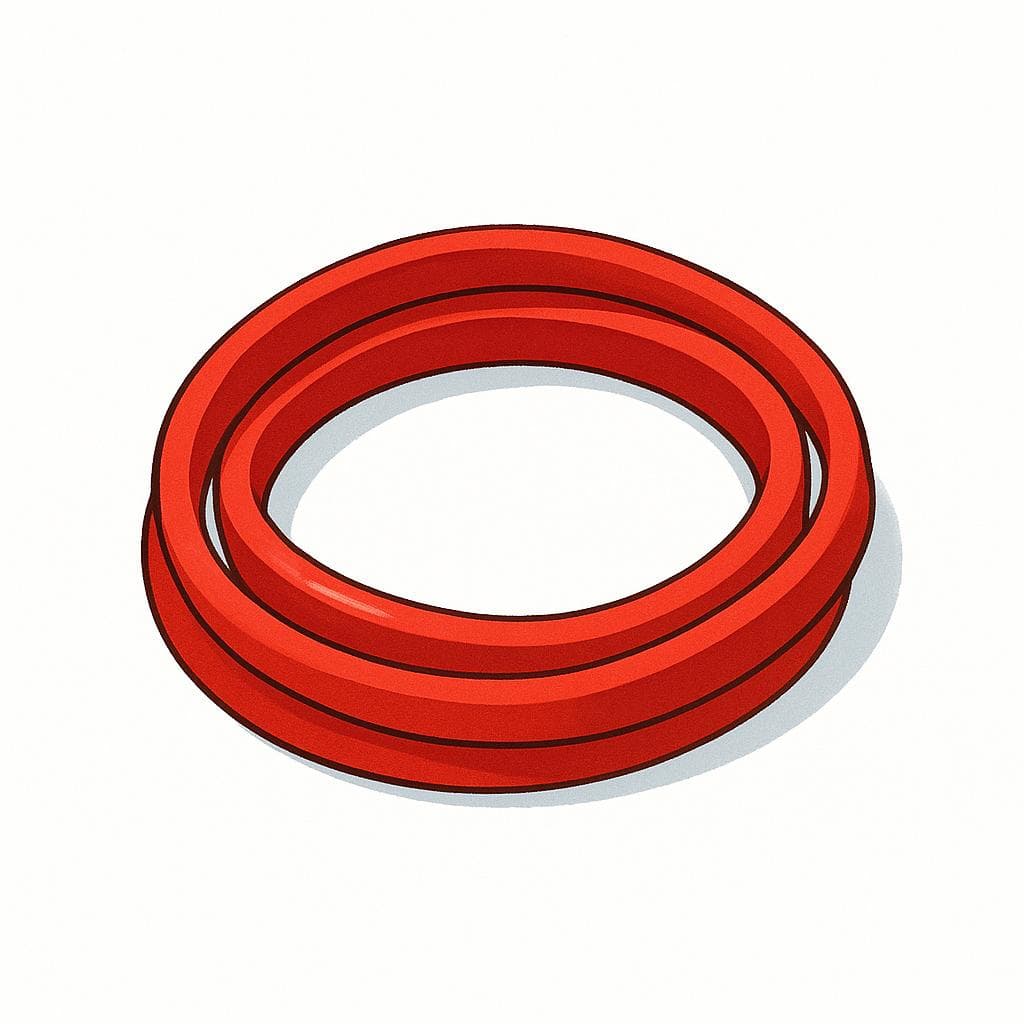
Use 'liga', especially in Latin America, for a general elastic loop used to hold things together, similar to 'goma'.
Learn more →go-maˈɡo.ma
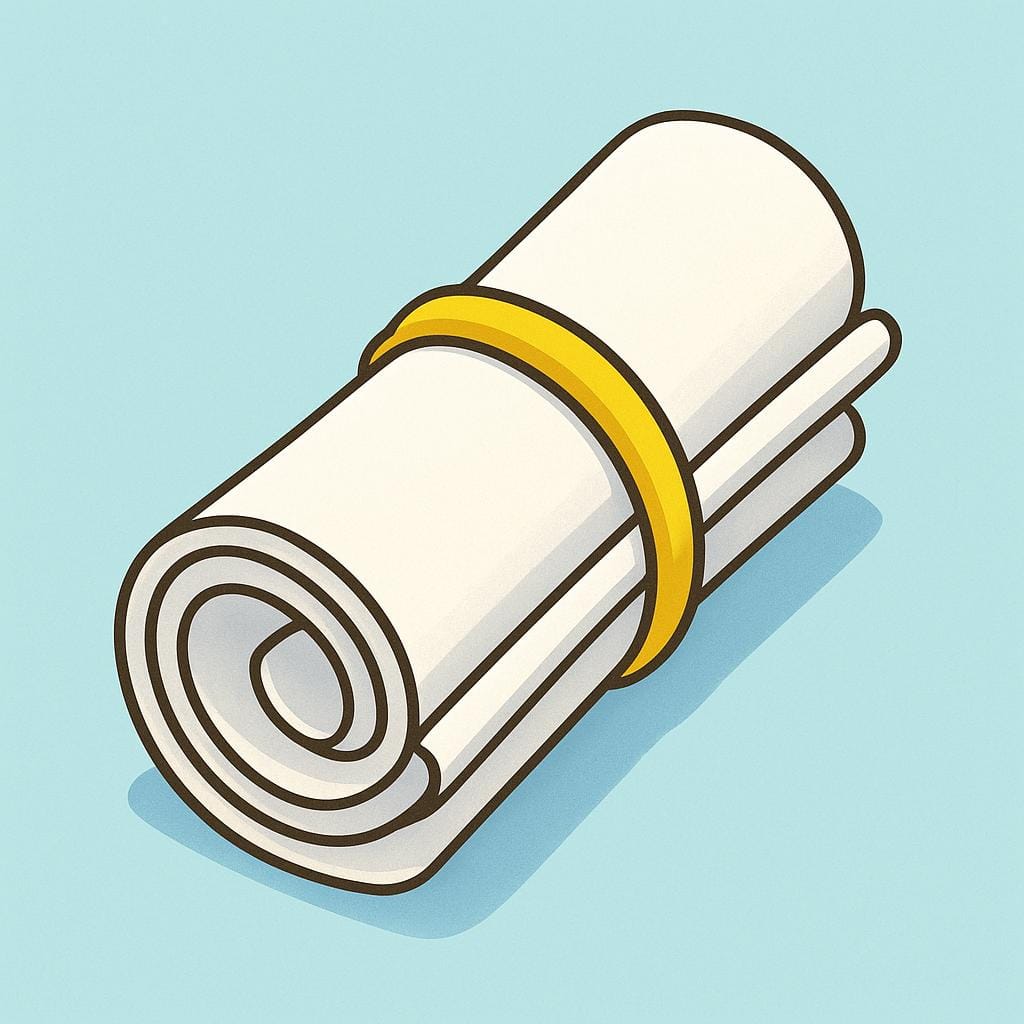
Examples
Necesito una goma para atar este manojo de cables.
I need a rubber band to tie up this bundle of cables.
Se me rompió la goma del pelo.
My hair elastic broke.
elástico
Examples
Se me rompió el elástico del pelo.
My hair tie (elastic) broke.
LEE-gahˈli.ɣa
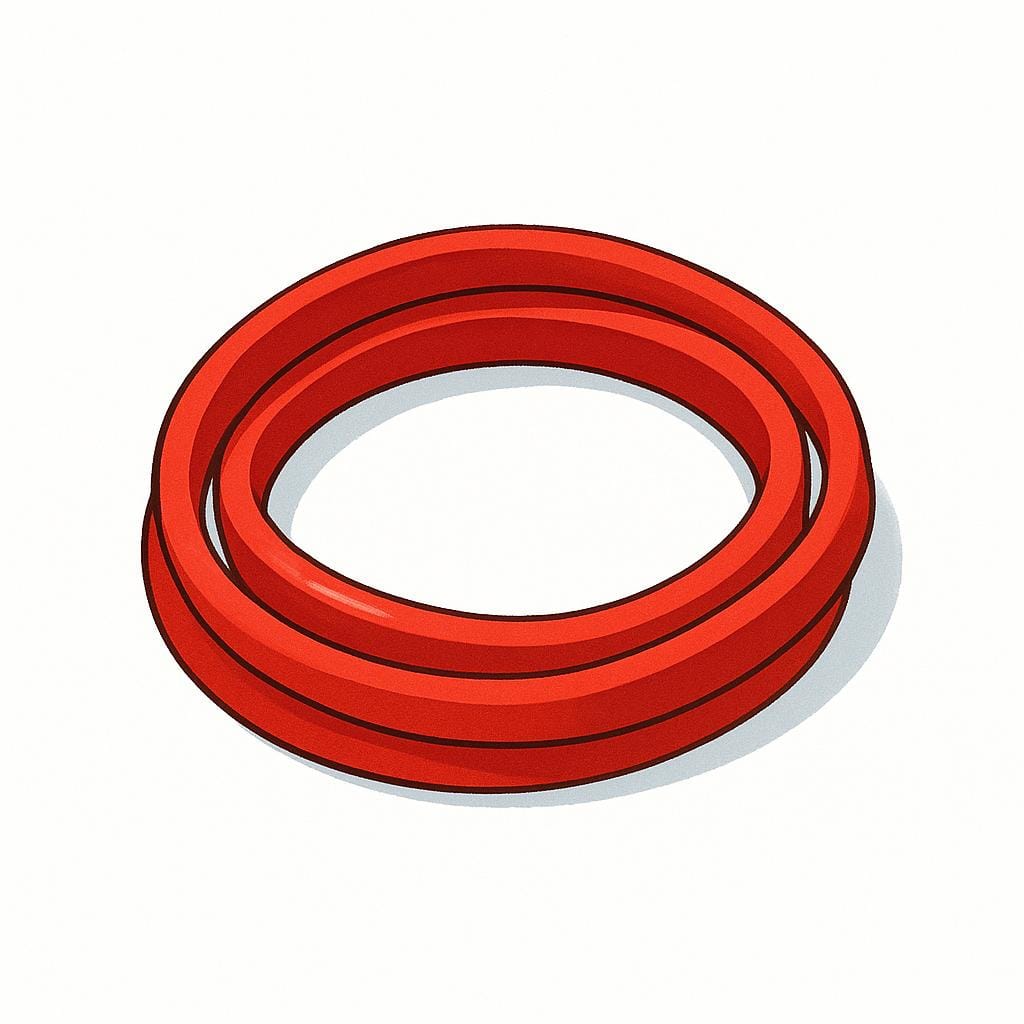
Examples
Necesito una liga para atar estos cables.
I need a rubber band to tie up these cables.
La novia llevaba una liga azul.
The bride was wearing a blue garter.
Regional Differences
Mistake: “Using 'liga' for rubber band in Spain.”
Correction: In Spain, use 'gomilla' or 'goma elástica' instead of 'liga' to mean rubber band.
Goma vs. Elástico vs. Liga
The most common confusion is between 'goma' and 'liga' for general rubber bands, as both are widely understood. 'Elástico' is more specific to hair ties or clothing elastic, so avoid it for simple bundles unless the context is clear.
Related Translations
Learn Spanish with Inklingo
Interactive stories, personalized learning, and more.