How to Say "sketch" in Spanish
The most common Spanish word for “sketch” is “dibujo” — use 'dibujo' when referring to a simple, quick, or rough drawing, often done casually or by a child.
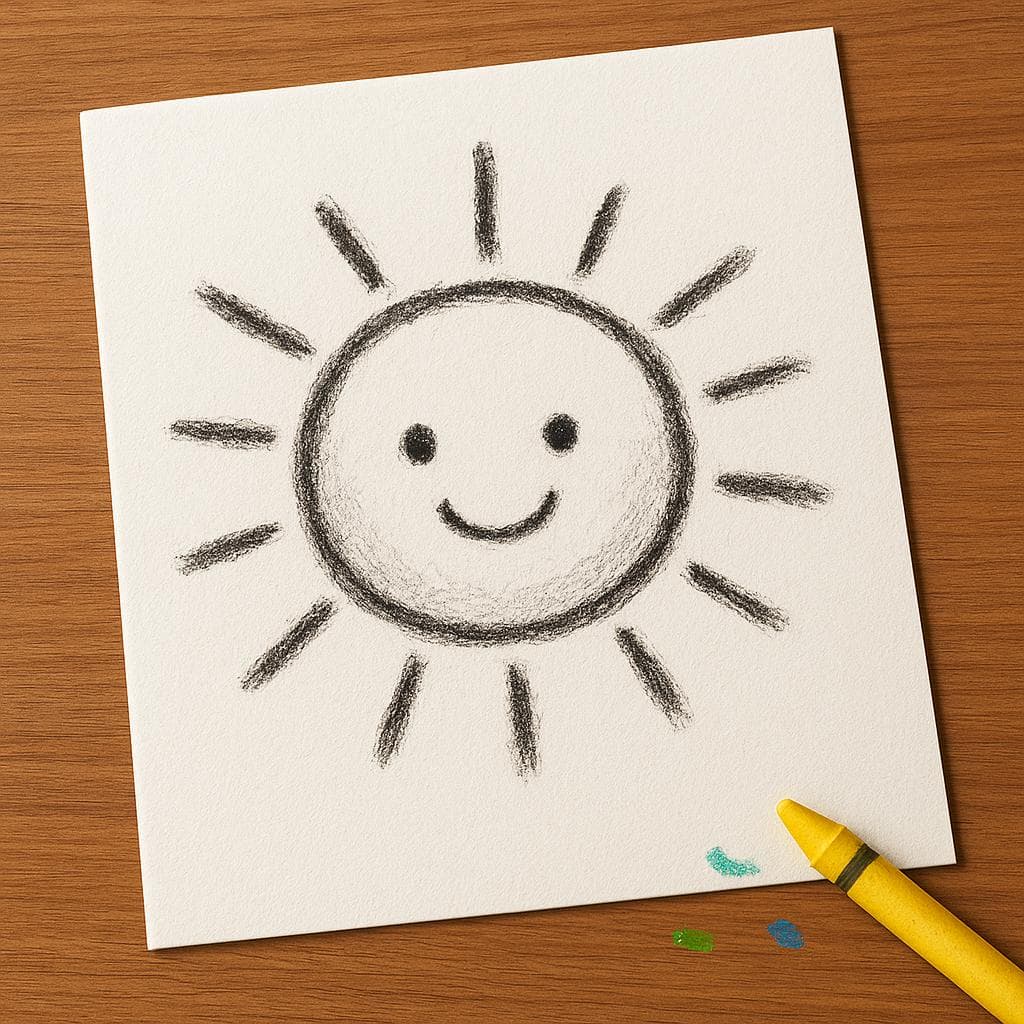

dibujo
dee-BOO-hodiˈβu.xo
Examples
Mi hija hizo un dibujo de un perro y me lo regaló.
My daughter made a drawing of a dog and gave it to me.
El arquitecto nos mostró el dibujo de la nueva casa.
The architect showed us the design/drawing of the new house.
Necesito un buen dibujo técnico para entender cómo funciona esta máquina.
I need a good technical drawing to understand how this machine works.
Gender Check
Remember that 'dibujo' is always masculine, so you must use 'el' or 'un' before it (e.g., 'el dibujo', 'un dibujo bonito').
apunte
ah-POON-tehaˈpunte
Examples
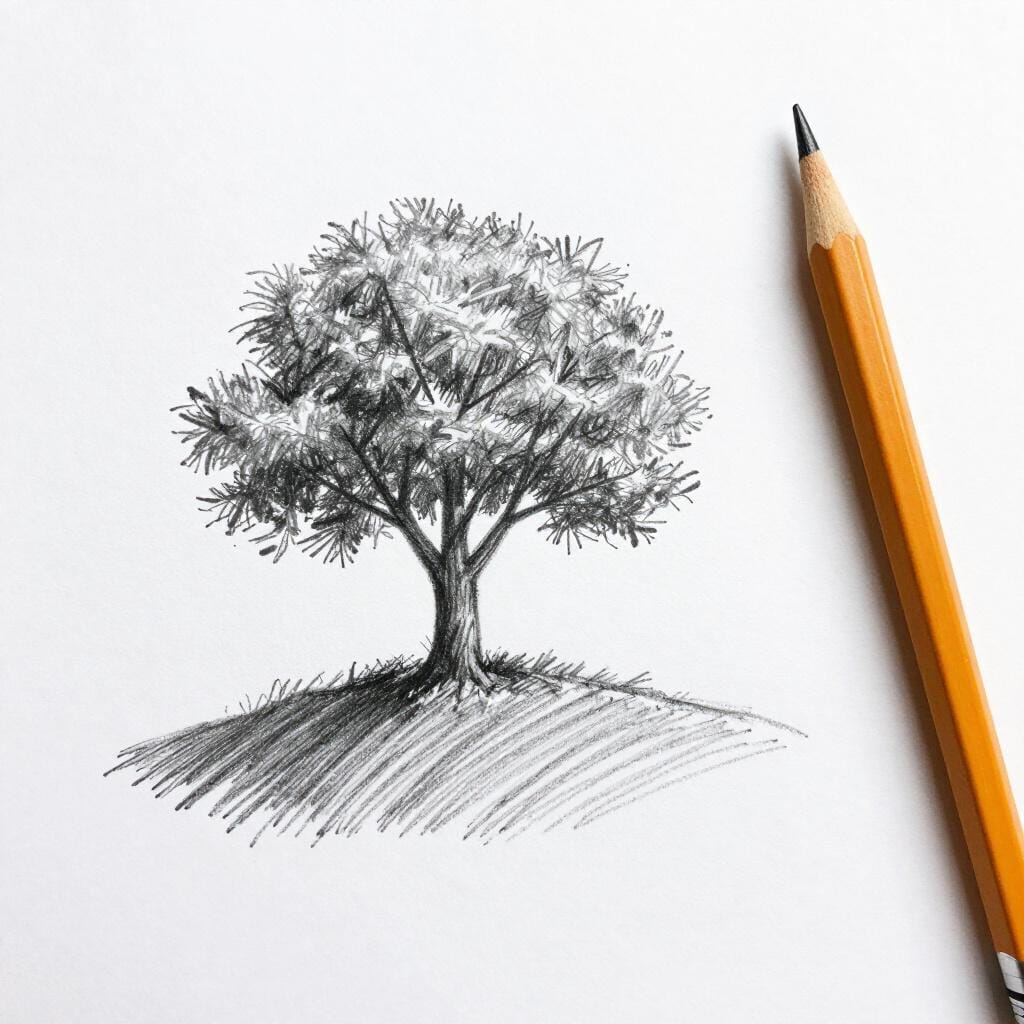
Hizo un apunte del paisaje en su cuaderno.
He made a sketch of the landscape in his notebook.
Este es solo un apunte inicial de mi novela.
This is just an initial draft/outline of my novel.
Artistic usage
When used in art, 'apunte' refers to a drawing done very quickly to capture the essence of a moment.
esquema
es-KE-maesˈkema

Examples
Hice un esquema para estudiar para el examen.
I made an outline to study for the exam.
El profesor dibujó un esquema en la pizarra.
The teacher drew a diagram on the board.
Necesitamos un esquema claro antes de empezar el proyecto.
We need a clear plan before starting the project.
The 'MA' Gender Rule
Even though it ends in 'a', this word is masculine because it comes from Greek. Always use 'el' or 'un' with it: 'el esquema'.
Plural Form
To make it plural, just add an 's' to the end: 'los esquemas'. The gender remains masculine.
Wrong Gender
Mistake: “La esquema es útil.”
Correction: El esquema es útil. Words of Greek origin ending in -ma (like drama, tema, systema) are almost always masculine.
borrador
bo-rrah-DORboraˈðoɾ
Examples
He escrito el primer borrador de mi novela.
I have written the first draft of my novel.
Por favor, revisa este borrador antes de enviarlo.
Please, review this draft before sending it.
Todavía es un borrador muy preliminar.
It is still a very preliminary draft.
Abstract vs. Physical
The word works for both physical objects (erasers) and abstract concepts (ideas for a paper), because both can be 'erased' or changed.
Don't use as a verb
Mistake: “Saying 'Yo borrador el ensayo'.”
Correction: Borrador is only a thing. To say 'to draft,' use 'hacer un borrador' or 'redactar'.
Drawing vs. Writing Drafts
Related Translations
Learn Spanish with Inklingo
Interactive stories, personalized learning, and more.