How to Say "cartoon" in Spanish
The most common Spanish word for “cartoon” is “dibujos animados” — use 'dibujos animados' as an adjective when referring to animated movies or TV shows, often as part of the set phrase 'películas de dibujos animados' or 'series de dibujos animados'.

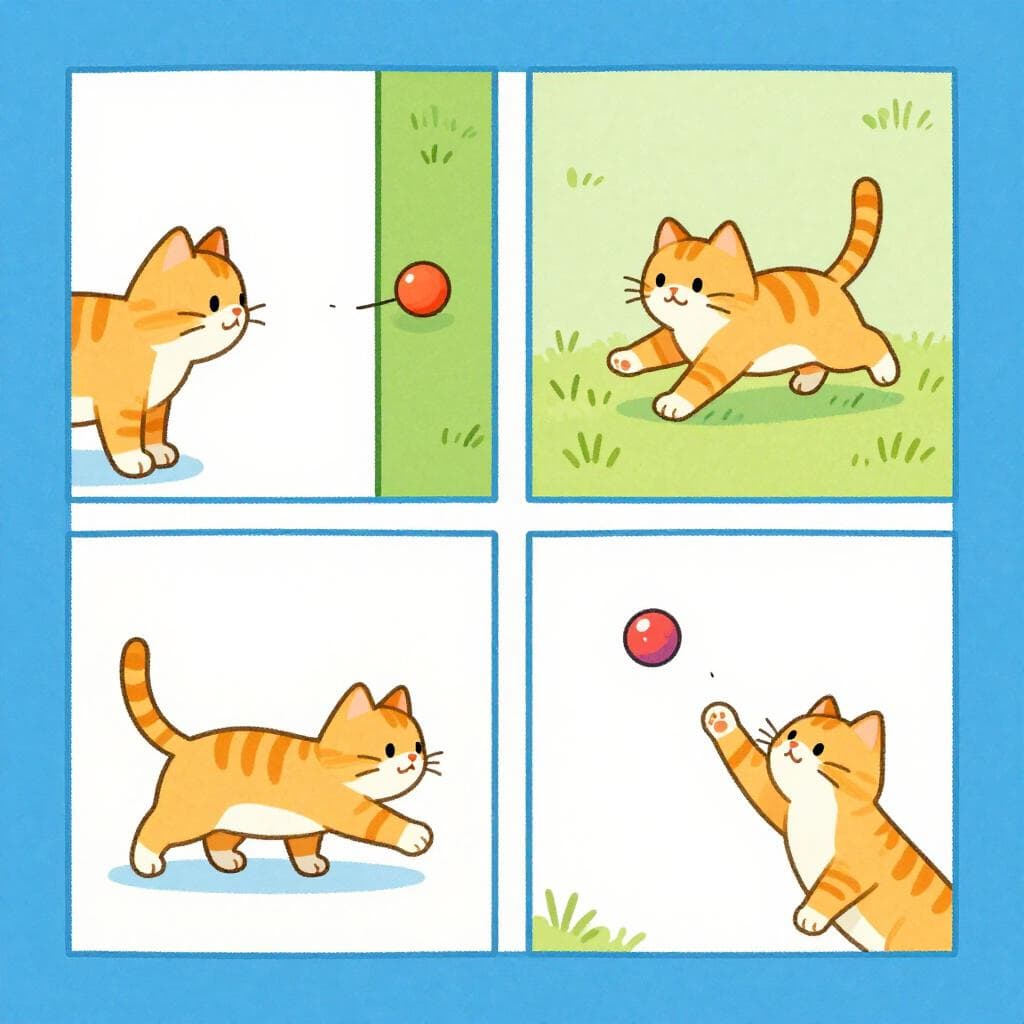
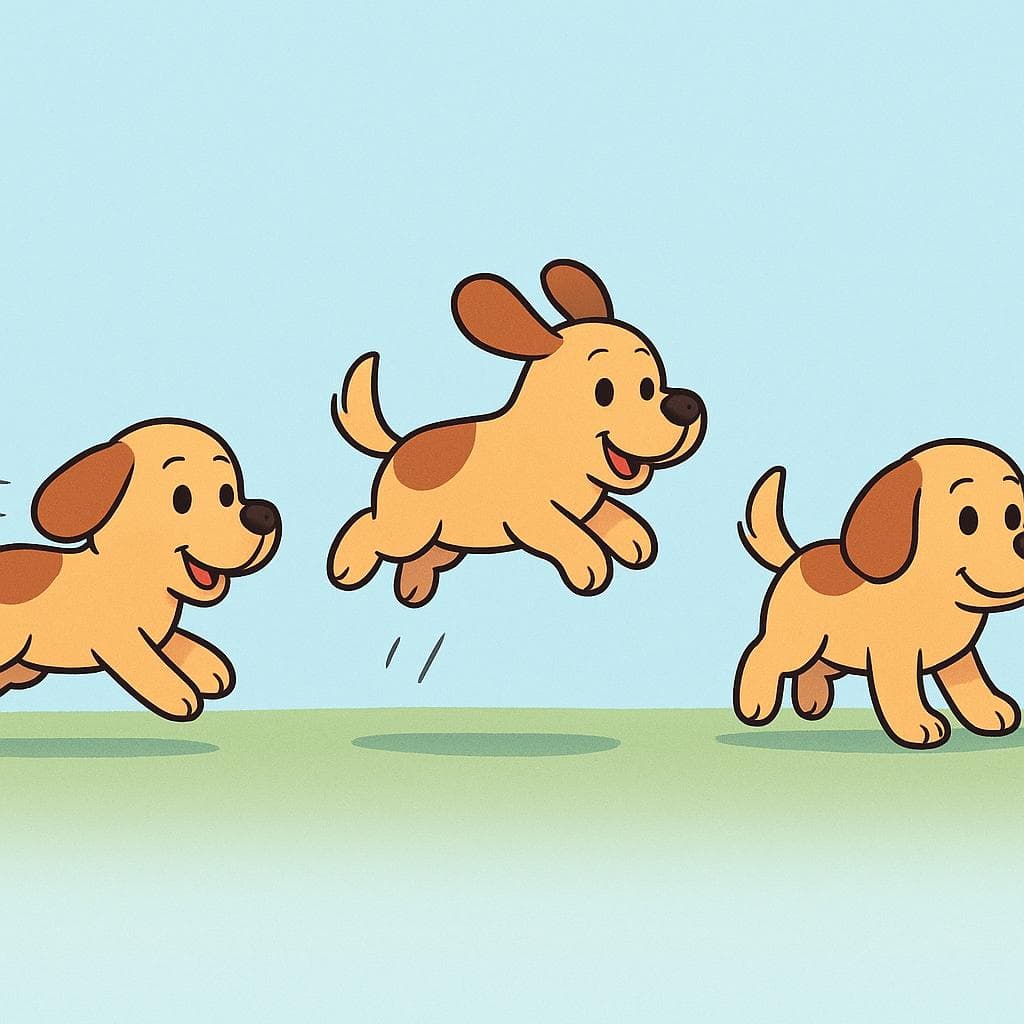

dibujos animados
Examples
Me encantan las películas de dibujos animados.
I love cartoon movies.
caricatura
kah-ree-kah-TOO-rahkaɾikaˈtuɾa

Examples
Mi caricatura favorita cuando era niño era Mickey Mouse.
My favorite cartoon when I was a kid was Mickey Mouse.
Un artista en el parque me hizo una caricatura con una nariz muy grande.
An artist in the park drew a caricature of me with a very big nose.
Ese programa de noticias es una caricatura de la realidad.
That news program is a caricature of reality.
Always Feminine
Even if the caricature is of a man, the word remains feminine: 'la caricatura'. You would say 'una caricatura de mi padre' (a caricature of my father).
Plural Form
To talk about more than one, simply add an 's' to the end: 'las caricaturas'.
Confusing with 'Cartoon' (Material)
Mistake: “Using 'caricatura' to talk about a cardboard box.”
Correction: Use 'cartón' for the material. 'Caricatura' is only for the drawing or the show.
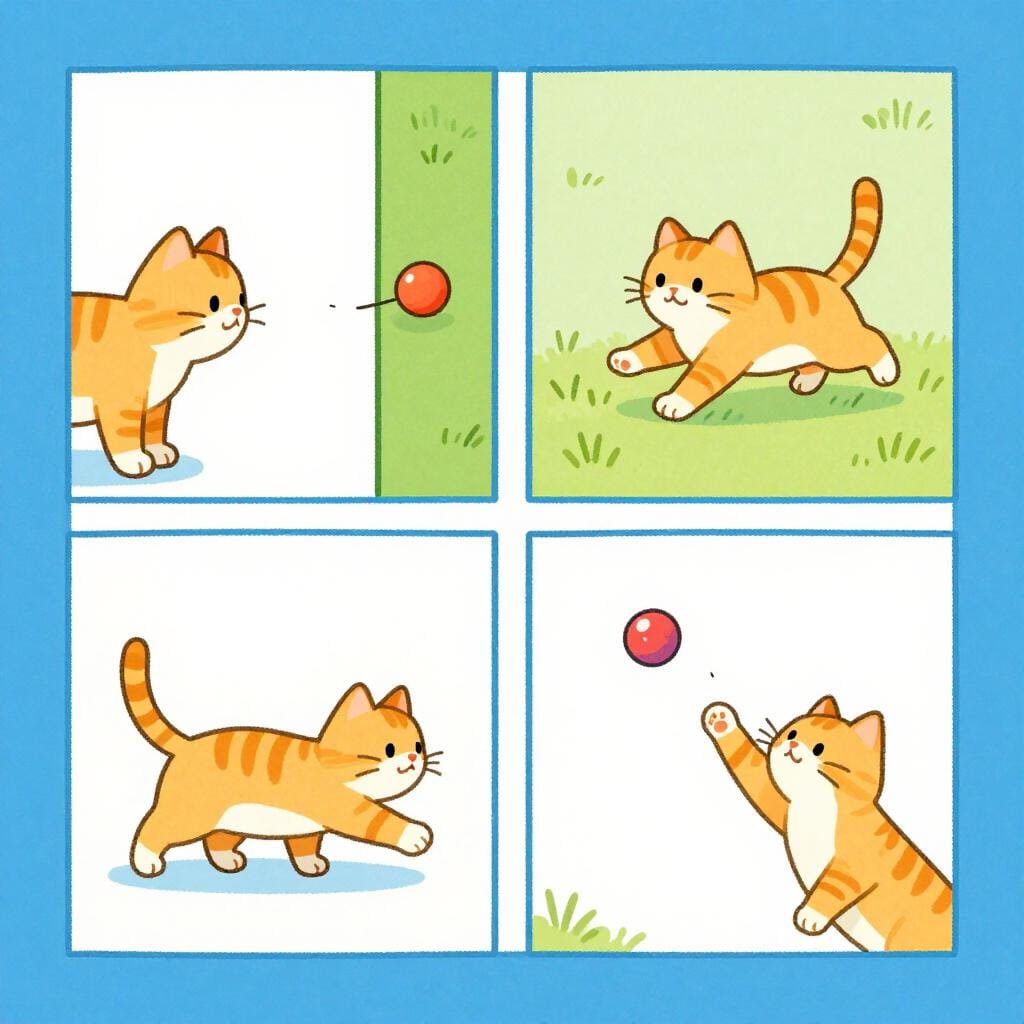
historieta
ees-toh-ree-eh-tahistoˈɾjeta
Examples
Leí una historieta muy divertida en el periódico hoy.
I read a very funny comic strip in the newspaper today.
De niño, mi habitación estaba llena de historietas de superhéroes.
As a child, my room was full of superhero comic books.
Mafalda es la historieta más famosa de Argentina.
Mafalda is the most famous comic strip from Argentina.
Always Feminine
Since it ends in '-a' and comes from 'historia', it is always feminine. Use 'la' or 'una' with it.
Making it Plural
To talk about more than one, simply add an '-s' to the end: 'las historietas'.
Historieta vs. Historia
Mistake: “Usar 'historia' para referirse a un cómic.”
Correction: Use 'historieta' when there are drawings involved. 'Historia' usually refers to a text-based story or history as a school subject.
tira
TEE-rahˈti.ɾa
Examples
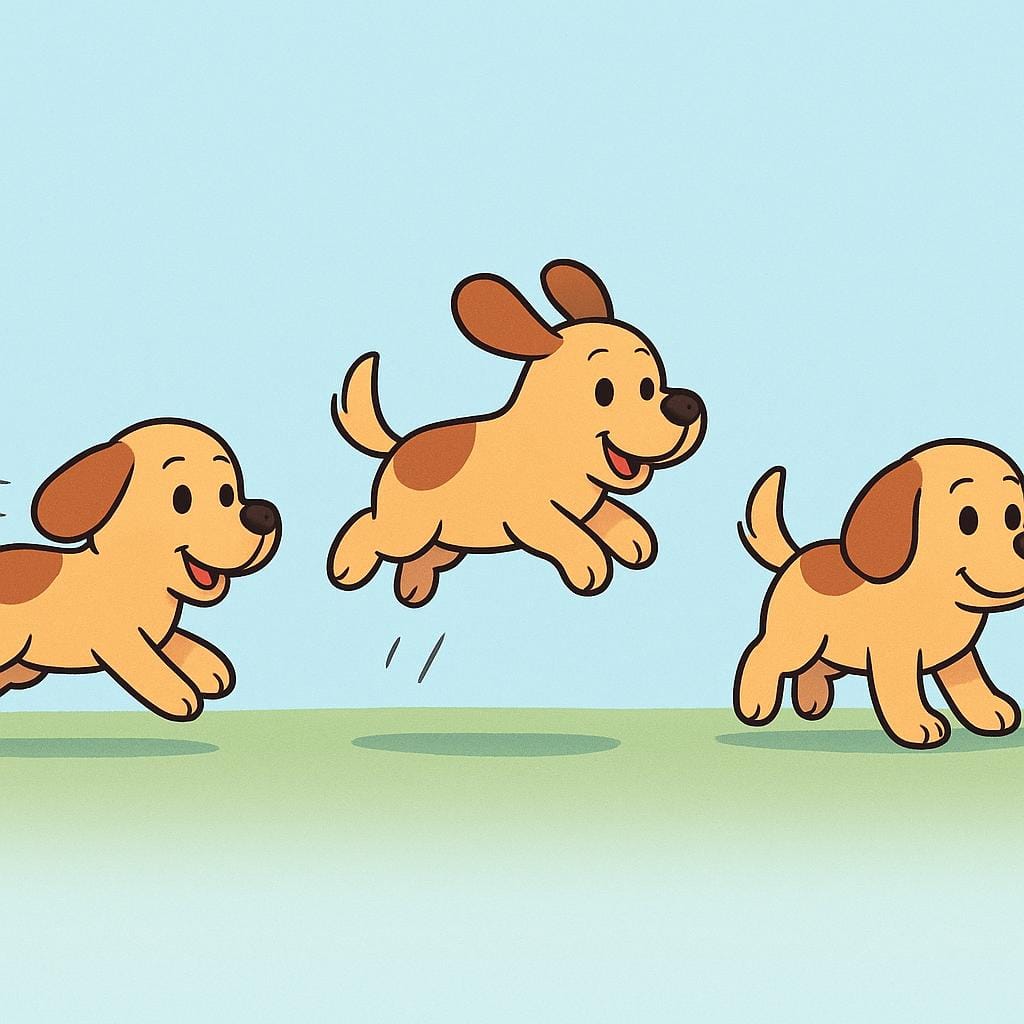
Mi parte favorita del periódico es siempre la tira cómica.
My favorite part of the newspaper is always the comic strip.
Esta tira es muy graciosa, ¡mira el dibujo del perro!
This strip is very funny, look at the drawing of the dog!
dibujo
dee-BOO-hodiˈβu.xo

Examples
Mi hija hizo un dibujo de un perro y me lo regaló.
My daughter made a drawing of a dog and gave it to me.
El arquitecto nos mostró el dibujo de la nueva casa.
The architect showed us the design/drawing of the new house.
Necesito un buen dibujo técnico para entender cómo funciona esta máquina.
I need a good technical drawing to understand how this machine works.
Gender Check
Remember that 'dibujo' is always masculine, so you must use 'el' or 'un' before it (e.g., 'el dibujo', 'un dibujo bonito').
Cartoon vs. Comic Strip
Related Translations
Learn Spanish with Inklingo
Interactive stories, personalized learning, and more.