How to Say "band" in Spanish
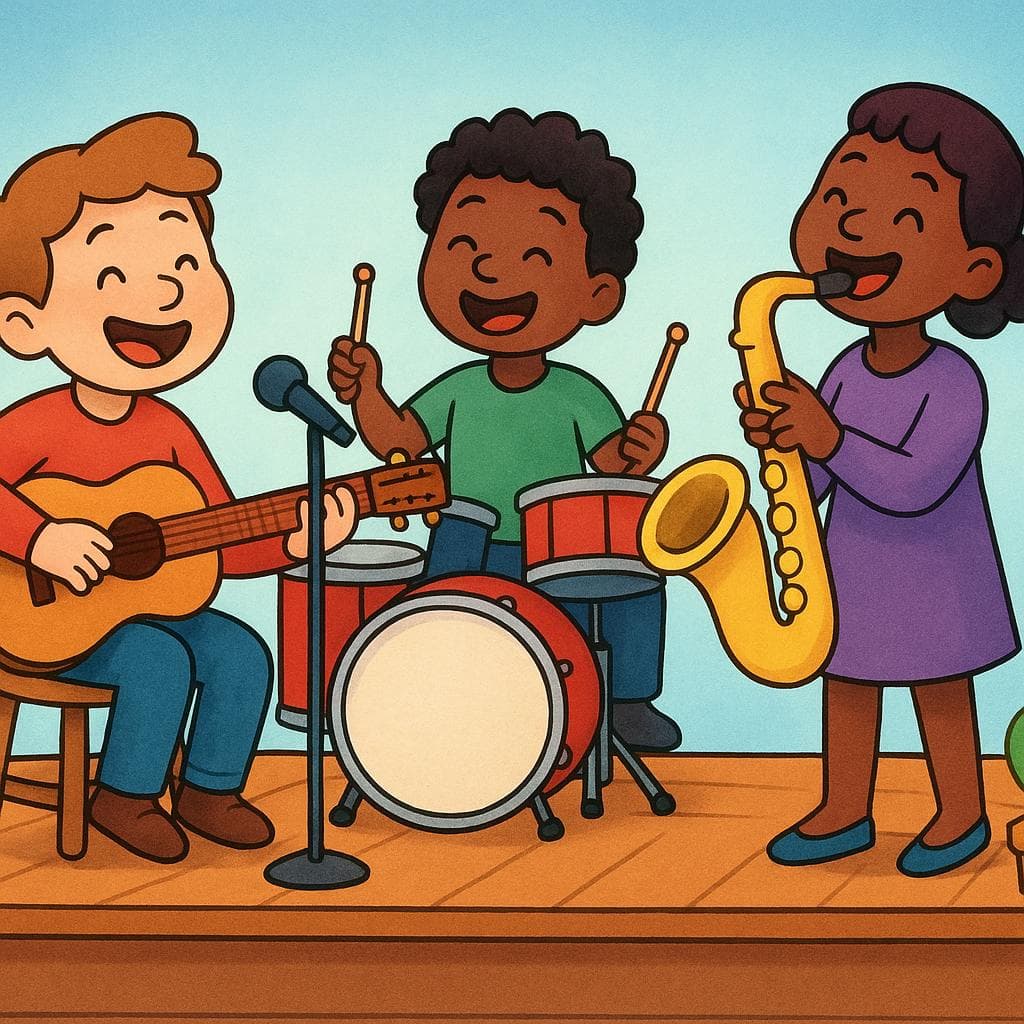
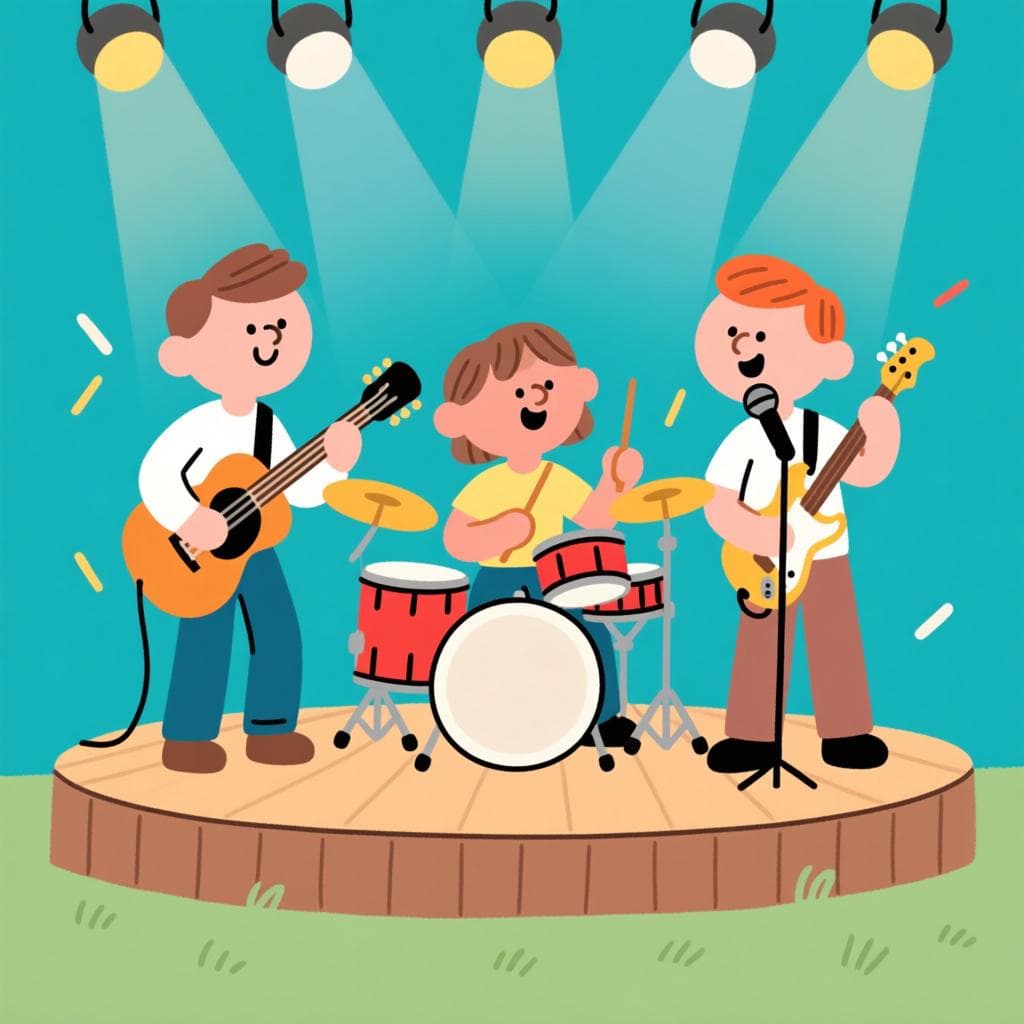
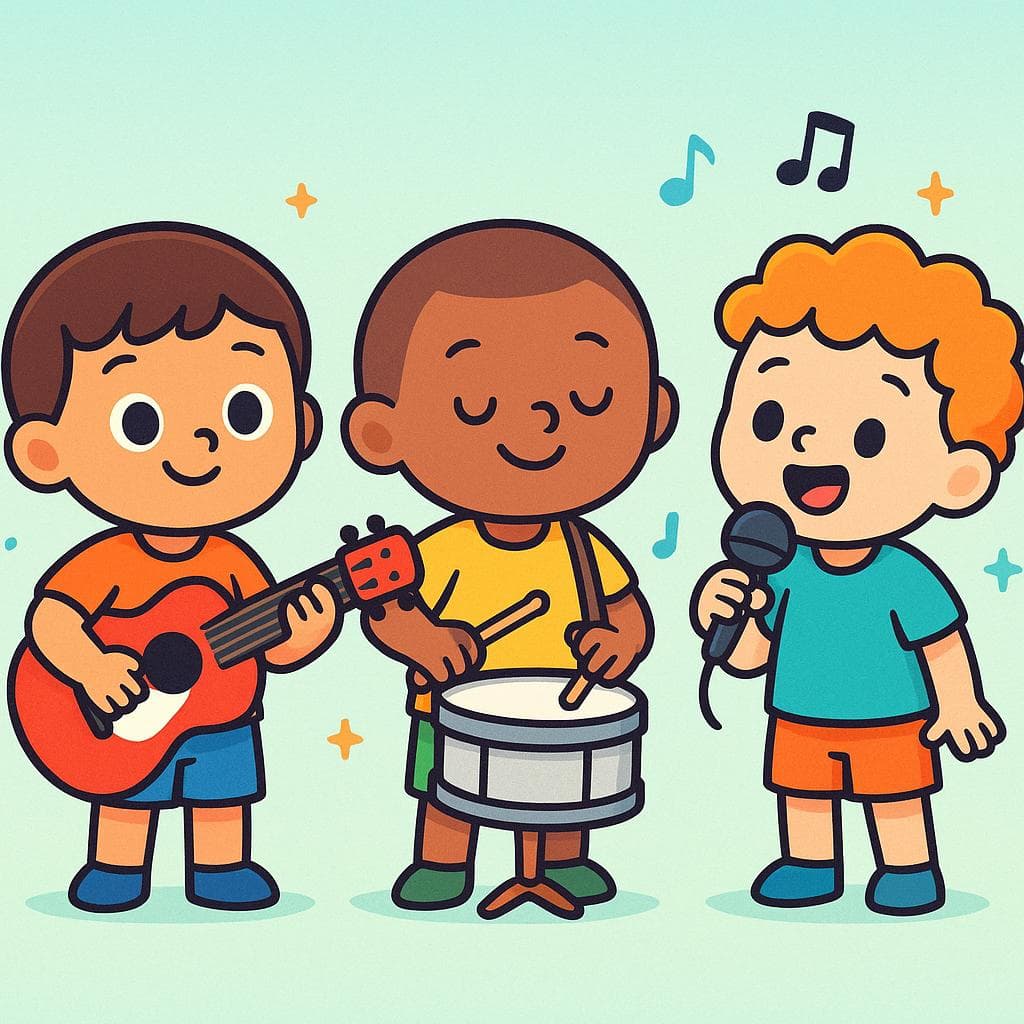
The most common Spanish word for “band” is “banda” — use 'banda' when referring to a musical group or ensemble, from rock bands to marching bands.
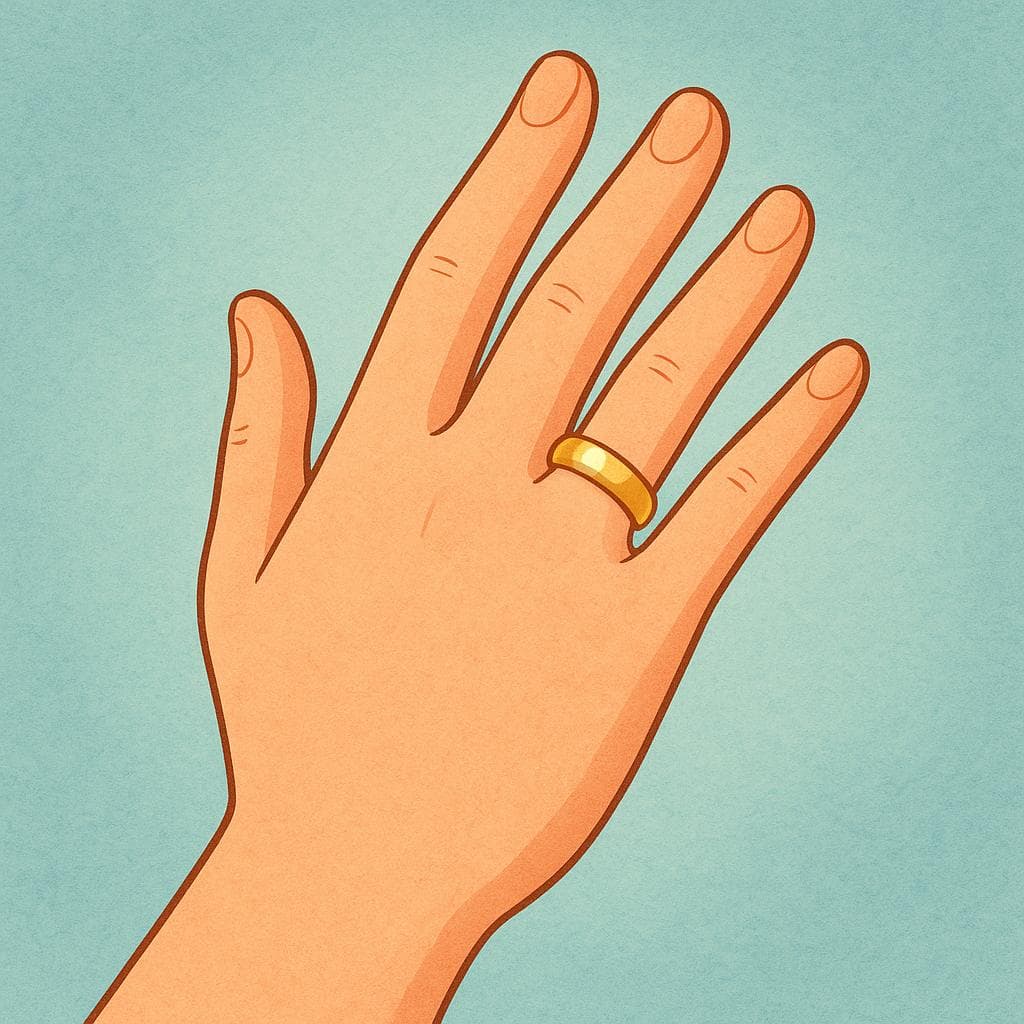
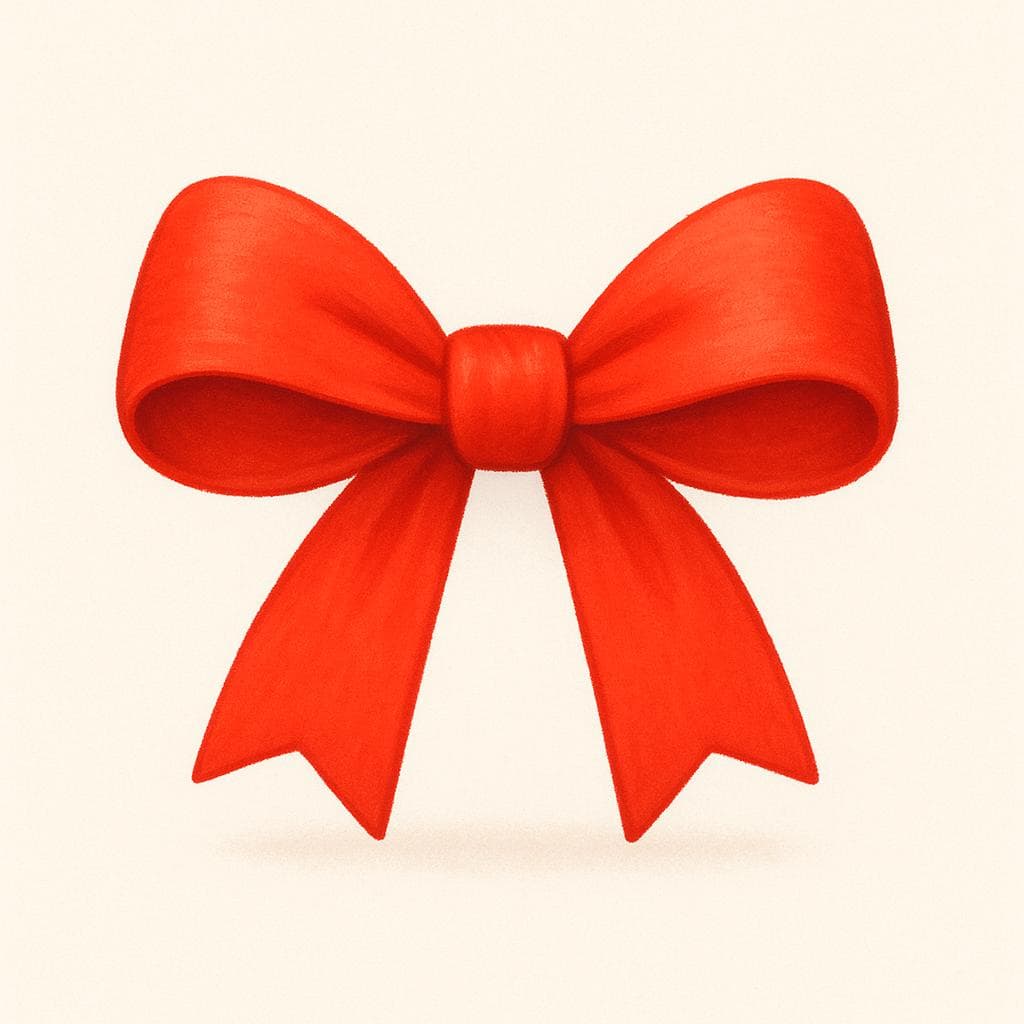


banda
BAHN-dahˈbanda
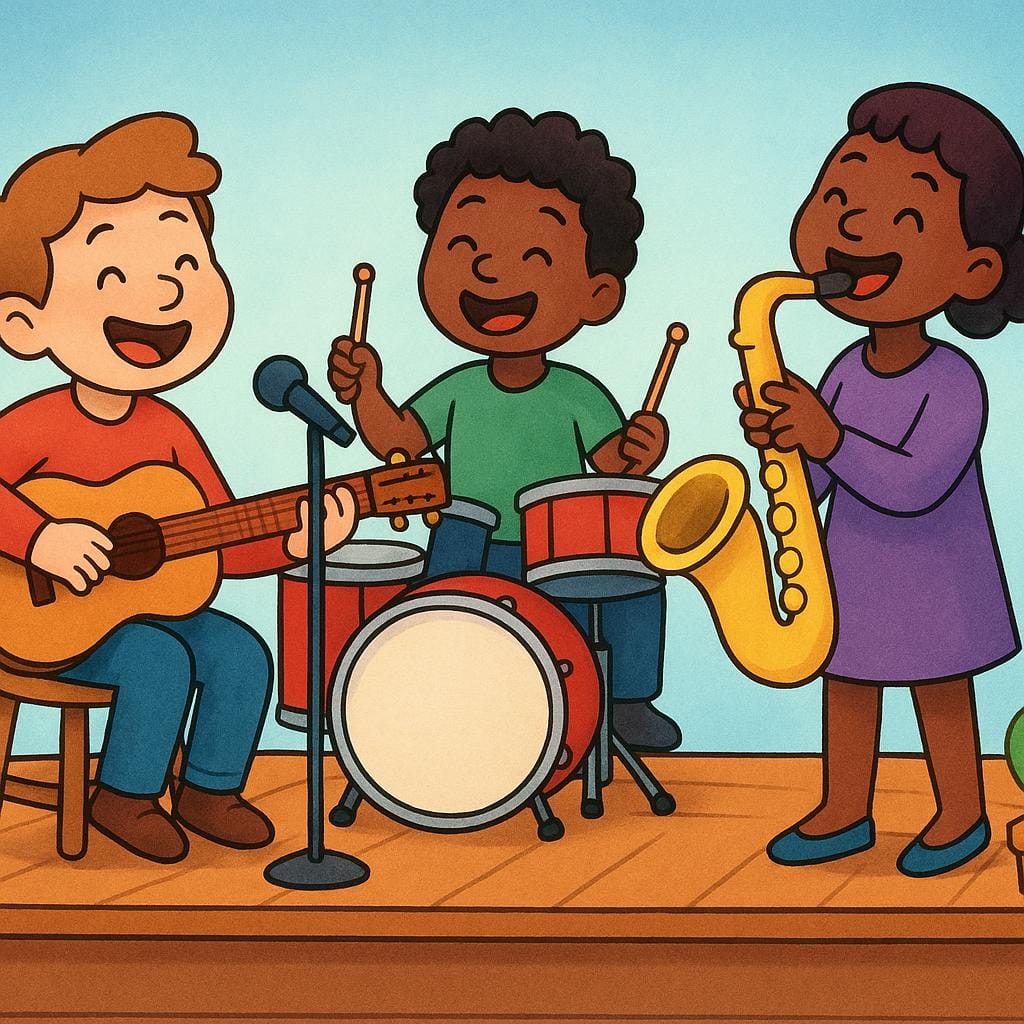
Examples
Mi banda favorita dará un concierto este sábado.
My favorite band is giving a concert this Saturday.
La banda municipal tocó marchas en la plaza principal.
The municipal band played marches in the main square.
Estuve en la banda de la escuela por tres años.
I was in the school band for three years.
Confusing 'banda' and 'pulsera'
Mistake: “Using 'banda' for a wrist accessory.”
Correction: Use 'pulsera' or 'brazalete' for a wristband or arm band, reserving 'banda' for groups or long strips of material.
grupo
GROO-pohˈɡɾupo
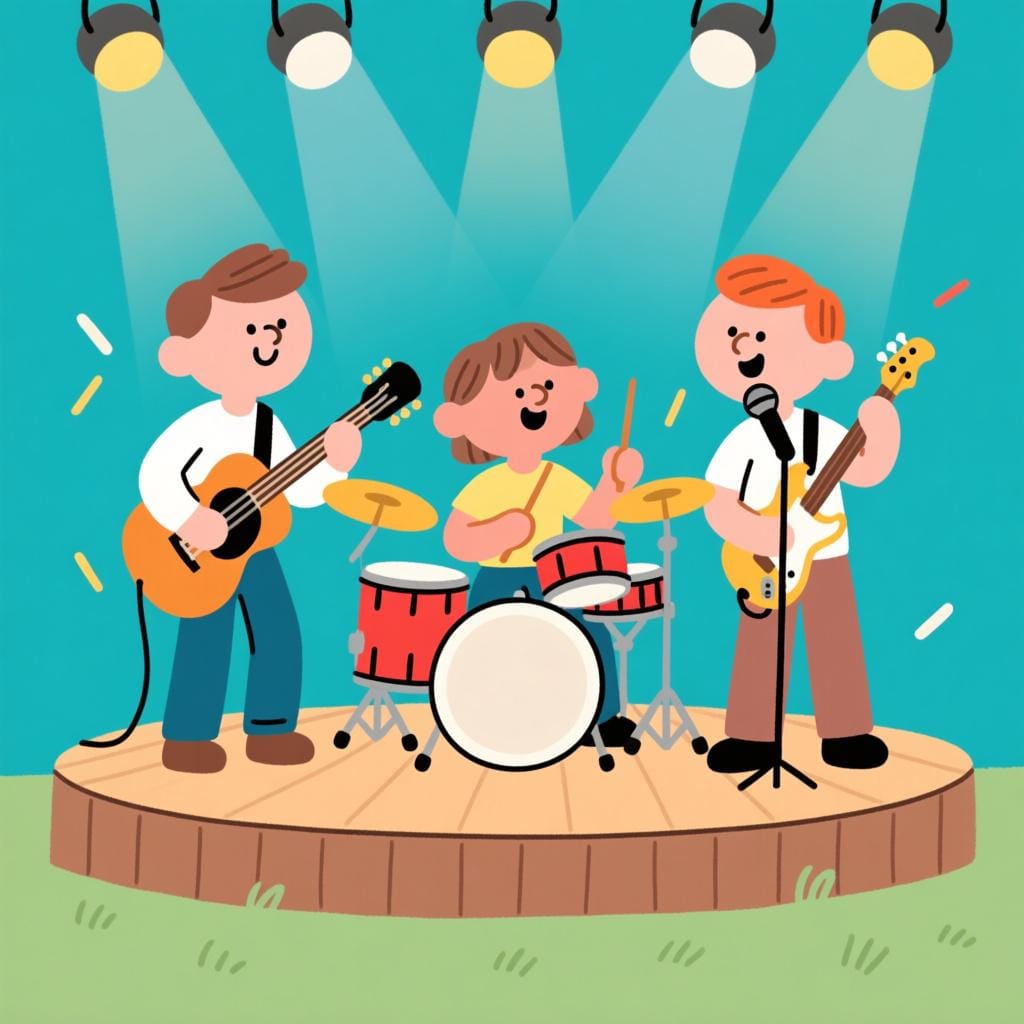
Examples
¿Te gusta este grupo de música?
Do you like this music group/band?
Mi grupo favorito va a tocar en la ciudad.
My favorite band is going to play in the city.
Ella es la cantante de un grupo famoso.
She is the singer of a famous band.
conjunto
kon-HOON-tohkonˈxunto

Examples
El conjunto de jazz tocó hasta la medianoche.
The jazz band played until midnight.
Mi primo toca el acordeón en un conjunto de música norteña.
My cousin plays the accordion in a northern Mexican music band.
Music Terminology
While 'banda' is common for rock or pop, 'conjunto' is often preferred for smaller, traditional ensembles, especially those playing regional Mexican music (like Tejano or Norteño).
música
Examples
Me encanta escuchar música mientras trabajo.
I love listening to music while I work.
agrupación
Examples
La agrupación musical tocó en la plaza.
The musical group played in the square.
orquesta
or-KES-tahoɾˈkesta
Examples
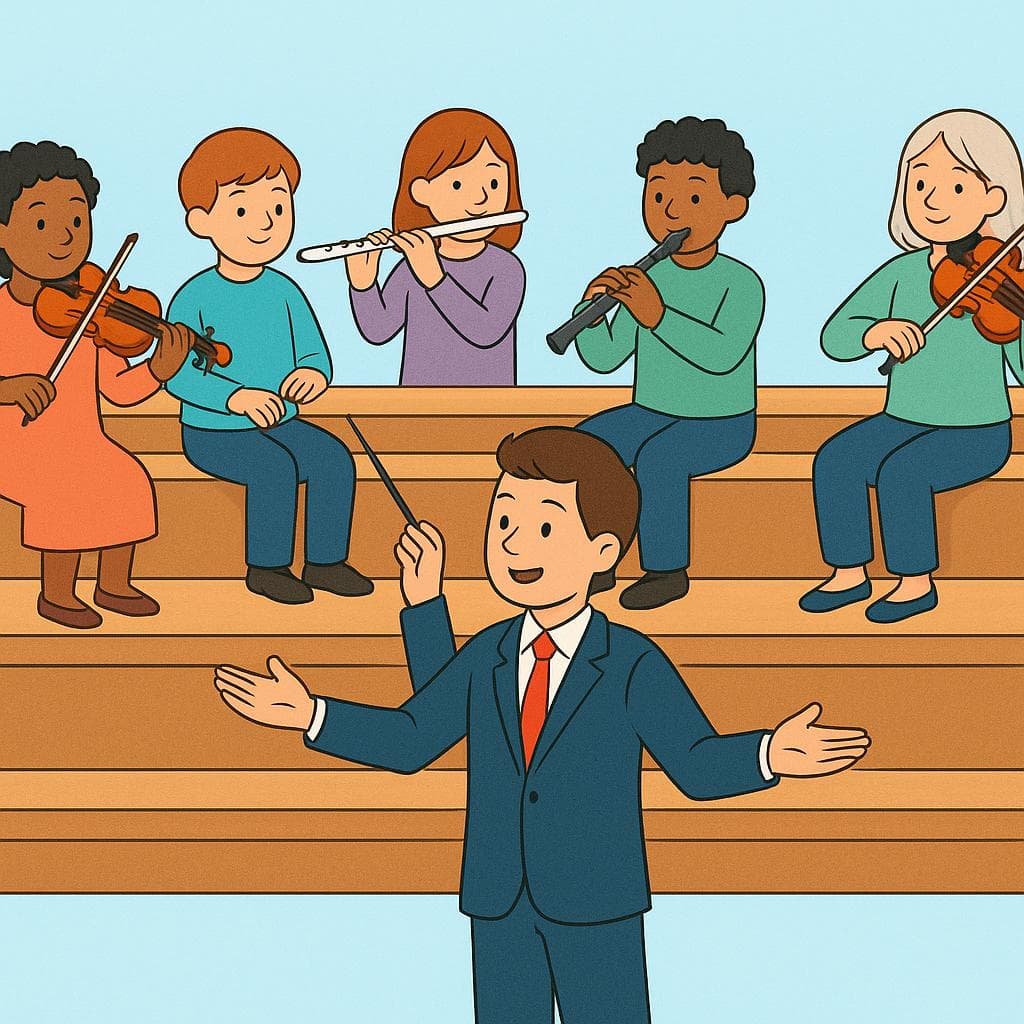
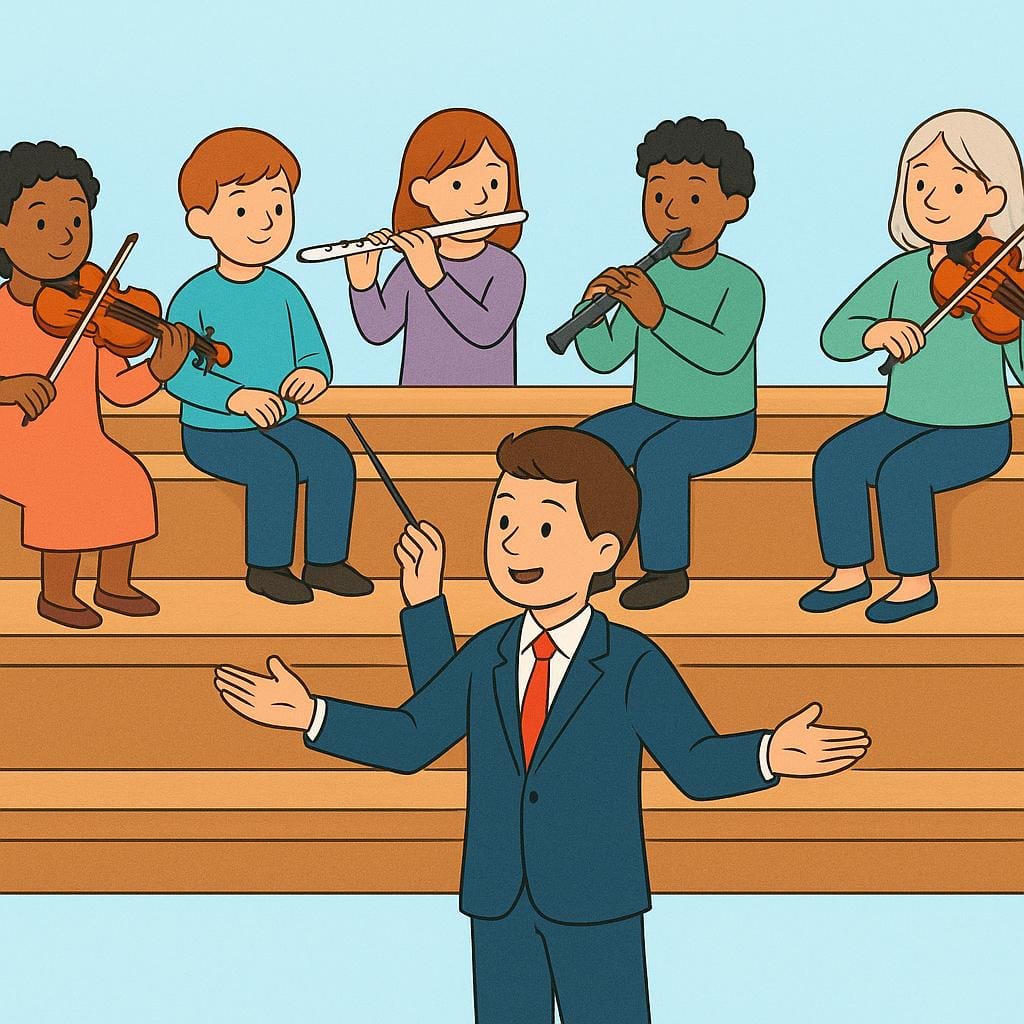
La orquesta sinfónica tocó una pieza de Mozart.
The symphony orchestra played a piece by Mozart.
El director levantó la batuta y la orquesta comenzó a sonar.
The conductor raised the baton and the orchestra began to play.
Gender Reminder
Even though 'orquesta' ends in 'a,' remember it is a feminine word, always requiring 'la' or 'una' before it.
anillo
ah-NEE-yohaˈniʎo
Examples
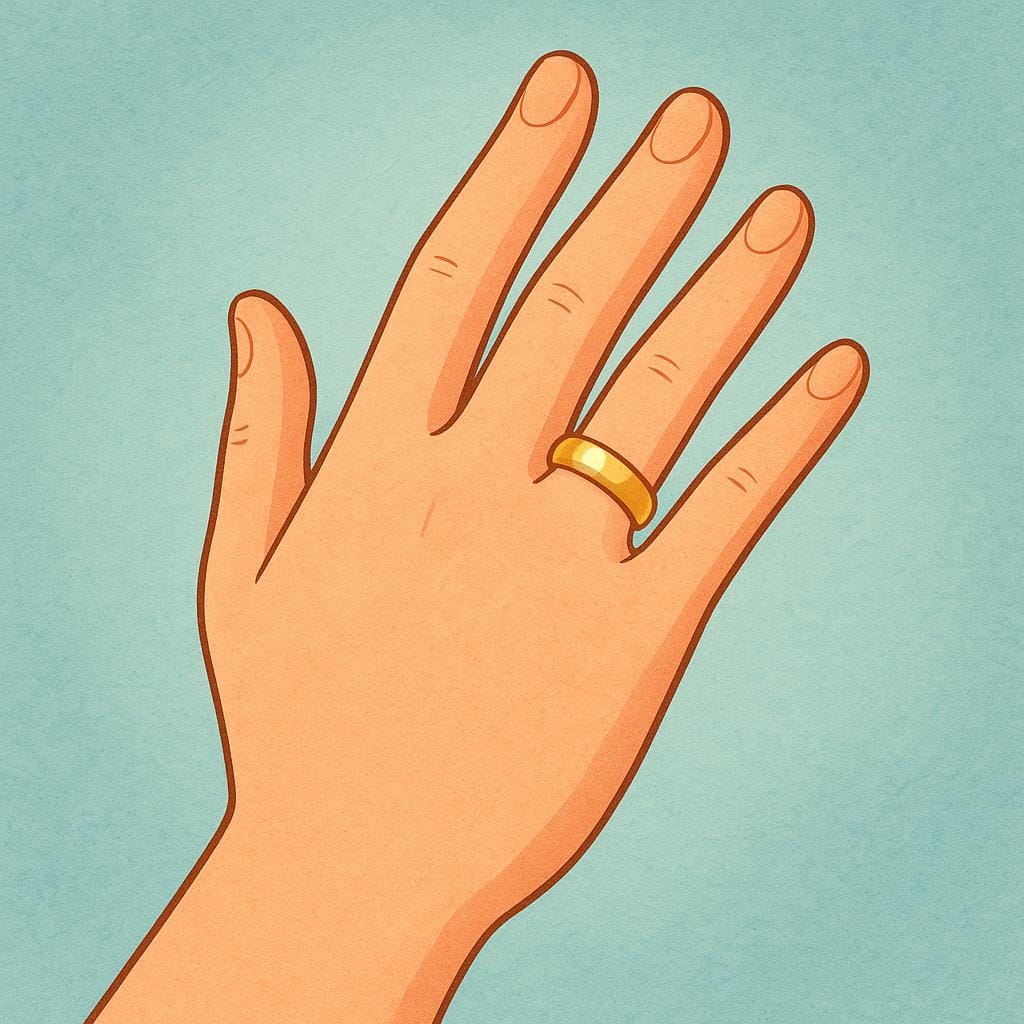
Ella perdió su anillo de compromiso en la playa.
She lost her engagement ring on the beach.
Quiero comprar un anillo de plata para mi madre.
I want to buy a silver ring for my mother.
Masculine Noun
Remember that 'anillo' is always a masculine word, so it uses 'el' or 'un'. (e.g., 'El anillo es caro').
cinta
SEEN-tahˈsin̪.t̪a
Examples
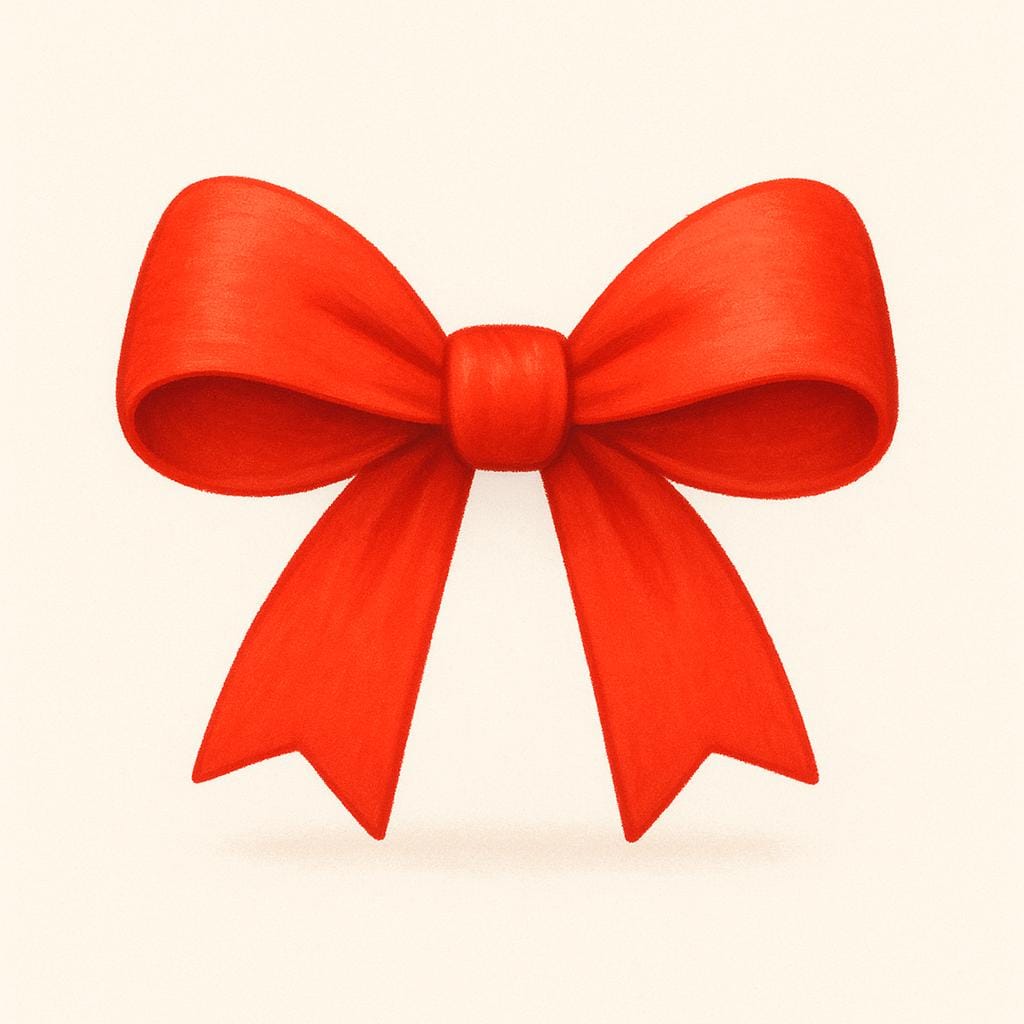
Ató el regalo con una cinta roja y brillante.
She tied the present with a bright red ribbon.
Ella se puso una cinta en el pelo.
She put a ribbon in her hair.
Gender Alert
Remember that 'cinta' is always a feminine word, so it must use feminine articles and adjectives (e.g., 'la cinta', 'una cinta larga').
tira
TEE-rahˈti.ɾa

Examples
Corta una tira de tela para envolver el regalo.
Cut a strip of fabric to wrap the gift.
La policía puso una tira amarilla alrededor de la escena.
The police put a yellow strip (tape) around the scene.
Gender Reminder
Even though it ends in '-a', remember that 'tira' is always feminine, so you must use 'la tira' or 'una tira'.
franja
FRAN-hahˈfɾanxa

Examples
La bandera de España tiene una franja amarilla en el centro.
The Spanish flag has a yellow stripe in the center.
Hay una franja de arena blanca cerca del mar.
There is a strip of white sand near the sea.
Necesitamos pintar una franja roja en la pared para decorar.
We need to paint a red stripe on the wall to decorate.
Always Feminine
This word is always feminine. Always use 'la' or 'una' with it, even if the person or thing it describes isn't feminine.
Franja vs. Raya
A 'franja' is usually wider and more substantial than a 'raya' (which is more like a thin line).
Gender confusion
Mistake: “Me gusta el franja azul.”
Correction: Me gusta la franja azul. Because the word ends in 'a' and is feminine, you must use 'la'.
Musical Bands vs. Strips
Related Translations
Learn Spanish with Inklingo
Interactive stories, personalized learning, and more.