How to Say "strip" in Spanish
The most common Spanish word for “strip” is “franja” — use 'franja' when referring to a long, narrow section of something, especially a border, band, or stripe on a surface or area of land.
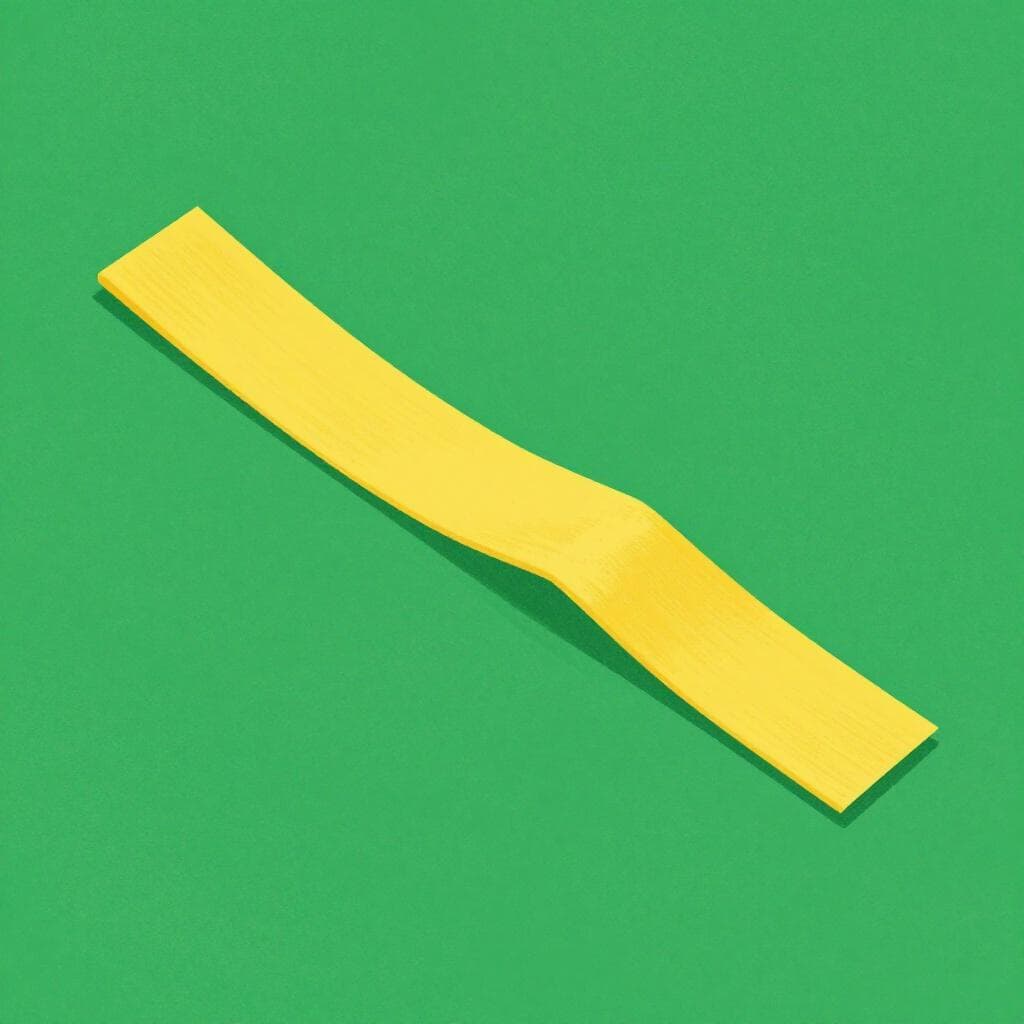

franja
FRAN-hahˈfɾanxa

Examples
La bandera de España tiene una franja amarilla en el centro.
The Spanish flag has a yellow stripe in the center.
Hay una franja de arena blanca cerca del mar.
There is a strip of white sand near the sea.
Necesitamos pintar una franja roja en la pared para decorar.
We need to paint a red stripe on the wall to decorate.
Always Feminine
This word is always feminine. Always use 'la' or 'una' with it, even if the person or thing it describes isn't feminine.
Franja vs. Raya
A 'franja' is usually wider and more substantial than a 'raya' (which is more like a thin line).
Gender confusion
Mistake: “Me gusta el franja azul.”
Correction: Me gusta la franja azul. Because the word ends in 'a' and is feminine, you must use 'la'.
tira
TEE-rahˈti.ɾa

Examples
Corta una tira de tela para envolver el regalo.
Cut a strip of fabric to wrap the gift.
La policía puso una tira amarilla alrededor de la escena.
The police put a yellow strip (tape) around the scene.
Gender Reminder
Even though it ends in '-a', remember that 'tira' is always feminine, so you must use 'la tira' or 'una tira'.
Franja vs. Tira: Surface vs. Material
Learn Spanish with Inklingo
Interactive stories, personalized learning, and more.