How to Say "pulls" in Spanish
The most common Spanish word for “pulls” is “tira” — use 'tira' when referring to the physical action of tugging or pulling something towards oneself or in a specific direction.
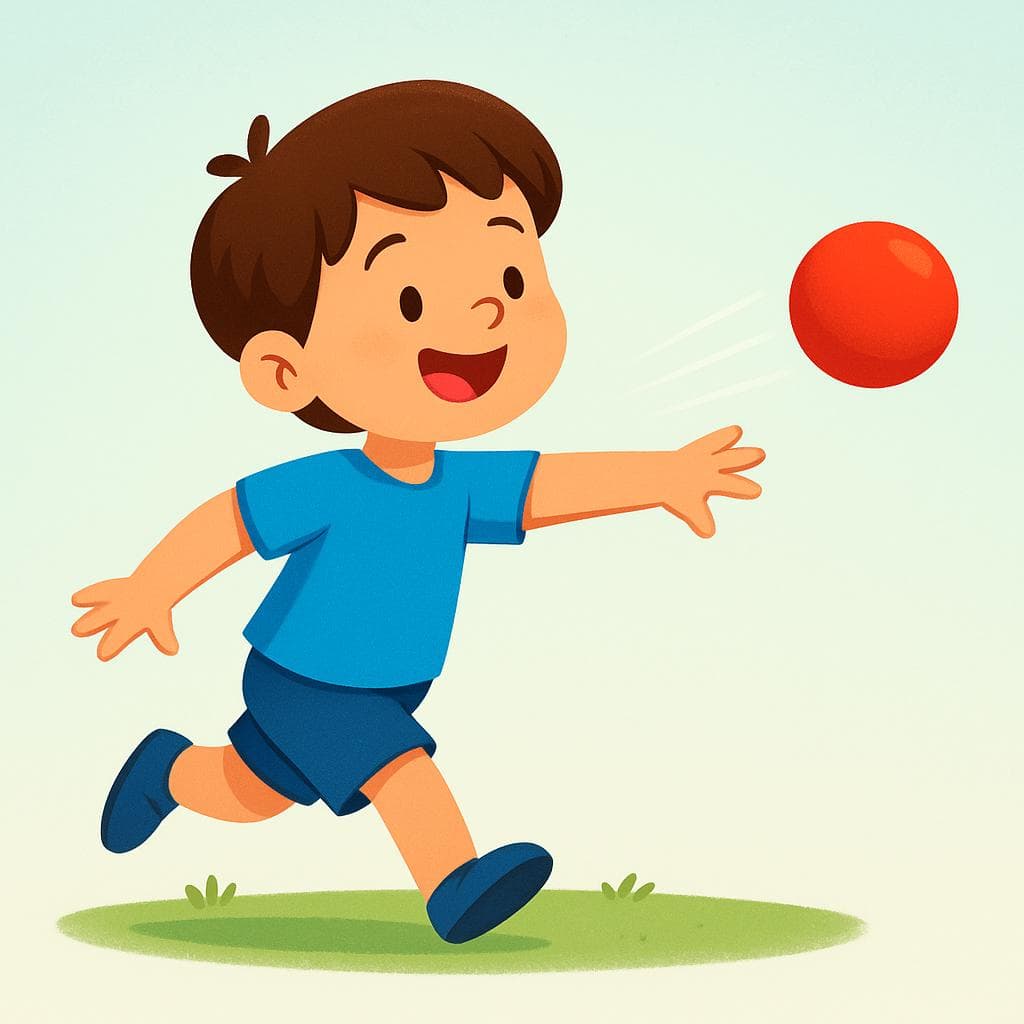
tira
TEE-rahˈti.ɾa
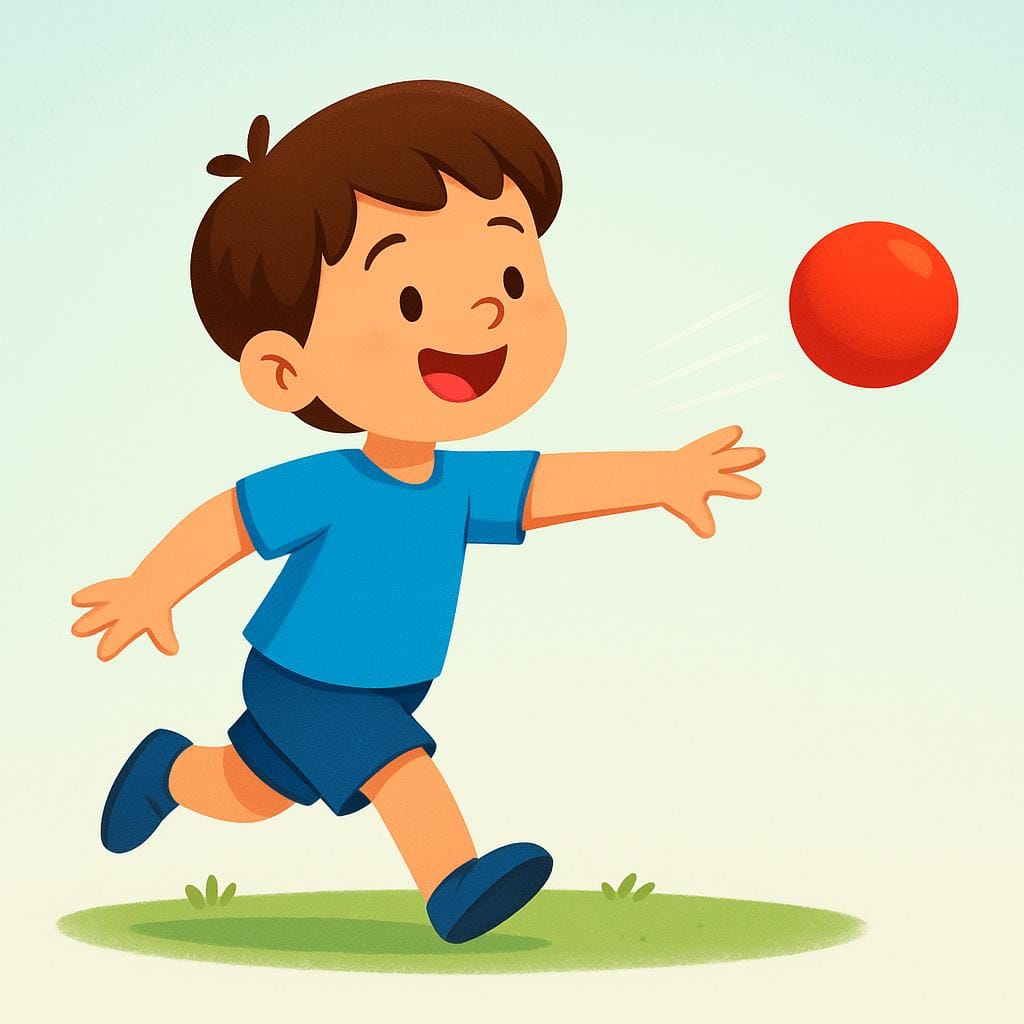
Examples
Él tira de la puerta para abrirla.
He pulls the door to open it.
Ella siempre tira la pelota para que el perro corra.
She always throws the ball so the dog can run.
¡Tira esa botella a la basura!
Throw that bottle in the trash!
El motor tira mucho humo cuando arranca.
The engine gives off a lot of smoke when it starts.
Imperative Form
The word 'tira' is the command form for 'tú' (you, informal). Use it when telling a friend to throw or pull something: '¡Tira la puerta!' (Pull the door!).
Throwing vs. Taking Off
Mistake: “Using 'tirar' when you mean 'to take off' clothes (Quiero tirar mi chaqueta).”
Correction: Use 'quitarse' or 'sacarse' for clothes. 'Quiero quitarme mi chaqueta.' (I want to take off my jacket).
atrae
ah-TRAH-ehaˈtra.e
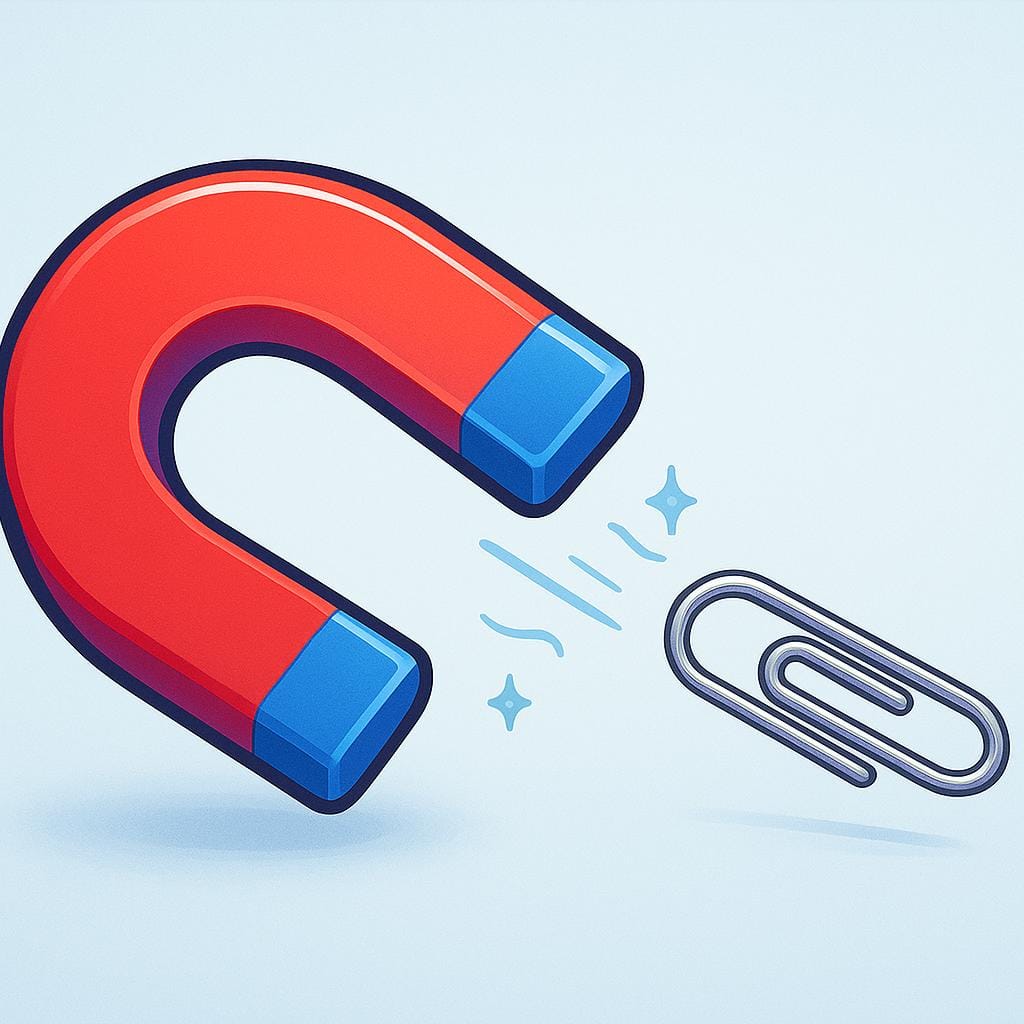
Examples
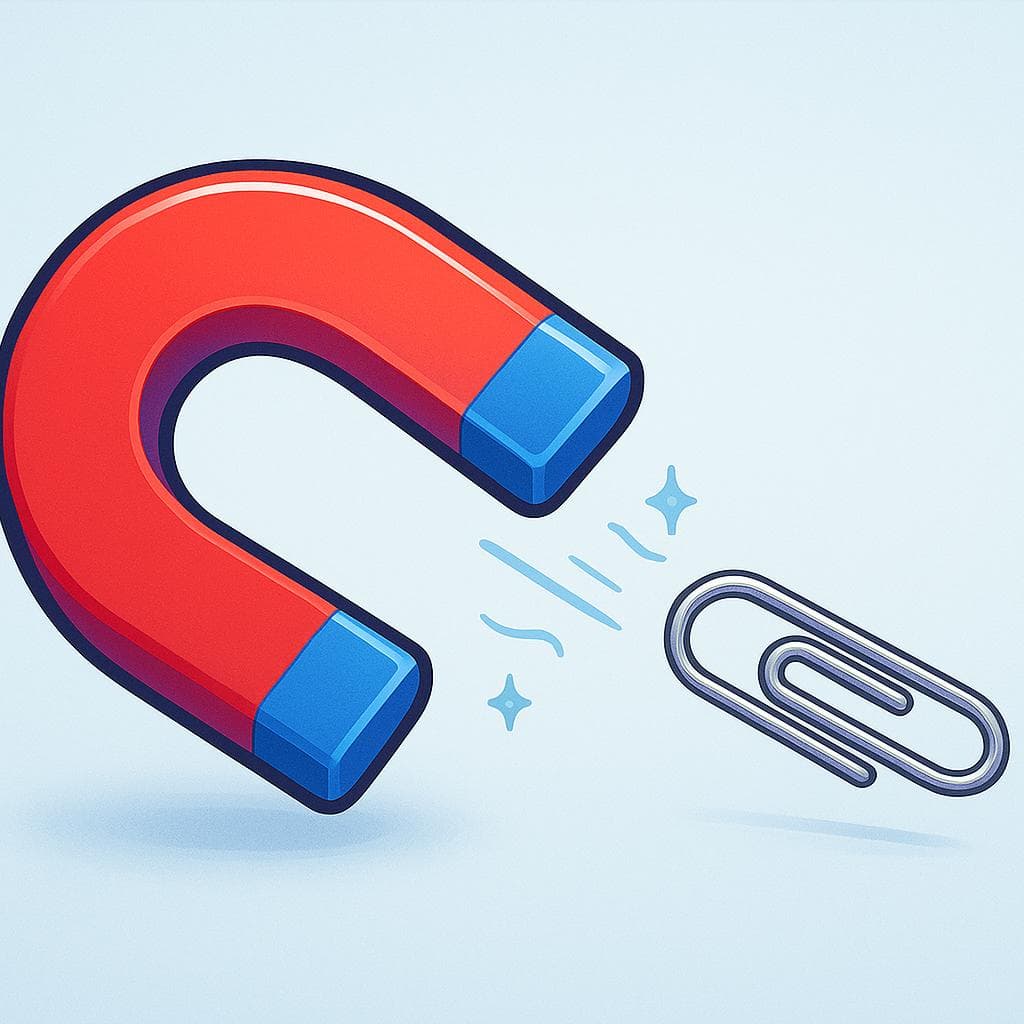
El imán atrae los objetos de metal.
The magnet attracts metal objects.
El Sol atrae a la Tierra con su gravedad.
The Sun attracts the Earth with its gravity.
¿Qué atrae a los turistas a esta ciudad?
What attracts tourists to this city?
Usted atrae la atención de todos cuando habla.
You (formal) attract everyone's attention when you speak.
Identifying the Speaker
When you see 'atrae,' the person doing the action is a single person (he/she/it) or a formal 'you' (usted). It always describes the action happening right now.
The 'Yo' Form is Special
The base verb 'atraer' has a tricky 'yo' form: 'atraigo.' Remember this 'g' sound, as it carries into the special verb forms (subjunctive: 'atraiga').
Confusing Tenses
Mistake: “Using 'atrajo' (past tense) when describing a current, ongoing attraction.”
Correction: Use 'atrae' for the present action: 'Esa música atrae a los jóvenes' (That music attracts young people).
Tira vs. Atrae: Physical vs. Abstract
Related Translations
Learn Spanish with Inklingo
Interactive stories, personalized learning, and more.