How to Say "range" in Spanish
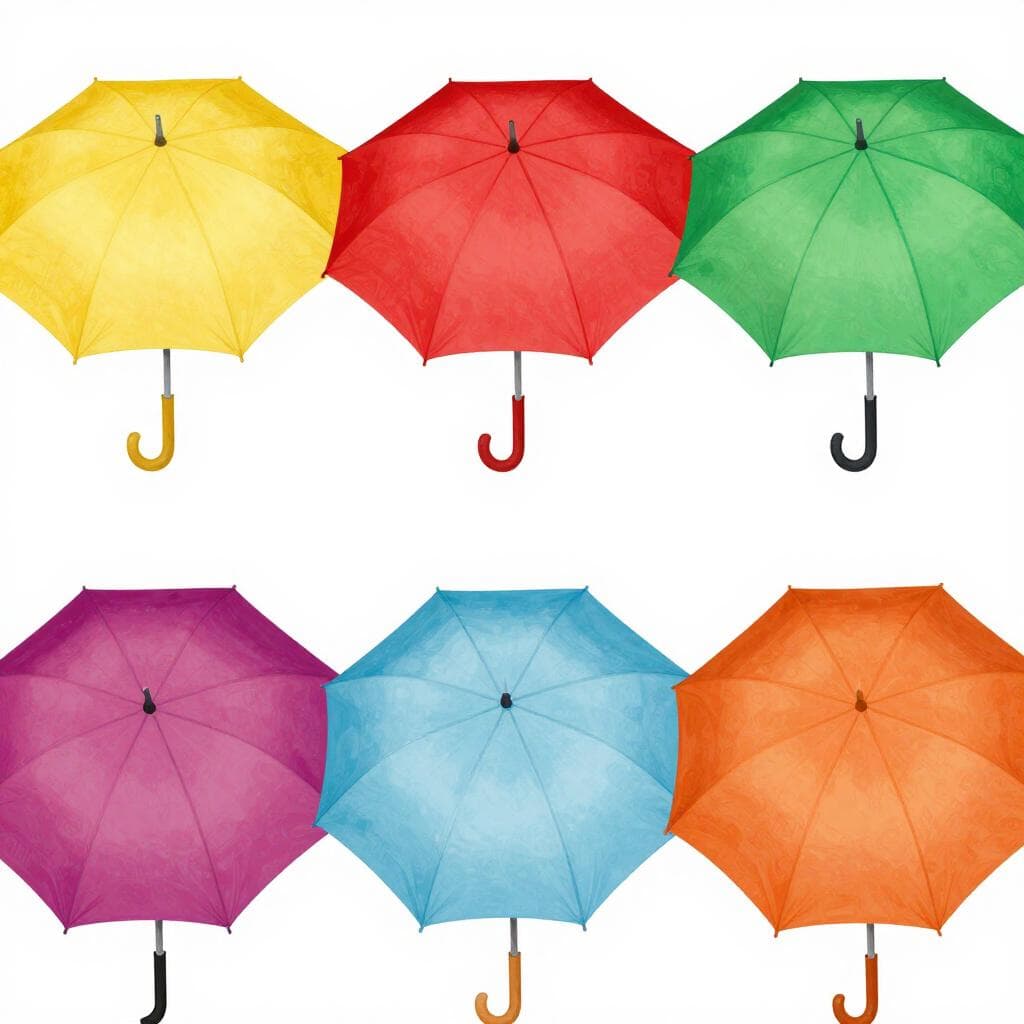
The most common Spanish word for “range” is “gama” — use 'gama' when referring to a variety of products, colors, or options offered by a store or manufacturer.







gama
GAH-mahˈɡama

Examples
La tienda tiene una amplia gama de colores.
The store has a wide range of colors.
Estamos buscando un producto de gama alta.
We are looking for a high-end product.
Su voz cubre una gran gama de notas.
His voice covers a wide range of notes.
Using 'La' with Gama
This word is always feminine. Even when talking about 'high-end' technology or masculine things, you always say 'la gama'.
Describing Quality
In Spanish, we don't say 'expensive-end'; we use 'gama alta' (high range) for premium items and 'gama media' for mid-range items.
Range vs. Rank
Mistake: “Using 'rango' for a selection of colors.”
Correction: Use 'gama' when talking about a variety or spectrum (like colors/products). Use 'rango' for hierarchy or mathematical limits.
abanico
ah-bah-NEE-kohaβaˈniko
Examples
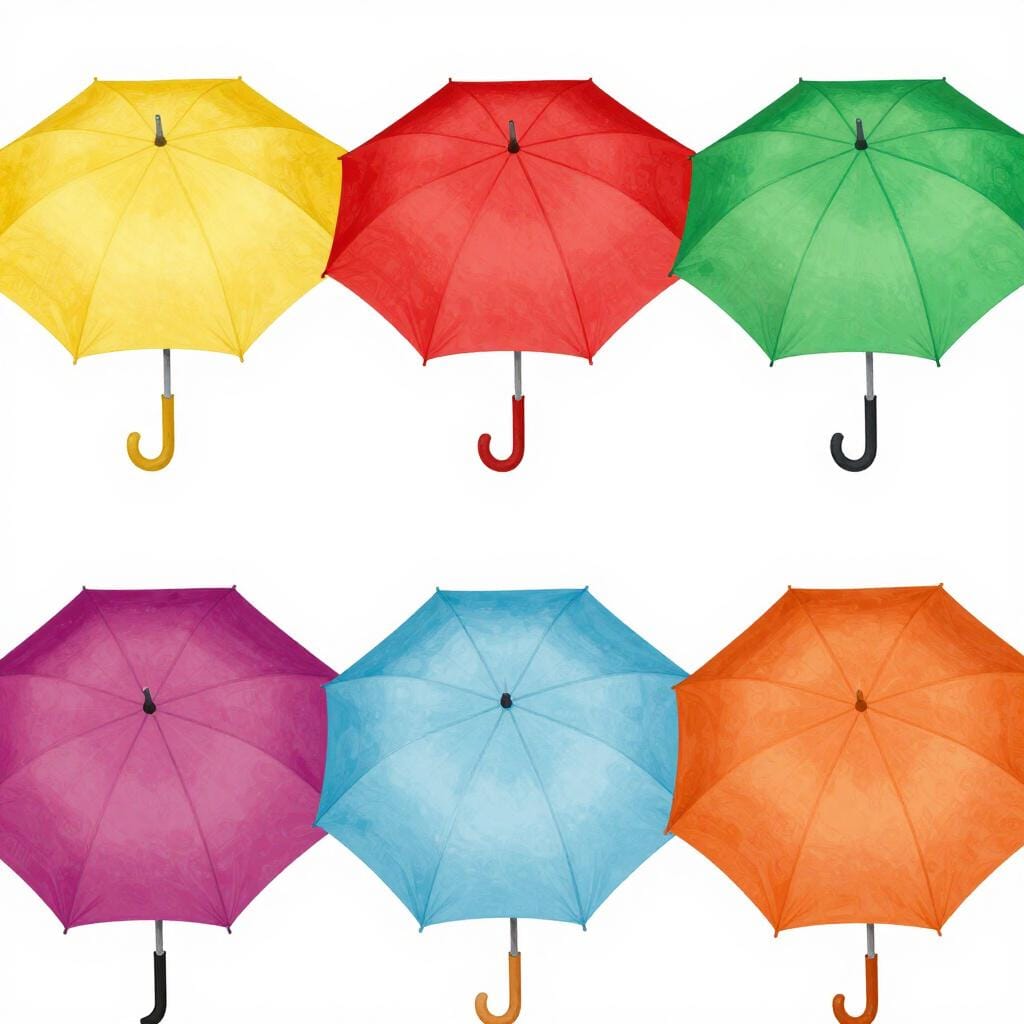
La tienda ofrece un amplio abanico de productos.
The store offers a wide range of products.
Hay un gran abanico de posibilidades para tu carrera.
There is a wide spectrum of possibilities for your career.
El candidato presentó un abanico de propuestas nuevas.
The candidate presented a variety of new proposals.
Using 'Amplio'
This meaning is almost always paired with the word 'amplio' (wide) to emphasize a big variety.
Literal Translation
Mistake: “Saying 'un rango de' instead of 'un abanico de'.”
Correction: While 'rango' is used in math, 'abanico' sounds much more natural when talking about options or choices.
rango
RRAHN-gohˈraŋ.ɡo
Examples
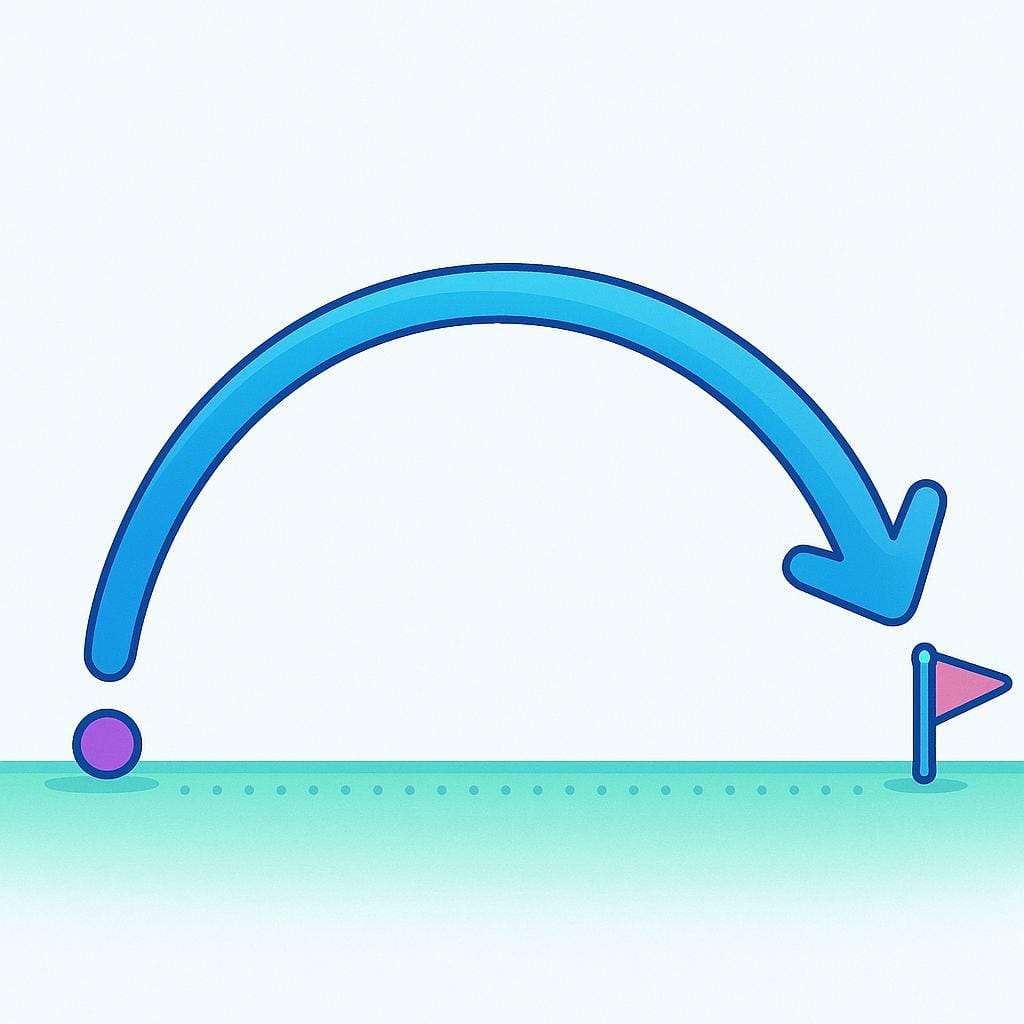
El rango de temperatura ideal para esta planta es entre 15 y 25 grados.
The ideal temperature range for this plant is between 15 and 25 degrees.
Esta radio tiene un rango de recepción muy amplio.
This radio has a very wide reception range.
Los datos caen en el rango esperado.
The data falls within the expected range.
Prepositions with Rango
When specifying the limits of a range, use 'entre... y...' (between... and...) or 'desde... hasta...' (from... to...).
cobertura
koh-behr-TOO-rahkoβeɾˈtuɾa
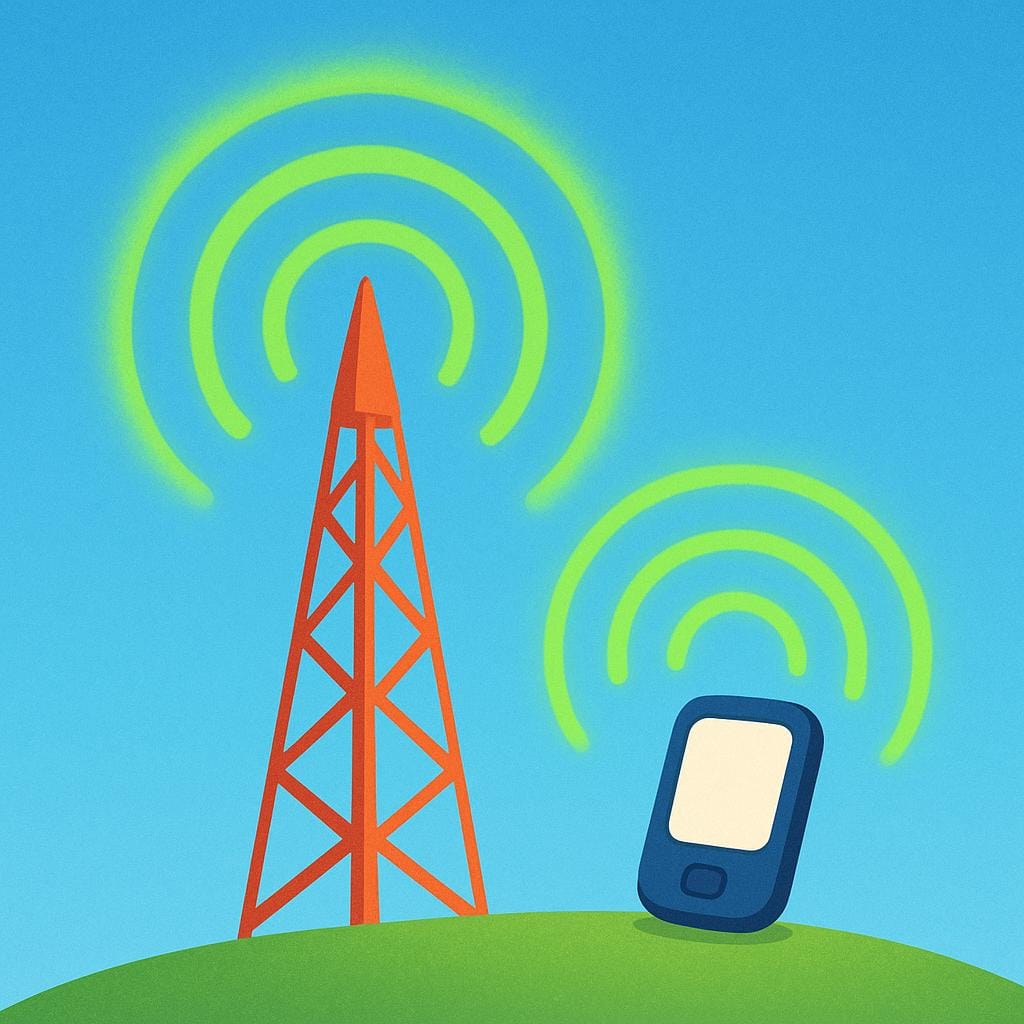
Examples
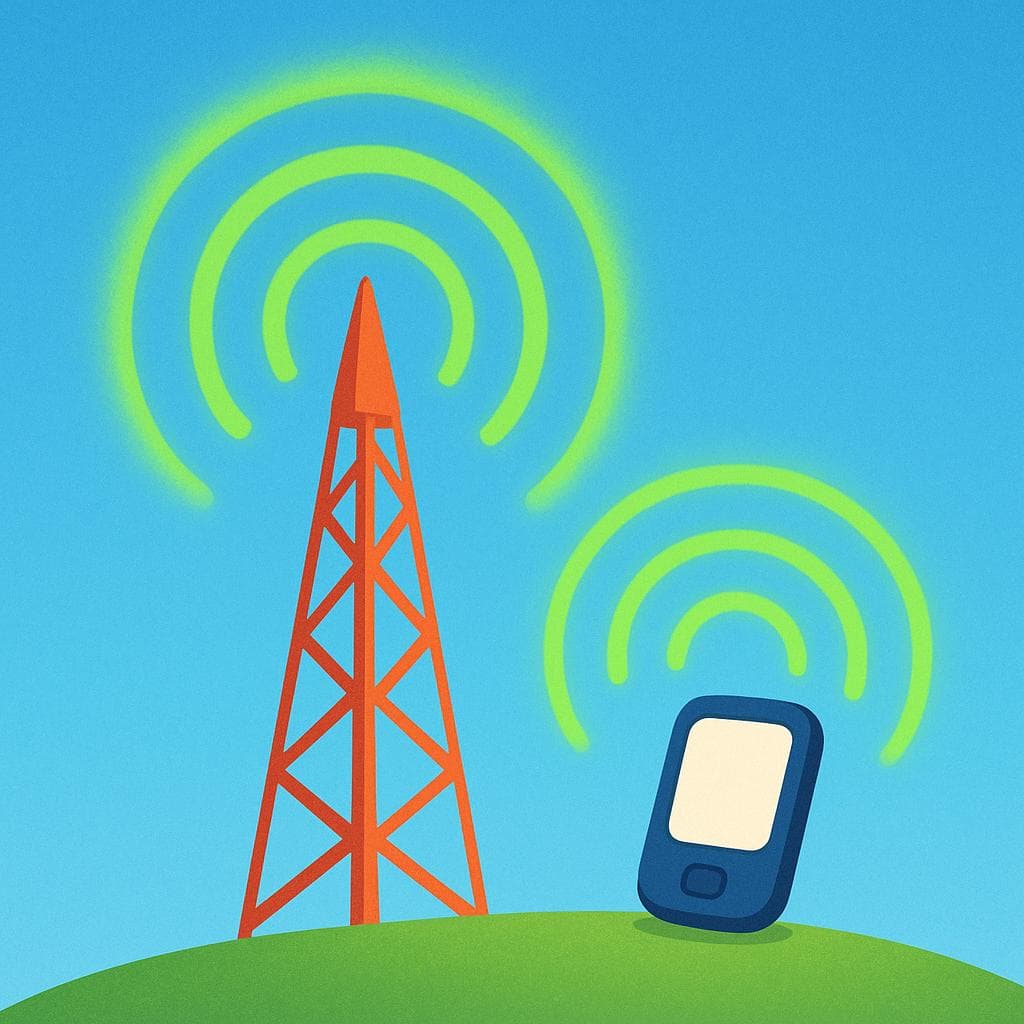
¿Hay buena cobertura de móvil aquí?
Is there good mobile coverage here?
Perdí la cobertura justo al entrar al túnel.
I lost signal (the coverage) right as I entered the tunnel.
Feminine Noun Rule
'Cobertura' is always feminine, so you must use 'la cobertura' or 'una cobertura' and feminine adjectives, like 'cobertura buena'.
alcance
ahl-KAHN-sehalˈkance
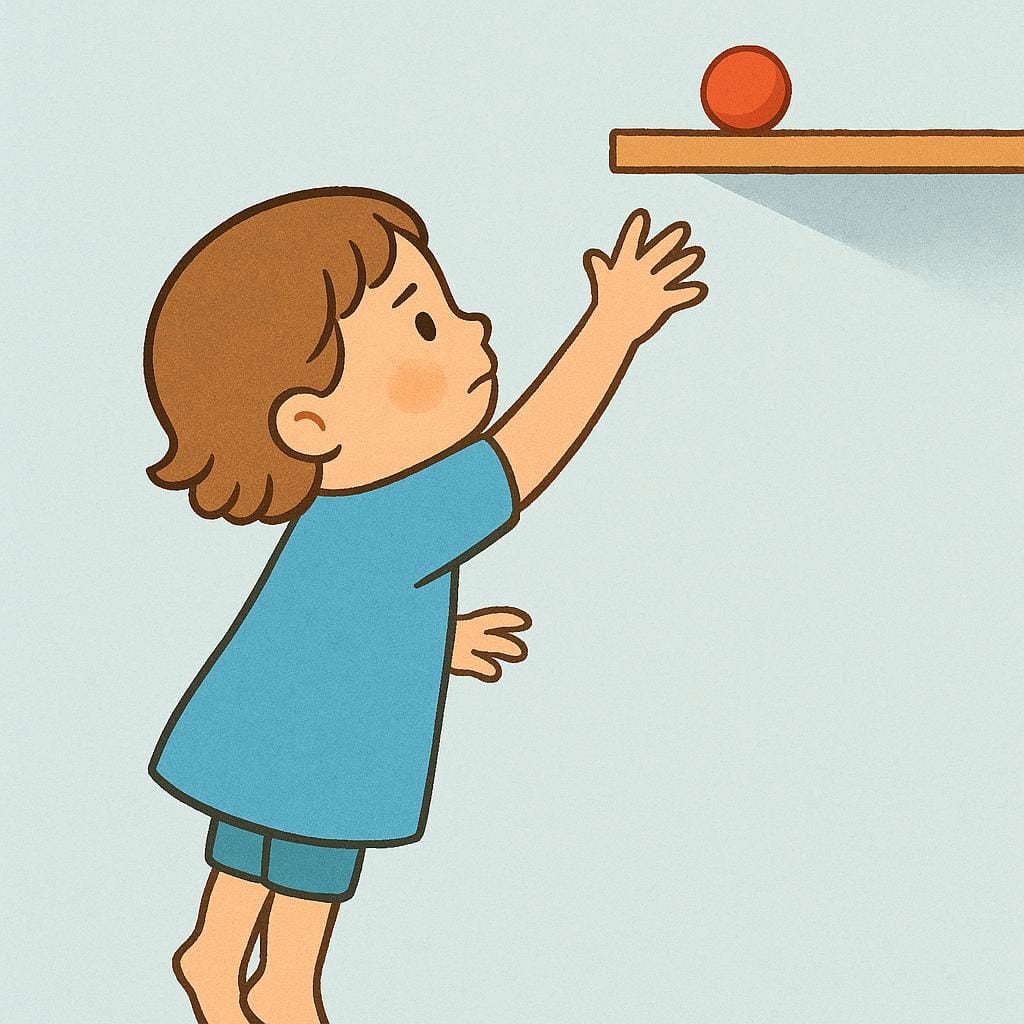
Examples
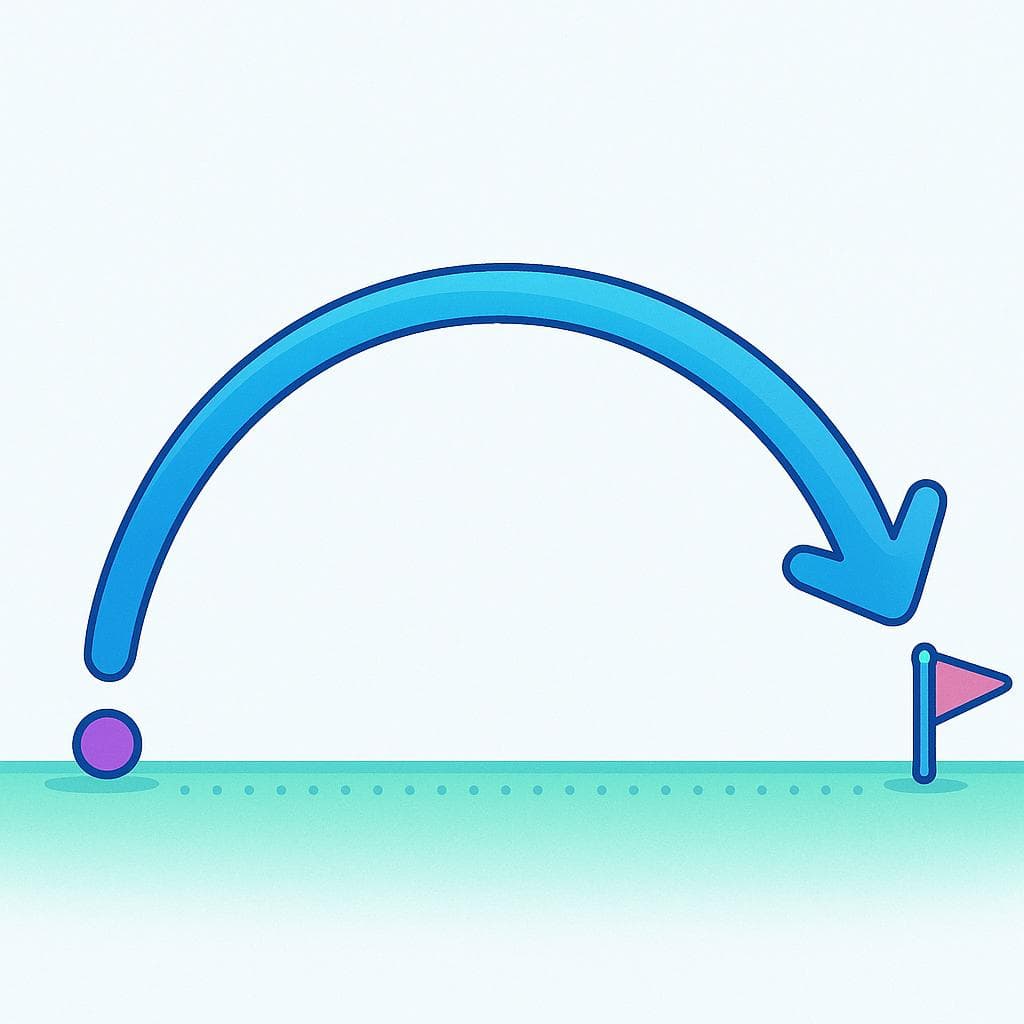
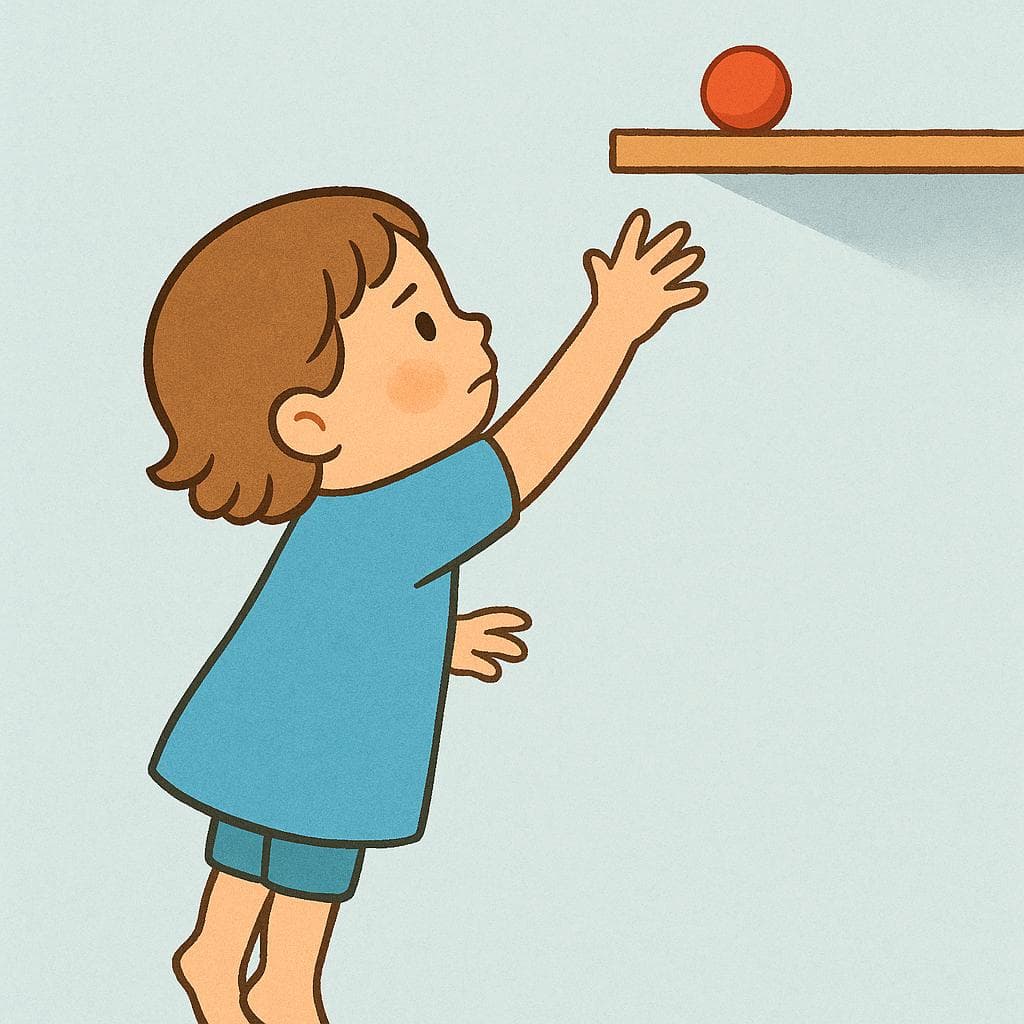
El libro está en el estante de arriba, fuera de mi alcance.
The book is on the top shelf, out of my reach.
La decisión del gobierno tiene un gran alcance nacional.
The government's decision has a great national scope/impact.
La señal de Wi-Fi tiene un alcance muy limitado en esta zona.
The Wi-Fi signal has a very limited range in this area.
Using Prepositions with Alcance
You almost always use 'al alcance de' (within reach of) or 'fuera de alcance' (out of reach).
Confusing Alcance (Noun) and Alcanzar (Verb)
Mistake: “Using 'el alcanzar' when you mean 'the reach' (el alcance).”
Correction: Remember 'alcance' is the thing (the distance/scope), and 'alcanzar' is the action (to reach).
escala
es-KAH-lahesˈka.la

Examples
La escala del mapa es de uno a diez mil.
The scale of the map is one to ten thousand.
Necesitamos medir la temperatura en la escala Celsius.
We need to measure the temperature on the Celsius scale.
Always Feminine
Remember that 'escala' is always a feminine noun, so you must use 'la escala' or 'una escala' before it.
radio
RA-dyoˈra.ðjo
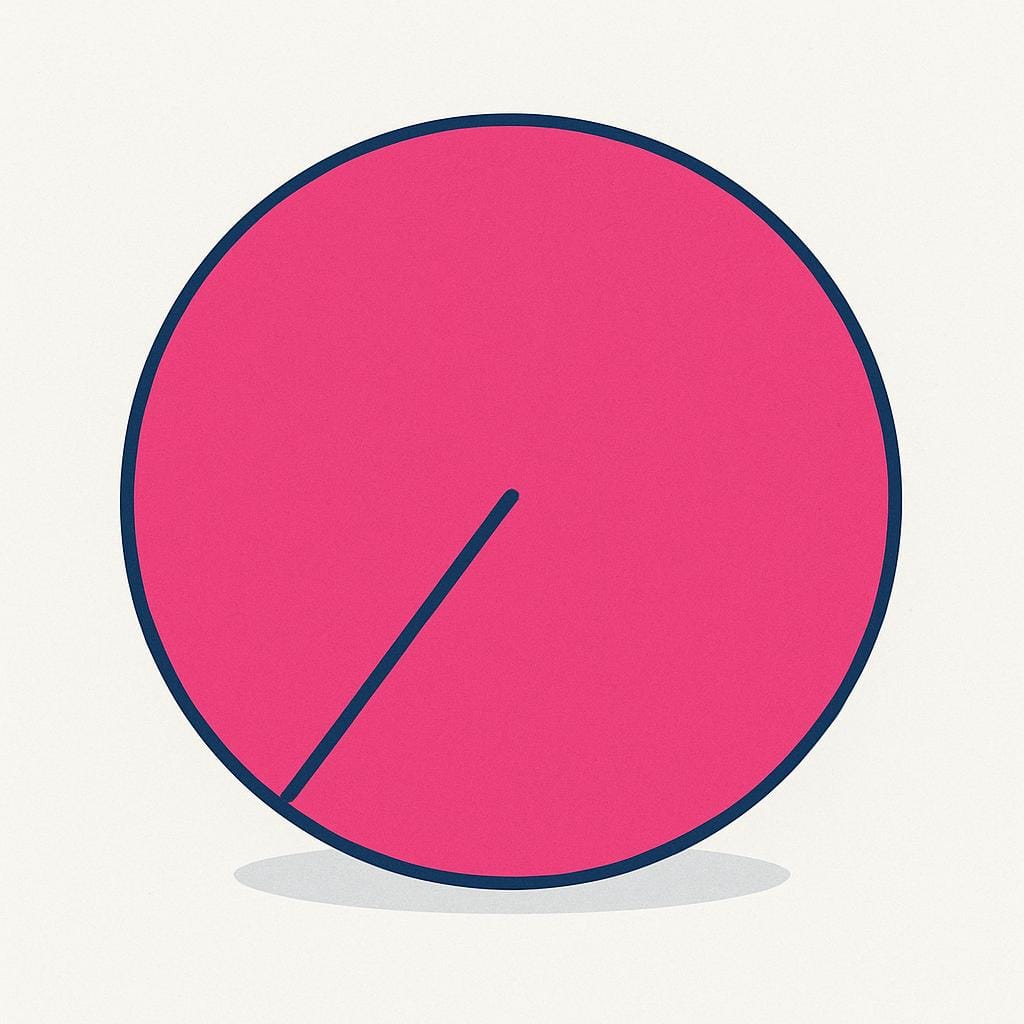
Examples
El radio de la Tierra es de aproximadamente 6,371 kilómetros.
The Earth's radius is approximately 6,371 kilometers.
Necesitamos un círculo con un radio de cinco centímetros.
We need a circle with a radius of five centimeters.
La antena wifi tiene un radio de alcance de 20 metros.
The Wi-Fi antenna has a range of 20 meters.
The Masculine Version
When 'radio' means radius, spoke, or range, it's a boy! So you use 'el radio' or 'un radio'. This is the complete opposite of the broadcast meaning.
Mixing up the Genders
Mistake: “Calcula *la radio* del círculo.”
Correction: Calcula *el radio* del círculo. For math and science topics, think masculine ('el').
intervalo
een-ter-BA-lointeɾˈbalo

Examples
Hubo un intervalo de diez minutos entre las dos películas.
There was a ten-minute interval between the two movies.
Las luces parpadean a intervalos de cinco segundos.
The lights blink at five-second intervals.
El intervalo de temperatura hoy será de 15 a 20 grados.
The temperature range today will be from 15 to 20 degrees.
Using 'a intervalos'
Use this phrase when you want to say something happens 'every now and then' or with a specific rhythm, like 'a intervalos regulares' (at regular intervals).
Gender memory aid
It's a masculine noun ending in -o. Think of 'un intervalo' as 'a period,' which is also masculine (un periodo).
Intervalo vs. Descanso
Mistake: “Using 'intervalo' for a coffee break at work.”
Correction: Use 'descanso' or 'pausa' for a work break; 'intervalo' is more about the measurement of the gap between events.
franja
FRAN-hahˈfɾanxa

Examples
En esta franja horaria, el tráfico es muy pesado.
In this time slot, traffic is very heavy.
La película está dirigida a una franja de edad de entre 18 y 25 años.
The movie is aimed at an age range between 18 and 25 years old.
España y México están en diferentes franjas horarias.
Spain and Mexico are in different time zones.
Using with Adjectives
When used for time or demographics, it is almost always followed by an adjective (like 'horaria' or 'etaria') to clarify what kind of slot it is.
Literal Translation
Mistake: “No tengo un tiempo slot para la reunión.”
Correction: No tengo una franja horaria para la reunión. Use 'franja horaria' to talk about chunks of time in a calendar.
espectro
es-PEK-troesˈpektɾo

Examples
El arcoíris muestra todo el espectro de colores.
The rainbow shows the full spectrum of colors.
Esta medicina trata un amplio espectro de enfermedades.
This medicine treats a broad range of illnesses.
Hay opiniones diferentes en todo el espectro político.
There are different opinions across the entire political spectrum.
Using 'el' with Espectro
This is a 'masculine' word, so you always use 'el' or 'un' with it, even when talking about varied topics.
Adjective Placement
When describing a 'broad' range, put the adjective 'amplio' before the word ('amplio espectro') to sound more natural and professional.
Confusing Spectrum with 'Space'
Mistake: “Usar 'espacio' para hablar de política.”
Correction: Use 'espectro' when talking about a scale of ideas from one side to another, like left-wing to right-wing politics.
autonomía
Examples
La autonomía de este móvil es de solo cinco horas.
The battery life of this mobile phone is only five hours.
repertorio
re-per-TO-ryoreberˈtoɾjo

Examples
Él siempre tiene un repertorio de excusas para llegar tarde.
He always has a range of excuses for arriving late.
Su repertorio de chistes es infinito.
His stock of jokes is infinite.
La cocinera mostró todo su repertorio de recetas tradicionales.
The cook showed her whole range of traditional recipes.
Figurative Use
You can use this word just like 'range' in English to describe someone's habits or frequently repeated actions.
ámbito
Examples
Esa decisión queda fuera del ámbito de mi competencia.
That decision falls outside the scope of my authority.
colección
Examples
Mi abuelo tiene una colección increíble de relojes antiguos.
My grandfather has an incredible collection of antique watches.
estufa
es-TOO-fahesˈtufa
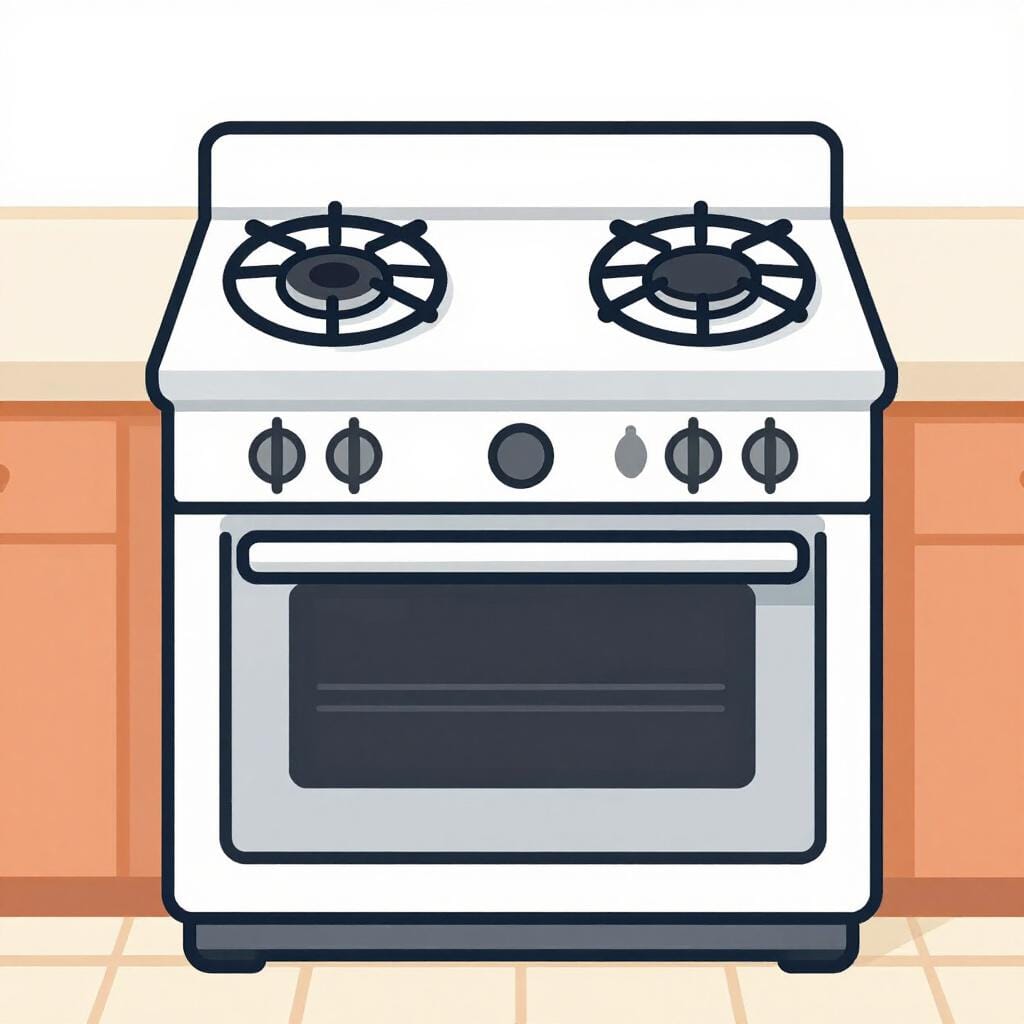
Examples
La sopa está en la estufa.
The soup is on the stove.
Mi abuela tiene una estufa de gas muy antigua.
My grandmother has a very old gas stove.
Limpia la estufa después de cocinar para que no se pegue la grasa.
Clean the stove after cooking so the grease doesn't stick.
Gender of Appliances
Since 'estufa' ends in 'a,' it is almost always feminine. Use 'la' or 'una' with it.
Stove vs. Kitchen
In many countries, 'la cocina' means both the room and the appliance, but 'la estufa' specifically refers to the device you cook on.
Stove vs. Oven
Mistake: “Pongo el pollo a hornear en la estufa.”
Correction: Pongo el pollo a hornear en el horno.
tiros
TEE-rohsˈti.ɾos

Examples
Vivimos a un tiro de piedra del mar.
We live a stone's throw away from the sea (very close).
Esa oportunidad estuvo a tiros de ser nuestra.
That opportunity was within striking distance of being ours.
Variety vs. Distance
Learn Spanish with Inklingo
Interactive stories, personalized learning, and more.