How to Say "scale" in Spanish
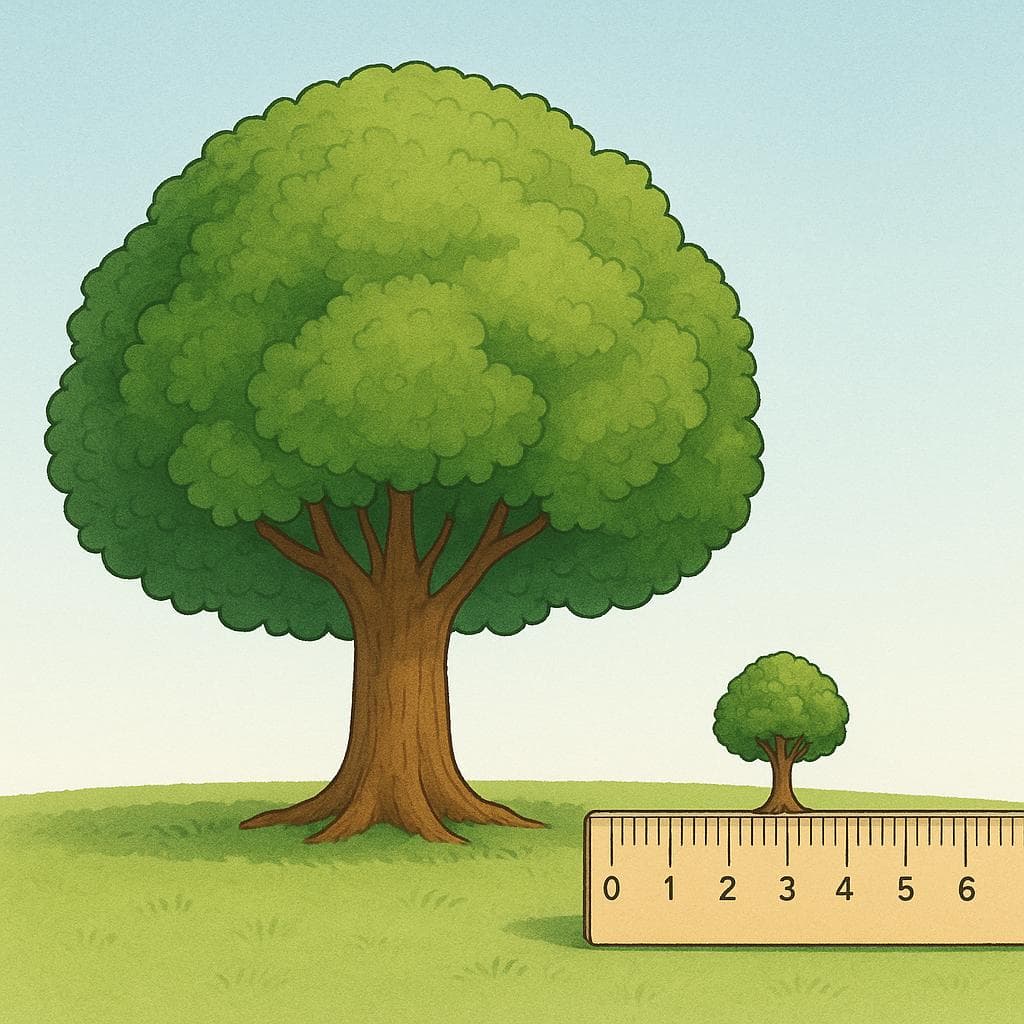
The most common Spanish word for “scale” is “escala” — use 'escala' when referring to a ratio on a map, a musical scale, or a series of steps like a ladder or gangway.


escala
es-KAH-lahesˈka.la
Examples
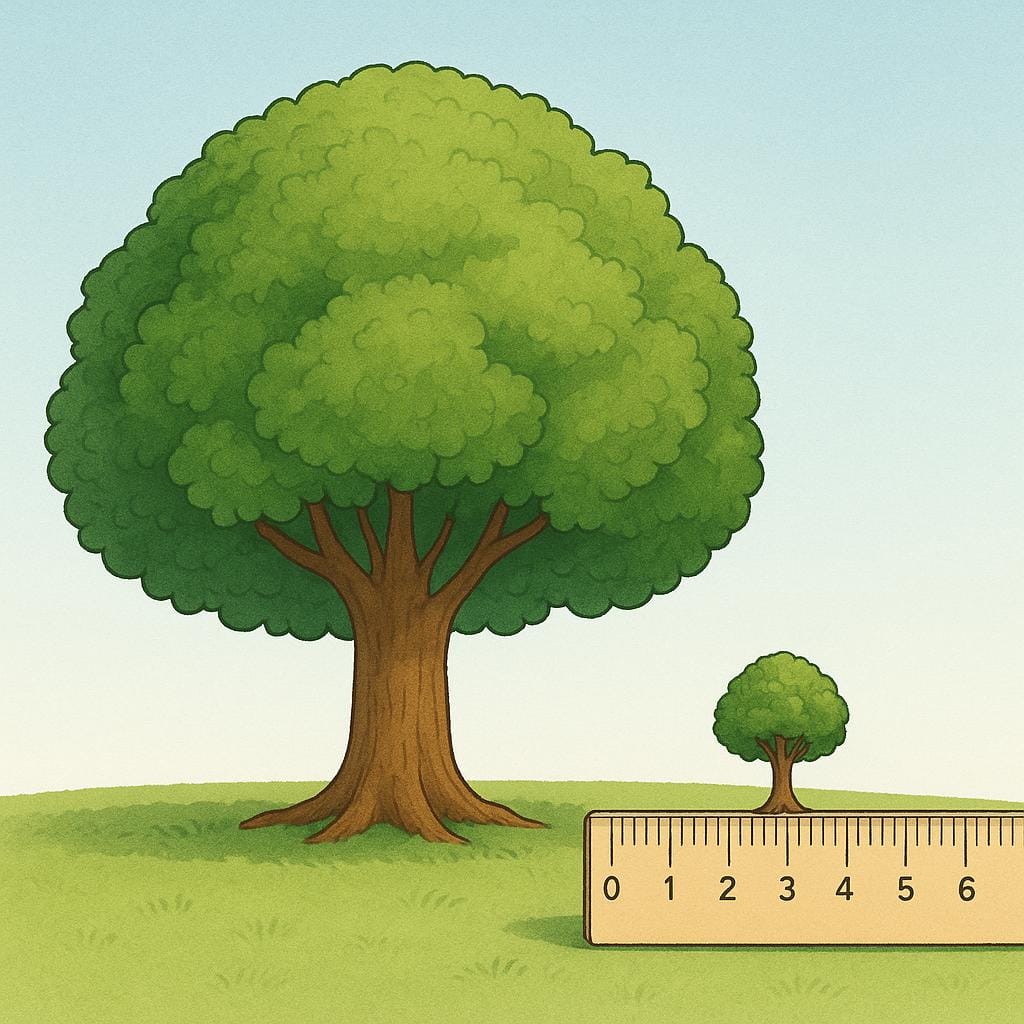
La escala del mapa es de uno a diez mil.
The scale of the map is one to ten thousand.
Necesitamos medir la temperatura en la escala Celsius.
We need to measure the temperature on the Celsius scale.
El marinero subió por la escala del barco.
The sailor climbed up the ship's ladder/gangway.
Practicamos la escala de do mayor en clase de música.
We practiced the C major scale in music class.
Always Feminine
Remember that 'escala' is always a feminine noun, so you must use 'la escala' or 'una escala' before it.
Escala vs. Escalera
While both mean 'ladder' or 'stairs,' 'escalera' is the common word for a staircase or a portable ladder. 'Escala' often refers to a fixed ladder, like on a ship or in technical drawings.
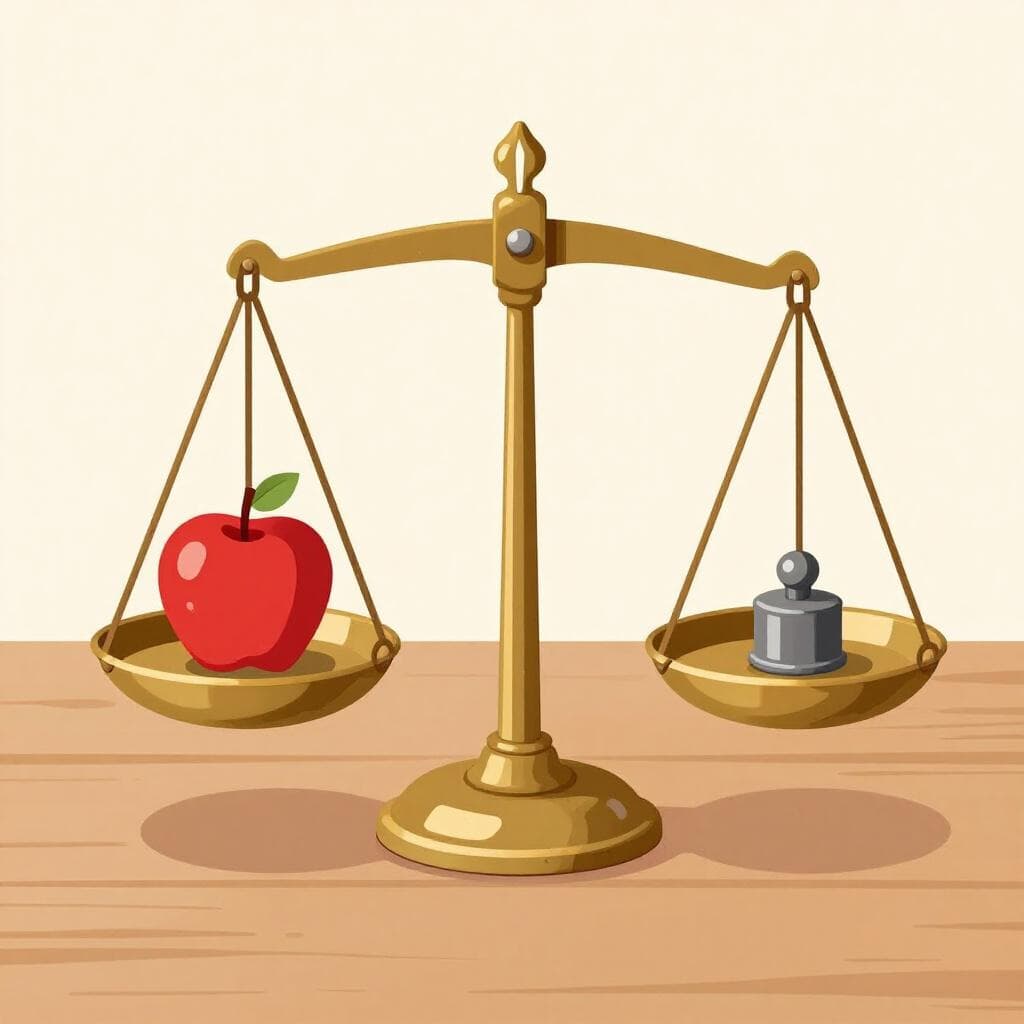
balanza
bah-LAHN-sahbaˈlanθa
Examples
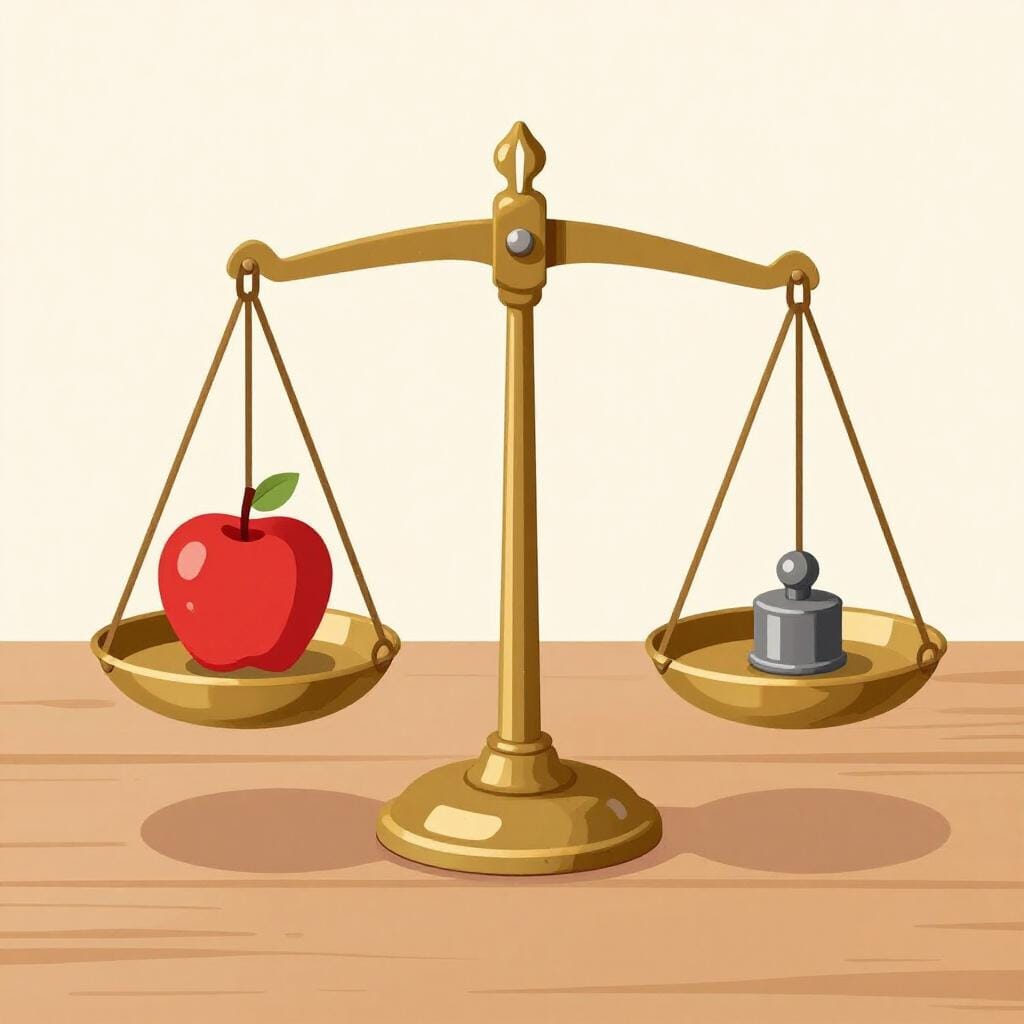
Puse los tomates en la balanza para saber el precio.
I put the tomatoes on the scale to find out the price.
Esta balanza de cocina es muy exacta.
This kitchen scale is very accurate.
En el laboratorio usamos una balanza de precisión.
In the lab, we use a precision balance.
Always Feminine
This word is feminine, so you must always use 'la' or 'una' with it (la balanza), even if the object you are weighing is masculine.
Balanza vs. Báscula
Mistake: “Using 'balanza' to talk about weighing yourself in the bathroom.”
Correction: Use 'báscula' for people or heavy trucks, and 'balanza' for smaller items like food or mail.
tamaño
Examples
El tamaño del problema era mucho mayor de lo que pensábamos.
The scale of the problem was much bigger than we thought.
gama
GAH-mahˈɡama

Examples
La tienda tiene una amplia gama de colores.
The store has a wide range of colors.
Estamos buscando un producto de gama alta.
We are looking for a high-end product.
Su voz cubre una gran gama de notas.
His voice covers a wide range of notes.
Using 'La' with Gama
This word is always feminine. Even when talking about 'high-end' technology or masculine things, you always say 'la gama'.
Describing Quality
In Spanish, we don't say 'expensive-end'; we use 'gama alta' (high range) for premium items and 'gama media' for mid-range items.
Range vs. Rank
Mistake: “Using 'rango' for a selection of colors.”
Correction: Use 'gama' when talking about a variety or spectrum (like colors/products). Use 'rango' for hierarchy or mathematical limits.
dimensión
Examples
Nadie previó la dimensión del impacto económico que tendría.
No one foresaw the magnitude (scope) of the economic impact it would have.
magnitud
mag-nee-TOODmaɣ.niˈtuð

Examples
La magnitud del terremoto fue de 7.5 en la escala de Richter.
The magnitude of the earthquake was 7.5 on the Richter scale.
Todavía no comprendemos la magnitud del problema.
We still don't understand the scale of the problem.
Es una obra de gran magnitud que durará varios años.
It is a work of great magnitude that will last several years.
Feminine Ending Pattern
Spanish words that end in '-tud' (like magnitud, multitud, or actitud) are almost always feminine. Use 'la' and 'una' with them.
Describing Scale
To talk about the size of something specific, use the pattern 'la magnitud de' followed by the thing you are describing.
Gender Error
Mistake: “El magnitud del problema.”
Correction: La magnitud del problema. Even though it doesn't end in 'a', it is a feminine word.
proporción
Examples
El incendio alcanzó proporciones épicas.
The fire reached epic proportions.
graduación
Examples
La graduación de la temperatura en el termómetro es muy precisa.
The temperature scale on the thermometer is very precise.
General Size vs. Specific Measurement
Related Translations
Learn Spanish with Inklingo
Interactive stories, personalized learning, and more.