How to Say "size" in Spanish
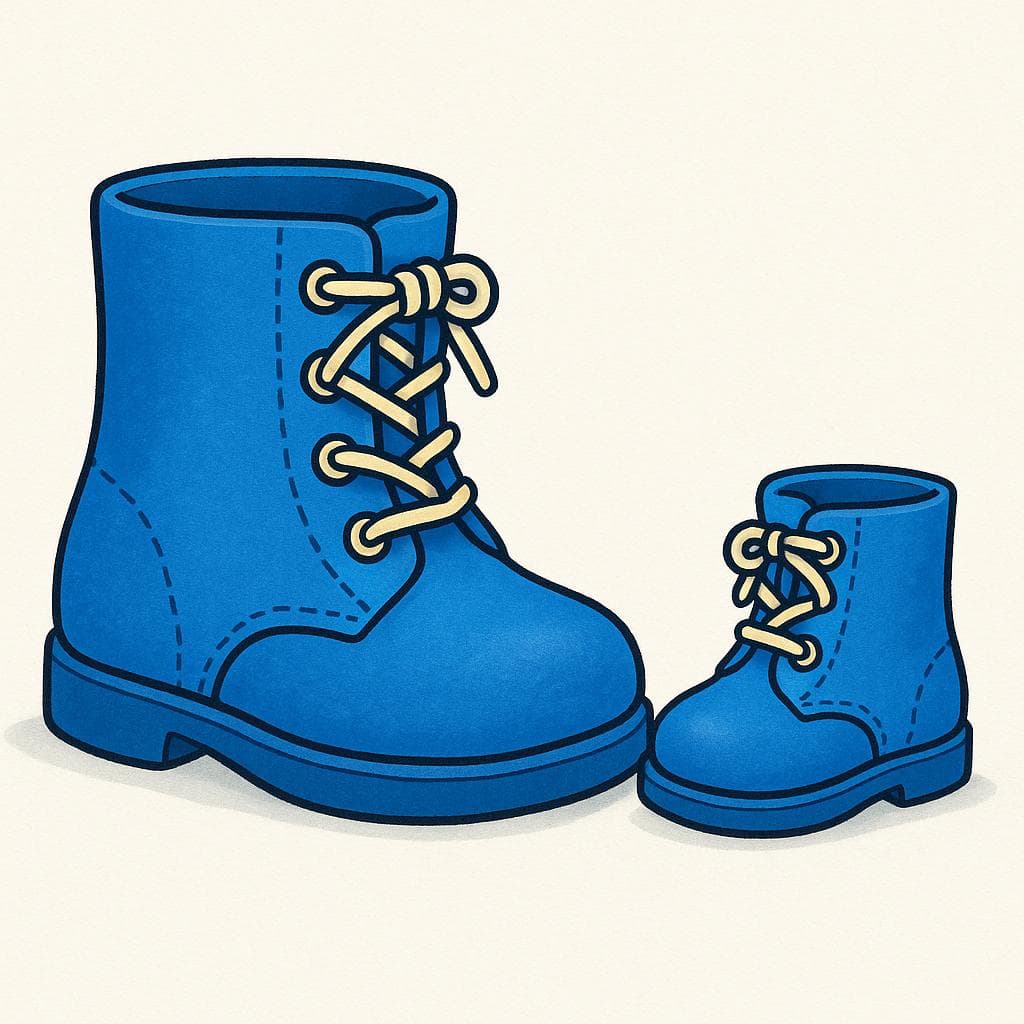
The most common Spanish word for “size” is “tamaño” — use 'tamaño' for general physical dimensions of objects or spaces when the exact measurement isn't the primary focus.

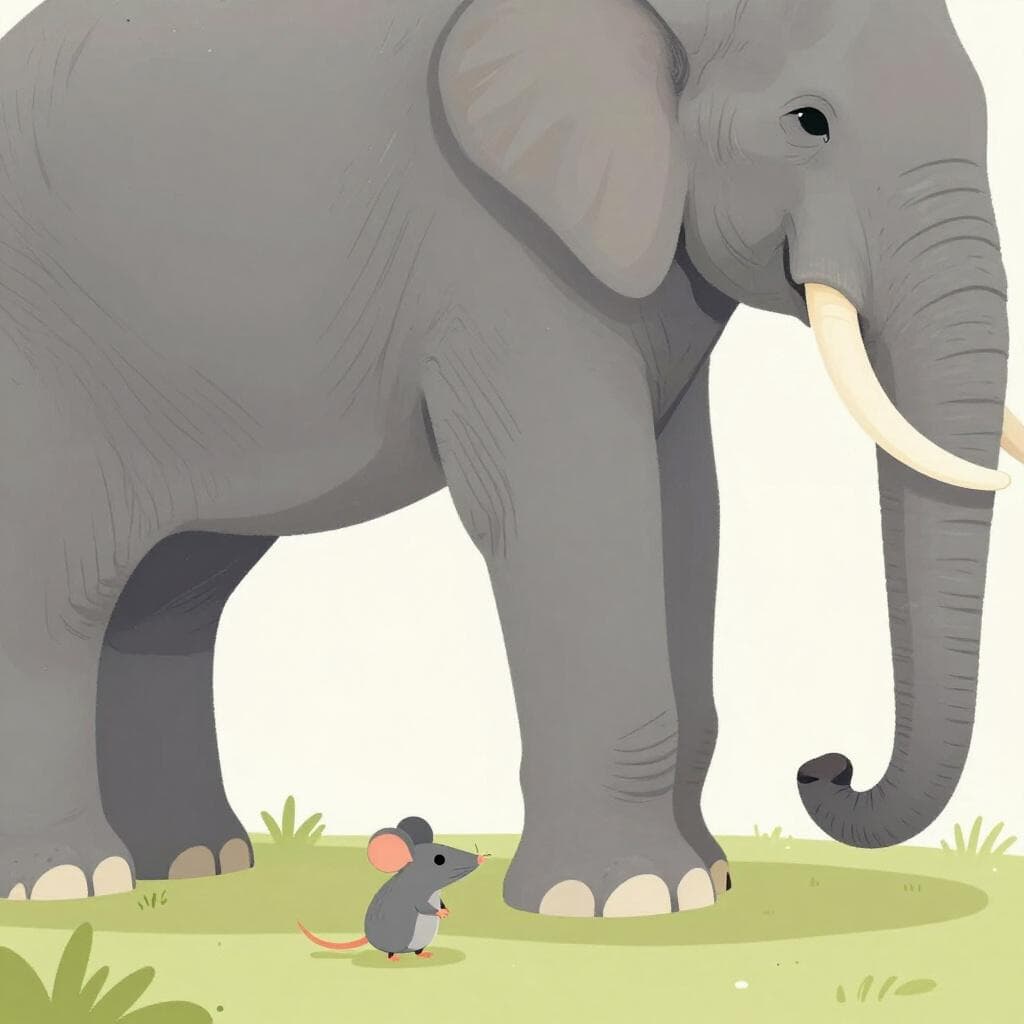
tamaño
Examples
Necesito saber el tamaño de la caja para enviarla.
I need to know the size of the box to send it.
talla
TAH-yahˈtaʎa
Examples
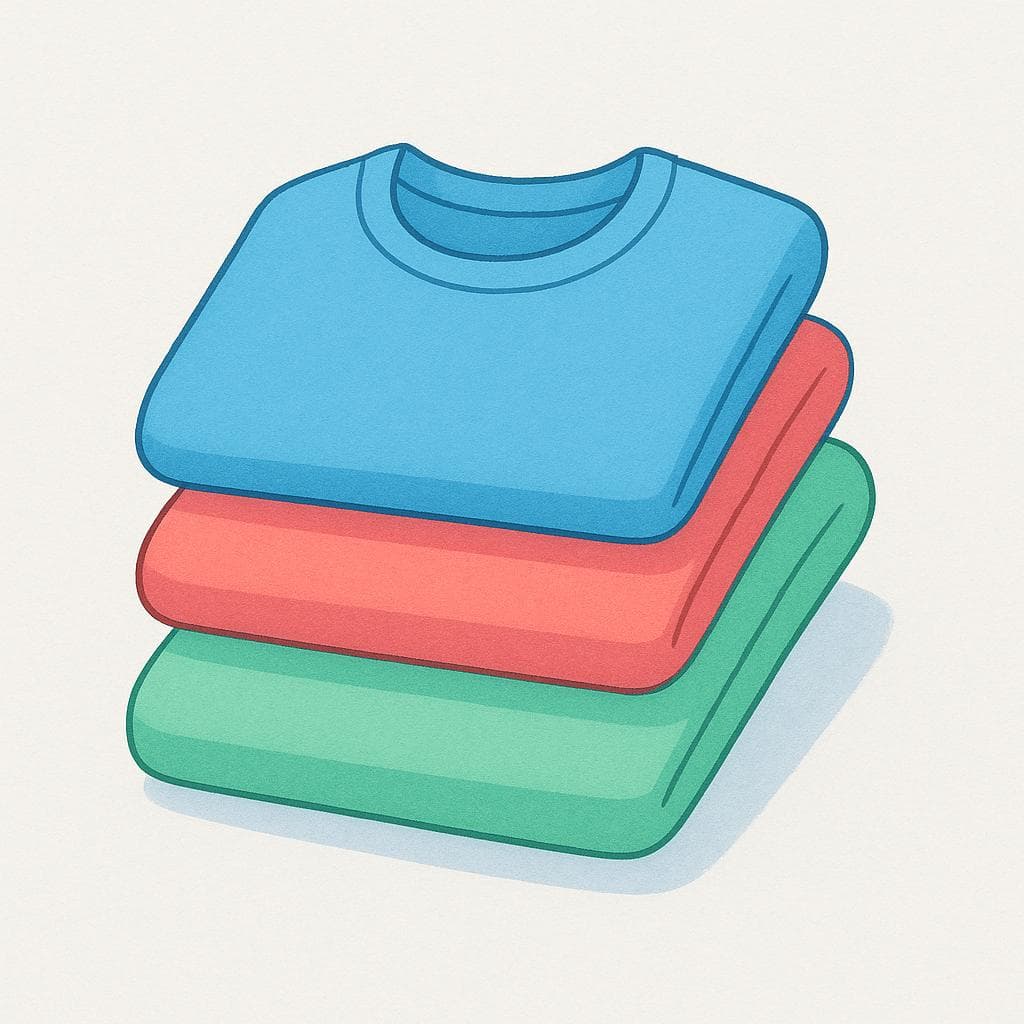
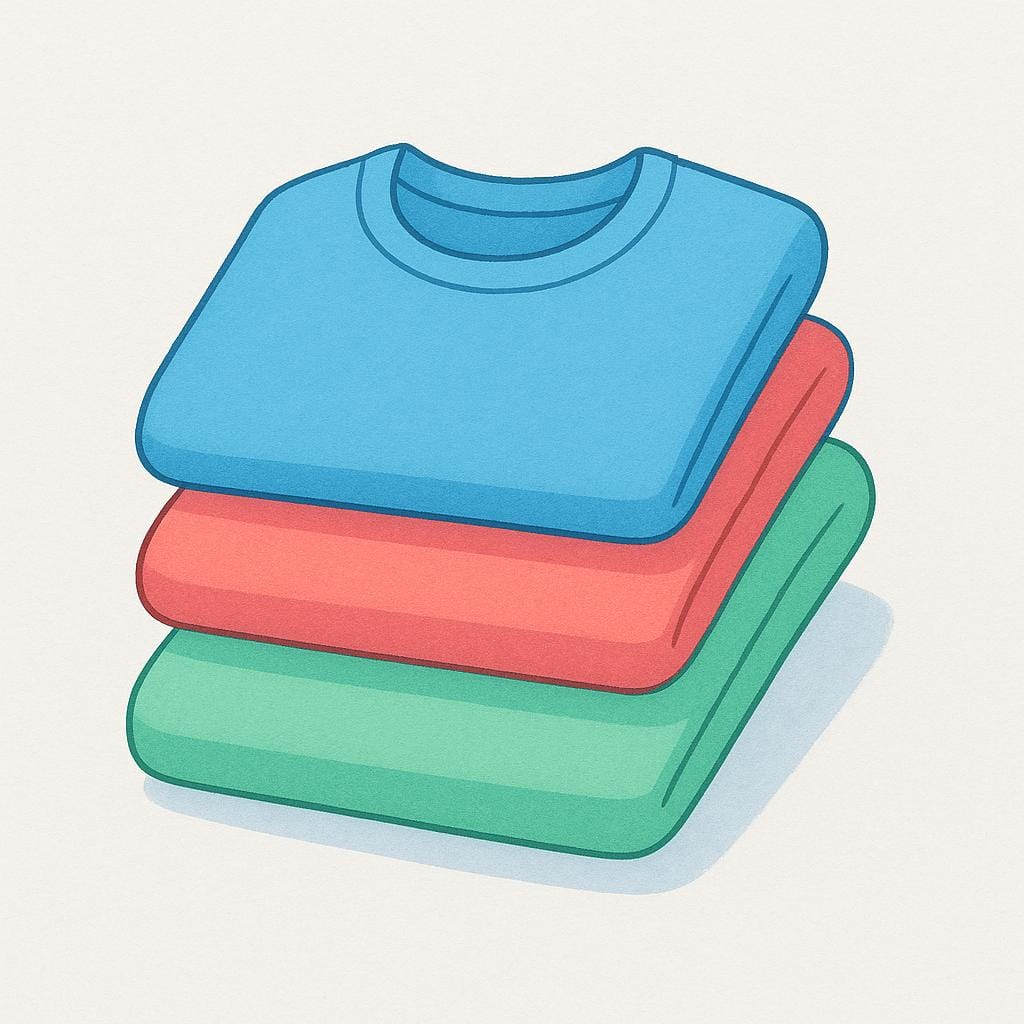
¿Qué talla de camisa usas?
What shirt size do you wear?
Necesito cambiar estos pantalones por una talla más grande.
I need to exchange these pants for a bigger size.
La talla S es pequeña, ¿tienes la M?
Size S is small, do you have the M?
Gender Check
Remember that 'talla' is always a feminine word, so you must use feminine articles and adjectives with it (e.g., 'la talla', 'una talla grande').
Using 'Tamaño' for Clothes
Mistake: “Using 'tamaño' instead of 'talla' for clothing sizes.”
Correction: Use 'talla' for garments and shoes. 'Tamaño' refers to general physical dimension or volume.
medida
meh-DEE-dahmeˈðiða
Examples
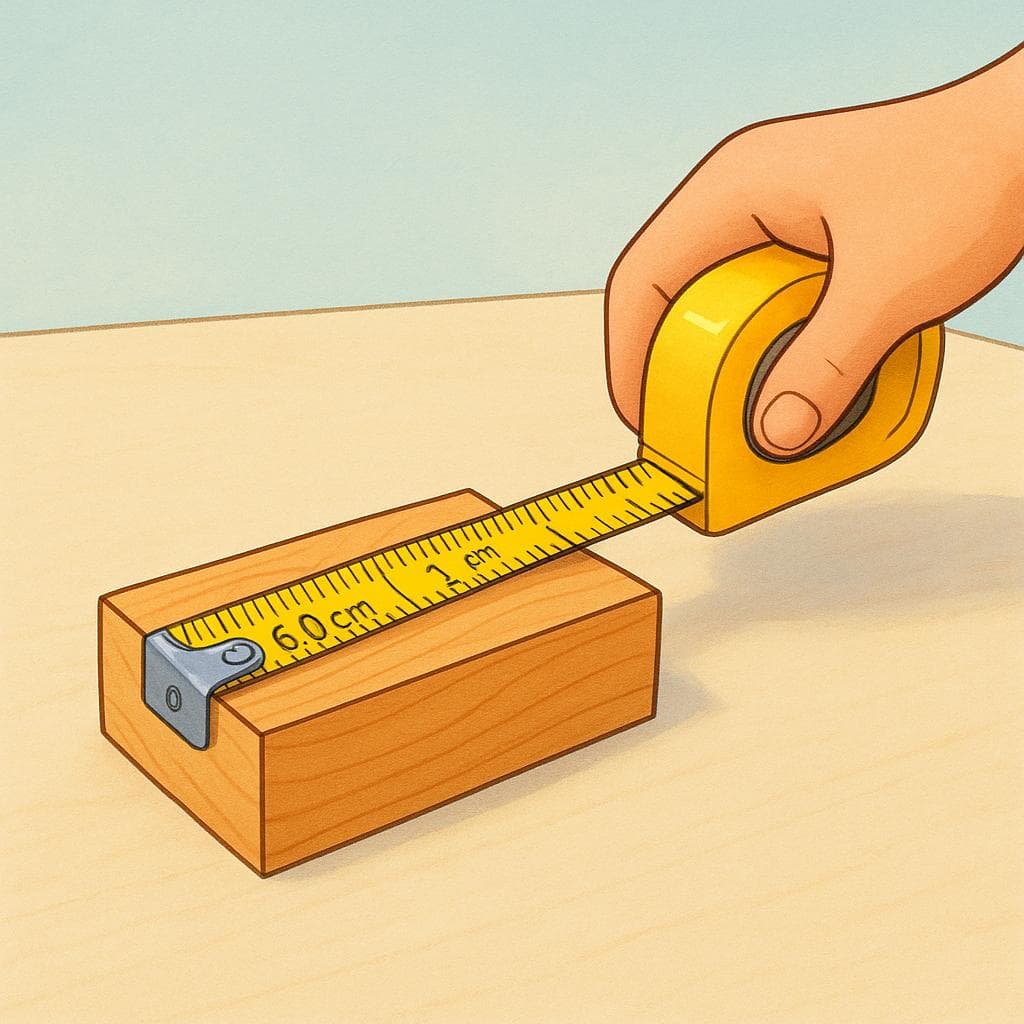
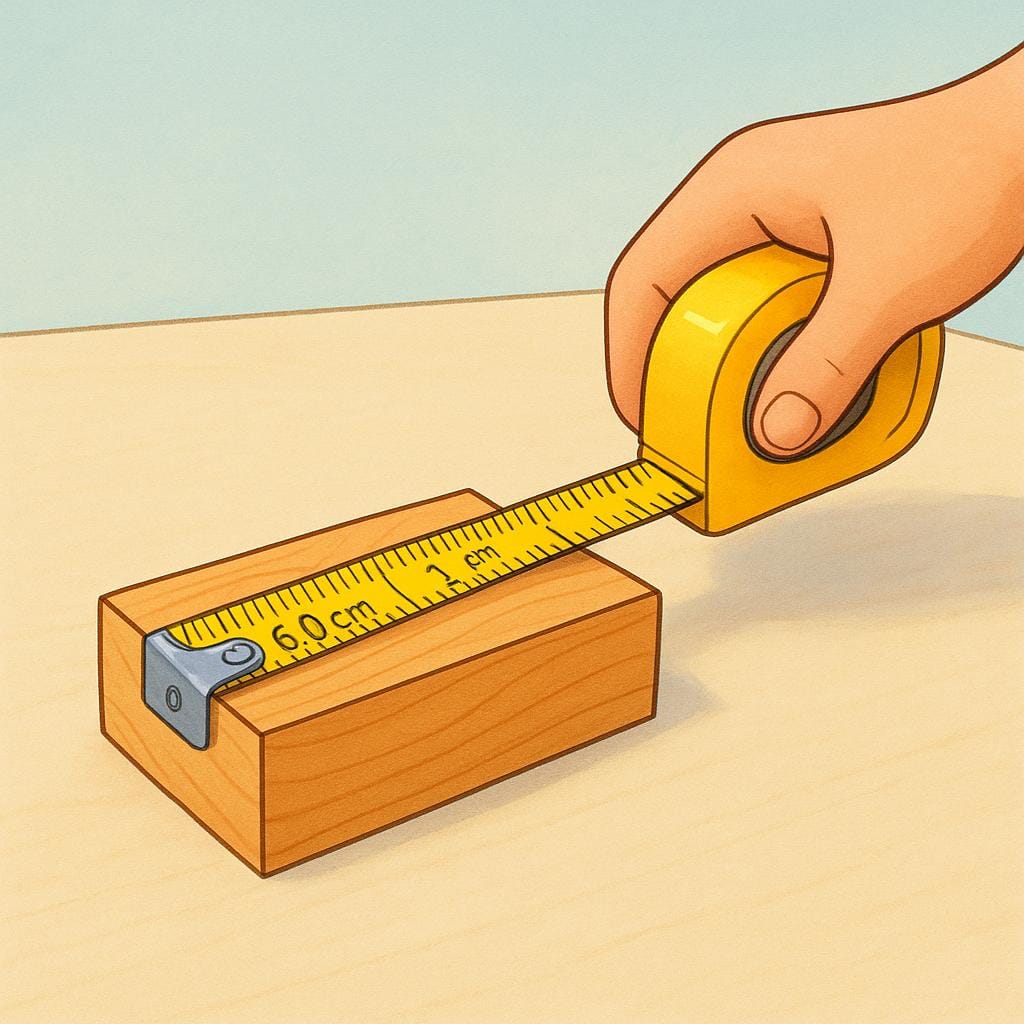
Necesito tomar las medidas exactas antes de comprar el sofá.
I need to take the exact measurements before buying the sofa.
¿Cuál es la medida de la piscina?
What is the size of the pool?
La costurera me tomó la medida de la cintura.
The seamstress took my waist measurement.
Gender Rule
As a feminine word, 'medida' always uses feminine words before it, like 'la' or 'una'.
numero
NOO-meh-rohˈnu.me.ɾo
Examples
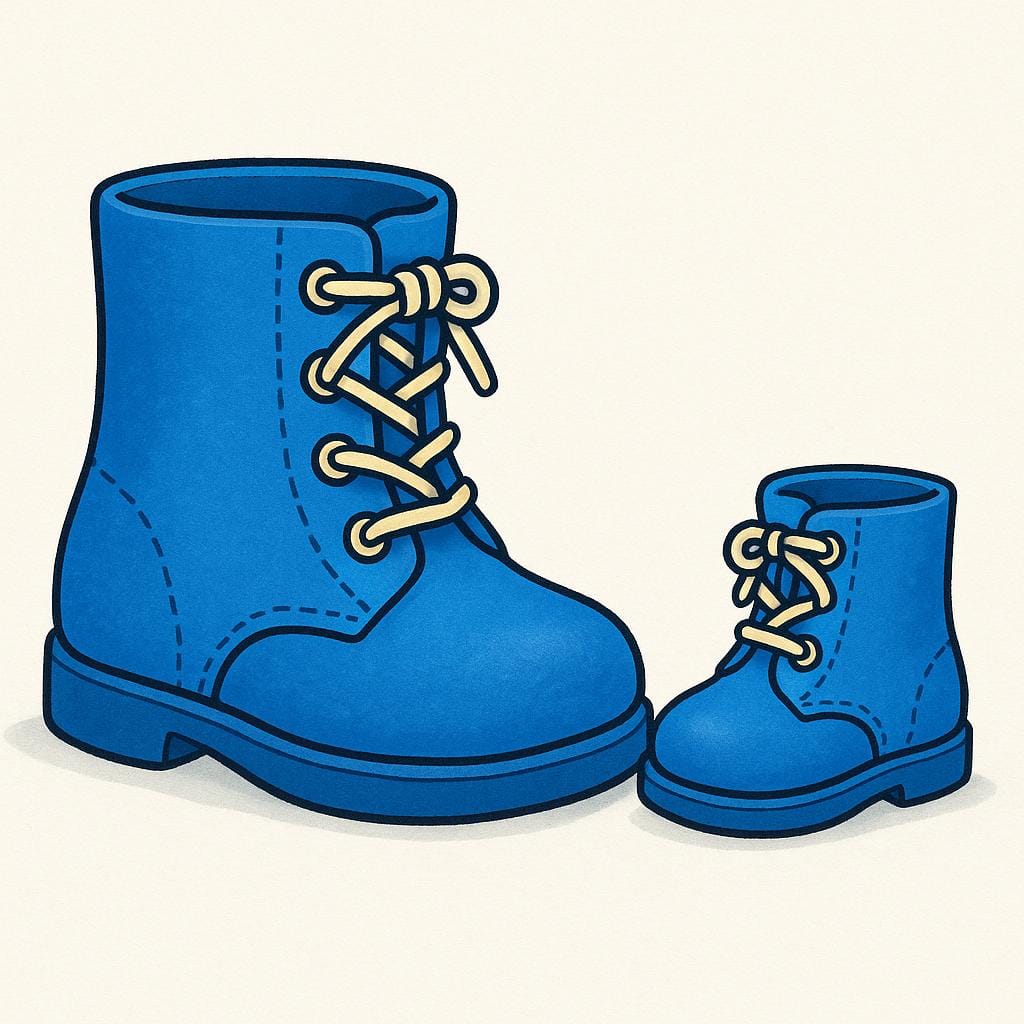
¿Qué número de zapato usas?
What shoe size do you wear?
Este pantalón es un número más pequeño.
These pants are one size smaller.
formato
for-MAH-tohfoɾˈmato

Examples
Prefiero los libros en formato de bolsillo porque son fáciles de llevar.
I prefer books in pocket-size format because they are easy to carry.
El documento tiene un formato A4.
The document has an A4 size format.
Cambiamos el formato del folleto para hacerlo más moderno.
We changed the layout of the brochure to make it more modern.
Masculine Ending
Since the word ends in 'o', it is masculine. You should always use it with 'el', 'un', or other masculine descriptors like 'este' or 'mucho'.
Confusing Formato vs. Forma
Mistake: “Me gusta la formato del libro.”
Correction: Me gusta el formato del libro. Use 'formato' for physical specifications and 'forma' for the general shape (like a circle or square).
dimensión
Examples
Necesitamos las tres dimensiones: altura, anchura y profundidad.
We need the three dimensions: height, width, and depth.
superficie
soo-per-FEE-see-ehsu.peɾˈfi.θje
Examples
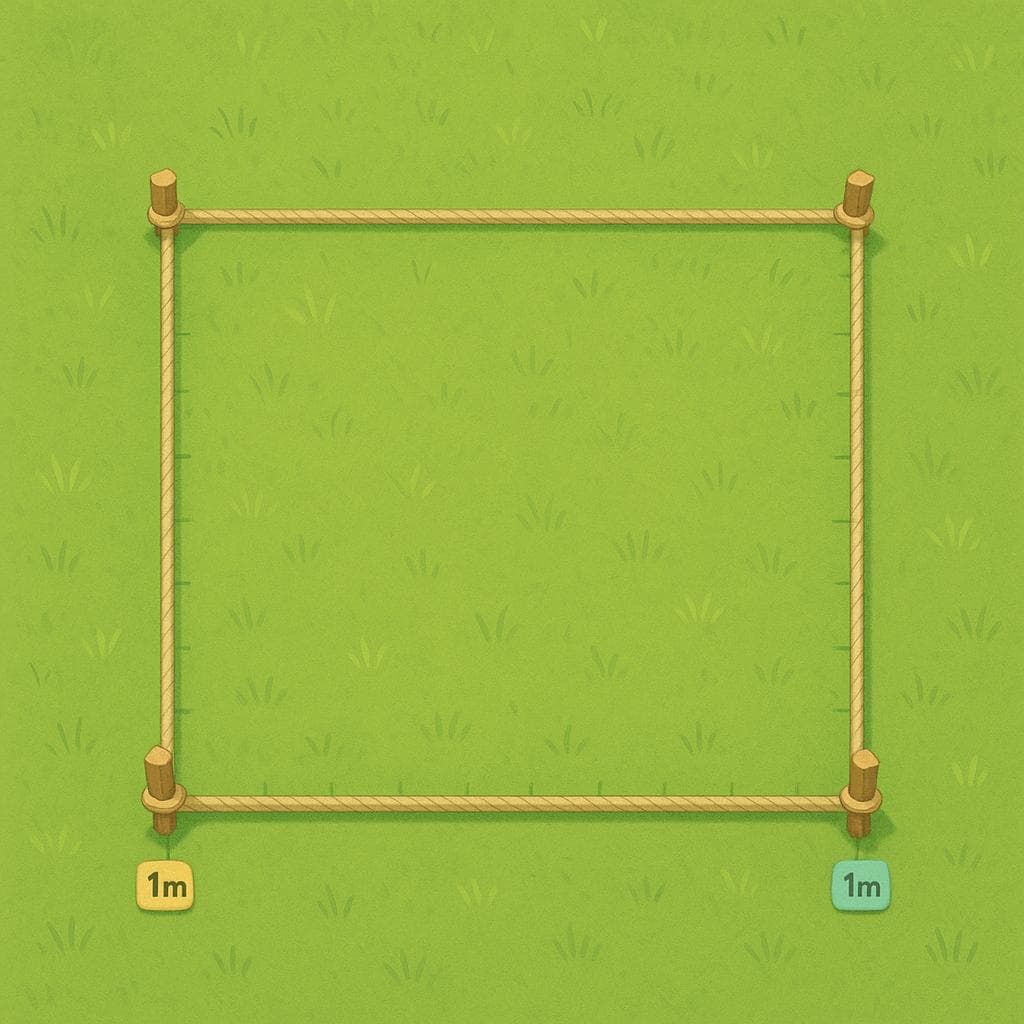
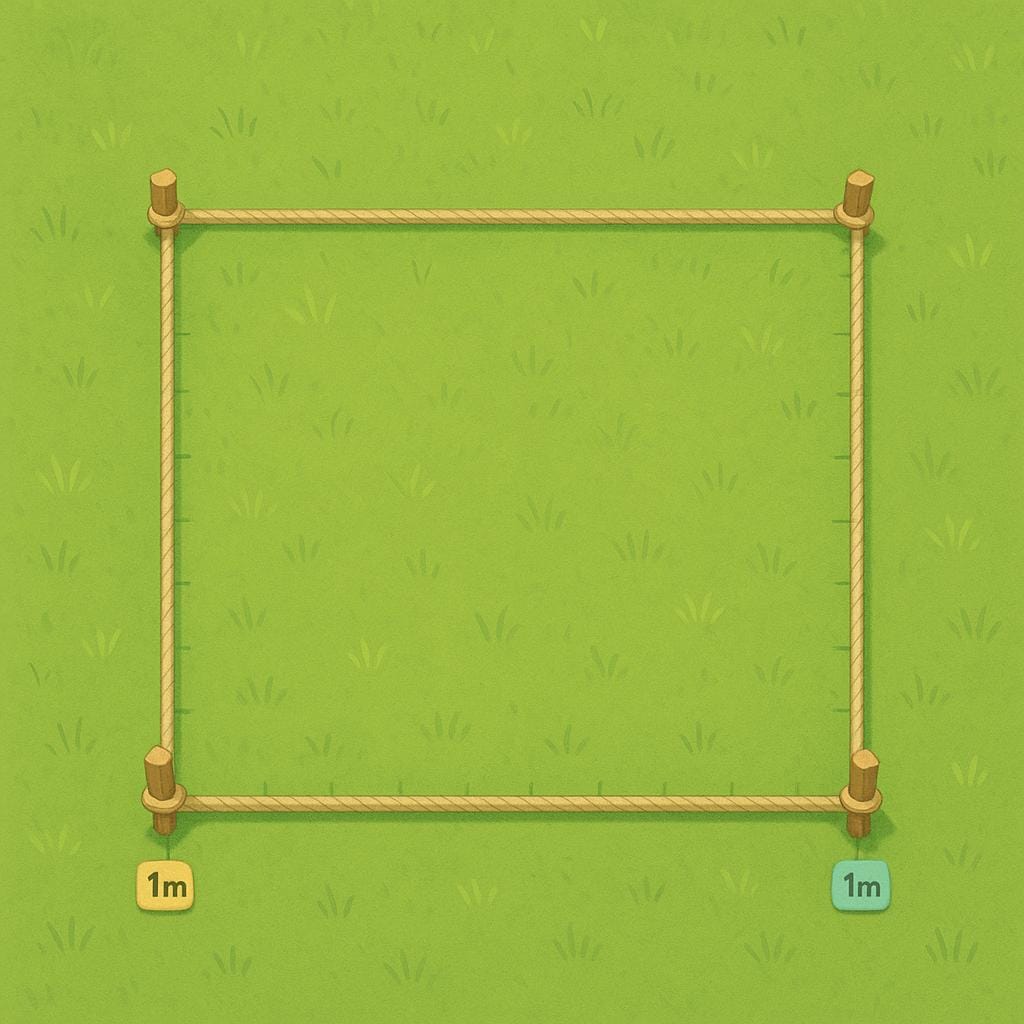
La superficie total del terreno es de dos hectáreas.
The total area of the land is two hectares.
Calculamos la superficie de la pared para saber cuánta pintura comprar.
We calculated the area of the wall to know how much paint to buy.
magnitud
mag-nee-TOODmaɣ.niˈtuð
Examples
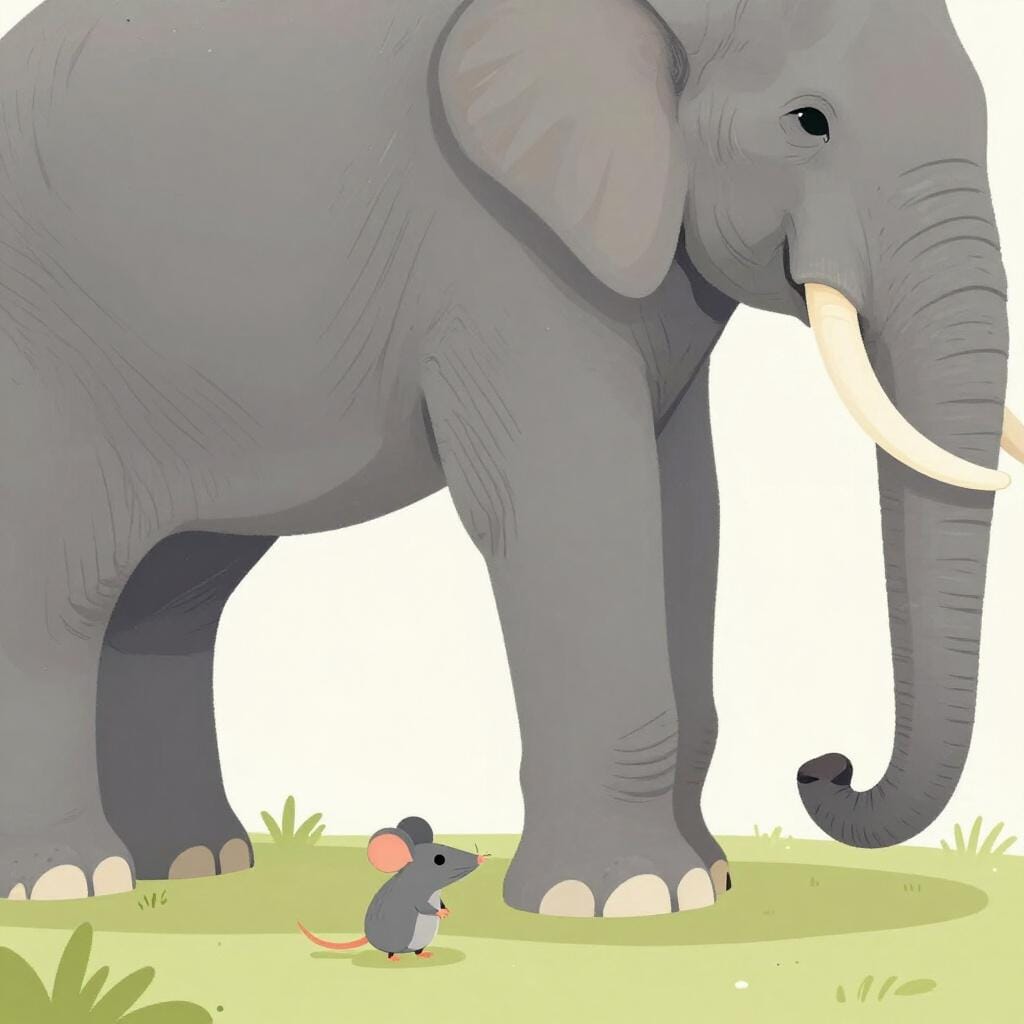
La magnitud del terremoto fue de 7.5 en la escala de Richter.
The magnitude of the earthquake was 7.5 on the Richter scale.
Todavía no comprendemos la magnitud del problema.
We still don't understand the scale of the problem.
Es una obra de gran magnitud que durará varios años.
It is a work of great magnitude that will last several years.
Feminine Ending Pattern
Spanish words that end in '-tud' (like magnitud, multitud, or actitud) are almost always feminine. Use 'la' and 'una' with them.
Describing Scale
To talk about the size of something specific, use the pattern 'la magnitud de' followed by the thing you are describing.
Gender Error
Mistake: “El magnitud del problema.”
Correction: La magnitud del problema. Even though it doesn't end in 'a', it is a feminine word.
Size vs. Measurement
Related Translations
Learn Spanish with Inklingo
Interactive stories, personalized learning, and more.