How to Say "fit" in Spanish
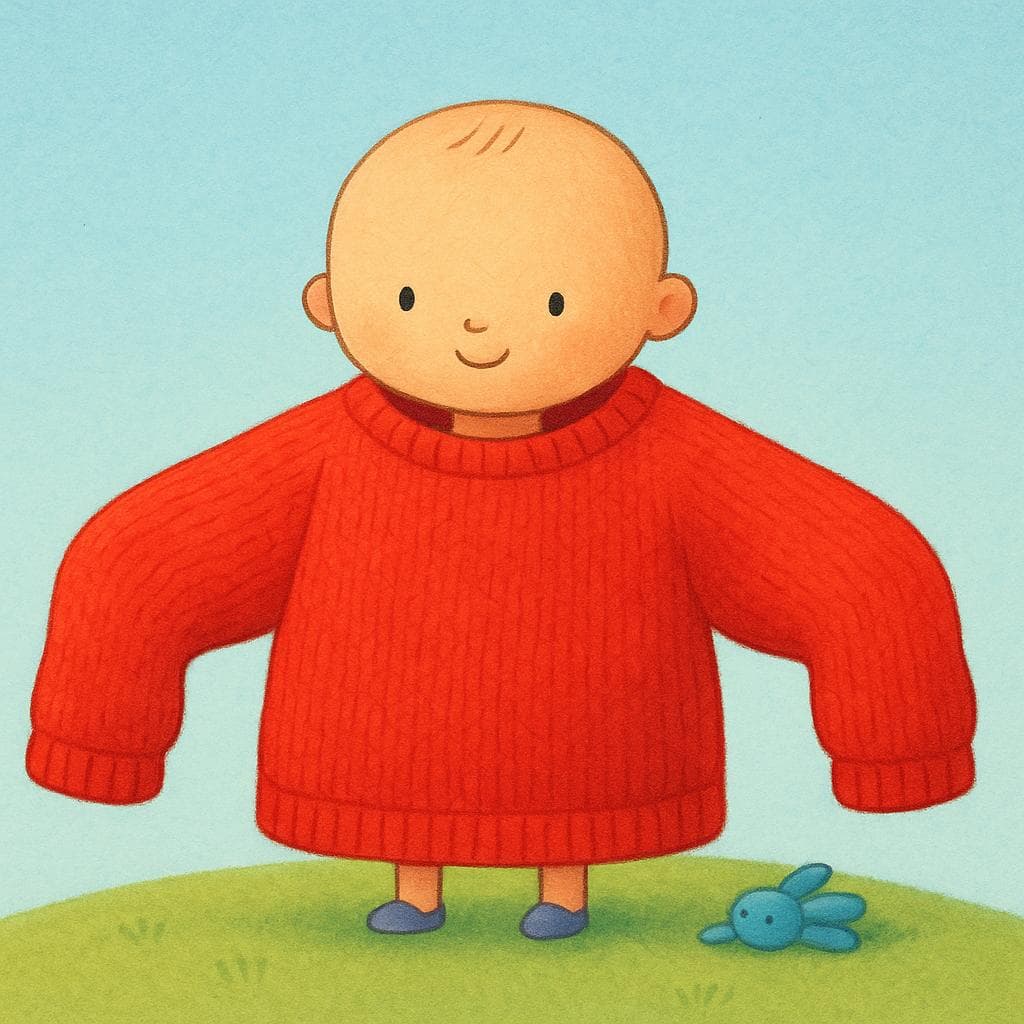
The most common Spanish word for “fit” is “quedó” — use this verb when describing how clothing looked on someone after it was worn or tried on, focusing on the final result of the size or appearance.












quedó
keh-DOHkeˈðo

Examples
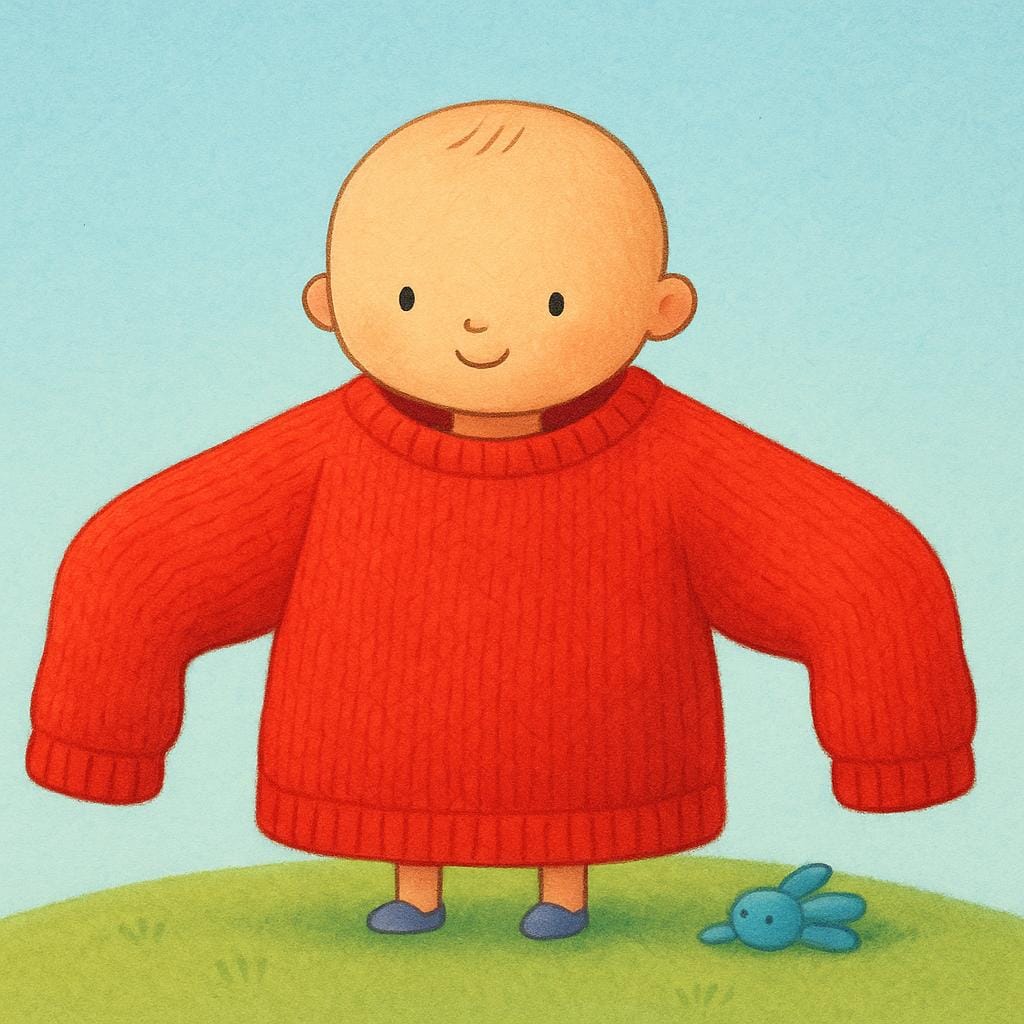
La chaqueta le quedó un poco grande.
The jacket fit him a little big (was a little big on him).
Ese color le quedó de maravilla.
That color looked wonderful on her.
Using Indirect Pronouns
When talking about fit, 'quedó' usually requires an indirect object pronoun (me, te, le, nos, os, les) to show who the clothes fit: 'Le quedó' (It fit him/her).
Omitting the Indirect Pronoun
Mistake: “Decir: 'La falda quedó bien.'”
Correction: Say: 'La falda le quedó bien.' (The skirt fit her well). You need the 'le' to indicate the person.
quedaba
keh-DAH-bahkeˈðaβa
Examples
El sombrero le quedaba muy bien con su traje azul.
The hat looked very good (suited him/her) with his blue suit.
La ropa de niño me quedaba pequeña cuando tenía diez años.
The children's clothes fit me small when I was ten years old.
Use with 'Le' or 'Me'
When talking about how clothes fit, you almost always need an indirect pronoun: 'Me quedaba' (it fit me), 'Le quedaba' (it fit him/her). The subject is the clothing, not the person!
quedan
KAY-dahnˈkeðan

Examples
Las botas no les quedan bien, son muy estrechas.
The boots don't fit them well, they are too tight.
Estos colores siempre quedan fantásticos con tu tono de piel.
These colors always look fantastic with your skin tone.
Los nuevos uniformes les quedan un poco grandes.
The new uniforms are a little big on them.
Indirect Object Required
When talking about fitting/looking, you must include a pronoun (me, te, le, nos, os, les) to say who the item looks good/bad on. The item itself is the subject that 'quedan' must agree with.
Subject-Verb Agreement
Mistake: “Saying 'Las botas les queda bien' (singular verb for plural subject).”
Correction: Always make sure 'quedan' agrees with the clothes/item (plural) and not the person (indirect object pronoun). Correct: 'Las botas les quedan bien.'
quedara
keh-DAH-rahkeˈðaɾa

Examples
No estaba seguro de que la camisa le quedara bien.
I wasn't sure that the shirt would fit him well.
Si el color quedara muy oscuro, podemos cambiarlo.
If the color looked too dark, we could change it.
Era necesario que el corte de pelo quedara moderno.
It was necessary that the haircut looked modern.
Using 'quedar' like 'gustar'
When talking about fitting or suitability, 'quedar' often works like 'gustar' (to like), where the subject is the item, and the person is the indirect object: 'La falda me queda bien' (The skirt fits me well).
ajuste
ah-HOOS-tehaˈxuste

Examples
El ajuste de estos pantalones es perfecto.
The fit of these pants is perfect.
Prefiero un ajuste más suelto para mi ropa deportiva.
I prefer a looser fit for my sportswear.
numero
NOO-meh-rohˈnu.me.ɾo
Examples
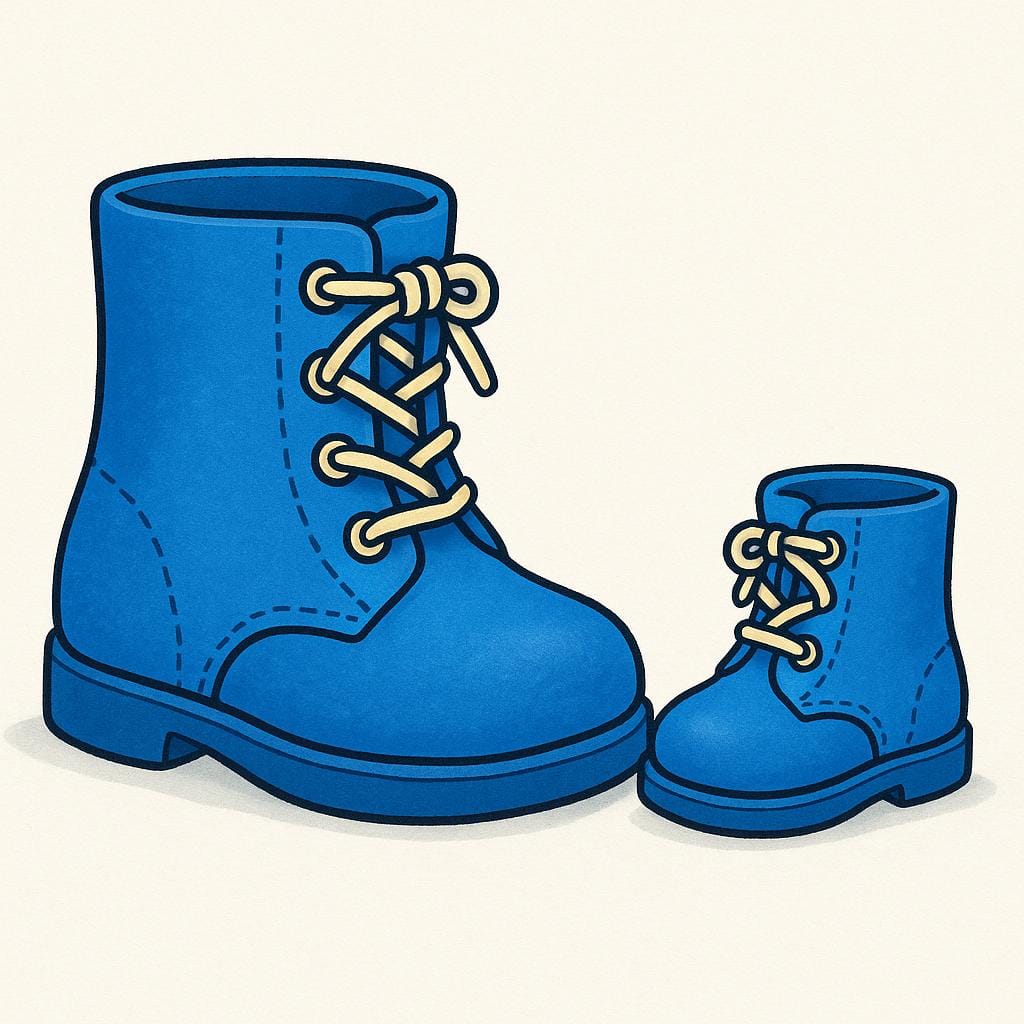
¿Qué número de zapato usas?
What shoe size do you wear?
Este pantalón es un número más pequeño.
These pants are one size smaller.
sano
SAH-nohˈsa.no

Examples
Después de la cirugía, el paciente está completamente sano.
After the surgery, the patient is completely healthy.
¿Estás sano? No te vi en clase ayer.
Are you well? I didn't see you in class yesterday.
Gender and Number Agreement
As an adjective, 'sano' must match the gender (masculine/feminine) and number (singular/plural) of the noun it describes: 'un chico sano' (a healthy boy), 'una chica sana' (a healthy girl).
Using 'sano' for 'tasty'
Mistake: “This food is sano.”
Correction: Use 'rico' or 'delicioso' for tasty. While 'sano' means healthy, it doesn't imply flavor.
entren
EN-trenˈen.tɾen

Examples
Dudo que todos los muebles entren en esa habitación pequeña.
I doubt all the furniture will fit in that small room.
No creo que esos libros entren en la maleta.
I don't think those books will fit in the suitcase.
Doubt and Uncertainty
This meaning of 'entrar' often appears with verbs of doubt (like 'dudar' or 'no creer'), which require the special verb form 'entren' to show that the fitting is not a guaranteed fact.
idóneo
ee-DOH-neh-ohiˈðoneo

Examples
Este es el lugar idóneo para construir nuestra nueva casa.
This is the ideal place to build our new house.
Ella es la candidata idónea para dirigir el departamento de ventas.
She is the ideal candidate to lead the sales department.
No me parece el momento idóneo para discutir este problema familiar.
I don't think it's the right moment to discuss this family problem.
Matching Gender
Since this word ends in -o, you must change it to -a (idónea) when describing something feminine, like 'una solución idónea' (an ideal solution).
Using 'para'
This word is almost always followed by the word 'para' (for) to explain what the person or thing is suitable for.
Confusing with 'perfecto'
Mistake: “Using 'perfecto' when you mean 'the right fit for a specific task'.”
Correction: While something can be 'perfect' in general, use 'idóneo' when it has the specific skills or characteristics needed for a particular job or situation.
apto
AP-tohˈapto

Examples
Esta película no es apta para niños.
This movie is not suitable for children.
El agua del río no es apta para el consumo humano.
The river water is not fit for human consumption.
Buscamos un terreno apto para cultivar tomates.
We are looking for land suitable for growing tomatoes.
Matching the Noun
Since this is a describing word, it must change its ending to match what it describes: 'apto' (masculine), 'apta' (feminine), 'aptos' (masculine plural), 'aptas' (feminine plural).
The 'For' Connection
When you want to say what something is suitable 'for', always use the word 'para' after 'apto'.
Using the wrong preposition
Mistake: “Es apto de niños.”
Correction: Es apto para niños. (Always use 'para' when describing who or what something is for.)
ataque
ah-TAH-kehaˈtake

Examples
Le dio un ataque de tos en medio de la reunión.
He had a coughing fit in the middle of the meeting.
Tuvo un ataque de pánico antes de su presentación.
She had a panic attack before her presentation.
Después de escuchar el chiste, me dio un ataque de risa.
After hearing the joke, I had a laughing fit.
Using 'de' to Specify
To say what kind of 'fit' it is, you just add 'de' plus the noun describing it. For example, 'ataque de tos' (fit of coughing) or 'ataque de pánico' (fit of panic).
arranque
ah-RRAHN-kehaˈraŋke

Examples
En un arranque de ira, rompió el contrato.
In a fit of rage, he tore up the contract.
Fue un arranque de generosidad inesperado.
It was an unexpected outburst of generosity.
No le hagas caso, es solo un arranque de locura.
Don't mind him, it's just a sudden moment of madness.
Describing Suddenness
Use 'en un arranque de...' followed by a noun to describe someone doing something suddenly because of a strong feeling.
medida
meh-DEE-dahmeˈðiða

Examples
El éxito fue en gran medida gracias a tu esfuerzo.
The success was largely (to a great extent) thanks to your effort.
Quiero un vestido hecho a la medida.
I want a custom-made (tailored to fit) dress.
En la medida de lo posible, evita los gastos innecesarios.
As far as possible (to the extent possible), avoid unnecessary expenses.
Fixed Phrases
'Medida' is often used in fixed phrases like 'a la medida' (custom-made) or 'en gran medida' (largely) that function almost like adverbs or adjectives.
Confusing 'A la medida'
Mistake: “Using 'por la medida' when you mean 'custom-made'.”
Correction: The correct preposition is 'a': 'un traje hecho a la medida' (a suit made to fit).
aparente
ah-pah-REHN-teha.pa.ˈɾen.te

Examples
Buscamos un lugar aparente para celebrar la gala.
We are looking for a suitable place to hold the gala.
Esa ropa no es aparente para una entrevista de trabajo.
That clothing is not appropriate for a job interview.
A Formal Choice
In this sense, 'aparente' describes something that visually or functionally fits a standard. It is a high-level vocabulary choice.
Clothing Fit vs. Suitability
Learn Spanish with Inklingo
Interactive stories, personalized learning, and more.