How to Say "look" in Spanish
The most common Spanish word for “look” is “mira” — use 'mira' as an informal interjection to get someone's attention, similar to 'look!' or 'hey!'.









mira
MEE-rahˈmi.ɾa

Examples
¡Mira! Un pájaro muy raro.
Look! A very strange bird.
¡Mira! Un colibrí en el jardín.
Look! A hummingbird in the garden.
Mira, no creo que sea una buena idea ir tan tarde.
Look, I don't think it's a good idea to go so late.
Mira que te lo dije.
See, I told you so.
Confusing it with a command
Mistake: “Thinking 'Mira, no quiero ir' means you are telling the person to physically look at something.”
Correction: When it starts a sentence like this, 'Mira' is a filler word like 'Look' or 'Hey' in English, used to get attention before making a point. You don't actually need to look at anything.
mire
MEE-rehˈmi.ɾe
Examples
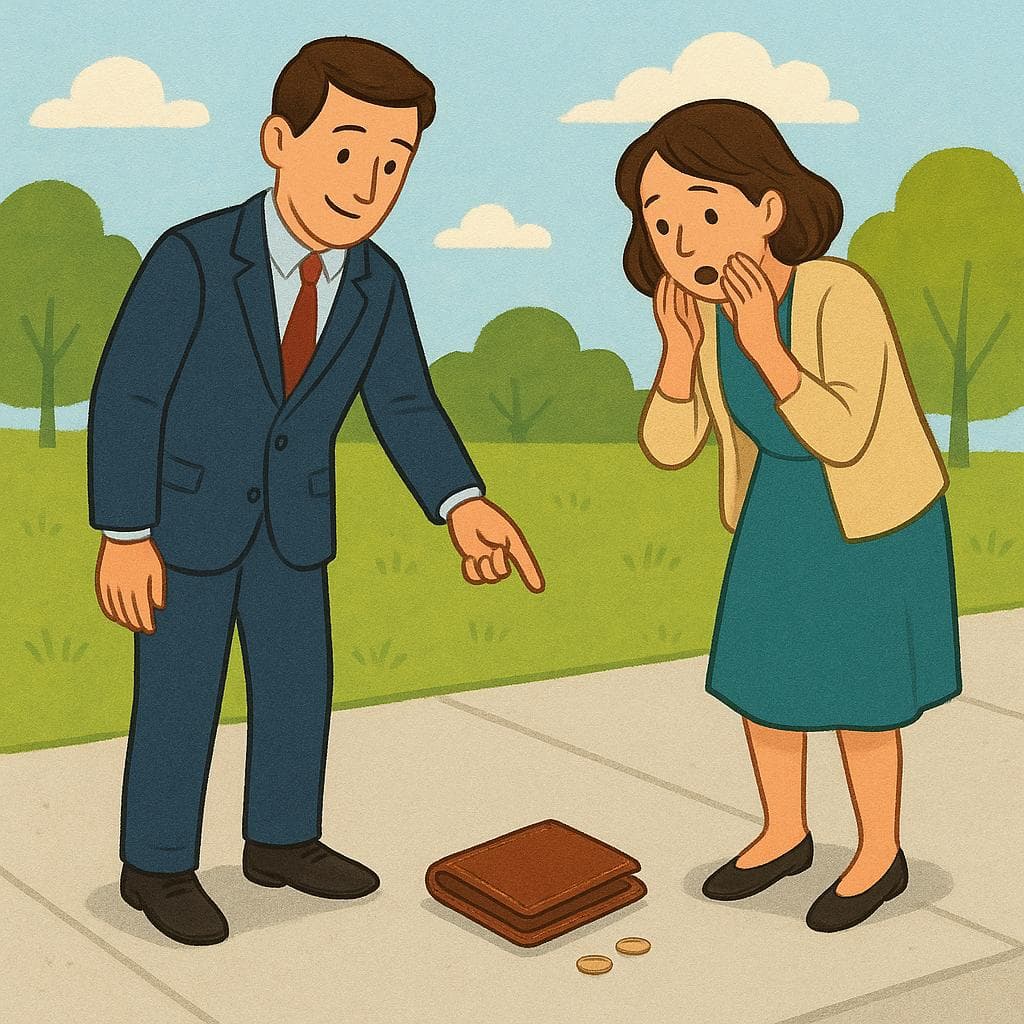
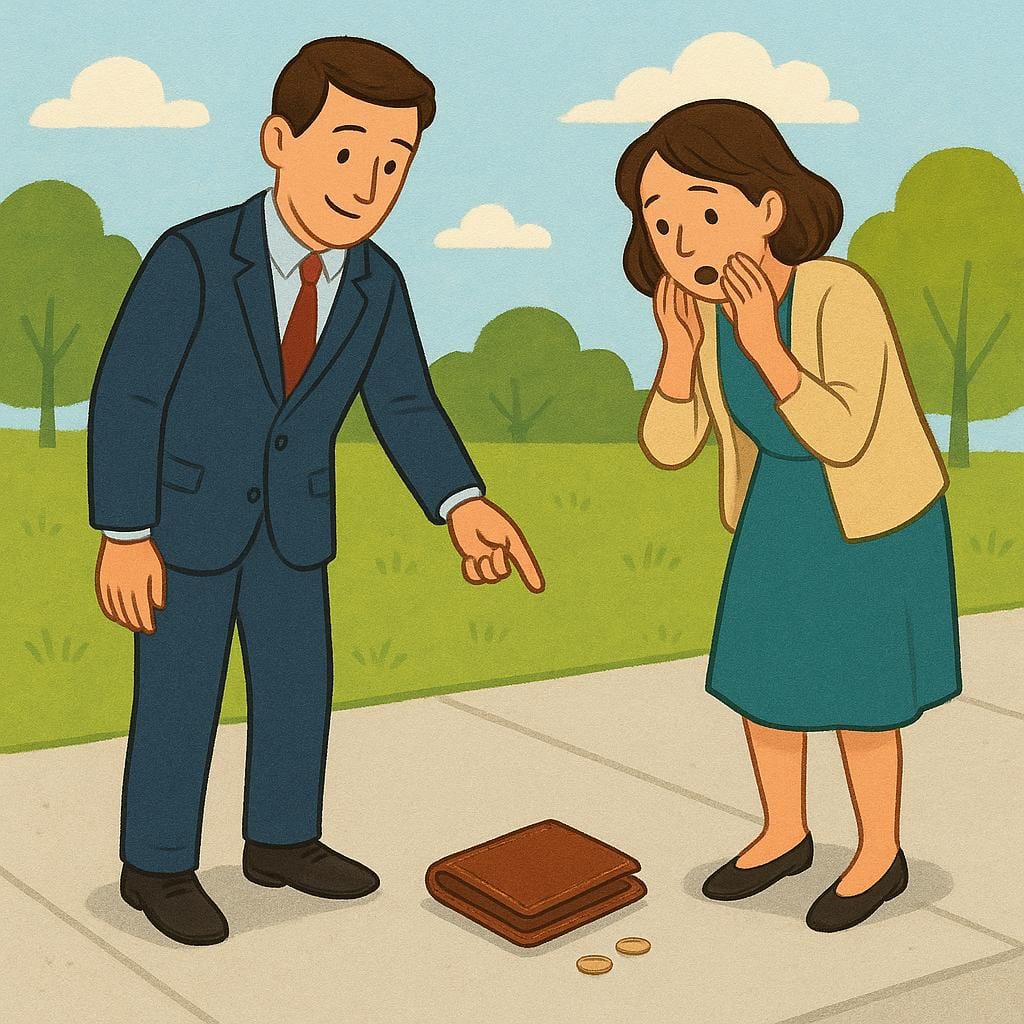
Mire, señor, se le cayó la cartera.
Look, sir, you dropped your wallet.
Mire a la derecha antes de cruzar la calle.
Look to the right before crossing the street.
Por favor, mire este documento y fírmelo.
Please, look at this document and sign it.
Espero que mire la película esta noche.
I hope that you (formal) watch the movie tonight.
Giving Polite Commands
This is the command form of 'mirar' (to look) that you use when speaking to someone formally ('usted'). Think of it as the polite way to say 'Look!'
The 'Mood' for Wishes and Doubts (Subjunctive)
Spanish has a special verb form for things that aren't facts, like wishes, doubts, or emotions. After a phrase like 'espero que' (I hope that) or 'no creo que' (I don't think that), the verb changes to 'mire'.
Mixing Formal and Informal
Mistake: “Using 'mira' when you should be formal, for example, with an older person: 'Señora, mira esto.'”
Correction: Always use 'mire' when addressing someone as 'usted' or 'señor/señora': 'Señora, mire esto.' It shows respect.
Using the 'Fact' Form by Mistake
Mistake: “Quiero que usted mira la casa.”
Correction: Say 'Quiero que usted mire la casa.' After 'quiero que' (I want that...), you need to use this special 'mire' form, not the regular 'mira'.
miren
MEE-rehnˈmi.ɾen

Examples
¡Miren! Un pájaro muy raro.
Look! A very strange bird.
Por favor, todos miren hacia el frente.
Please, everyone look towards the front.
Es importante que miren las instrucciones antes de empezar.
It's important that you all look at the instructions before starting.
The Many Jobs of 'Miren'
This one word can be a command ('Look!'), part of a regular sentence ('You all look'), or a special form for wishes and doubts ('I hope you look'). The words around it tell you which job it's doing.
Who is 'Miren' for?
'Miren' is used when talking TO a group of people (like 'you all' or 'y'all'). It's also used when talking ABOUT a group of people ('they') in certain sentences that express wishes, doubts, or commands.
For a Group, Not One Person
Mistake: “Saying '¡Miren!' when talking to just one friend.”
Correction: For one friend, use '¡Mira!'. 'Miren' is always for more than one person.
parecen
pah-REH-senpaˈɾeθen

Examples
Los turistas parecen cansados después de caminar tanto.
The tourists seem tired after walking so much.
Esas ideas parecen muy buenas para el proyecto.
Those ideas appear very good for the project.
Ustedes parecen muy contentos con el resultado.
You all seem very pleased with the result.
Who Does the Seeming?
The ending '-en' tells us that the feeling or appearance applies to a group of people or things (ellos, ellas, or plural usted).
Irregular 'Yo' Form
The base verb 'parecer' is irregular only in the 'yo' form of the present tense and all forms derived from it (like the subjunctive): 'yo parezco' (I seem/appear). This 'zc' change is normal for verbs ending in -ecer.
Confusing Ser/Estar and Parecer
Mistake: “Misusing 'ser' or 'estar' when expressing a visual impression: 'Son cansados' (They are tired, permanently).”
Correction: 'Parecen cansados' (They seem tired). 'Parecer' is perfect for giving your personal impression or observation.
mirada
mee-RAH-dahmiˈɾaða
Examples
Necesito una rápida mirada a tu agenda.
I need a quick look at your schedule.
Ella evitó mi mirada en el pasillo.
She avoided my gaze in the hallway.
El niño se perdió tras una larga mirada al horizonte.
The boy was lost after a long look at the horizon.
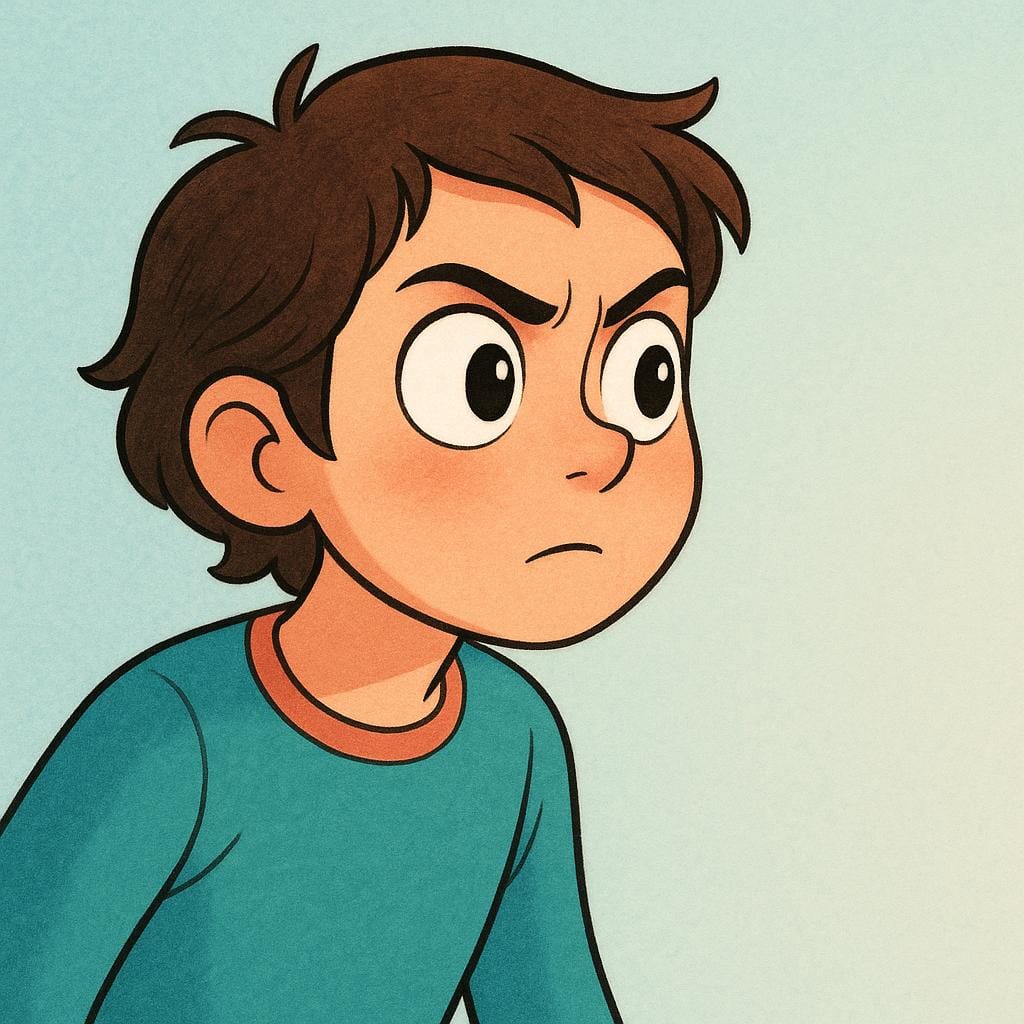
El director tenía una mirada muy seria.
The director had a very serious look (or expression).
Always Feminine
Since 'mirada' ends in -a, it is a feminine noun, so you must always use 'la' before it: 'la mirada.'
Adjectives Describe the Feeling
When 'mirada' refers to an expression, you almost always follow it with an adjective or a phrase starting with 'de' to explain the emotion: 'mirada triste,' 'mirada de amor.'
Confusing Noun and Verb
Mistake: “No me gustas mirar. (Incorrect use of the noun)”
Correction: No me gusta tu mirada. (I don't like your look.) The verb form is 'mirar,' meaning 'to look.'
vistazo
bees-TAH-sohbisˈtaso
Examples
Le di un vistazo rápido al documento antes de la reunión.
I gave the document a quick glance before the meeting.
¿Puedes echar un vistazo a mi coche? Hace un ruido raro.
Can you take a look at my car? It's making a weird noise.
Con un solo vistazo, supo que algo andaba mal.
With just one glance, she knew something was wrong.
The '-azo' Ending
'Vistazo' comes from 'vista' (view/sight). The ending '-azo' in Spanish often suggests a quick, sharp action or a hit. So, a 'vistazo' is like a 'quick hit' with your eyes.
It's a Noun, Not a Verb
Mistake: “Don't say: 'Yo vistazo el libro.' (I glance the book.)”
Correction: Say: 'Yo le echo un vistazo al libro.' (Literally: I throw a glance at the book.) 'Vistazo' is a thing (a noun), not an action (a verb). You need a verb like 'echar' (to throw) or 'dar' (to give) to perform the action.
apariencia
ah-pah-rye-EN-see-ahapaˈɾjenθja

Examples
Su apariencia física es muy atlética.
His physical appearance is very athletic.
Me gusta la apariencia de esta nueva casa.
I like the look of this new house.
Ella cuida mucho su apariencia personal.
She takes great care of her personal appearance.
Feminine Noun Rule
Most Spanish nouns ending in -cia, like 'apariencia,' are feminine and require feminine articles (la apariencia, una apariencia).
aspecto
as-PEK-tohasˈpekto

Examples
Tiene buen aspecto después de sus vacaciones.
He has a good appearance/look after his vacation.
El aspecto del edificio es antiguo, pero el interior es moderno.
The appearance of the building is old, but the interior is modern.
Cuidar su aspecto físico es importante para ella.
Taking care of her physical appearance is important to her.
Masculine Noun Rule
Remember that 'aspecto' is always a masculine word, so use the article 'el' or 'un': 'el aspecto' (the appearance).
Using the wrong gender
Mistake: “La aspecto es bueno.”
Correction: El aspecto es bueno. ('Aspecto' is masculine, even though it ends in 'o' which sometimes tricks learners.)
fíjate
Examples
Fíjate bien en cómo lo hago antes de intentarlo tú.
Pay close attention to how I do it before you try it.
aire
ai-rehˈai.ɾe
Examples
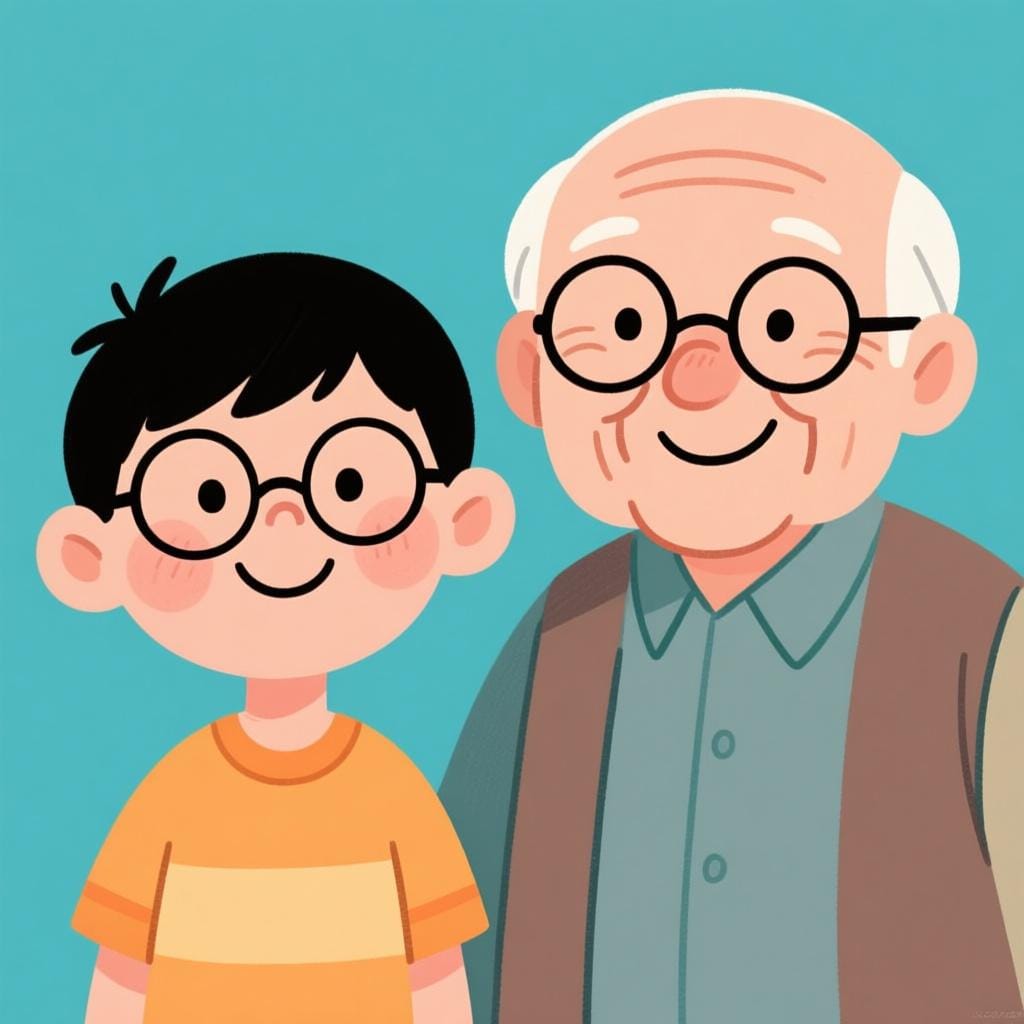
Ese chico tiene un aire a su abuelo.
That boy has a look of his grandfather / looks a bit like his grandfather.
Llegó con un aire de superioridad.
He arrived with an air of superiority.
La decoración le da a la habitación un aire muy moderno.
The decoration gives the room a very modern vibe.
estética
Examples
La estética de esta cafetería es muy moderna y minimalista.
The look of this coffee shop is very modern and minimalist.
expresión
Examples
Su expresión de miedo era inconfundible.
Her expression of fear was unmistakable.
imagen
ee-MAH-heniˈma.xen

Examples
El presidente está tratando de mejorar su imagen después del escándalo.
The president is trying to improve his image after the scandal.
Ella proyecta una imagen de gran confianza y profesionalismo.
She projects an image of great confidence and professionalism.
Necesitamos cambiar la imagen corporativa de la empresa.
We need to change the corporate image (or branding) of the company.
Actions and Image
When talking about building or maintaining a reputation, Spanish often uses verbs like proyectar (to project), mejorar (to improve), or cuidar (to take care of).
pinta
PEEN-tahˈpin.ta

Examples
Esa comida tiene muy buena pinta. ¡Quiero probarla!
That food looks really good (has a good appearance). I want to try it!
El nuevo entrenador tiene pinta de ser muy estricto.
The new coach looks like (has the appearance of being) very strict.
Llevas una pinta muy elegante hoy. ¿Tienes una reunión?
You have a very elegant look today. Do you have a meeting?
Using 'Tener'
We almost always use 'pinta' with the verb 'tener' (to have) to describe the appearance of something, like saying 'it has a good look' instead of 'it is good looking'.
Mixing with 'Parecer'
Mistake: “La comida parece buena pinta.”
Correction: La comida tiene buena pinta. ('Pinta' already means 'look,' so 'parecer' (to seem) is usually redundant here.)
quedan
KAY-dahnˈkeðan
Examples
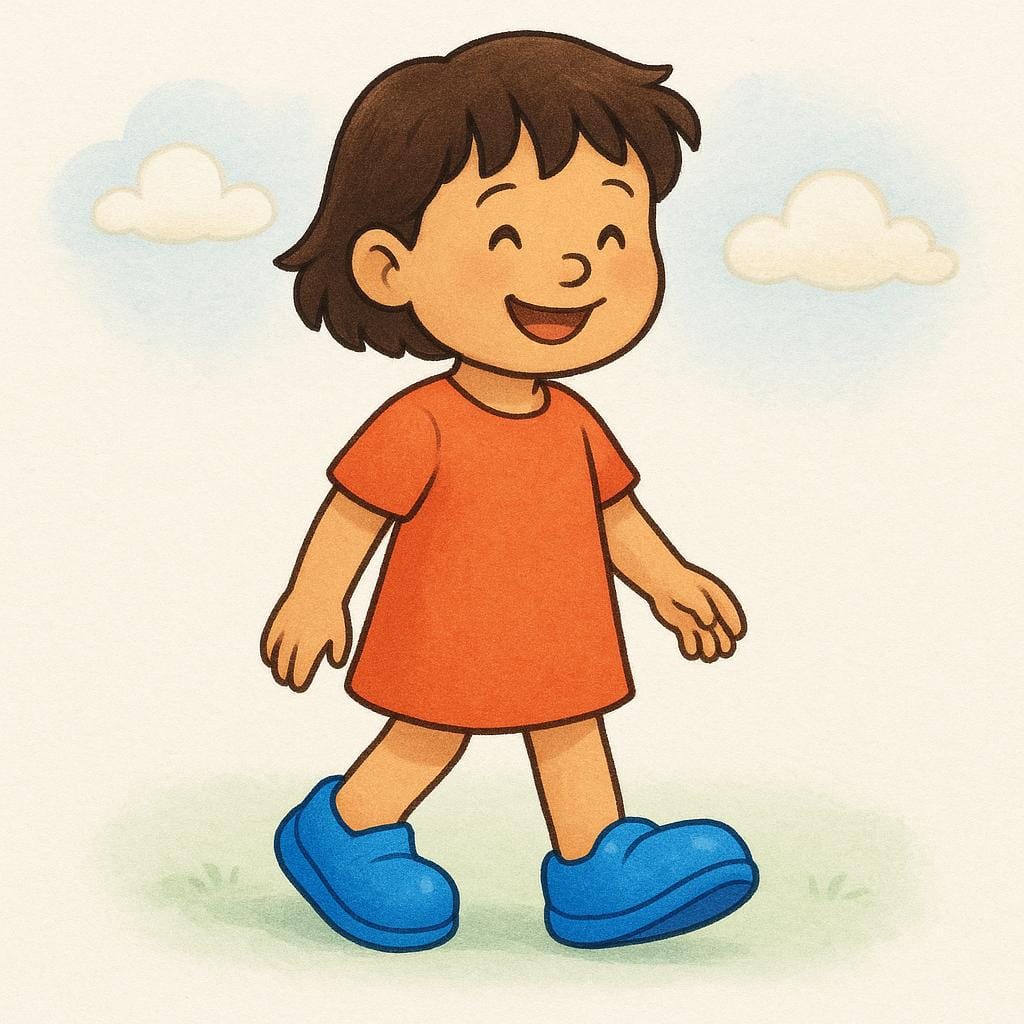
Las botas no les quedan bien, son muy estrechas.
The boots don't fit them well, they are too tight.
Estos colores siempre quedan fantásticos con tu tono de piel.
These colors always look fantastic with your skin tone.
Los nuevos uniformes les quedan un poco grandes.
The new uniforms are a little big on them.
Indirect Object Required
When talking about fitting/looking, you must include a pronoun (me, te, le, nos, os, les) to say who the item looks good/bad on. The item itself is the subject that 'quedan' must agree with.
Subject-Verb Agreement
Mistake: “Saying 'Las botas les queda bien' (singular verb for plural subject).”
Correction: Always make sure 'quedan' agrees with the clothes/item (plural) and not the person (indirect object pronoun). Correct: 'Las botas les quedan bien.'
quedara
keh-DAH-rahkeˈðaɾa

Examples
No estaba seguro de que la camisa le quedara bien.
I wasn't sure that the shirt would fit him well.
Si el color quedara muy oscuro, podemos cambiarlo.
If the color looked too dark, we could change it.
Era necesario que el corte de pelo quedara moderno.
It was necessary that the haircut looked modern.
Using 'quedar' like 'gustar'
When talking about fitting or suitability, 'quedar' often works like 'gustar' (to like), where the subject is the item, and the person is the indirect object: 'La falda me queda bien' (The skirt fits me well).
traza
TRAH-sahˈtɾaθa

Examples
Ese proyecto tiene buena traza.
That project looks promising (has a good look).
Llevaba traza de estar muy cansado.
He had the appearance of being very tired.
No me gusta la traza de ese desconocido.
I don't like the look of that stranger.
Using 'Traza' for Impressions
Use 'traza' with the verb 'tener' (to have) to describe the initial impression something gives you, similar to 'looks like' in English.
Gender agreement
This word is always feminine ('la traza'), even if you are describing a man or a masculine object.
Traza vs. Taza
Mistake: “Me gusta la taza de este edificio.”
Correction: Me gusta la traza de este edificio.
bo
bohbo

Examples
¡Bo! ¿Me estás escuchando?
Hey! Are you listening to me?
¿Qué hacés, bo? Tanto tiempo.
What's up, man? Long time no see.
No me digas eso, bo, que me pongo triste.
Don't tell me that, dude, it makes me sad.
A Word for Attention
This word is an 'attention-getter.' You use it just like 'Hey!' in English to make someone look at you or realize you are talking to them.
It Never Changes
Even though many Spanish words change for boys or girls, 'bo' is always the same. You can say it to a man, a woman, or a group of friends without changing a single letter.
Using it with Strangers
Mistake: “Using 'bo' to get a waiter's attention in a fancy restaurant.”
Correction: This is very informal slang. Use 'Disculpe' (Excuse me) for strangers, and save 'bo' for your close friends.
Interjections vs. Nouns for 'Look'
Learn Spanish with Inklingo
Interactive stories, personalized learning, and more.