How to Say "suit" in Spanish
The most common Spanish word for “suit” is “traje” — use 'traje' when referring to a matching set of clothing, typically a jacket and trousers or a skirt.
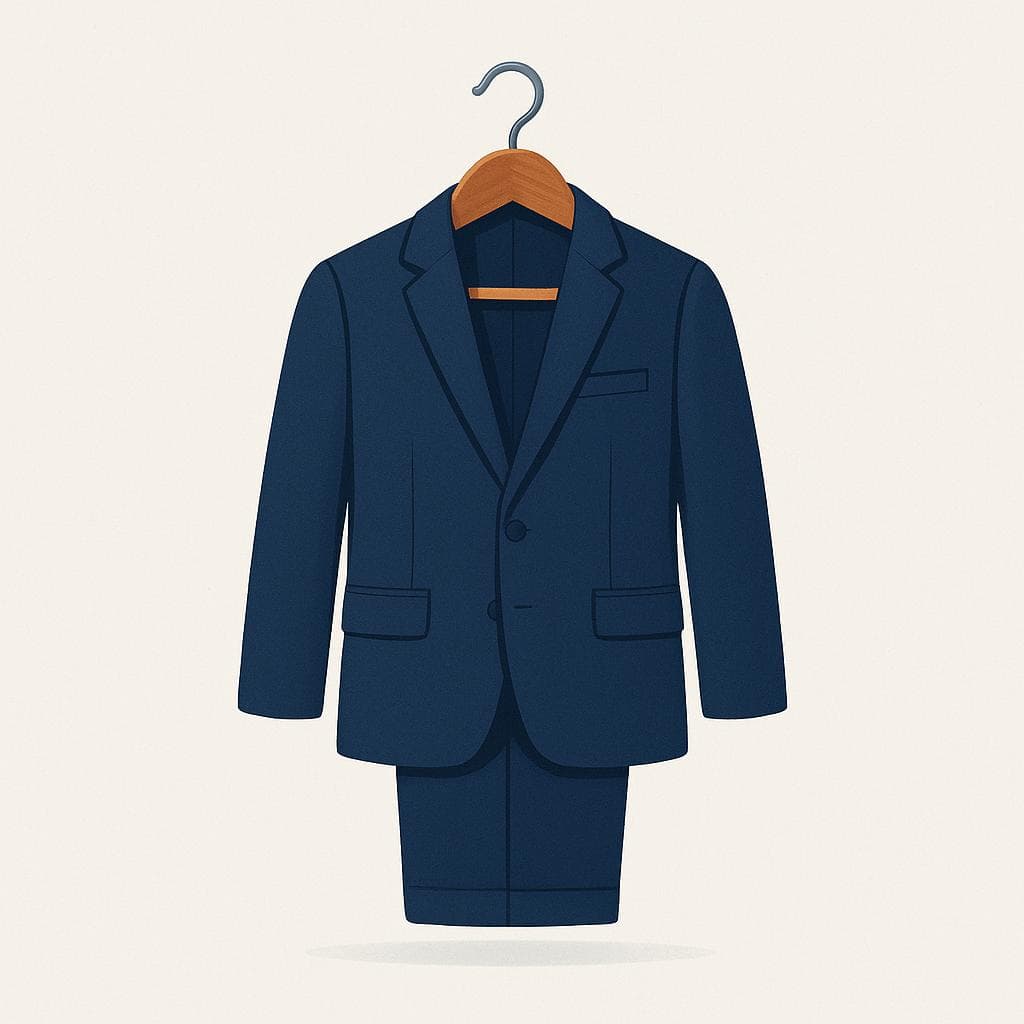



traje
TRA-hey'tɾaxe
Examples
Compré un traje nuevo para la entrevista.
I bought a new suit for the interview.
No olvides tu traje de baño para ir a la piscina.
Don't forget your swimsuit to go to the pool.
El traje regional de Andalucía es muy colorido.
The regional costume of Andalusia is very colorful.
It's a Masculine Noun
Even though clothing can be for anyone, the word 'traje' is always masculine. So, you'll always say 'el traje' (the suit) or 'un traje bonito' (a nice suit).
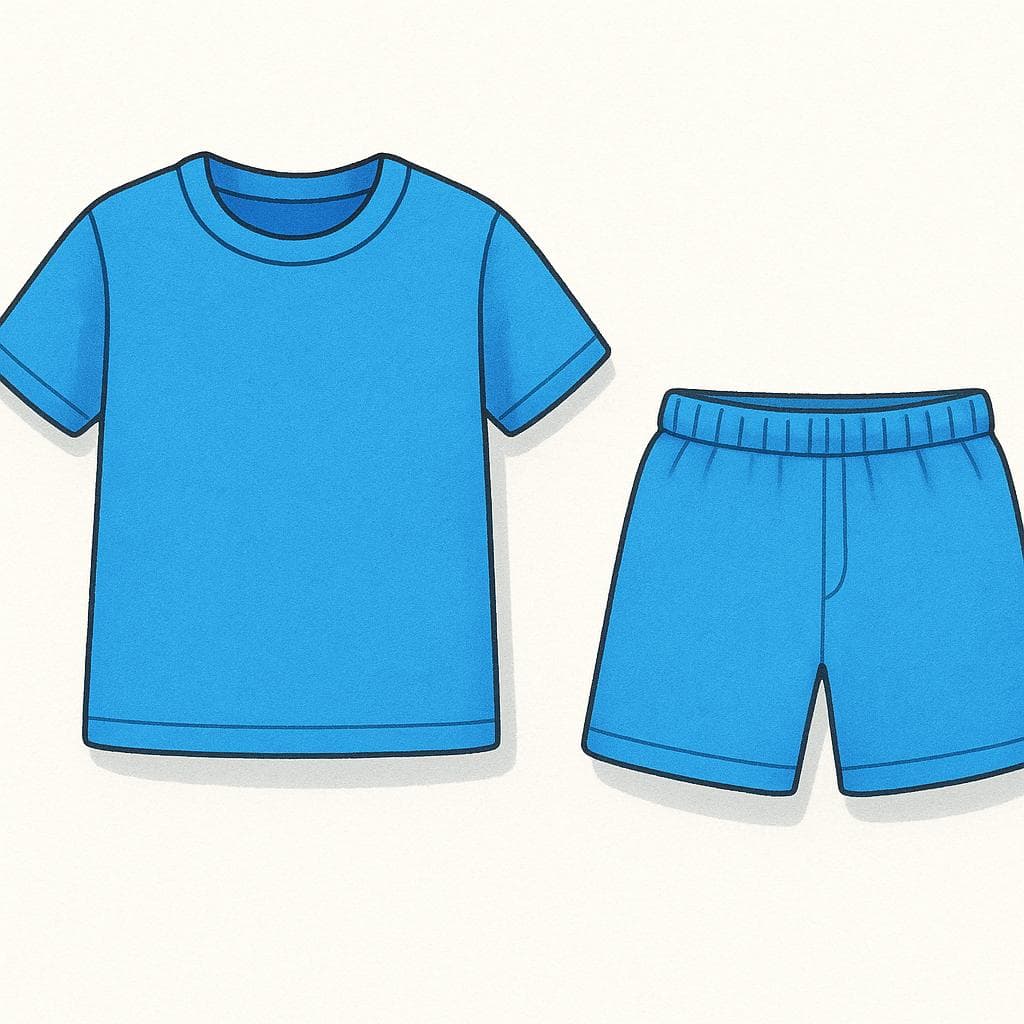
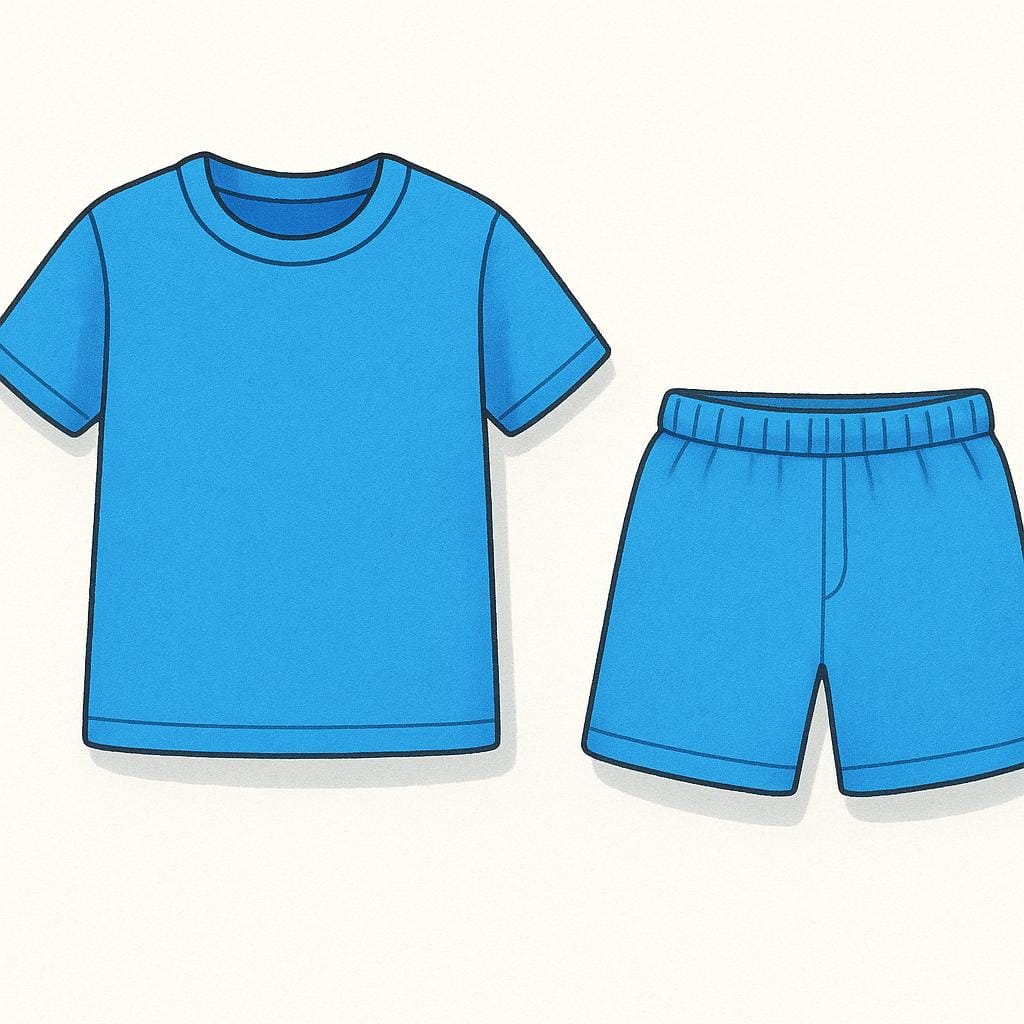
conjunto
kon-HOON-tohkonˈxunto
Examples
Compró un conjunto deportivo nuevo para el gimnasio.
He bought a new athletic outfit for the gym.
Llevaba un conjunto de chaqueta y falda muy elegante.
She was wearing a very elegant jacket and skirt ensemble.
Focus on Matching
When used for clothes, 'conjunto' usually implies the pieces (like a top and bottom) were bought together or are intentionally matching.
palo
PAH-lohˈpa.lo

Examples
Tengo todas las cartas del mismo palo, ¡voy a ganar!
I have all the cards of the same suit, I'm going to win!
Cambia el palo si no tienes el que sigue.
Change the suit if you don't have the next one.
Deck Confusion
Mistake: “Using 'palo' when you mean 'deck' (baraja) or 'card' (carta).”
Correction: 'Palo' only refers to the category (e.g., hearts or diamonds), not the whole set of cards.
quedan
KAY-dahnˈkeðan

Examples
Las botas no les quedan bien, son muy estrechas.
The boots don't fit them well, they are too tight.
Estos colores siempre quedan fantásticos con tu tono de piel.
These colors always look fantastic with your skin tone.
Los nuevos uniformes les quedan un poco grandes.
The new uniforms are a little big on them.
Indirect Object Required
When talking about fitting/looking, you must include a pronoun (me, te, le, nos, os, les) to say who the item looks good/bad on. The item itself is the subject that 'quedan' must agree with.
Subject-Verb Agreement
Mistake: “Saying 'Las botas les queda bien' (singular verb for plural subject).”
Correction: Always make sure 'quedan' agrees with the clothes/item (plural) and not the person (indirect object pronoun). Correct: 'Las botas les quedan bien.'
quedara
keh-DAH-rahkeˈðaɾa

Examples
No estaba seguro de que la camisa le quedara bien.
I wasn't sure that the shirt would fit him well.
Si el color quedara muy oscuro, podemos cambiarlo.
If the color looked too dark, we could change it.
Era necesario que el corte de pelo quedara moderno.
It was necessary that the haircut looked modern.
Using 'quedar' like 'gustar'
When talking about fitting or suitability, 'quedar' often works like 'gustar' (to like), where the subject is the item, and the person is the indirect object: 'La falda me queda bien' (The skirt fits me well).
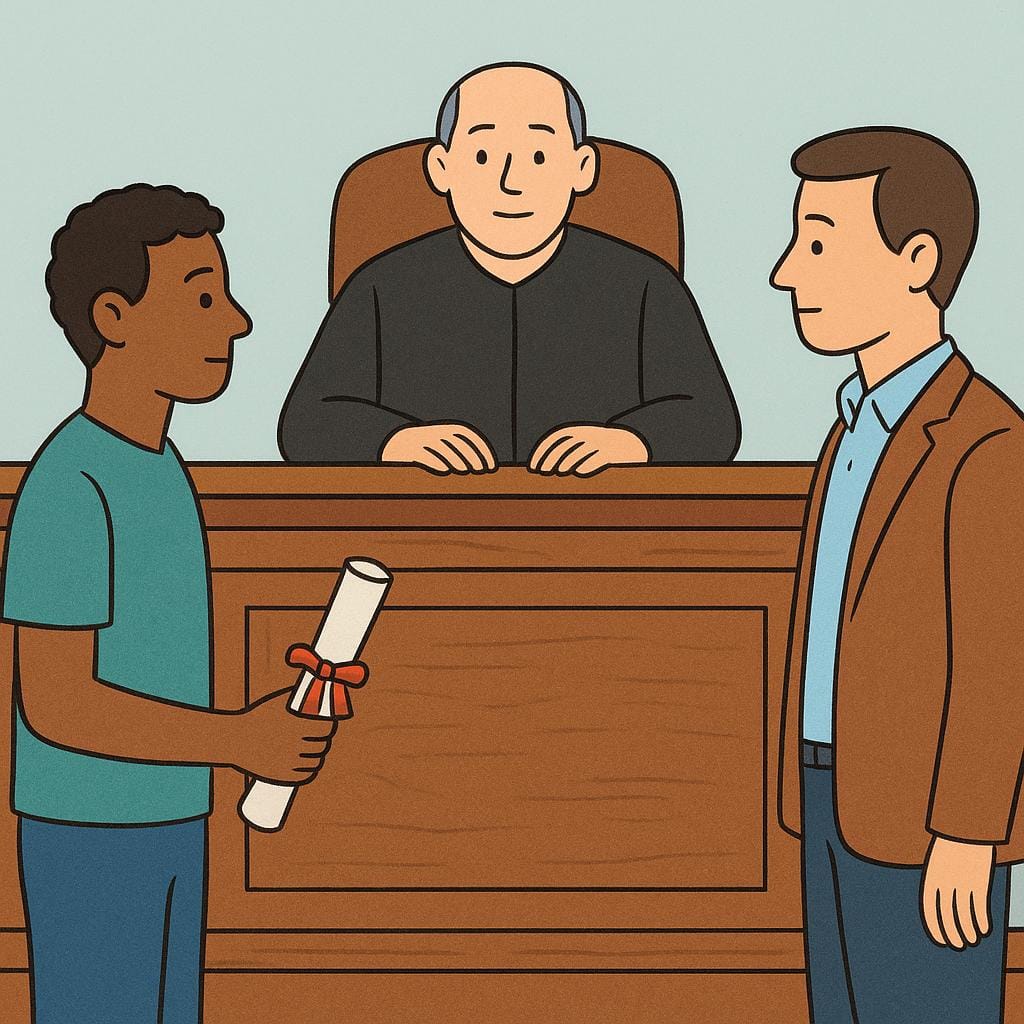
demanda
deh-MAHN-dahdeˈmanda
Examples
El abogado presentó la demanda ayer por la mañana.
The lawyer filed the lawsuit yesterday morning.
Ganaron la demanda después de un largo juicio.
They won the lawsuit after a long trial.
Recibimos una demanda por incumplimiento de contrato.
We received a legal claim for breach of contract.
Key Verbs
When talking about starting a lawsuit, the most common verbs are 'presentar' (to file) or 'poner' (to put/file). For winning, use 'ganar' (to win).
Clothing vs. Legal vs. Cards
Related Translations
Learn Spanish with Inklingo
Interactive stories, personalized learning, and more.