How to Say "are left" in Spanish
The most common Spanish word for “are left” is “quedan” — use 'quedan' when referring to a general quantity of items or people that still exist or are available.

quedan
KAY-dahnˈkeðan
Examples
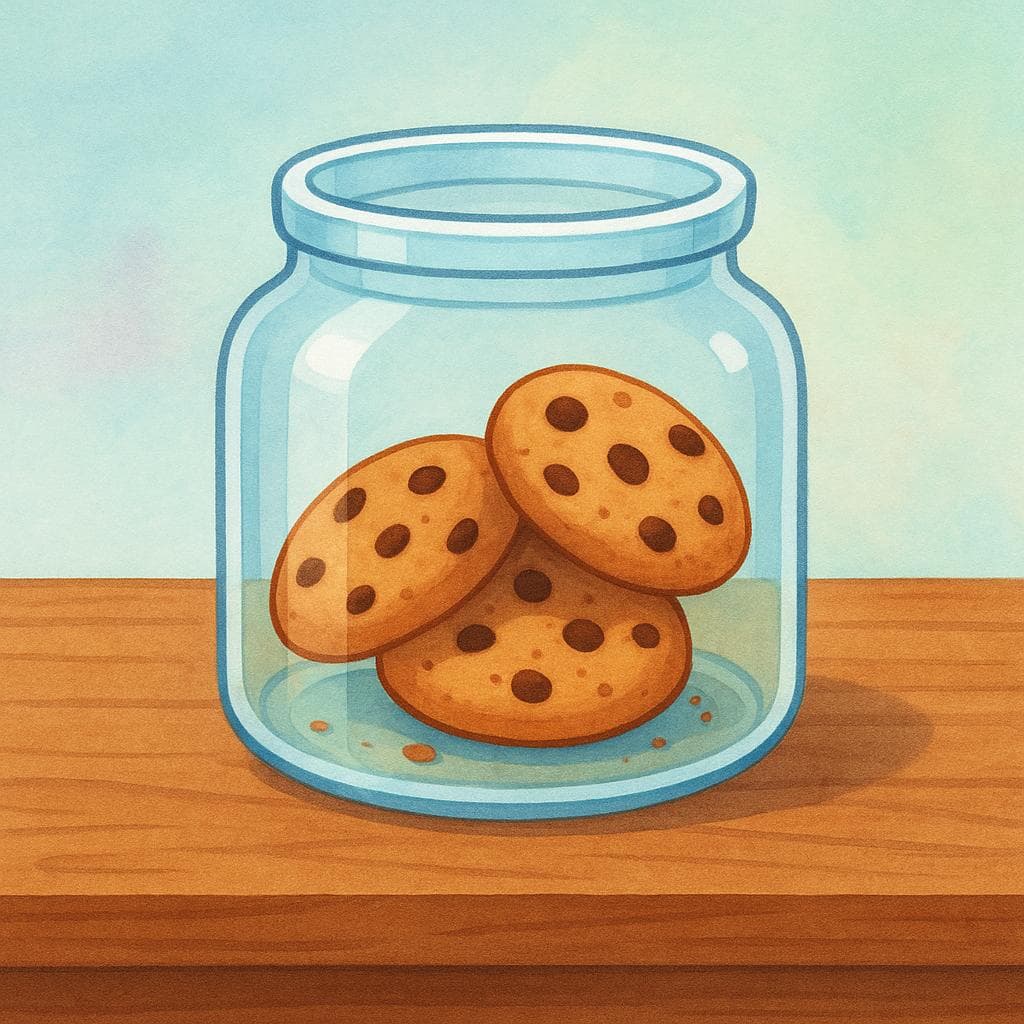
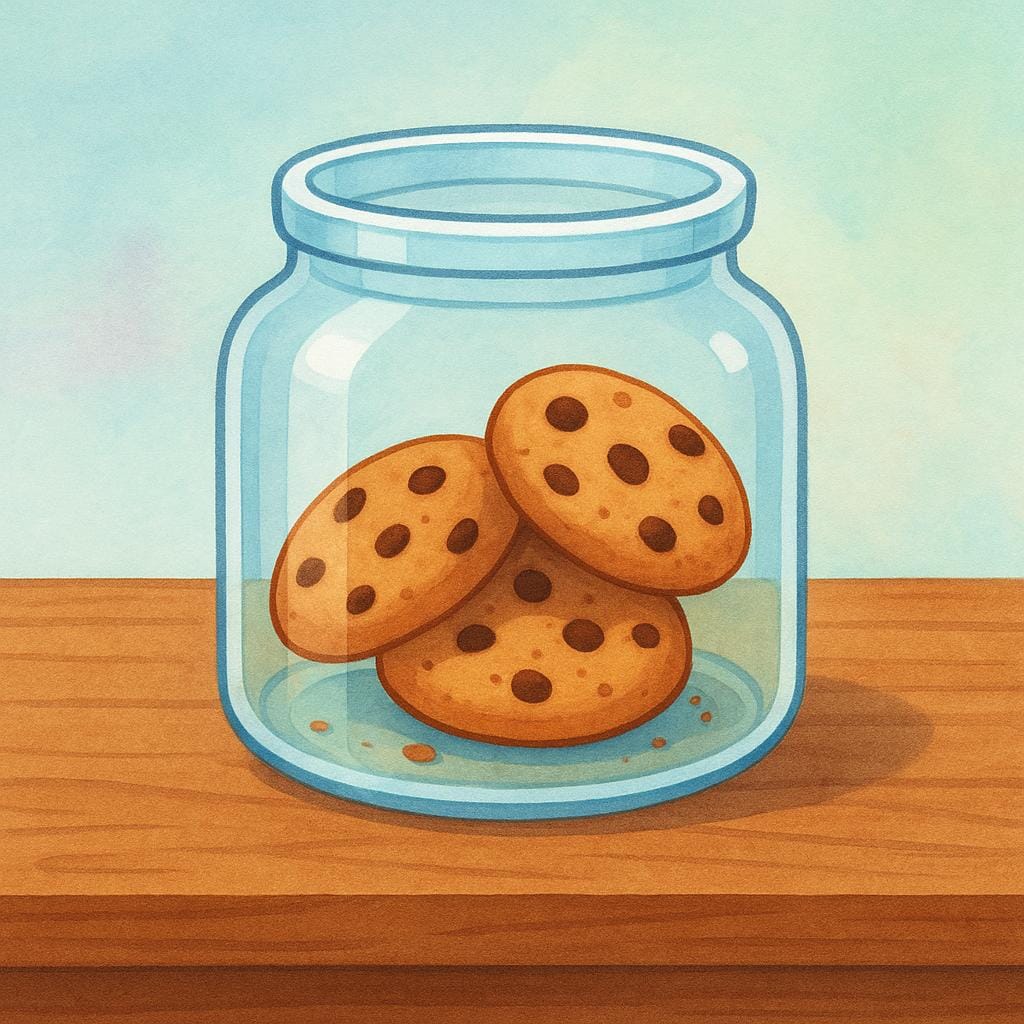
Solo quedan tres galletas en el plato.
Only three cookies are left on the plate.
Después de la liquidación, quedan pocos productos.
After the sale, few products remain.
Nos quedan dos horas para terminar el trabajo.
We have two hours left to finish the job. (Literally: Two hours remain to us...)
Structure like 'Gustar'
When talking about time or items 'remaining for us,' Spanish uses an indirect pronoun (like 'nos') before 'quedan.' The item remaining is the actual subject.
Mixing up 'quedan' and 'hay'
Mistake: “Using 'quedan' when you simply mean 'there are' for the first time.”
Correction: Use 'hay' (there are) to introduce something new, and 'quedan' (there are still/left) to emphasize what remains after something else has been taken away.
faltan
FAHL-tahnˈfal.tan

Examples
Faltan solo diez páginas para terminar el libro.
Only ten pages are left to finish the book.
¡Faltan cinco minutos para que empiece la película!
There are five minutes left until the movie starts!
Counting Down
When counting down time, always use 'faltar' in the third person. If the unit of time is plural (minutes, hours, days), use 'faltan'.
Confusing 'quedan' and 'faltan'
Related Translations
Learn Spanish with Inklingo
Interactive stories, personalized learning, and more.